
Trump Downplays China's Military Drills as Tensions Rise in Taiwan Strait
In This Article
HIGHLIGHTS
- President Trump downplays China's military drills around Taiwan, citing a strong relationship with President Xi Jinping.
- The Chinese military exercises simulate a blockade of Taiwan, involving live-fire drills and naval maneuvers.
- Taiwan's defense ministry reports significant Chinese military activity, including 130 aircraft and multiple naval vessels near the island.
- The drills follow a major US arms sale to Taiwan, which has angered Beijing and prompted warnings against "external interference."
- Experts suggest the exercises are a message to the US and Japan, highlighting concerns over Trump's commitment to Taiwan's defense.
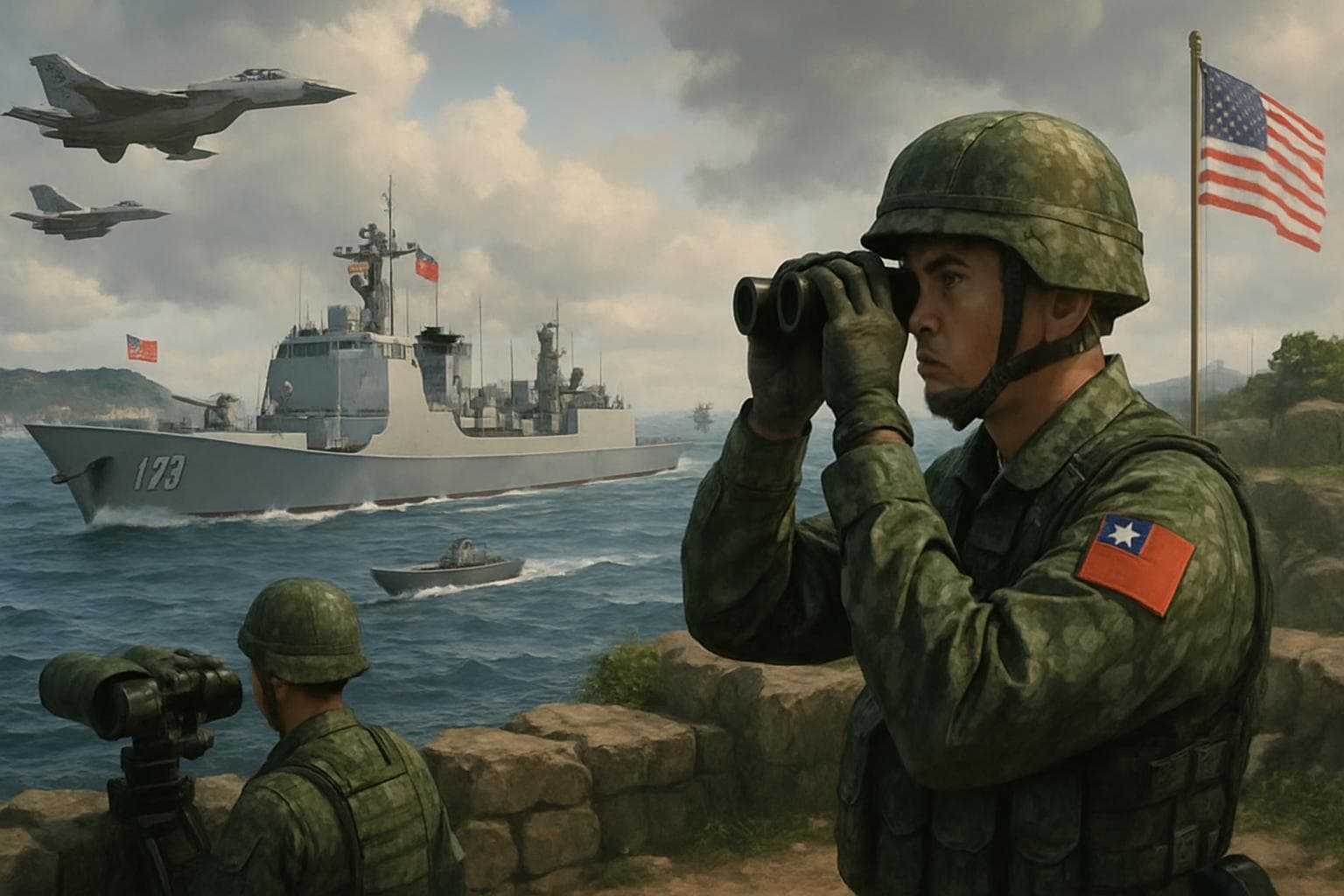
US President Donald Trump has expressed a lack of concern over China's recent military exercises around Taiwan, emphasizing his positive rapport with Chinese President Xi Jinping. The drills, which began on Monday, involve the People's Liberation Army (PLA) conducting live-fire exercises and simulating a blockade of Taiwan, a move seen as a direct response to a substantial US arms sale to the island.
Military Maneuvers and Strategic Implications
The PLA's two-day exercise, dubbed "Justice Mission 2025," features destroyers, frigates, fighter jets, and long-range missiles, all operating in close proximity to Taiwan. The drills are designed to test China's "sea-air coordination" and "integrated containment capabilities," according to the PLA. Taiwan's defense ministry reported detecting 130 Chinese military aircraft and numerous naval vessels, with many crossing the unofficial median line in the Taiwan Strait.
Taiwan's Response and International Reactions
Taiwan's government has criticized the drills as a violation of international norms. President Lai Ching-te stated that the Chinese Communist Party's actions are irresponsible and vowed that Taiwan would not escalate tensions. Taiwan's defense forces remain on high alert, deploying aircraft, ships, and missile systems in response to the heightened military activity.
US-Taiwan Relations Under Scrutiny
The exercises come shortly after the US announced a significant arms sale to Taiwan, a move that has drawn Beijing's ire. Susan Shirk, a former US Deputy Assistant Secretary of State, noted that the drills are likely aimed at the US and Japan, rather than Taiwan itself. Concerns have been raised about President Trump's commitment to Taiwan's defense, with some experts suggesting his policies may be more transactional, potentially compromising US support in exchange for economic benefits.
WHAT THIS MIGHT MEAN
The ongoing military drills underscore the fragile nature of Taiwan Strait tensions and the potential for escalation. As China continues to assert its claims over Taiwan, the US faces a delicate balancing act in supporting Taiwan while managing its complex relationship with Beijing. Future developments could see increased diplomatic engagement or further military posturing, depending on how each party perceives the other's actions. Experts warn that any miscalculation could lead to a broader conflict, drawing in regional powers such as Japan and potentially altering the geopolitical landscape in East Asia.
Related Articles
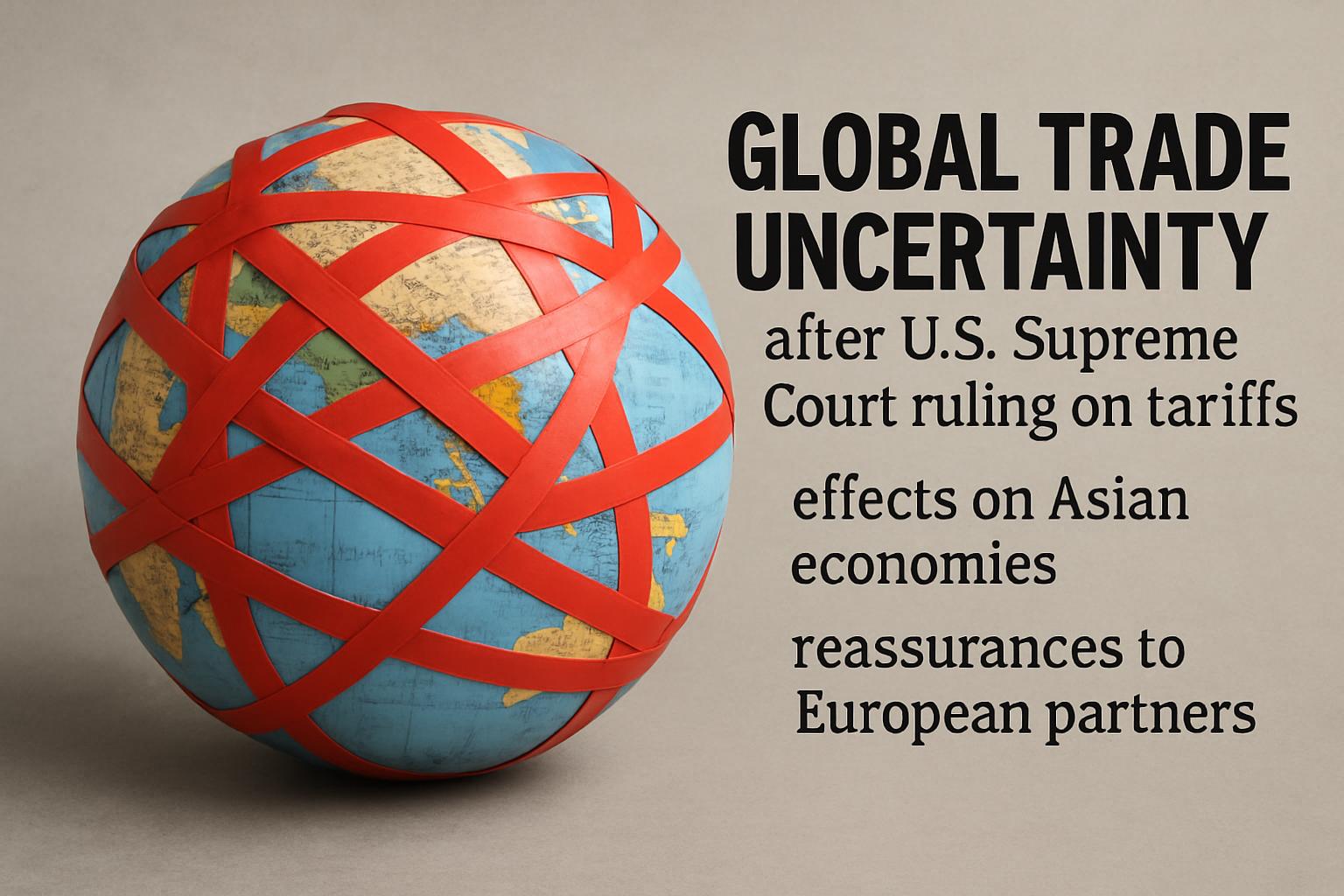
US Supreme Court Ruling Sparks Trade Uncertainty in Asia and Beyond

UK Faces Dilemmas Amid Iran Conflict and China Spying Allegations
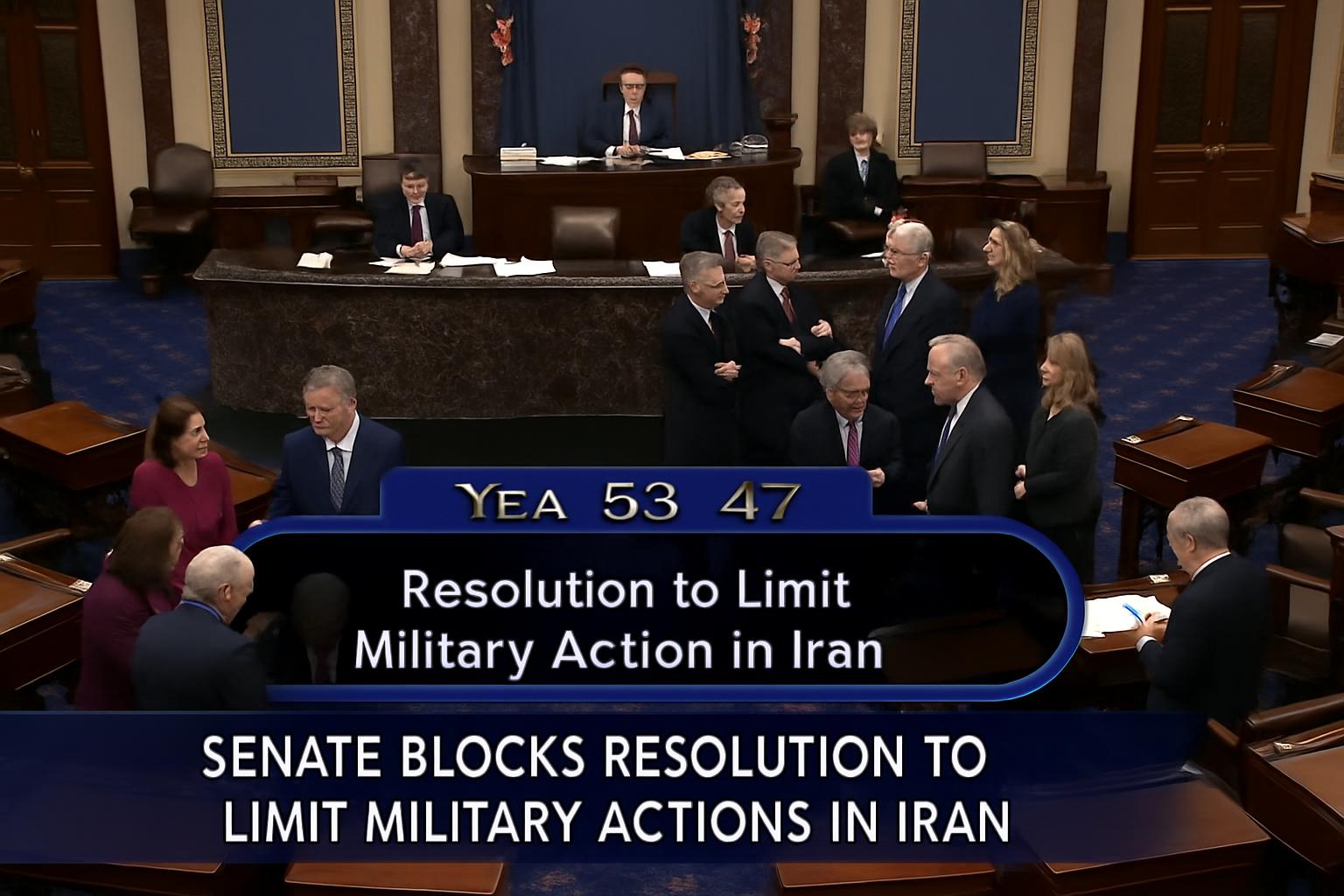
Senate Blocks Resolution to Limit Trump's Military Actions in Iran
Spain's Sánchez Stands Firm Against Trump's Trade Threat Over Iran Stance
Iran Postpones Khamenei Funeral Amid Escalating US-Israeli Strikes
China Sets Lowest GDP Growth Target in Decades Amid Economic Challenges
Trump Downplays China's Military Drills as Tensions Rise in Taiwan Strait
In This Article
 Ethan Brooks| Published
 HIGHLIGHTS
- President Trump downplays China's military drills around Taiwan, citing a strong relationship with President Xi Jinping.
- The Chinese military exercises simulate a blockade of Taiwan, involving live-fire drills and naval maneuvers.
- Taiwan's defense ministry reports significant Chinese military activity, including 130 aircraft and multiple naval vessels near the island.
- The drills follow a major US arms sale to Taiwan, which has angered Beijing and prompted warnings against "external interference."
- Experts suggest the exercises are a message to the US and Japan, highlighting concerns over Trump's commitment to Taiwan's defense.
US President Donald Trump has expressed a lack of concern over China's recent military exercises around Taiwan, emphasizing his positive rapport with Chinese President Xi Jinping. The drills, which began on Monday, involve the People's Liberation Army (PLA) conducting live-fire exercises and simulating a blockade of Taiwan, a move seen as a direct response to a substantial US arms sale to the island.
Military Maneuvers and Strategic Implications
The PLA's two-day exercise, dubbed "Justice Mission 2025," features destroyers, frigates, fighter jets, and long-range missiles, all operating in close proximity to Taiwan. The drills are designed to test China's "sea-air coordination" and "integrated containment capabilities," according to the PLA. Taiwan's defense ministry reported detecting 130 Chinese military aircraft and numerous naval vessels, with many crossing the unofficial median line in the Taiwan Strait.
Taiwan's Response and International Reactions
Taiwan's government has criticized the drills as a violation of international norms. President Lai Ching-te stated that the Chinese Communist Party's actions are irresponsible and vowed that Taiwan would not escalate tensions. Taiwan's defense forces remain on high alert, deploying aircraft, ships, and missile systems in response to the heightened military activity.
US-Taiwan Relations Under Scrutiny
The exercises come shortly after the US announced a significant arms sale to Taiwan, a move that has drawn Beijing's ire. Susan Shirk, a former US Deputy Assistant Secretary of State, noted that the drills are likely aimed at the US and Japan, rather than Taiwan itself. Concerns have been raised about President Trump's commitment to Taiwan's defense, with some experts suggesting his policies may be more transactional, potentially compromising US support in exchange for economic benefits.
WHAT THIS MIGHT MEAN
The ongoing military drills underscore the fragile nature of Taiwan Strait tensions and the potential for escalation. As China continues to assert its claims over Taiwan, the US faces a delicate balancing act in supporting Taiwan while managing its complex relationship with Beijing. Future developments could see increased diplomatic engagement or further military posturing, depending on how each party perceives the other's actions. Experts warn that any miscalculation could lead to a broader conflict, drawing in regional powers such as Japan and potentially altering the geopolitical landscape in East Asia.
Related Articles
US Supreme Court Ruling Sparks Trade Uncertainty in Asia and Beyond
UK Faces Dilemmas Amid Iran Conflict and China Spying Allegations
Senate Blocks Resolution to Limit Trump's Military Actions in Iran
Spain's Sánchez Stands Firm Against Trump's Trade Threat Over Iran Stance
Iran Postpones Khamenei Funeral Amid Escalating US-Israeli Strikes
China Sets Lowest GDP Growth Target in Decades Amid Economic Challenges