
Trump and Netanyahu Discuss Gaza Ceasefire Amid Ongoing Negotiations
In This Article
HIGHLIGHTS
- US President Donald Trump and Israeli Prime Minister Benjamin Netanyahu discussed Gaza ceasefire talks in Washington, expressing optimism about ongoing negotiations.
- Trump was nominated for the Nobel Peace Prize by Netanyahu, highlighting his efforts in Middle East peace negotiations.
- Indirect talks between Israel and Hamas in Qatar have yet to yield a breakthrough, with significant issues like humanitarian aid and military withdrawal still unresolved.
- Former Hamas hostage Keith Siegel praised Trump for his role in securing his release and urged further efforts to free remaining captives.
- The proposed ceasefire includes a phased release of hostages and Palestinian prisoners, but disagreements persist over the terms and conditions.
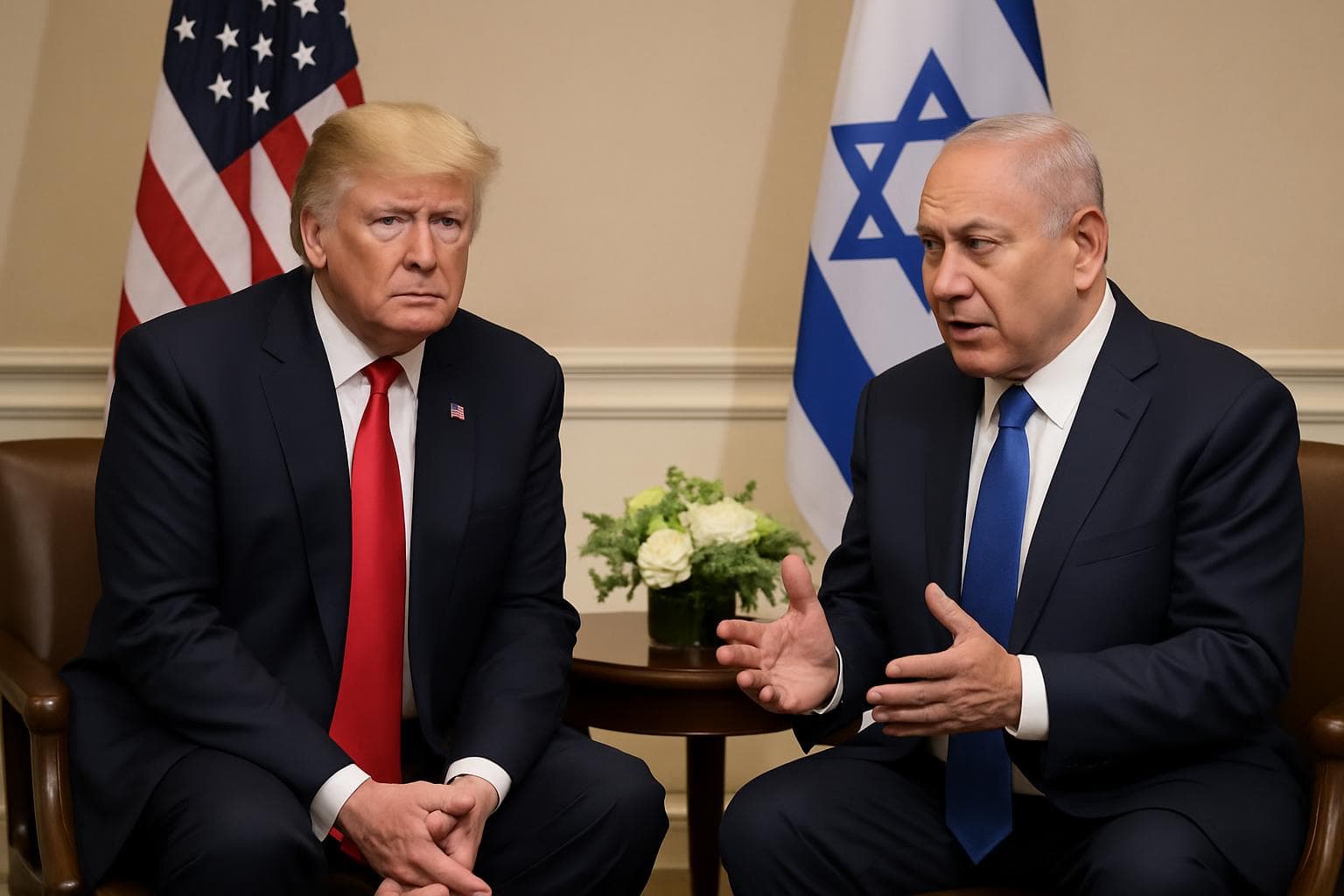
In a pivotal meeting at the White House, US President Donald Trump and Israeli Prime Minister Benjamin Netanyahu expressed optimism about the prospects of a ceasefire in Gaza. The discussions come amid ongoing indirect negotiations between Israel and Hamas in Qatar, aimed at ending the 21-month conflict that has claimed tens of thousands of lives.
Ceasefire Talks and Hostage Release
The meeting between Trump and Netanyahu coincided with indirect talks in Qatar, where negotiators from Israel and Hamas have been working to reach a ceasefire agreement. The proposed plan includes a phased release of 28 hostages held by Hamas and the exchange of Palestinian prisoners in Israeli jails. However, significant hurdles remain, particularly concerning the withdrawal of Israeli troops and the management of humanitarian aid in Gaza.
Nobel Peace Prize Nomination
During the meeting, Netanyahu announced his nomination of Trump for the Nobel Peace Prize, citing the US president's efforts to broker peace in the Middle East. "He's forging peace as we speak," Netanyahu remarked, presenting Trump with a letter to the prize committee. This nomination underscores the high stakes and international attention surrounding the ongoing negotiations.
Humanitarian Concerns and Legal Challenges
Despite the positive rhetoric, the talks face substantial challenges. Hamas has demanded guarantees that hostilities will not resume post-ceasefire, while Israel insists on maintaining security control over Gaza. Legal experts have criticized Israeli plans for relocating Palestinians as potential crimes against humanity, adding another layer of complexity to the negotiations.
Personal Accounts and Human Impact
Former hostage Keith Siegel, who was released after 484 days in captivity, praised Trump for his role in securing his freedom. Siegel urged continued efforts to release the remaining hostages, emphasizing the urgency of resolving the humanitarian crisis. His account highlights the personal toll of the conflict and the pressing need for a sustainable peace agreement.
WHAT THIS MIGHT MEAN
The outcome of the Trump-Netanyahu meeting and the ongoing talks in Qatar could significantly influence the future of the Israel-Palestine conflict. A successful ceasefire would not only alleviate the humanitarian crisis in Gaza but also bolster Trump's standing as a peace negotiator, potentially impacting his political capital domestically and internationally. However, failure to address key issues like military withdrawal and humanitarian aid could lead to renewed hostilities, further complicating the path to peace. As negotiations continue, the international community will be watching closely, with hopes that a resolution can be reached that respects the rights and dignity of all parties involved.
Related Articles
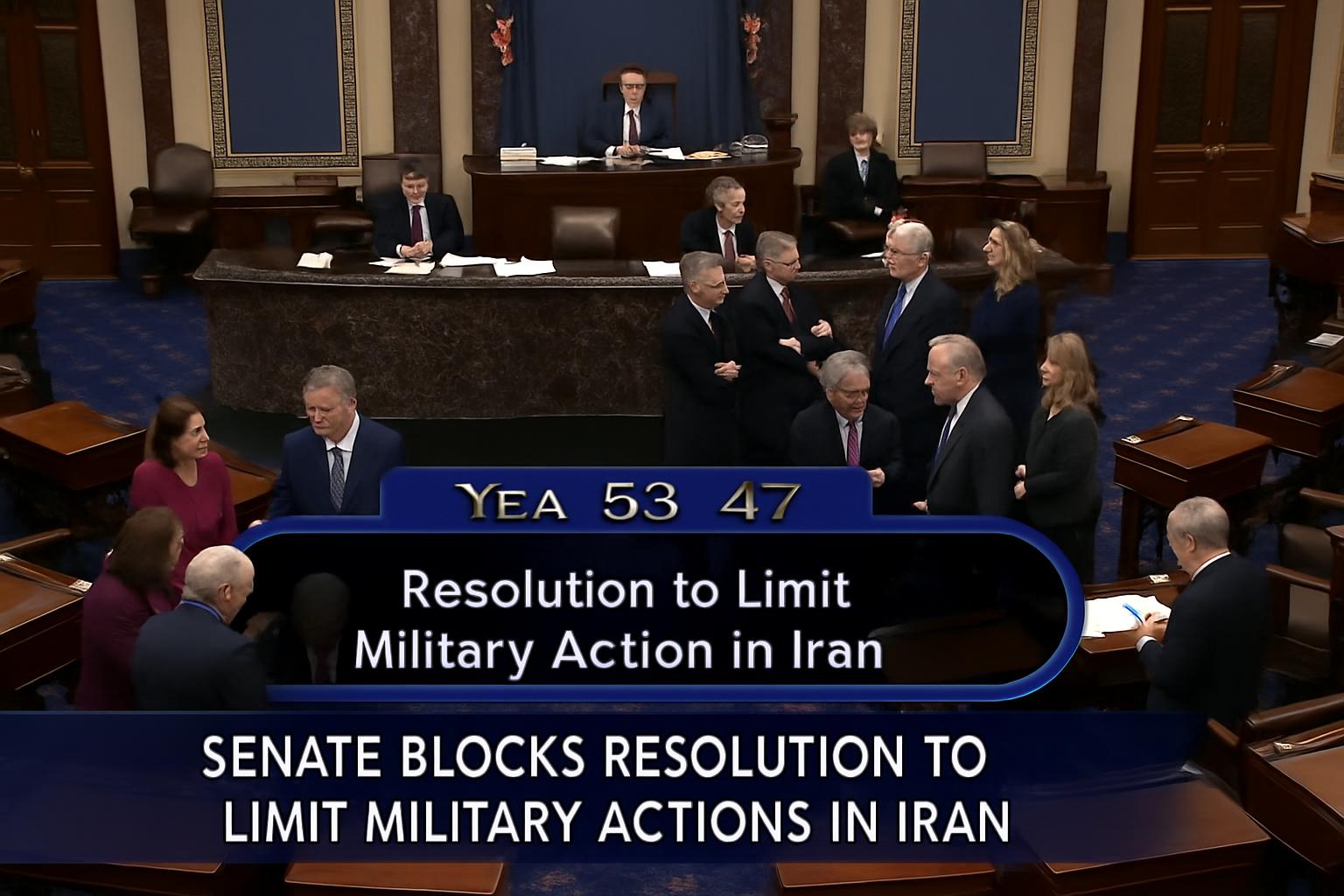
Senate Blocks Resolution to Limit Trump's Military Actions in Iran
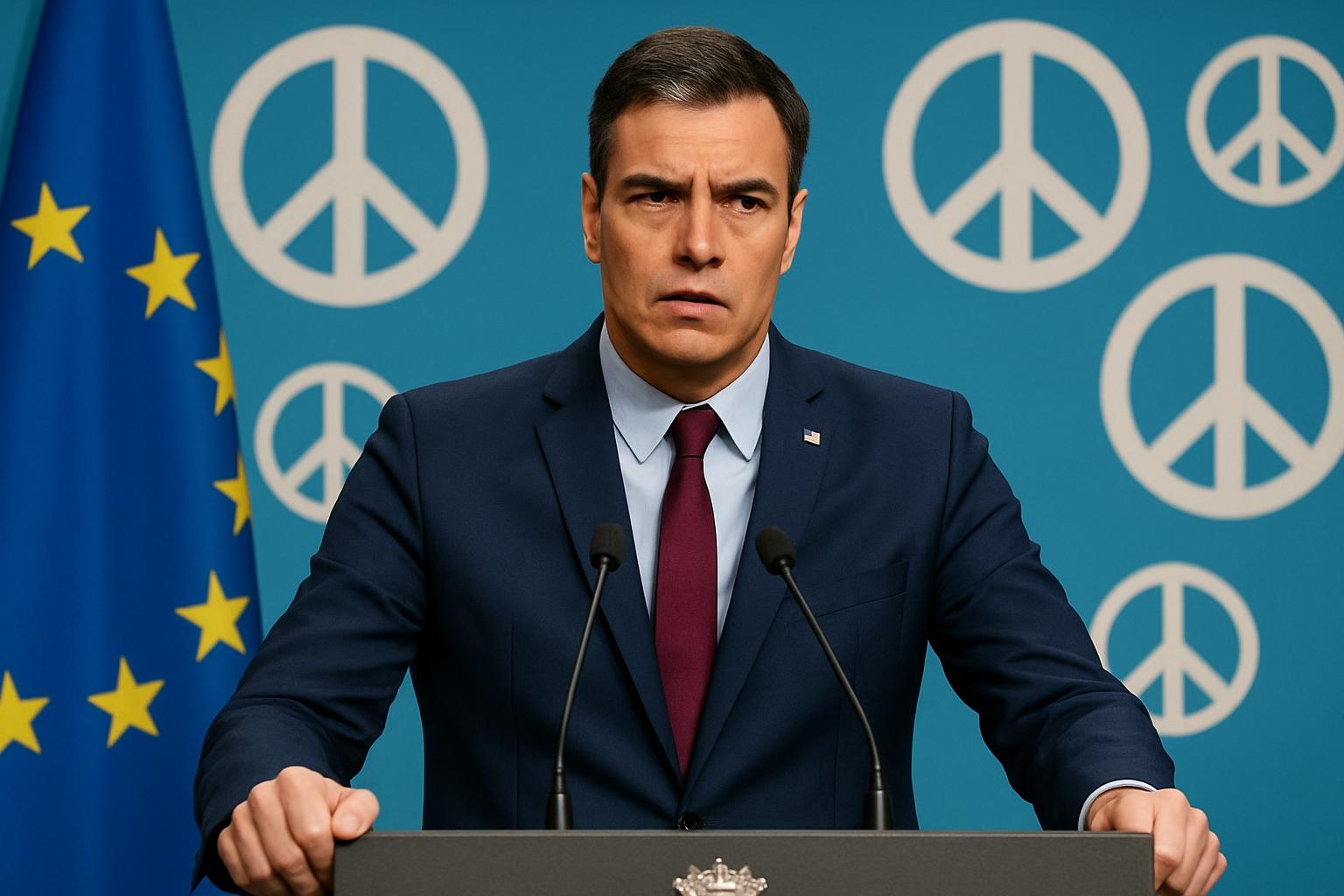
Spain's Sánchez Stands Firm Against Trump's Trade Threat Over Iran Stance

US and Israel Intensify Military Campaign as Iran's Capabilities Dwindle

Intensified US-Israel Strikes on Iran Spark Global Outcry
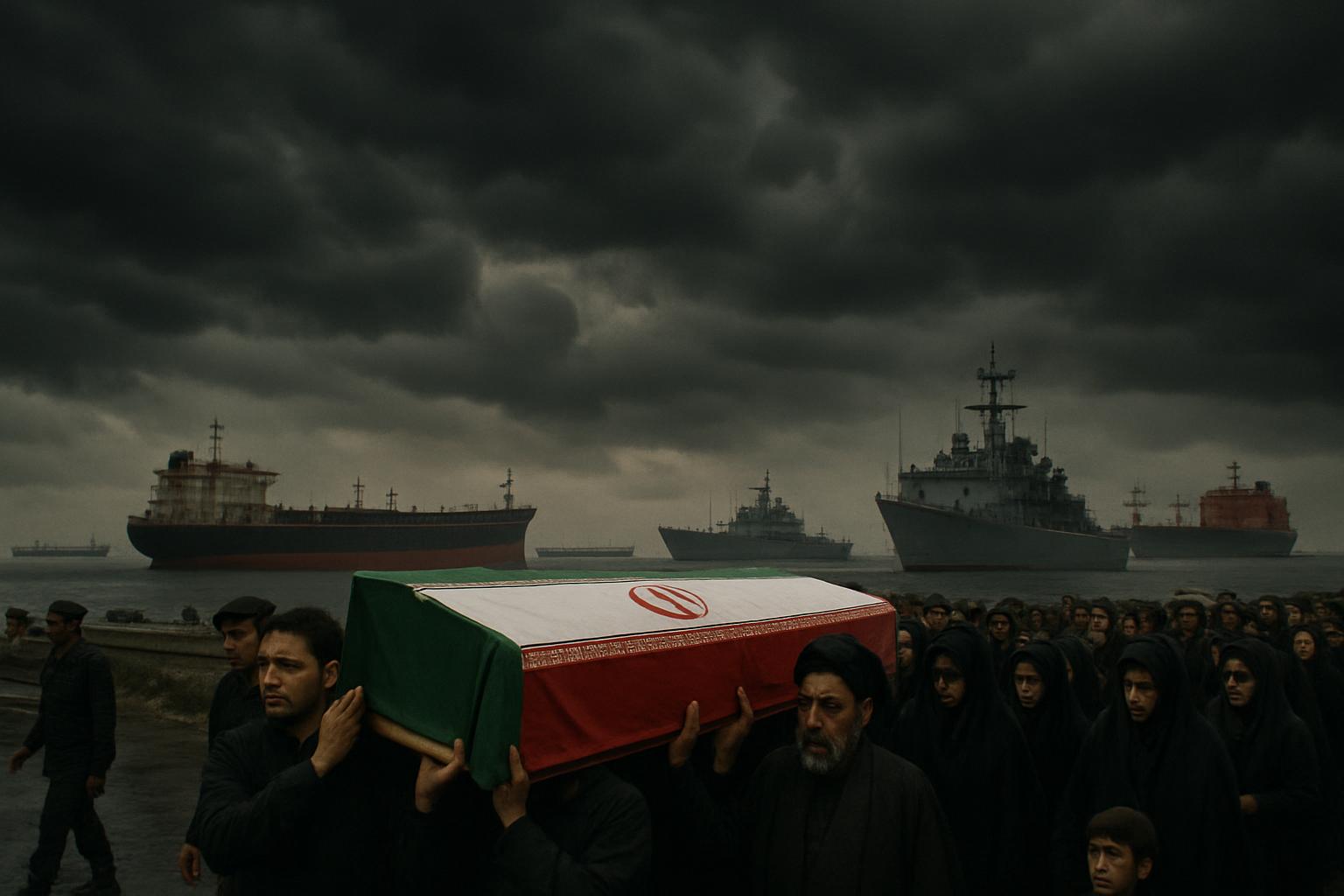
Iran Postpones Khamenei Funeral Amid Escalating US-Israeli Strikes

Tech Giants Pledge to Cover AI Data Center Energy Costs Amid Rising Electricity Concerns
Trump and Netanyahu Discuss Gaza Ceasefire Amid Ongoing Negotiations
In This Article
 Ethan Brooks| Published
 HIGHLIGHTS
- US President Donald Trump and Israeli Prime Minister Benjamin Netanyahu discussed Gaza ceasefire talks in Washington, expressing optimism about ongoing negotiations.
- Trump was nominated for the Nobel Peace Prize by Netanyahu, highlighting his efforts in Middle East peace negotiations.
- Indirect talks between Israel and Hamas in Qatar have yet to yield a breakthrough, with significant issues like humanitarian aid and military withdrawal still unresolved.
- Former Hamas hostage Keith Siegel praised Trump for his role in securing his release and urged further efforts to free remaining captives.
- The proposed ceasefire includes a phased release of hostages and Palestinian prisoners, but disagreements persist over the terms and conditions.
In a pivotal meeting at the White House, US President Donald Trump and Israeli Prime Minister Benjamin Netanyahu expressed optimism about the prospects of a ceasefire in Gaza. The discussions come amid ongoing indirect negotiations between Israel and Hamas in Qatar, aimed at ending the 21-month conflict that has claimed tens of thousands of lives.
Ceasefire Talks and Hostage Release
The meeting between Trump and Netanyahu coincided with indirect talks in Qatar, where negotiators from Israel and Hamas have been working to reach a ceasefire agreement. The proposed plan includes a phased release of 28 hostages held by Hamas and the exchange of Palestinian prisoners in Israeli jails. However, significant hurdles remain, particularly concerning the withdrawal of Israeli troops and the management of humanitarian aid in Gaza.
Nobel Peace Prize Nomination
During the meeting, Netanyahu announced his nomination of Trump for the Nobel Peace Prize, citing the US president's efforts to broker peace in the Middle East. "He's forging peace as we speak," Netanyahu remarked, presenting Trump with a letter to the prize committee. This nomination underscores the high stakes and international attention surrounding the ongoing negotiations.
Humanitarian Concerns and Legal Challenges
Despite the positive rhetoric, the talks face substantial challenges. Hamas has demanded guarantees that hostilities will not resume post-ceasefire, while Israel insists on maintaining security control over Gaza. Legal experts have criticized Israeli plans for relocating Palestinians as potential crimes against humanity, adding another layer of complexity to the negotiations.
Personal Accounts and Human Impact
Former hostage Keith Siegel, who was released after 484 days in captivity, praised Trump for his role in securing his freedom. Siegel urged continued efforts to release the remaining hostages, emphasizing the urgency of resolving the humanitarian crisis. His account highlights the personal toll of the conflict and the pressing need for a sustainable peace agreement.
WHAT THIS MIGHT MEAN
The outcome of the Trump-Netanyahu meeting and the ongoing talks in Qatar could significantly influence the future of the Israel-Palestine conflict. A successful ceasefire would not only alleviate the humanitarian crisis in Gaza but also bolster Trump's standing as a peace negotiator, potentially impacting his political capital domestically and internationally. However, failure to address key issues like military withdrawal and humanitarian aid could lead to renewed hostilities, further complicating the path to peace. As negotiations continue, the international community will be watching closely, with hopes that a resolution can be reached that respects the rights and dignity of all parties involved.
Related Articles
Senate Blocks Resolution to Limit Trump's Military Actions in Iran
Spain's Sánchez Stands Firm Against Trump's Trade Threat Over Iran Stance
US and Israel Intensify Military Campaign as Iran's Capabilities Dwindle
Intensified US-Israel Strikes on Iran Spark Global Outcry
Iran Postpones Khamenei Funeral Amid Escalating US-Israeli Strikes
Tech Giants Pledge to Cover AI Data Center Energy Costs Amid Rising Electricity Concerns