
Trump Administration Orders States to Cut Food Aid Amid Legal Battle
In This Article
HIGHLIGHTS
- The Trump administration has instructed states to halt full Supplemental Nutrition Assistance Program (SNAP) benefits, citing a Supreme Court order.
- States are directed to retract any SNAP benefits exceeding 65% for November 2025, impacting over 42 million Americans.
- The USDA memo warns states of potential funding cancellations if they fail to comply with the directive.
- Governors from states like Wisconsin and Massachusetts have publicly opposed the directive, citing legal and humanitarian concerns.
- The legal battle over SNAP funding continues amid the longest government shutdown in US history.
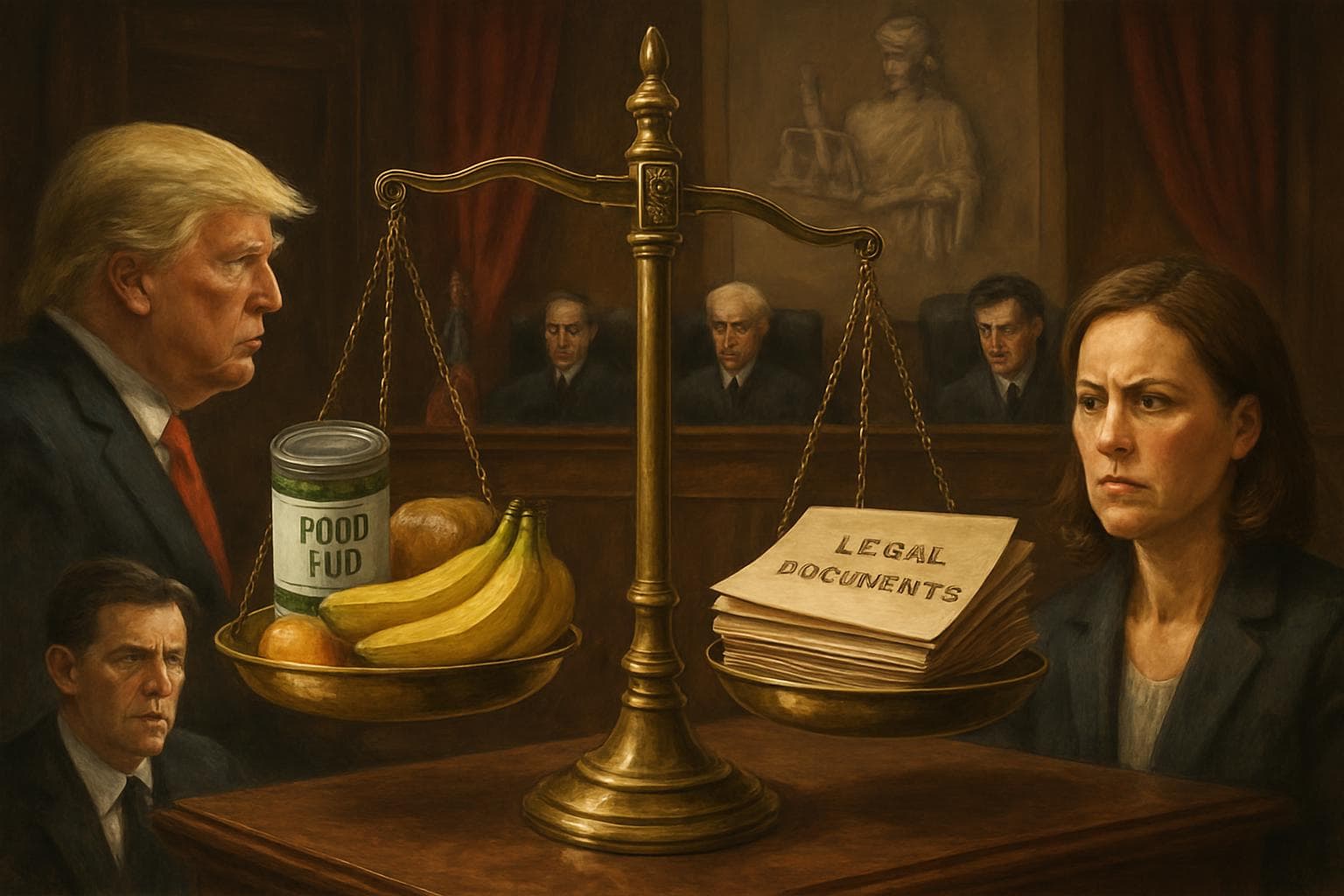
The Trump administration has issued a directive to US states to cease providing full food aid benefits to low-income families, following a Supreme Court decision that temporarily halted a lower court's order. The US Department of Agriculture (USDA) has instructed states to limit Supplemental Nutrition Assistance Program (SNAP) benefits to 65% for November 2025, affecting over 42 million Americans who rely on this assistance.
Supreme Court Intervention
The Supreme Court's emergency order on Friday allowed the Trump administration to withhold $4 billion in SNAP funding while an appeal is underway. This decision reversed a lower court ruling that had mandated full funding of the program during the ongoing government shutdown, now in its 40th day. The USDA's memo, issued on Saturday, declared any full benefits distributed as "unauthorized" and warned states of potential repercussions, including the cancellation of federal funding for administrative costs.
State Reactions and Defiance
Several states, including New York, Massachusetts, California, Wisconsin, and Pennsylvania, had begun issuing full SNAP benefits following the lower court's directive. However, the USDA's latest guidance has sparked defiance among state leaders. Wisconsin Governor Tony Evers and Massachusetts Governor Maura Healey have publicly opposed the directive. Governor Healey stated, "If President Trump wants to penalize states for preventing Americans from going hungry, we will see him in court."
Legal and Humanitarian Concerns
The USDA's directive has raised questions about its applicability to states using their own funds to support SNAP. Republican Senator Lisa Murkowski of Alaska expressed concern, stating it would be "shocking" if states using their resources were penalized. The legal battle over SNAP funding underscores the broader challenges faced by millions of Americans during the longest government shutdown in US history.
WHAT THIS MIGHT MEAN
As the legal battle over SNAP funding continues, the implications for low-income families remain significant. If the Trump administration's appeal is successful, states may face increased pressure to find alternative funding sources to support their residents. The ongoing government shutdown further complicates the situation, potentially leading to prolonged uncertainty for SNAP recipients. Legal experts suggest that the case could set a precedent for federal-state relations concerning welfare programs, highlighting the delicate balance between federal directives and state autonomy.
Related Articles

Iran Postpones Khamenei Funeral Amid Escalating US-Israeli Strikes

US-Iran Tensions Escalate Amid Renewed Nuclear Talks and Protests

Canada Calls for De-escalation Amid US-Israel Strikes on Iran
Trump's New Tariff Strategy Sparks Global Trade Uncertainty
Historic Nor'easter Storm Paralyzes US North-East with Blizzard Warnings and Travel Bans
Trump Raises Import Tariffs to 15% After Supreme Court Setback
Trump Administration Orders States to Cut Food Aid Amid Legal Battle
In This Article
 Ethan Brooks| Published
 HIGHLIGHTS
- The Trump administration has instructed states to halt full Supplemental Nutrition Assistance Program (SNAP) benefits, citing a Supreme Court order.
- States are directed to retract any SNAP benefits exceeding 65% for November 2025, impacting over 42 million Americans.
- The USDA memo warns states of potential funding cancellations if they fail to comply with the directive.
- Governors from states like Wisconsin and Massachusetts have publicly opposed the directive, citing legal and humanitarian concerns.
- The legal battle over SNAP funding continues amid the longest government shutdown in US history.
The Trump administration has issued a directive to US states to cease providing full food aid benefits to low-income families, following a Supreme Court decision that temporarily halted a lower court's order. The US Department of Agriculture (USDA) has instructed states to limit Supplemental Nutrition Assistance Program (SNAP) benefits to 65% for November 2025, affecting over 42 million Americans who rely on this assistance.
Supreme Court Intervention
The Supreme Court's emergency order on Friday allowed the Trump administration to withhold $4 billion in SNAP funding while an appeal is underway. This decision reversed a lower court ruling that had mandated full funding of the program during the ongoing government shutdown, now in its 40th day. The USDA's memo, issued on Saturday, declared any full benefits distributed as "unauthorized" and warned states of potential repercussions, including the cancellation of federal funding for administrative costs.
State Reactions and Defiance
Several states, including New York, Massachusetts, California, Wisconsin, and Pennsylvania, had begun issuing full SNAP benefits following the lower court's directive. However, the USDA's latest guidance has sparked defiance among state leaders. Wisconsin Governor Tony Evers and Massachusetts Governor Maura Healey have publicly opposed the directive. Governor Healey stated, "If President Trump wants to penalize states for preventing Americans from going hungry, we will see him in court."
Legal and Humanitarian Concerns
The USDA's directive has raised questions about its applicability to states using their own funds to support SNAP. Republican Senator Lisa Murkowski of Alaska expressed concern, stating it would be "shocking" if states using their resources were penalized. The legal battle over SNAP funding underscores the broader challenges faced by millions of Americans during the longest government shutdown in US history.
WHAT THIS MIGHT MEAN
As the legal battle over SNAP funding continues, the implications for low-income families remain significant. If the Trump administration's appeal is successful, states may face increased pressure to find alternative funding sources to support their residents. The ongoing government shutdown further complicates the situation, potentially leading to prolonged uncertainty for SNAP recipients. Legal experts suggest that the case could set a precedent for federal-state relations concerning welfare programs, highlighting the delicate balance between federal directives and state autonomy.
Related Articles
Iran Postpones Khamenei Funeral Amid Escalating US-Israeli Strikes
US-Iran Tensions Escalate Amid Renewed Nuclear Talks and Protests
Canada Calls for De-escalation Amid US-Israel Strikes on Iran
Trump's New Tariff Strategy Sparks Global Trade Uncertainty
Historic Nor'easter Storm Paralyzes US North-East with Blizzard Warnings and Travel Bans
Trump Raises Import Tariffs to 15% After Supreme Court Setback