
Trump and Xi Discuss Trade and Taiwan Amid Plans for State Visits
In This Article
HIGHLIGHTS
- President Donald Trump plans to visit China in April following a phone call with Chinese President Xi Jinping, who is expected to visit the US in 2026.
- The leaders discussed trade, Taiwan, and Russia's invasion of Ukraine, with a focus on maintaining a trade truce and reducing fentanyl tariffs.
- Xi emphasized Taiwan's return to China as part of the post-war international order, a stance strongly opposed by Taiwan's government.
- The US has reduced a 20% tariff on Chinese goods, while China delayed new rare earth export controls, signaling a temporary easing of trade tensions.
- Japan's Prime Minister Sanae Takaichi warned of potential military intervention if China attacks Taiwan, highlighting regional security concerns.
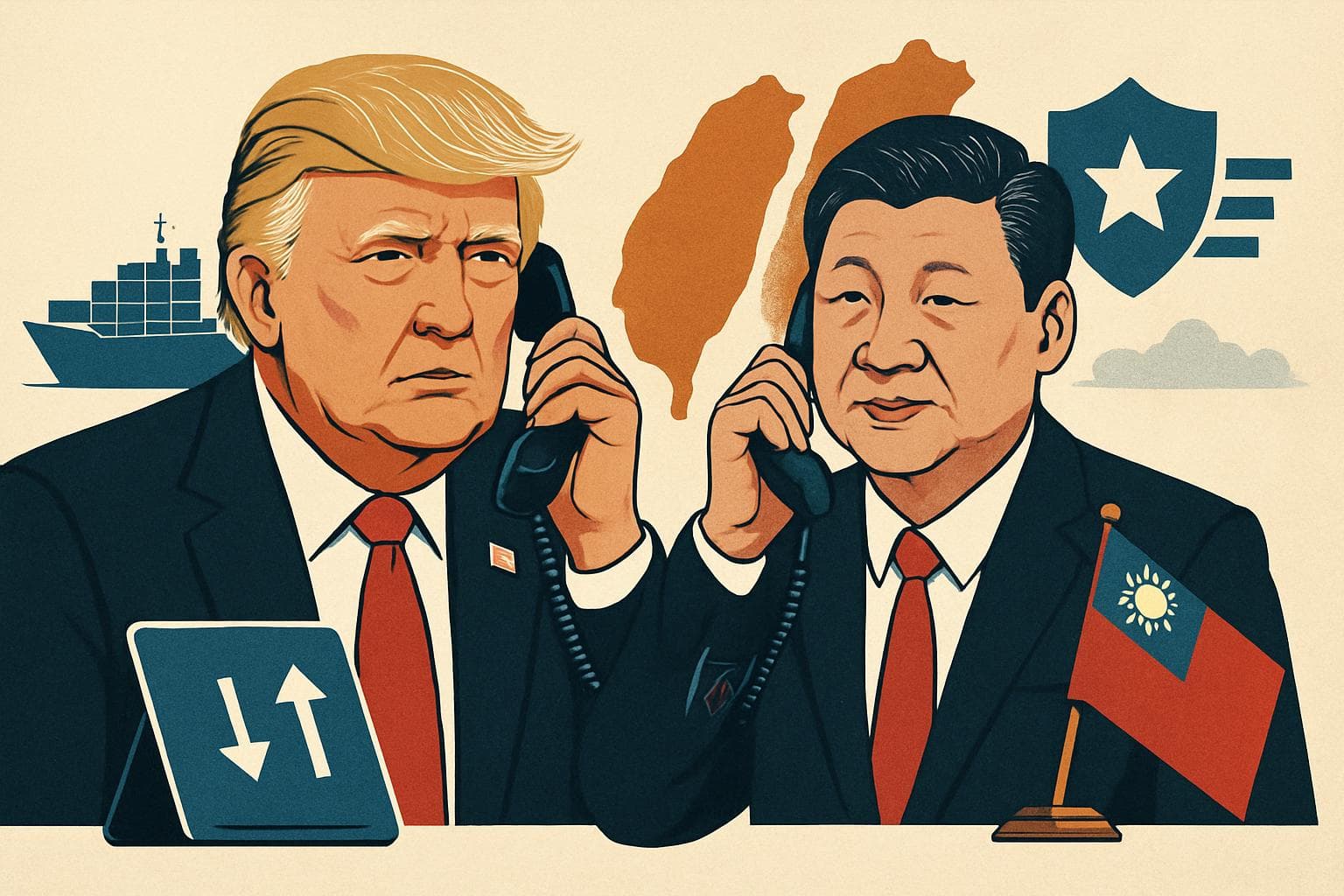
In a significant diplomatic development, President Donald Trump has announced plans to visit China in April following a recent phone call with Chinese President Xi Jinping. The conversation, which lasted about an hour, covered a range of pressing issues, including trade relations, Taiwan's sovereignty, and the ongoing conflict in Ukraine. Xi is expected to reciprocate with a visit to the United States in 2026.
Strengthening US-China Relations
The dialogue between Trump and Xi comes after their meeting in Busan, South Korea, in October, where they agreed to a temporary truce on tariffs. The United States has since halved a 20% tariff on Chinese goods, aimed at curbing the flow of fentanyl, while China has postponed its planned rare earth export controls. "Our relationship with China is extremely strong!" Trump declared in a Truth Social post, reflecting the positive trajectory of US-China relations.
Taiwan's Sovereignty in Focus
A major point of discussion was Taiwan, with Xi reiterating China's claim over the self-governing island. He described Taiwan's return to China as integral to the post-war international order, a position firmly rejected by Taiwan's government. "For the 23 million people of our nation, 'return' is not an option," stated Taiwan Premier Cho Jung-tai, emphasizing the island's sovereignty.
Regional Security Concerns
The conversation between Trump and Xi also touched on regional security issues, particularly the tensions surrounding Taiwan. Japan's Prime Minister Sanae Takaichi has warned of potential military intervention should China attempt to annex Taiwan by force. This stance underscores the strategic importance of the US-Japan alliance in maintaining stability in the Indo-Pacific region.
WHAT THIS MIGHT MEAN
The upcoming visits by Trump and Xi could mark a pivotal moment in US-China relations, potentially easing trade tensions and fostering cooperation on global issues. However, the contentious issue of Taiwan's sovereignty remains a significant hurdle. As China continues to assert its claims, the international community, particularly US allies like Japan, may face increased pressure to respond. The evolving dynamics of the US-China relationship will likely influence global trade policies and regional security strategies in the coming years.
Related Articles
US Supreme Court Ruling Sparks Trade Uncertainty in Asia and Beyond

UK Faces Dilemmas Amid Iran Conflict and China Spying Allegations
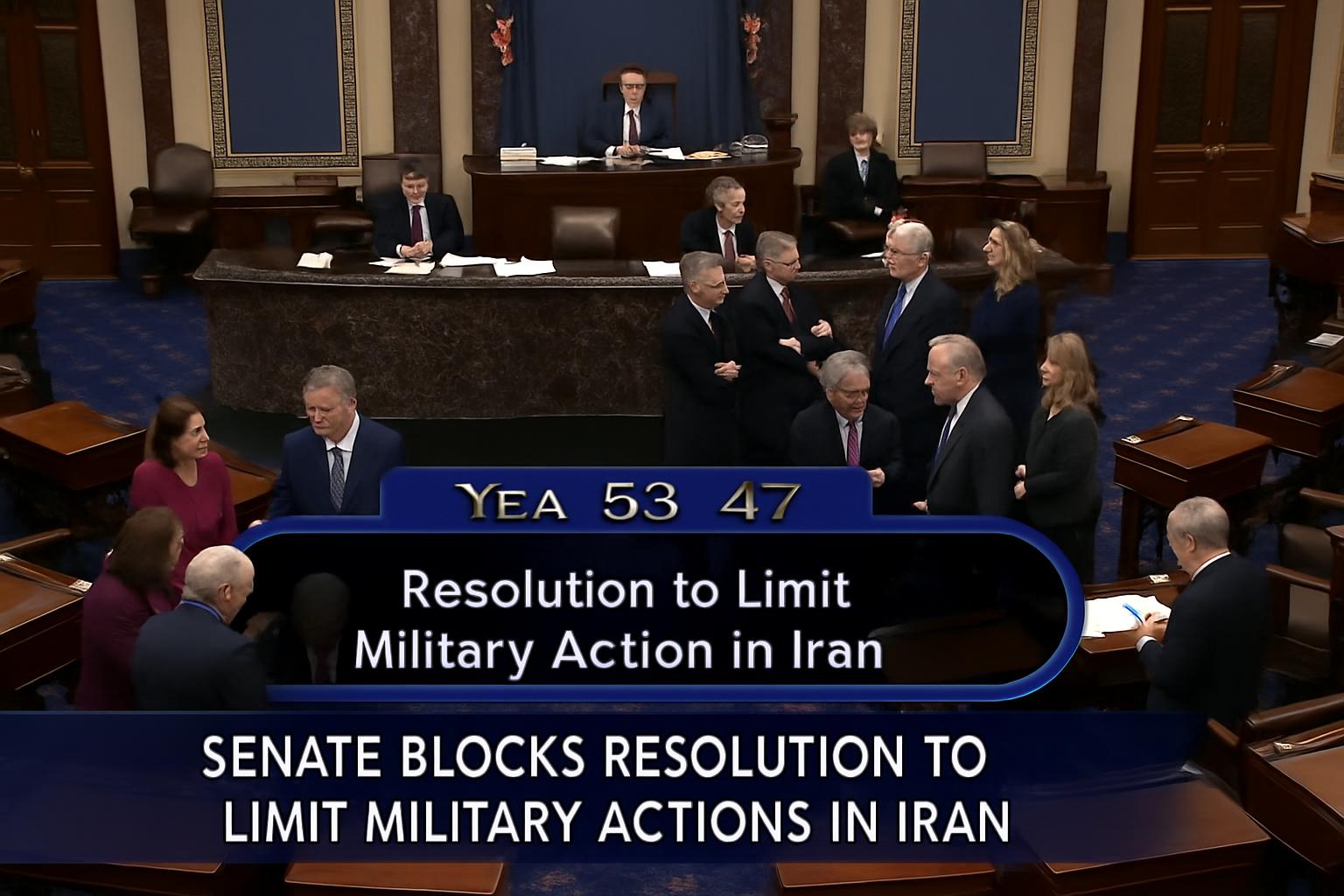
Senate Blocks Resolution to Limit Trump's Military Actions in Iran

Spain's Sánchez Stands Firm Against Trump's Trade Threat Over Iran Stance

Iran Postpones Khamenei Funeral Amid Escalating US-Israeli Strikes
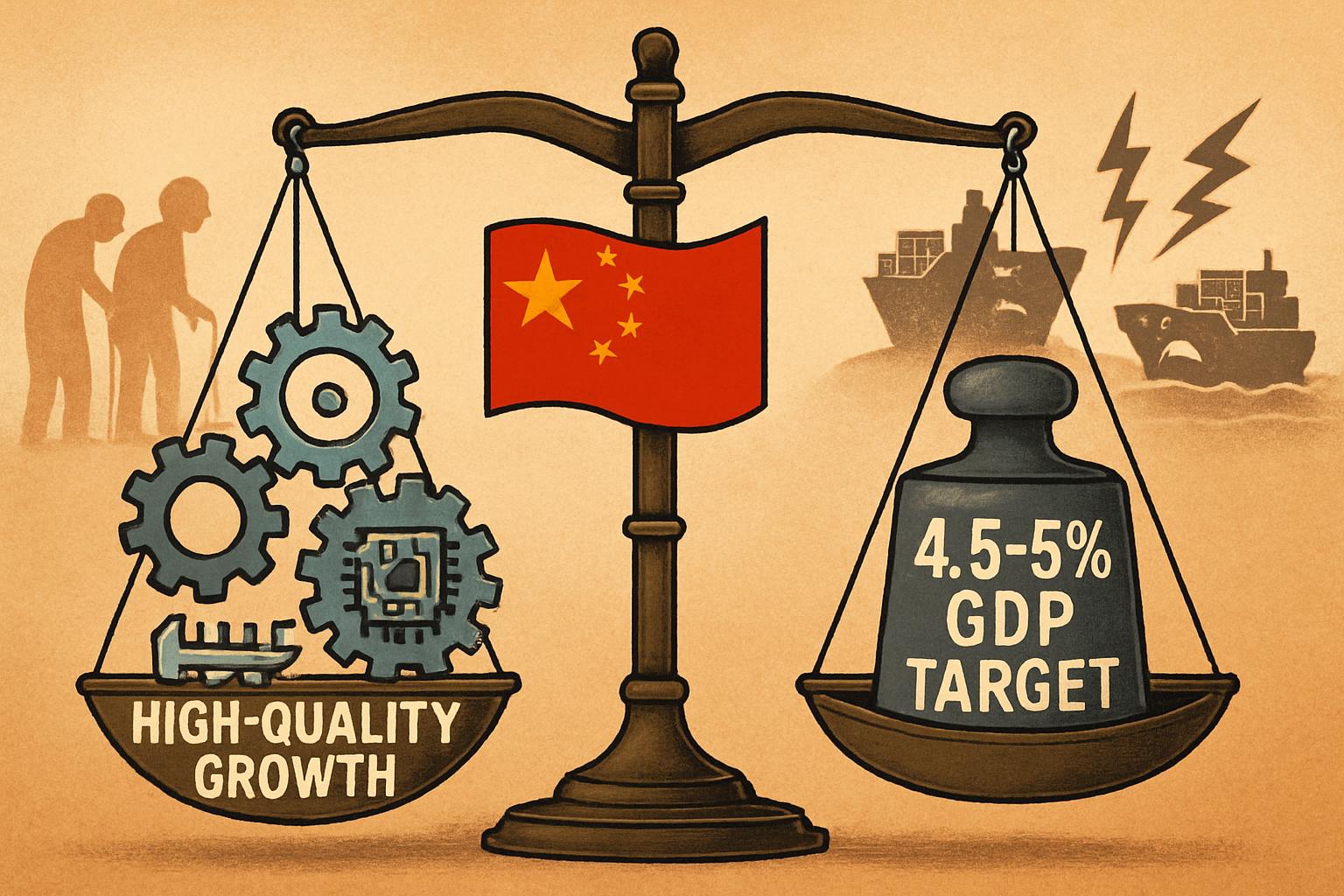
China Sets Lowest GDP Growth Target in Decades Amid Economic Challenges
Trump and Xi Discuss Trade and Taiwan Amid Plans for State Visits
In This Article
 Ethan Brooks| Published
 HIGHLIGHTS
- President Donald Trump plans to visit China in April following a phone call with Chinese President Xi Jinping, who is expected to visit the US in 2026.
- The leaders discussed trade, Taiwan, and Russia's invasion of Ukraine, with a focus on maintaining a trade truce and reducing fentanyl tariffs.
- Xi emphasized Taiwan's return to China as part of the post-war international order, a stance strongly opposed by Taiwan's government.
- The US has reduced a 20% tariff on Chinese goods, while China delayed new rare earth export controls, signaling a temporary easing of trade tensions.
- Japan's Prime Minister Sanae Takaichi warned of potential military intervention if China attacks Taiwan, highlighting regional security concerns.
In a significant diplomatic development, President Donald Trump has announced plans to visit China in April following a recent phone call with Chinese President Xi Jinping. The conversation, which lasted about an hour, covered a range of pressing issues, including trade relations, Taiwan's sovereignty, and the ongoing conflict in Ukraine. Xi is expected to reciprocate with a visit to the United States in 2026.
Strengthening US-China Relations
The dialogue between Trump and Xi comes after their meeting in Busan, South Korea, in October, where they agreed to a temporary truce on tariffs. The United States has since halved a 20% tariff on Chinese goods, aimed at curbing the flow of fentanyl, while China has postponed its planned rare earth export controls. "Our relationship with China is extremely strong!" Trump declared in a Truth Social post, reflecting the positive trajectory of US-China relations.
Taiwan's Sovereignty in Focus
A major point of discussion was Taiwan, with Xi reiterating China's claim over the self-governing island. He described Taiwan's return to China as integral to the post-war international order, a position firmly rejected by Taiwan's government. "For the 23 million people of our nation, 'return' is not an option," stated Taiwan Premier Cho Jung-tai, emphasizing the island's sovereignty.
Regional Security Concerns
The conversation between Trump and Xi also touched on regional security issues, particularly the tensions surrounding Taiwan. Japan's Prime Minister Sanae Takaichi has warned of potential military intervention should China attempt to annex Taiwan by force. This stance underscores the strategic importance of the US-Japan alliance in maintaining stability in the Indo-Pacific region.
WHAT THIS MIGHT MEAN
The upcoming visits by Trump and Xi could mark a pivotal moment in US-China relations, potentially easing trade tensions and fostering cooperation on global issues. However, the contentious issue of Taiwan's sovereignty remains a significant hurdle. As China continues to assert its claims, the international community, particularly US allies like Japan, may face increased pressure to respond. The evolving dynamics of the US-China relationship will likely influence global trade policies and regional security strategies in the coming years.
Related Articles
US Supreme Court Ruling Sparks Trade Uncertainty in Asia and Beyond
UK Faces Dilemmas Amid Iran Conflict and China Spying Allegations
Senate Blocks Resolution to Limit Trump's Military Actions in Iran
Spain's Sánchez Stands Firm Against Trump's Trade Threat Over Iran Stance
Iran Postpones Khamenei Funeral Amid Escalating US-Israeli Strikes
China Sets Lowest GDP Growth Target in Decades Amid Economic Challenges