
Trump's Executive Order Marks Major Shift in US Cannabis Policy
In This Article
HIGHLIGHTS
- President Trump signed an executive order to reclassify cannabis from a Schedule I to a Schedule III drug, marking a significant shift in US drug policy.
- The reclassification aims to facilitate medical research and ease tax burdens on cannabis businesses, though cannabis remains illegal federally.
- The order includes provisions for expanding access to CBD and developing research methods to study its health effects.
- Republican lawmakers expressed concerns, arguing the move could normalize cannabis use and complicate federal enforcement.
- The reclassification aligns cannabis with drugs like ketamine, acknowledging its medical benefits and lower abuse potential.
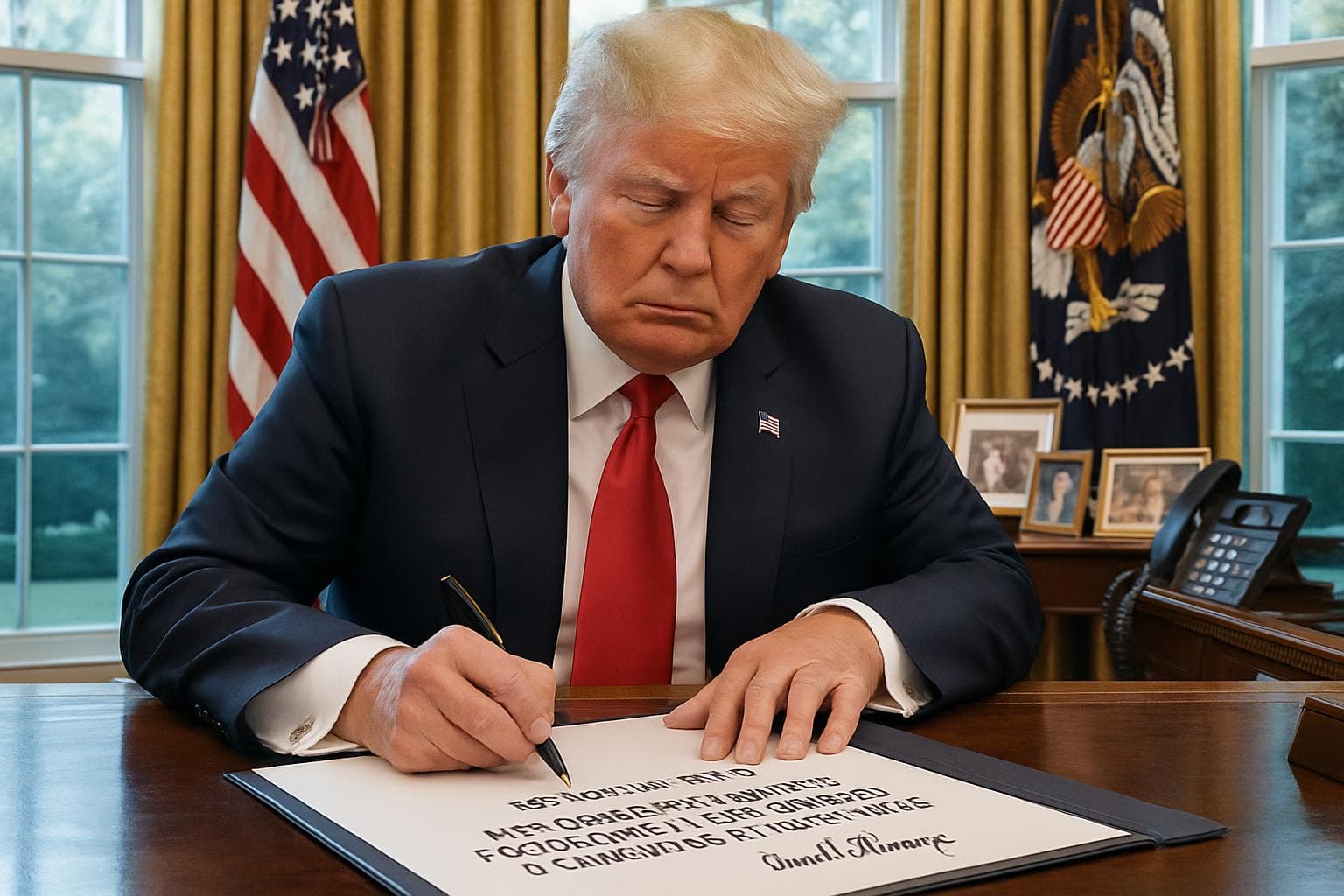
In a landmark move, President Donald Trump has signed an executive order to reclassify cannabis from a Schedule I to a Schedule III controlled substance. This decision, announced from the Oval Office on Thursday, represents the most significant shift in US drug policy in decades, aiming to expand medical research and alleviate regulatory burdens on the cannabis industry.
Reclassification and Its Implications
By moving cannabis to Schedule III, the federal government acknowledges its medical benefits and reduces its perceived risk of abuse. This reclassification aligns cannabis with substances like ketamine and certain prescription pain medications. While the change does not legalize cannabis federally, it allows for expanded research into its potential health benefits and risks. The move also has tax implications for state-authorized cannabis dispensaries, which have faced restrictions under current federal tax regulations.
Facilitating Medical Research and CBD Access
The executive order directs the Department of Health and Human Services to develop research methods to study the long-term effects of medical marijuana and hemp-derived cannabinoid products. Additionally, the order seeks to expand access to cannabidiol (CBD), a non-psychoactive compound, by working with Congress to ensure appropriate availability while restricting products that pose health risks. A pilot program will also reimburse Medicare patients for CBD products.
Mixed Reactions and Political Challenges
While the reclassification has been praised by cannabis reform advocates, it has met resistance from some Republican lawmakers. A group of 22 Republican Senators expressed concerns that the move could normalize cannabis use and complicate federal enforcement efforts. Despite these challenges, organizations like the Coalition of Cannabis Scheduling Reform view the order as a fundamental shift in government and social perceptions of cannabis.
Public Opinion and Future Prospects
Public opinion on cannabis has evolved, with Pew Research indicating that a majority of Americans support its legalization for medical and recreational use. The executive order reflects this changing sentiment, though it stops short of altering criminal justice laws related to cannabis. As the Drug Enforcement Administration begins the formal rule-making process, the reclassification could pave the way for further reforms in US cannabis policy.
WHAT THIS MIGHT MEAN
The reclassification of cannabis to a Schedule III substance could have far-reaching implications for the US cannabis industry and drug policy. By facilitating research and easing regulatory burdens, the order may encourage investment and innovation within the industry. However, the continued federal illegality of cannabis poses challenges for law enforcement and regulatory consistency across states.
Politically, the move may influence future legislative efforts to further reform cannabis laws, particularly as public support for legalization grows. Experts suggest that the reclassification could serve as a stepping stone toward broader federal legalization, though significant legal and political hurdles remain. As the DEA and other federal agencies implement the order, the impact on cannabis businesses and consumers will become clearer, potentially shaping the future landscape of US drug policy.
Related Articles

Greenland Politely Declines Trump's Hospital Ship Offer Amid Healthcare Debate

Tech Giants Pledge to Cover AI Data Center Energy Costs Amid Rising Electricity Concerns
Congress Subpoenas Attorney General Bondi in Epstein Investigation

Cuba Faces Widespread Blackout Amid Deepening Fuel Crisis

UK Faces Dilemmas Amid Iran Conflict and China Spying Allegations
Senate Blocks Resolution to Limit Trump's Military Actions in Iran
Trump's Executive Order Marks Major Shift in US Cannabis Policy
In This Article
 Maya Singh| Published
 HIGHLIGHTS
- President Trump signed an executive order to reclassify cannabis from a Schedule I to a Schedule III drug, marking a significant shift in US drug policy.
- The reclassification aims to facilitate medical research and ease tax burdens on cannabis businesses, though cannabis remains illegal federally.
- The order includes provisions for expanding access to CBD and developing research methods to study its health effects.
- Republican lawmakers expressed concerns, arguing the move could normalize cannabis use and complicate federal enforcement.
- The reclassification aligns cannabis with drugs like ketamine, acknowledging its medical benefits and lower abuse potential.
In a landmark move, President Donald Trump has signed an executive order to reclassify cannabis from a Schedule I to a Schedule III controlled substance. This decision, announced from the Oval Office on Thursday, represents the most significant shift in US drug policy in decades, aiming to expand medical research and alleviate regulatory burdens on the cannabis industry.
Reclassification and Its Implications
By moving cannabis to Schedule III, the federal government acknowledges its medical benefits and reduces its perceived risk of abuse. This reclassification aligns cannabis with substances like ketamine and certain prescription pain medications. While the change does not legalize cannabis federally, it allows for expanded research into its potential health benefits and risks. The move also has tax implications for state-authorized cannabis dispensaries, which have faced restrictions under current federal tax regulations.
Facilitating Medical Research and CBD Access
The executive order directs the Department of Health and Human Services to develop research methods to study the long-term effects of medical marijuana and hemp-derived cannabinoid products. Additionally, the order seeks to expand access to cannabidiol (CBD), a non-psychoactive compound, by working with Congress to ensure appropriate availability while restricting products that pose health risks. A pilot program will also reimburse Medicare patients for CBD products.
Mixed Reactions and Political Challenges
While the reclassification has been praised by cannabis reform advocates, it has met resistance from some Republican lawmakers. A group of 22 Republican Senators expressed concerns that the move could normalize cannabis use and complicate federal enforcement efforts. Despite these challenges, organizations like the Coalition of Cannabis Scheduling Reform view the order as a fundamental shift in government and social perceptions of cannabis.
Public Opinion and Future Prospects
Public opinion on cannabis has evolved, with Pew Research indicating that a majority of Americans support its legalization for medical and recreational use. The executive order reflects this changing sentiment, though it stops short of altering criminal justice laws related to cannabis. As the Drug Enforcement Administration begins the formal rule-making process, the reclassification could pave the way for further reforms in US cannabis policy.
WHAT THIS MIGHT MEAN
The reclassification of cannabis to a Schedule III substance could have far-reaching implications for the US cannabis industry and drug policy. By facilitating research and easing regulatory burdens, the order may encourage investment and innovation within the industry. However, the continued federal illegality of cannabis poses challenges for law enforcement and regulatory consistency across states.
Politically, the move may influence future legislative efforts to further reform cannabis laws, particularly as public support for legalization grows. Experts suggest that the reclassification could serve as a stepping stone toward broader federal legalization, though significant legal and political hurdles remain. As the DEA and other federal agencies implement the order, the impact on cannabis businesses and consumers will become clearer, potentially shaping the future landscape of US drug policy.
Related Articles
Greenland Politely Declines Trump's Hospital Ship Offer Amid Healthcare Debate
Tech Giants Pledge to Cover AI Data Center Energy Costs Amid Rising Electricity Concerns
Congress Subpoenas Attorney General Bondi in Epstein Investigation
Cuba Faces Widespread Blackout Amid Deepening Fuel Crisis
UK Faces Dilemmas Amid Iran Conflict and China Spying Allegations
Senate Blocks Resolution to Limit Trump's Military Actions in Iran