
Trump's Bold Moves in Venezuela and Greenland Stir Global Controversy
In This Article
HIGHLIGHTS
- Donald Trump orchestrated a controversial military operation to depose Venezuelan President Nicolás Maduro, raising concerns about international law violations.
- The US now claims control over Venezuela's oil industry, with Trump asserting a long-term presence in the country.
- Trump's actions have sparked international criticism and fears of a return to imperialistic foreign policies reminiscent of the Monroe Doctrine.
- The Trump administration's rhetoric suggests a shift towards prioritizing national strength over international norms.
- Trump's interest in acquiring Greenland has resurfaced, highlighting tensions between US ambitions and existing international alliances.
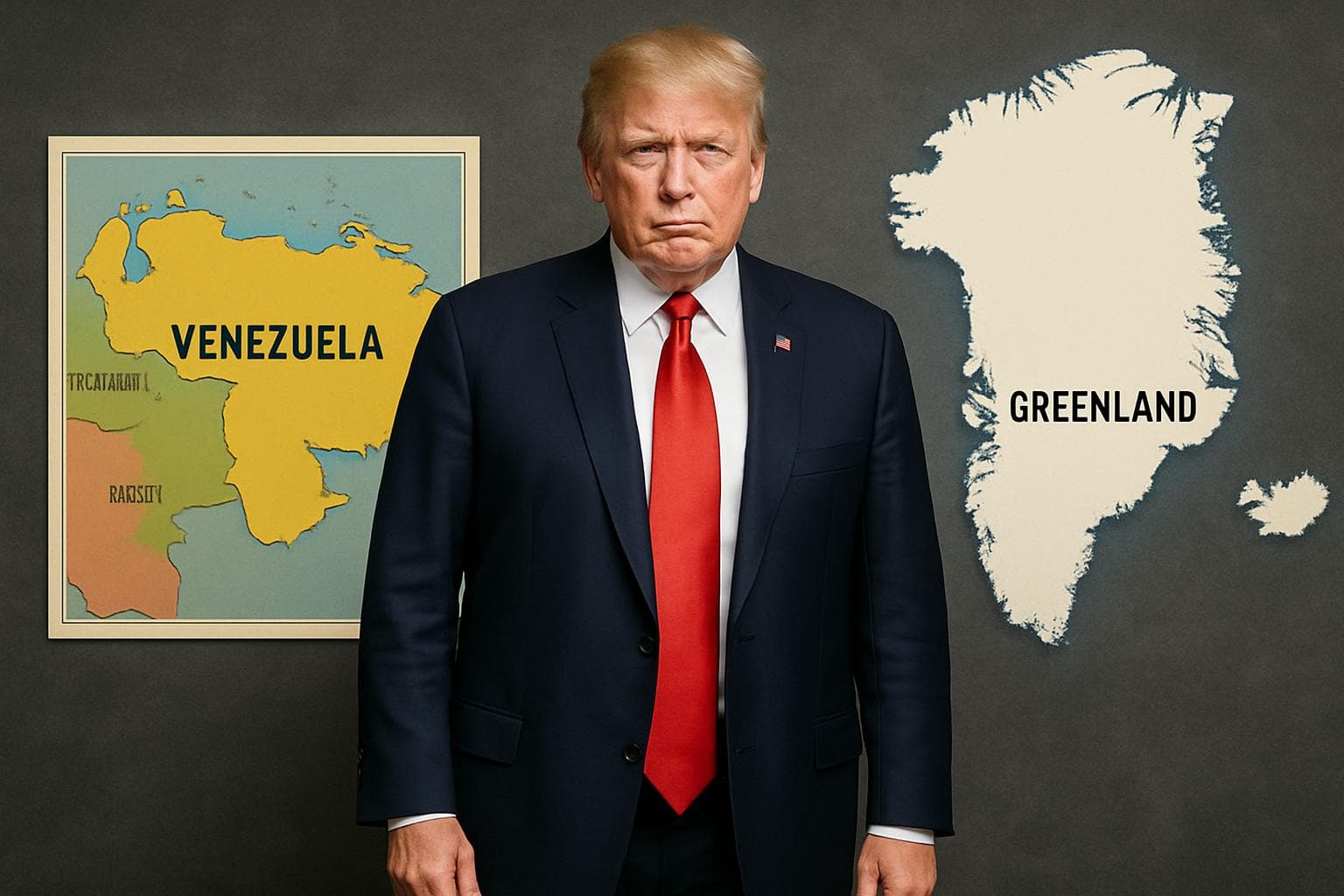
In a dramatic turn of events, former US President Donald Trump has executed a military operation that led to the ousting of Venezuelan President Nicolás Maduro. This bold move has sparked widespread debate over its legality and implications for international relations. The operation, which took place just days ago, saw Maduro captured and transported to New York to face federal charges, while Trump declared US control over Venezuela's oil resources.
US Foreign Policy Under Scrutiny
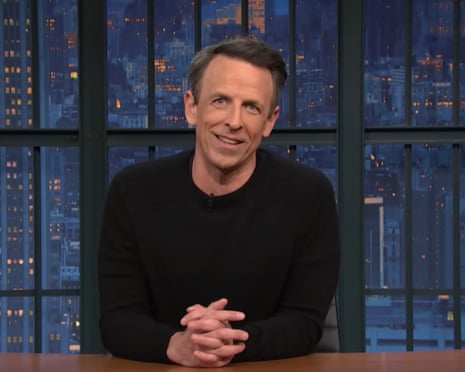
The intervention has drawn sharp criticism from global leaders and international bodies, who argue that it violates international law. Trump's unilateral decision to intervene in Venezuela has been described as a dangerous precedent, with United Nations officials expressing deep concern over the implications for global governance. Late-night host Seth Meyers humorously criticized the administration's rhetoric, likening it to a "law of the jungle" approach.
Reviving the Monroe Doctrine
Trump's actions have been compared to a modern-day Monroe Doctrine, a policy originally established in 1823 to deter European interference in the Americas. Trump, however, has taken this doctrine further, asserting American dominance in the Western Hemisphere and warning other powers, particularly China, to stay out of Latin America. This aggressive stance has raised questions about the future of US foreign policy and its impact on global power dynamics.
Greenland: A New Frontier?
In addition to the Venezuelan operation, Trump has reignited his interest in acquiring Greenland, a move that has puzzled many international observers. Despite Greenland's strategic importance, Trump's suggestion of using military force to secure the territory has been met with skepticism. The former president's comments have underscored a potential conflict between expanding US territory and maintaining alliances, particularly with NATO members like Denmark.
A Shift in Global Power Dynamics
Trump's recent actions and statements reflect a broader shift towards prioritizing national strength and military power over established international norms. In a candid interview with the New York Times, Trump dismissed the relevance of international law, emphasizing his own moral compass as the guiding principle for his decisions. This approach has raised concerns about the erosion of the rules-based international order that has governed global relations for decades.
WHAT THIS MIGHT MEAN
The international community is closely monitoring the situation in Venezuela, with potential legal challenges and diplomatic repercussions on the horizon. If Trump's actions are deemed a violation of international law, it could lead to sanctions or other punitive measures against the US. Additionally, the long-term impact on US-Latin American relations remains uncertain, as countries in the region may seek to distance themselves from American influence.
Trump's interest in Greenland could further strain US-European relations, particularly if military force is considered. The potential acquisition of Greenland raises questions about the future of NATO and the balance of power in the Arctic region. As the world grapples with these developments, experts suggest that a return to multilateral diplomacy and adherence to international norms may be necessary to prevent further destabilization.
Images from the Web
Related Articles
Spain's Sánchez Stands Firm Against Trump's Trade Threat Over Iran Stance

Intensified US-Israel Strikes on Iran Spark Global Outcry
Senate Blocks Resolution to Limit Trump's Military Actions in Iran
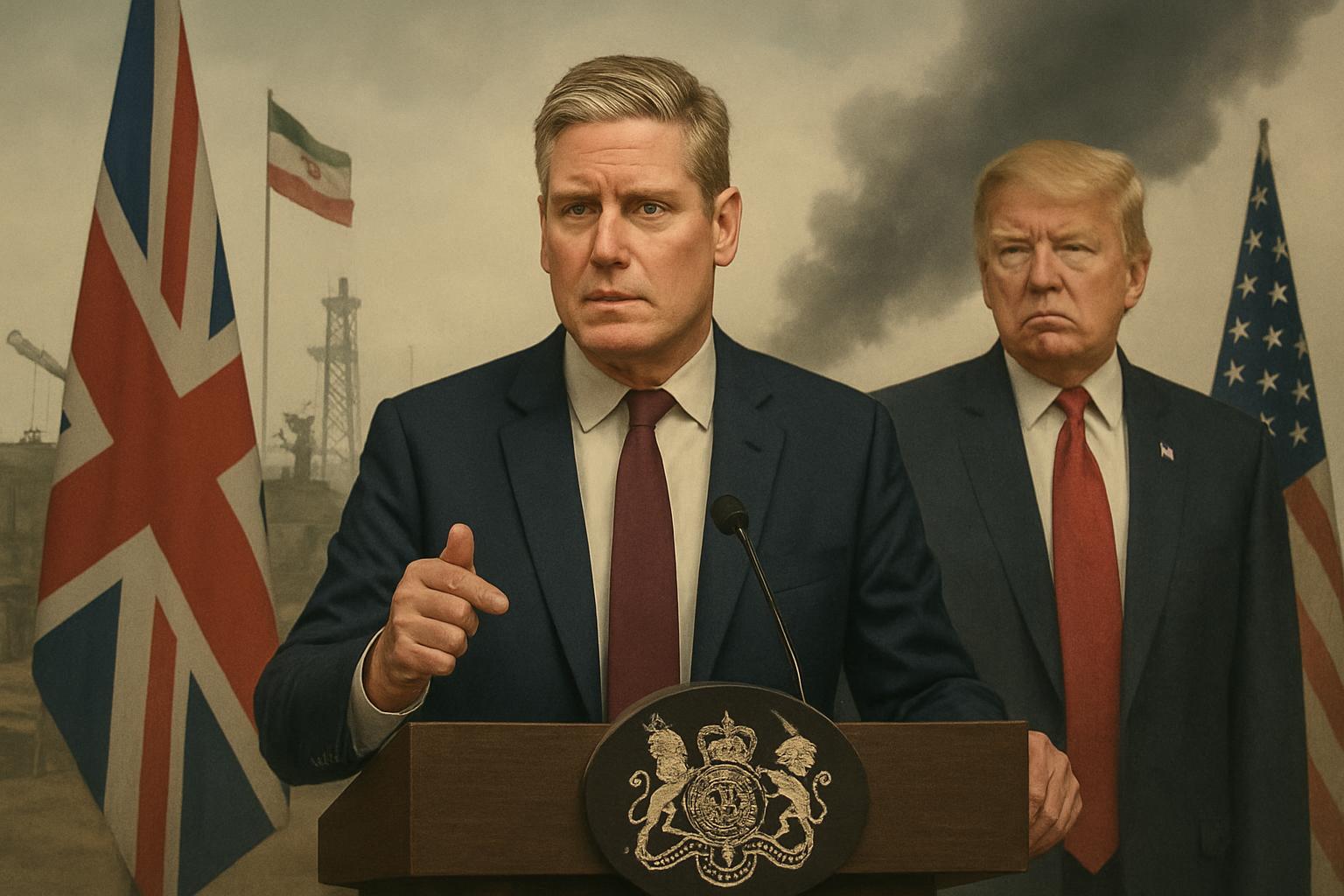
UK-Iran Tensions: Starmer Defends Cautious Approach Amid Trump Criticism
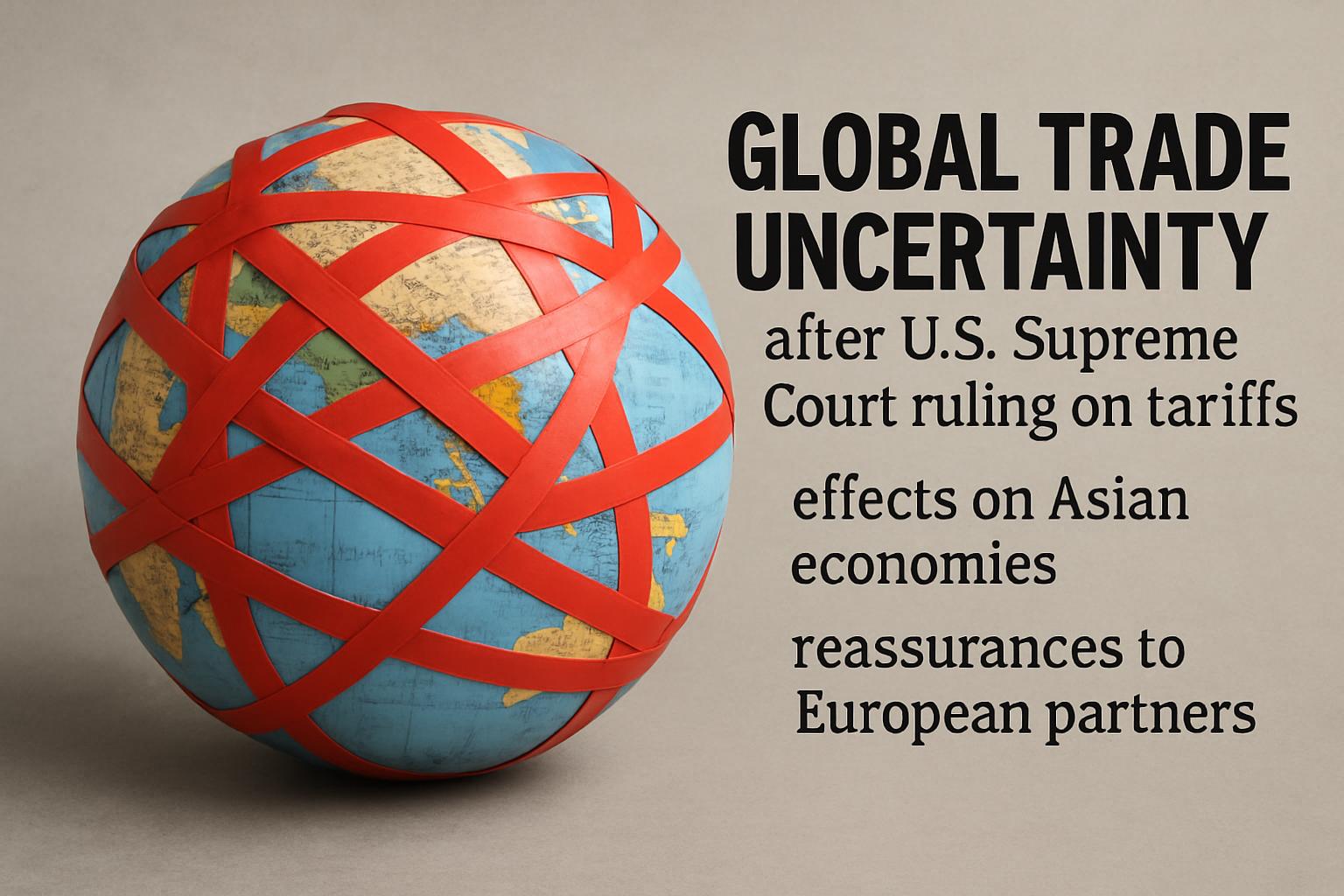
US Supreme Court Ruling Sparks Trade Uncertainty in Asia and Beyond
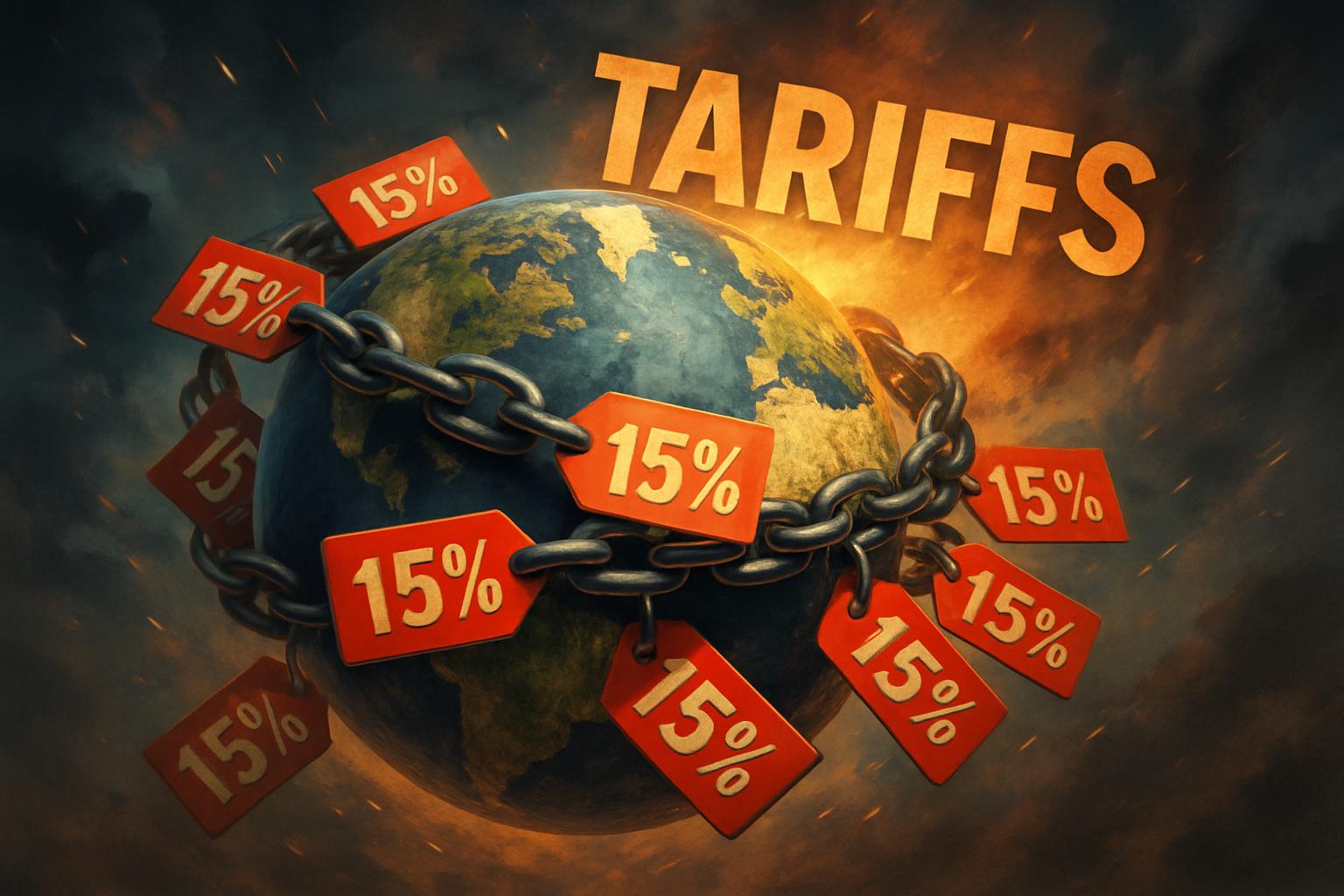
Trump's New Tariff Strategy Sparks Global Trade Uncertainty
Trump's Bold Moves in Venezuela and Greenland Stir Global Controversy
In This Article
 Ethan Brooks| Published
 HIGHLIGHTS
- Donald Trump orchestrated a controversial military operation to depose Venezuelan President Nicolás Maduro, raising concerns about international law violations.
- The US now claims control over Venezuela's oil industry, with Trump asserting a long-term presence in the country.
- Trump's actions have sparked international criticism and fears of a return to imperialistic foreign policies reminiscent of the Monroe Doctrine.
- The Trump administration's rhetoric suggests a shift towards prioritizing national strength over international norms.
- Trump's interest in acquiring Greenland has resurfaced, highlighting tensions between US ambitions and existing international alliances.
In a dramatic turn of events, former US President Donald Trump has executed a military operation that led to the ousting of Venezuelan President Nicolás Maduro. This bold move has sparked widespread debate over its legality and implications for international relations. The operation, which took place just days ago, saw Maduro captured and transported to New York to face federal charges, while Trump declared US control over Venezuela's oil resources.
US Foreign Policy Under Scrutiny
The intervention has drawn sharp criticism from global leaders and international bodies, who argue that it violates international law. Trump's unilateral decision to intervene in Venezuela has been described as a dangerous precedent, with United Nations officials expressing deep concern over the implications for global governance. Late-night host Seth Meyers humorously criticized the administration's rhetoric, likening it to a "law of the jungle" approach.
Reviving the Monroe Doctrine
Trump's actions have been compared to a modern-day Monroe Doctrine, a policy originally established in 1823 to deter European interference in the Americas. Trump, however, has taken this doctrine further, asserting American dominance in the Western Hemisphere and warning other powers, particularly China, to stay out of Latin America. This aggressive stance has raised questions about the future of US foreign policy and its impact on global power dynamics.
Greenland: A New Frontier?
In addition to the Venezuelan operation, Trump has reignited his interest in acquiring Greenland, a move that has puzzled many international observers. Despite Greenland's strategic importance, Trump's suggestion of using military force to secure the territory has been met with skepticism. The former president's comments have underscored a potential conflict between expanding US territory and maintaining alliances, particularly with NATO members like Denmark.
A Shift in Global Power Dynamics
Trump's recent actions and statements reflect a broader shift towards prioritizing national strength and military power over established international norms. In a candid interview with the New York Times, Trump dismissed the relevance of international law, emphasizing his own moral compass as the guiding principle for his decisions. This approach has raised concerns about the erosion of the rules-based international order that has governed global relations for decades.
WHAT THIS MIGHT MEAN
The international community is closely monitoring the situation in Venezuela, with potential legal challenges and diplomatic repercussions on the horizon. If Trump's actions are deemed a violation of international law, it could lead to sanctions or other punitive measures against the US. Additionally, the long-term impact on US-Latin American relations remains uncertain, as countries in the region may seek to distance themselves from American influence.
Trump's interest in Greenland could further strain US-European relations, particularly if military force is considered. The potential acquisition of Greenland raises questions about the future of NATO and the balance of power in the Arctic region. As the world grapples with these developments, experts suggest that a return to multilateral diplomacy and adherence to international norms may be necessary to prevent further destabilization.
Images from the Web
Related Articles
Spain's Sánchez Stands Firm Against Trump's Trade Threat Over Iran Stance
Intensified US-Israel Strikes on Iran Spark Global Outcry
Senate Blocks Resolution to Limit Trump's Military Actions in Iran
UK-Iran Tensions: Starmer Defends Cautious Approach Amid Trump Criticism
US Supreme Court Ruling Sparks Trade Uncertainty in Asia and Beyond
Trump's New Tariff Strategy Sparks Global Trade Uncertainty