
Trump's Bold Moves in Venezuela and Greenland Stir Global Tensions
In This Article
HIGHLIGHTS
- US President Donald Trump has captured Venezuela's president in a controversial raid, invoking the Monroe Doctrine.
- Trump has expressed interest in acquiring Greenland, citing national security and rare earth minerals, despite Danish opposition.
- Danish Prime Minister Mette Frederiksen warned that a US attack on Greenland could end NATO and post-WWII security.
- Trump has threatened Colombian President Gustavo Petro amid escalating tensions over drug trade accusations.
- The EU and Greenland's leadership have condemned US rhetoric, emphasizing respect for international law and sovereignty.
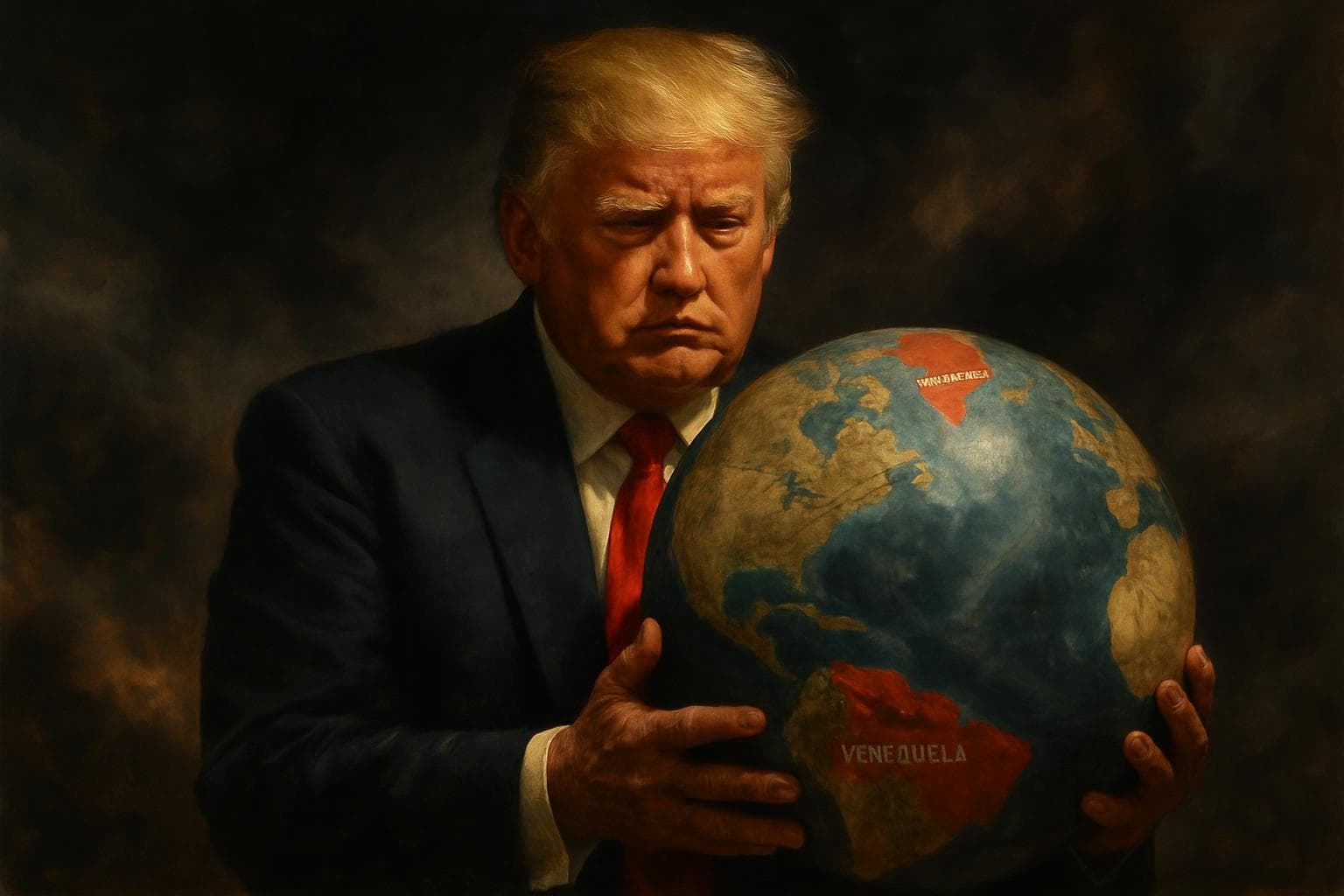
In a series of bold foreign policy maneuvers, US President Donald Trump has captured Venezuela's president and expressed a renewed interest in acquiring Greenland, sparking international controversy and raising questions about the future of NATO and US foreign relations.
Venezuela Raid and Monroe Doctrine Revival
President Trump has taken decisive action in Venezuela, capturing President Nicolás Maduro and his wife in a dramatic overnight raid. This operation, justified by Trump under a modern interpretation of the Monroe Doctrine, underscores his administration's commitment to asserting US dominance in the Western Hemisphere. The move has drawn both criticism and support, with some viewing it as a necessary step to curb authoritarianism in the region.
Greenland: A Strategic Interest
Trump's ambitions extend to Greenland, a territory rich in rare earth minerals and strategically located in the North Atlantic. The US president has reiterated the need for Greenland from a national security perspective, citing the presence of Russian and Chinese interests in the Arctic. However, Danish Prime Minister Mette Frederiksen has firmly opposed any notion of US annexation, warning that such an action could dismantle NATO and disrupt global security frameworks established post-World War II.
Colombia and Drug Trade Tensions
The US-Colombia relationship is also under strain, with Trump issuing a stark warning to Colombian President Gustavo Petro. Accusing Petro of facilitating the drug trade, Trump has imposed sanctions and hinted at potential military action. Historically a close ally in the war on drugs, Colombia now finds itself at odds with Washington, complicating regional dynamics.
International Reactions and Legal Implications
The European Union and Greenland's leadership have condemned the US's aggressive rhetoric, emphasizing the importance of international law and national sovereignty. Greenland's Prime Minister Jens Frederik Nielsen has called for dialogue and respect, dismissing any US annexation plans as "fantasy."
WHAT THIS MIGHT MEAN
The recent developments in US foreign policy under President Trump could have far-reaching implications. The capture of Venezuela's president may lead to increased instability in the region, potentially inviting international scrutiny and diplomatic backlash. In Greenland, any attempt by the US to assert control could strain relations with NATO allies and challenge the alliance's cohesion. Meanwhile, escalating tensions with Colombia could disrupt longstanding cooperation in the fight against drug trafficking, potentially leading to broader regional conflicts. As these situations unfold, the international community will be closely watching for shifts in US policy and their impact on global stability.
Related Articles
Spain's Sánchez Stands Firm Against Trump's Trade Threat Over Iran Stance
Russian LNG Tanker Sinks in Mediterranean Amid Accusations of Ukrainian Drone Attack
Senate Blocks Resolution to Limit Trump's Military Actions in Iran
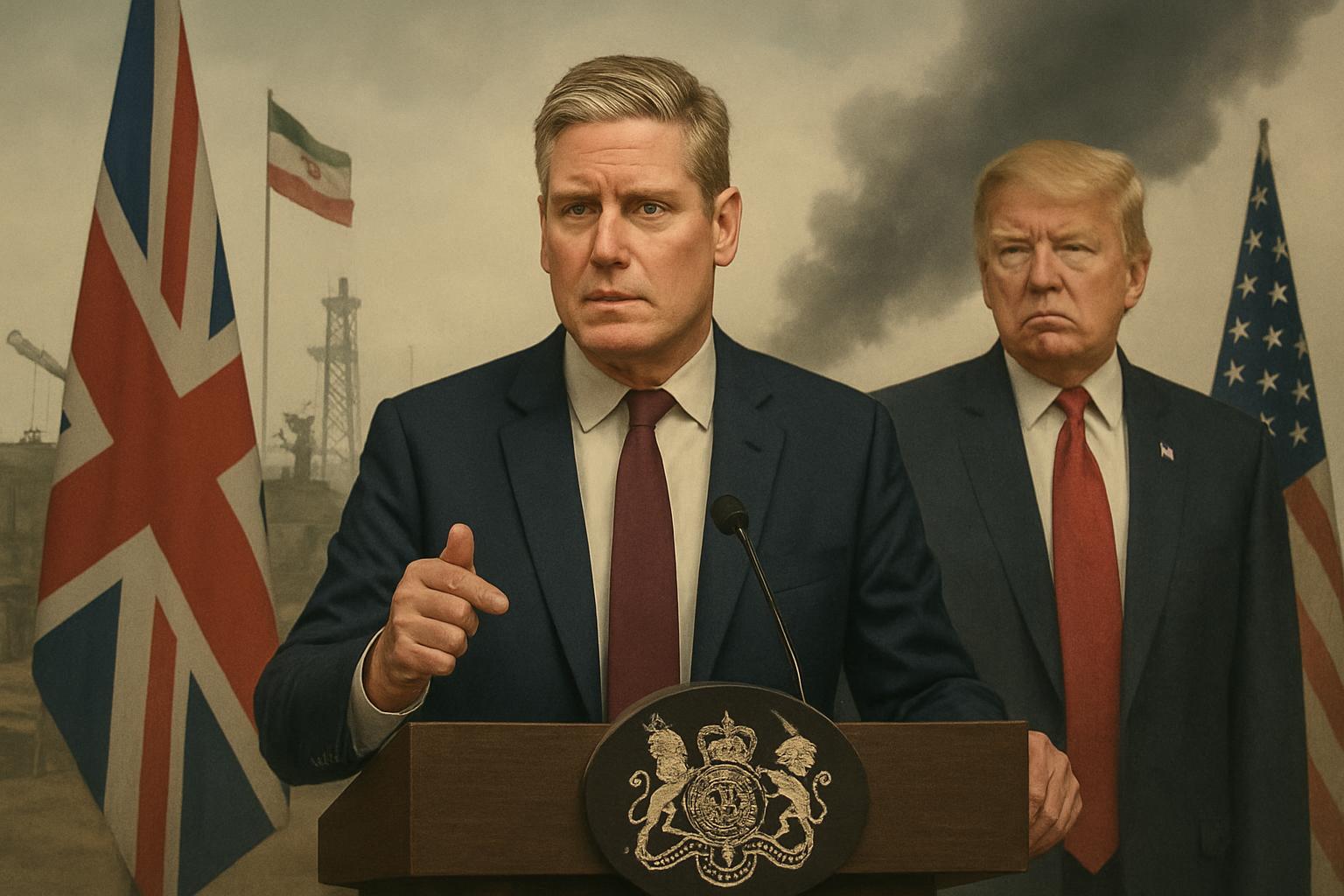
UK-Iran Tensions: Starmer Defends Cautious Approach Amid Trump Criticism
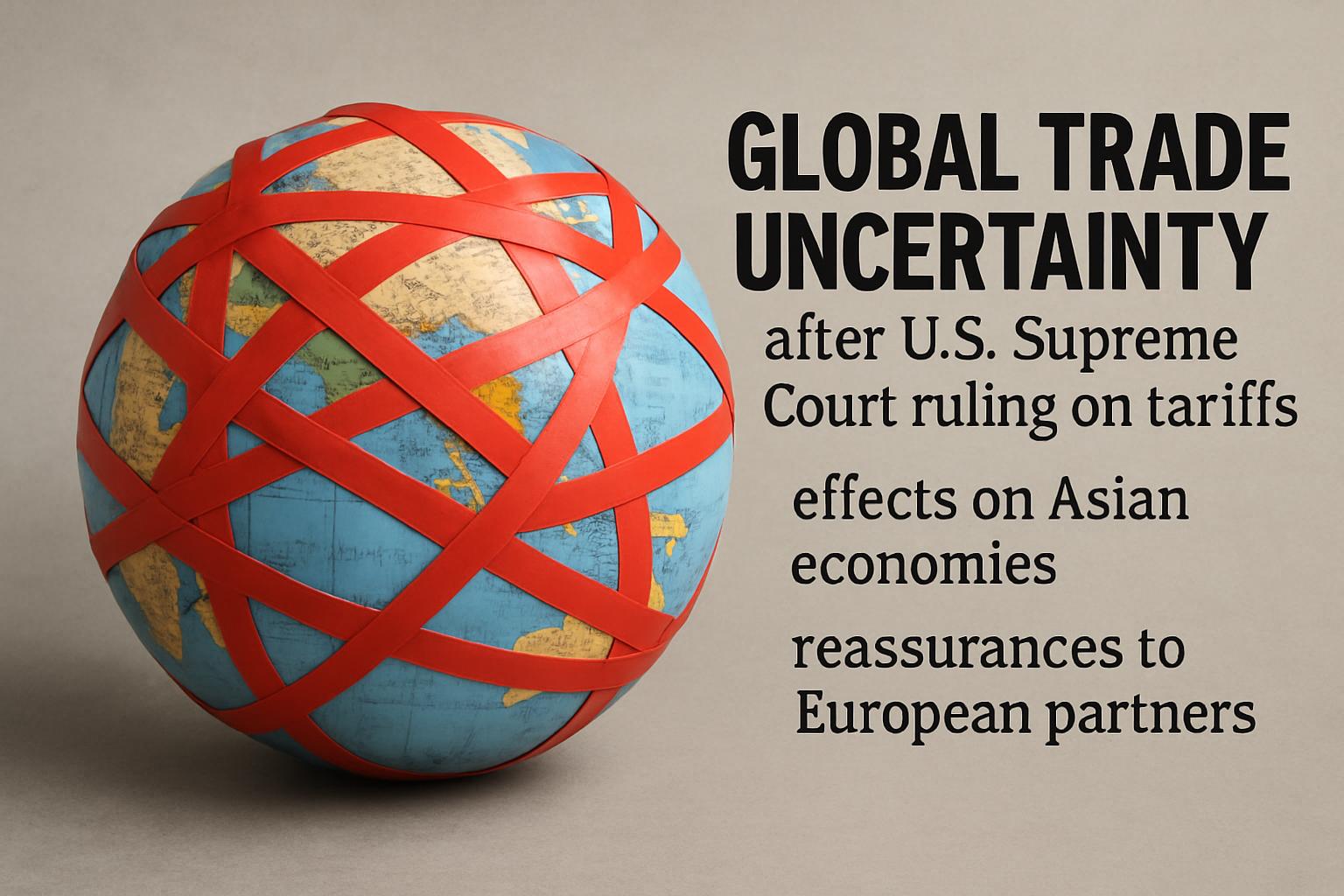
US Supreme Court Ruling Sparks Trade Uncertainty in Asia and Beyond
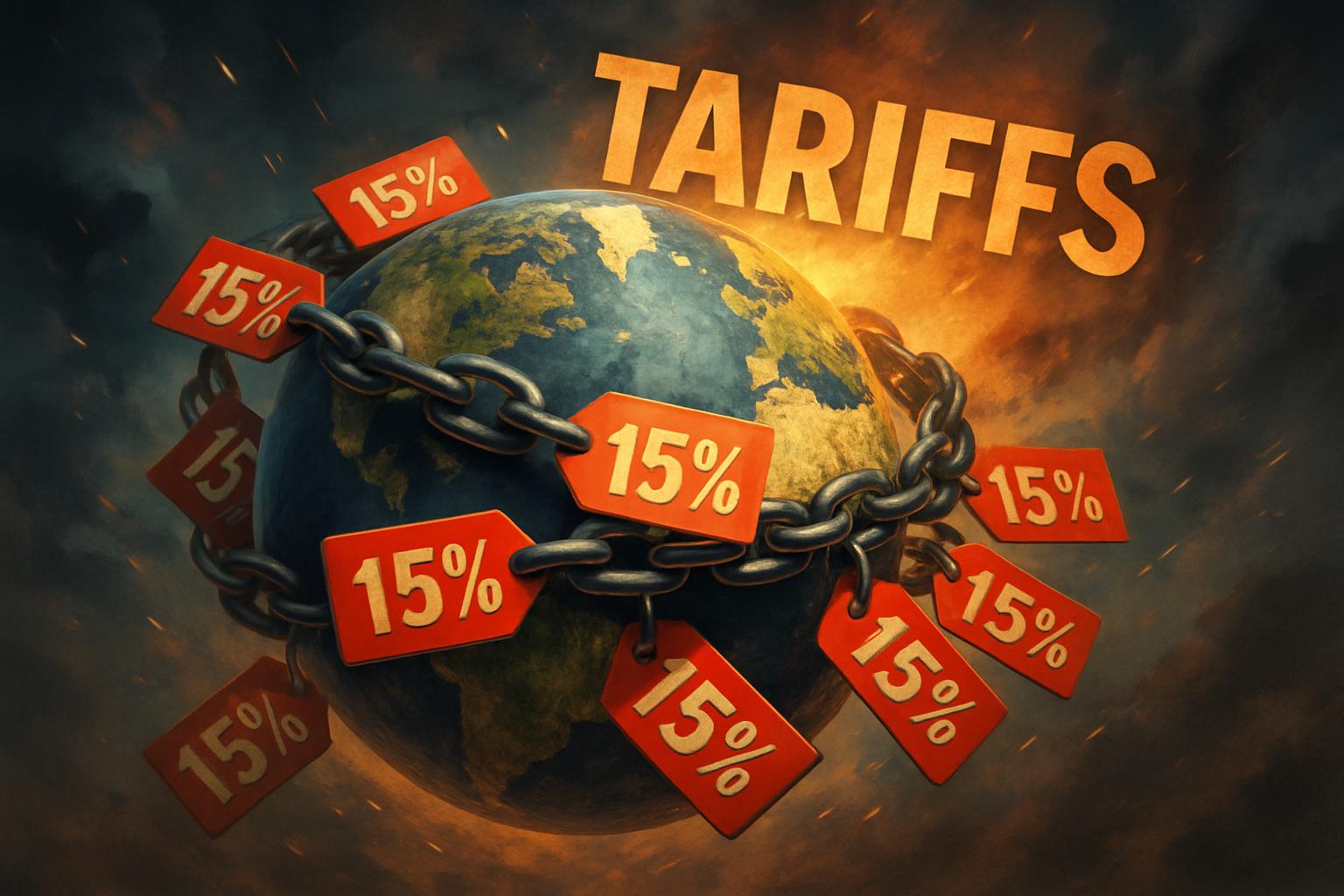
Trump's New Tariff Strategy Sparks Global Trade Uncertainty
Trump's Bold Moves in Venezuela and Greenland Stir Global Tensions
In This Article
 Ethan Brooks| Published
 HIGHLIGHTS
- US President Donald Trump has captured Venezuela's president in a controversial raid, invoking the Monroe Doctrine.
- Trump has expressed interest in acquiring Greenland, citing national security and rare earth minerals, despite Danish opposition.
- Danish Prime Minister Mette Frederiksen warned that a US attack on Greenland could end NATO and post-WWII security.
- Trump has threatened Colombian President Gustavo Petro amid escalating tensions over drug trade accusations.
- The EU and Greenland's leadership have condemned US rhetoric, emphasizing respect for international law and sovereignty.
In a series of bold foreign policy maneuvers, US President Donald Trump has captured Venezuela's president and expressed a renewed interest in acquiring Greenland, sparking international controversy and raising questions about the future of NATO and US foreign relations.
Venezuela Raid and Monroe Doctrine Revival
President Trump has taken decisive action in Venezuela, capturing President Nicolás Maduro and his wife in a dramatic overnight raid. This operation, justified by Trump under a modern interpretation of the Monroe Doctrine, underscores his administration's commitment to asserting US dominance in the Western Hemisphere. The move has drawn both criticism and support, with some viewing it as a necessary step to curb authoritarianism in the region.
Greenland: A Strategic Interest
Trump's ambitions extend to Greenland, a territory rich in rare earth minerals and strategically located in the North Atlantic. The US president has reiterated the need for Greenland from a national security perspective, citing the presence of Russian and Chinese interests in the Arctic. However, Danish Prime Minister Mette Frederiksen has firmly opposed any notion of US annexation, warning that such an action could dismantle NATO and disrupt global security frameworks established post-World War II.
Colombia and Drug Trade Tensions
The US-Colombia relationship is also under strain, with Trump issuing a stark warning to Colombian President Gustavo Petro. Accusing Petro of facilitating the drug trade, Trump has imposed sanctions and hinted at potential military action. Historically a close ally in the war on drugs, Colombia now finds itself at odds with Washington, complicating regional dynamics.
International Reactions and Legal Implications
The European Union and Greenland's leadership have condemned the US's aggressive rhetoric, emphasizing the importance of international law and national sovereignty. Greenland's Prime Minister Jens Frederik Nielsen has called for dialogue and respect, dismissing any US annexation plans as "fantasy."
WHAT THIS MIGHT MEAN
The recent developments in US foreign policy under President Trump could have far-reaching implications. The capture of Venezuela's president may lead to increased instability in the region, potentially inviting international scrutiny and diplomatic backlash. In Greenland, any attempt by the US to assert control could strain relations with NATO allies and challenge the alliance's cohesion. Meanwhile, escalating tensions with Colombia could disrupt longstanding cooperation in the fight against drug trafficking, potentially leading to broader regional conflicts. As these situations unfold, the international community will be closely watching for shifts in US policy and their impact on global stability.
Related Articles
Spain's Sánchez Stands Firm Against Trump's Trade Threat Over Iran Stance
Russian LNG Tanker Sinks in Mediterranean Amid Accusations of Ukrainian Drone Attack
Senate Blocks Resolution to Limit Trump's Military Actions in Iran
UK-Iran Tensions: Starmer Defends Cautious Approach Amid Trump Criticism
US Supreme Court Ruling Sparks Trade Uncertainty in Asia and Beyond
Trump's New Tariff Strategy Sparks Global Trade Uncertainty