
Trump's Scotland Visit Sparks Controversy Over Trade, Energy, and Business Interests

In This Article
HIGHLIGHTS
- Donald Trump's visit to Scotland included discussions on trade, energy policy, and Scotch whisky tariffs with UK leaders.
- Trump criticized wind turbines in Scotland, advocating for increased oil and gas exploitation in the North Sea.
- Prime Minister Keir Starmer and First Minister John Swinney faced backlash for meeting Trump, with protests highlighting concerns over public funding and Trump's business interests.
- The visit involved significant security operations and protests, reflecting public discontent over Trump's policies and business dealings.
- Trump's promotion of his golf resorts during the visit raised ethical concerns about mixing personal business with diplomatic affairs.
Donald Trump's recent visit to Scotland has stirred significant political and public debate, focusing on trade relations, energy policies, and the intertwining of his business interests with diplomatic activities. The visit, which included meetings with UK Prime Minister Keir Starmer and Scotland's First Minister John Swinney, was marked by discussions on key issues such as Scotch whisky tariffs and renewable energy.
Trade and Tariffs
A central topic of Trump's discussions with UK leaders was the ongoing trade relationship between the United States and the United Kingdom, particularly the 10% tariff on Scotch whisky. This tariff has been a point of contention, with First Minister Swinney advocating for its removal to support Scotland's economy. "Tariffs are very important for the Scottish economy," Swinney stated, emphasizing the unique value of Scotch whisky as an export.
Energy Policy and Wind Turbines
Trump's visit also reignited debates over energy policy, as he criticized the proliferation of wind turbines in Scotland, describing them as "ugly monsters" and advocating for increased oil and gas drilling in the North Sea. "Wind is a disaster in Scotland and across the UK," Trump declared, urging the UK to capitalize on its oil and gas resources. This stance drew criticism from environmental groups, who argue that new drilling is not a sustainable solution.
Public and Political Reactions
The visit was met with protests and criticism, particularly regarding the use of public funds for security and the perceived promotion of Trump's business interests. Alena Ivanova of the Stop Trump Coalition Scotland highlighted concerns over Trump's Menie resort, which was built following a contentious planning process. "This trip was about Trump benefiting himself," Ivanova asserted, pointing to unmet promises of local development and job creation.
Ethical Concerns and Business Interests
Trump's promotion of his golf resorts during the visit, including a call for the Open championship to return to Turnberry, raised ethical questions about the mixing of personal business with public office. US ethics experts have warned that such actions could violate the emoluments clause of the US Constitution, which prohibits federal officials from accepting benefits from foreign governments without congressional approval.
WHAT THIS MIGHT MEAN
As Trump's visit concludes, the implications for UK-US trade relations and energy policy remain uncertain. The discussions on Scotch whisky tariffs could lead to future negotiations aimed at easing trade barriers, potentially benefiting Scotland's economy. However, Trump's criticism of renewable energy and advocacy for fossil fuels may clash with the UK's climate goals, potentially influencing future energy policy debates.
Politically, the backlash faced by Starmer and Swinney for meeting Trump highlights the complexities of engaging with controversial figures, balancing diplomatic opportunities with public sentiment. The ethical concerns surrounding Trump's business promotions may prompt further scrutiny of how personal interests intersect with official duties, both in the UK and the US.
Related Articles
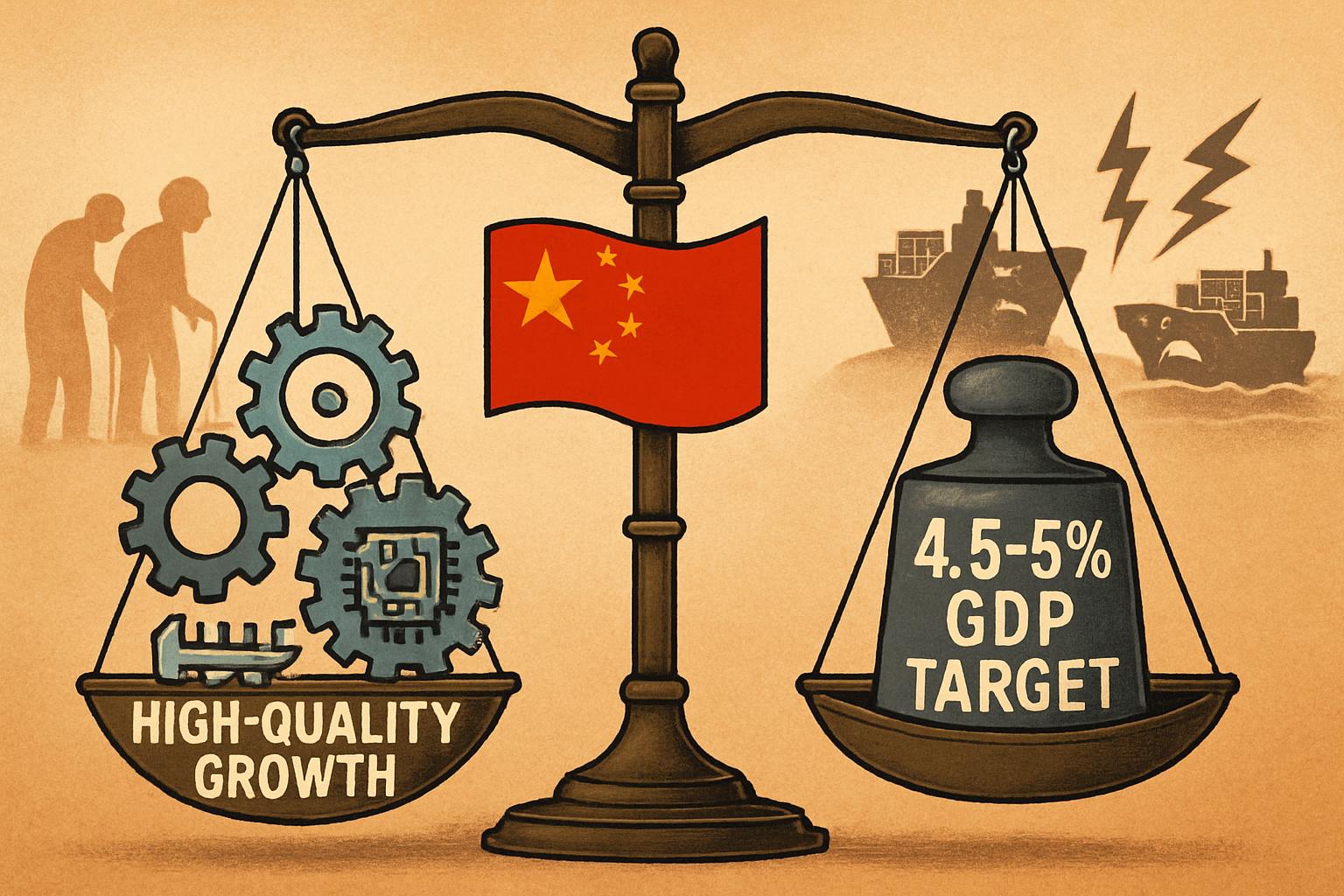
China Sets Lowest GDP Growth Target in Decades Amid Economic Challenges

UK Faces Dilemmas Amid Iran Conflict and China Spying Allegations
Tech Giants Pledge to Cover AI Data Center Energy Costs Amid Rising Electricity Concerns
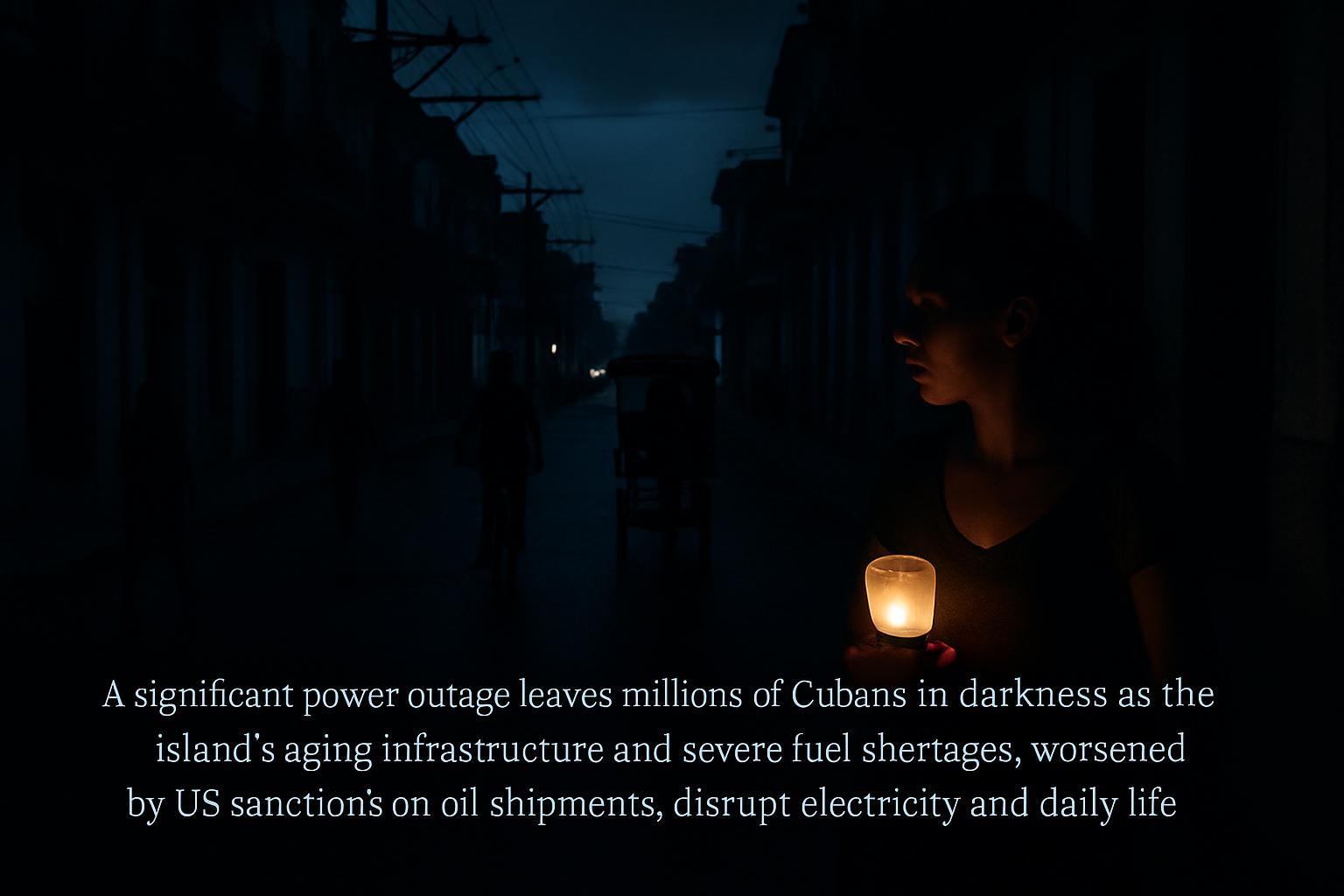
Cuba Faces Widespread Blackout Amid Deepening Fuel Crisis
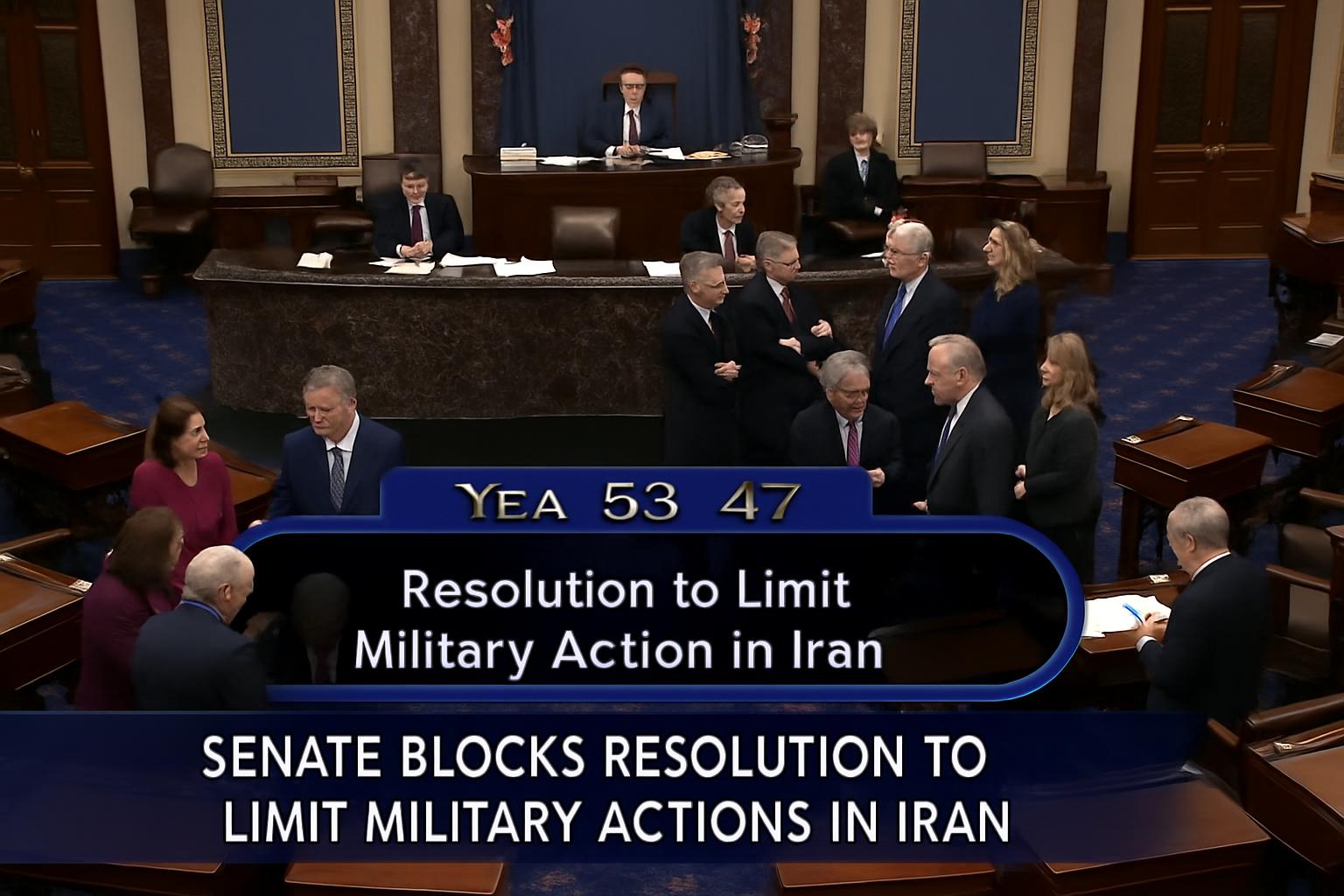
Senate Blocks Resolution to Limit Trump's Military Actions in Iran
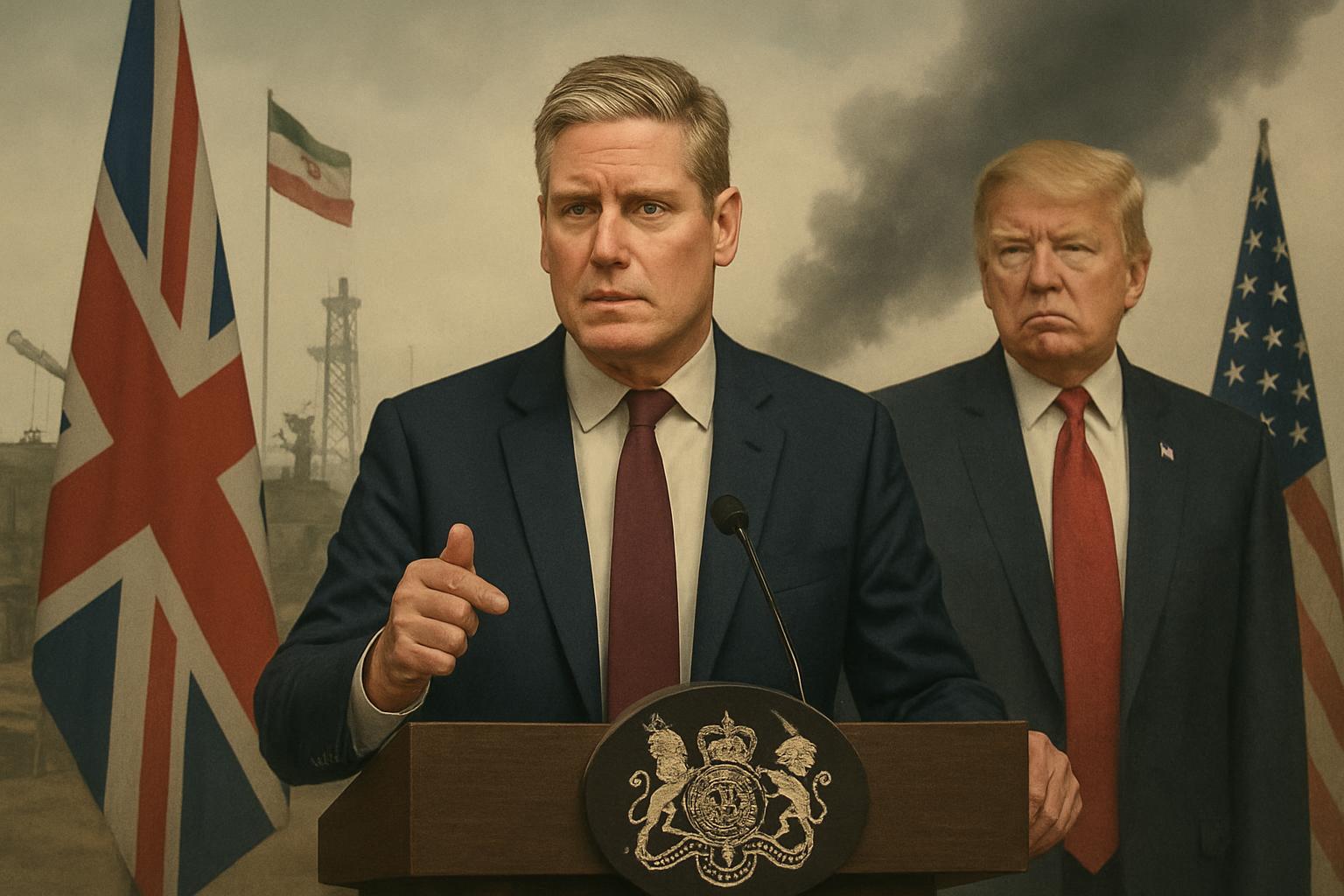
UK-Iran Tensions: Starmer Defends Cautious Approach Amid Trump Criticism
Trump's Scotland Visit Sparks Controversy Over Trade, Energy, and Business Interests
In This Article
 Daniel Rivera| Published
 HIGHLIGHTS
- Donald Trump's visit to Scotland included discussions on trade, energy policy, and Scotch whisky tariffs with UK leaders.
- Trump criticized wind turbines in Scotland, advocating for increased oil and gas exploitation in the North Sea.
- Prime Minister Keir Starmer and First Minister John Swinney faced backlash for meeting Trump, with protests highlighting concerns over public funding and Trump's business interests.
- The visit involved significant security operations and protests, reflecting public discontent over Trump's policies and business dealings.
- Trump's promotion of his golf resorts during the visit raised ethical concerns about mixing personal business with diplomatic affairs.
Donald Trump's recent visit to Scotland has stirred significant political and public debate, focusing on trade relations, energy policies, and the intertwining of his business interests with diplomatic activities. The visit, which included meetings with UK Prime Minister Keir Starmer and Scotland's First Minister John Swinney, was marked by discussions on key issues such as Scotch whisky tariffs and renewable energy.
Trade and Tariffs
A central topic of Trump's discussions with UK leaders was the ongoing trade relationship between the United States and the United Kingdom, particularly the 10% tariff on Scotch whisky. This tariff has been a point of contention, with First Minister Swinney advocating for its removal to support Scotland's economy. "Tariffs are very important for the Scottish economy," Swinney stated, emphasizing the unique value of Scotch whisky as an export.
Energy Policy and Wind Turbines
Trump's visit also reignited debates over energy policy, as he criticized the proliferation of wind turbines in Scotland, describing them as "ugly monsters" and advocating for increased oil and gas drilling in the North Sea. "Wind is a disaster in Scotland and across the UK," Trump declared, urging the UK to capitalize on its oil and gas resources. This stance drew criticism from environmental groups, who argue that new drilling is not a sustainable solution.
Public and Political Reactions
The visit was met with protests and criticism, particularly regarding the use of public funds for security and the perceived promotion of Trump's business interests. Alena Ivanova of the Stop Trump Coalition Scotland highlighted concerns over Trump's Menie resort, which was built following a contentious planning process. "This trip was about Trump benefiting himself," Ivanova asserted, pointing to unmet promises of local development and job creation.
Ethical Concerns and Business Interests
Trump's promotion of his golf resorts during the visit, including a call for the Open championship to return to Turnberry, raised ethical questions about the mixing of personal business with public office. US ethics experts have warned that such actions could violate the emoluments clause of the US Constitution, which prohibits federal officials from accepting benefits from foreign governments without congressional approval.
WHAT THIS MIGHT MEAN
As Trump's visit concludes, the implications for UK-US trade relations and energy policy remain uncertain. The discussions on Scotch whisky tariffs could lead to future negotiations aimed at easing trade barriers, potentially benefiting Scotland's economy. However, Trump's criticism of renewable energy and advocacy for fossil fuels may clash with the UK's climate goals, potentially influencing future energy policy debates.
Politically, the backlash faced by Starmer and Swinney for meeting Trump highlights the complexities of engaging with controversial figures, balancing diplomatic opportunities with public sentiment. The ethical concerns surrounding Trump's business promotions may prompt further scrutiny of how personal interests intersect with official duties, both in the UK and the US.
Related Articles
China Sets Lowest GDP Growth Target in Decades Amid Economic Challenges
UK Faces Dilemmas Amid Iran Conflict and China Spying Allegations
Tech Giants Pledge to Cover AI Data Center Energy Costs Amid Rising Electricity Concerns
Cuba Faces Widespread Blackout Amid Deepening Fuel Crisis
Senate Blocks Resolution to Limit Trump's Military Actions in Iran
UK-Iran Tensions: Starmer Defends Cautious Approach Amid Trump Criticism