
Trump's Tariff Plans Stir Global Economic Uncertainty as August Deadline Looms
In This Article
HIGHLIGHTS
- President Trump plans to implement new tariffs on August 1, following a 90-day pause, affecting global supply chains.
- Businesses, including GlobalFoundries and Learning Resources, are adjusting operations due to tariff uncertainties.
- The US government will send letters to trade partners detailing new tariff rates, ranging from 10% to 70%.
- Stock markets in Asia have reacted negatively to the tariff confusion, with indices slipping amid uncertainty.
- The US is negotiating trade agreements, but the lack of clarity on tariffs continues to impact economic stability.
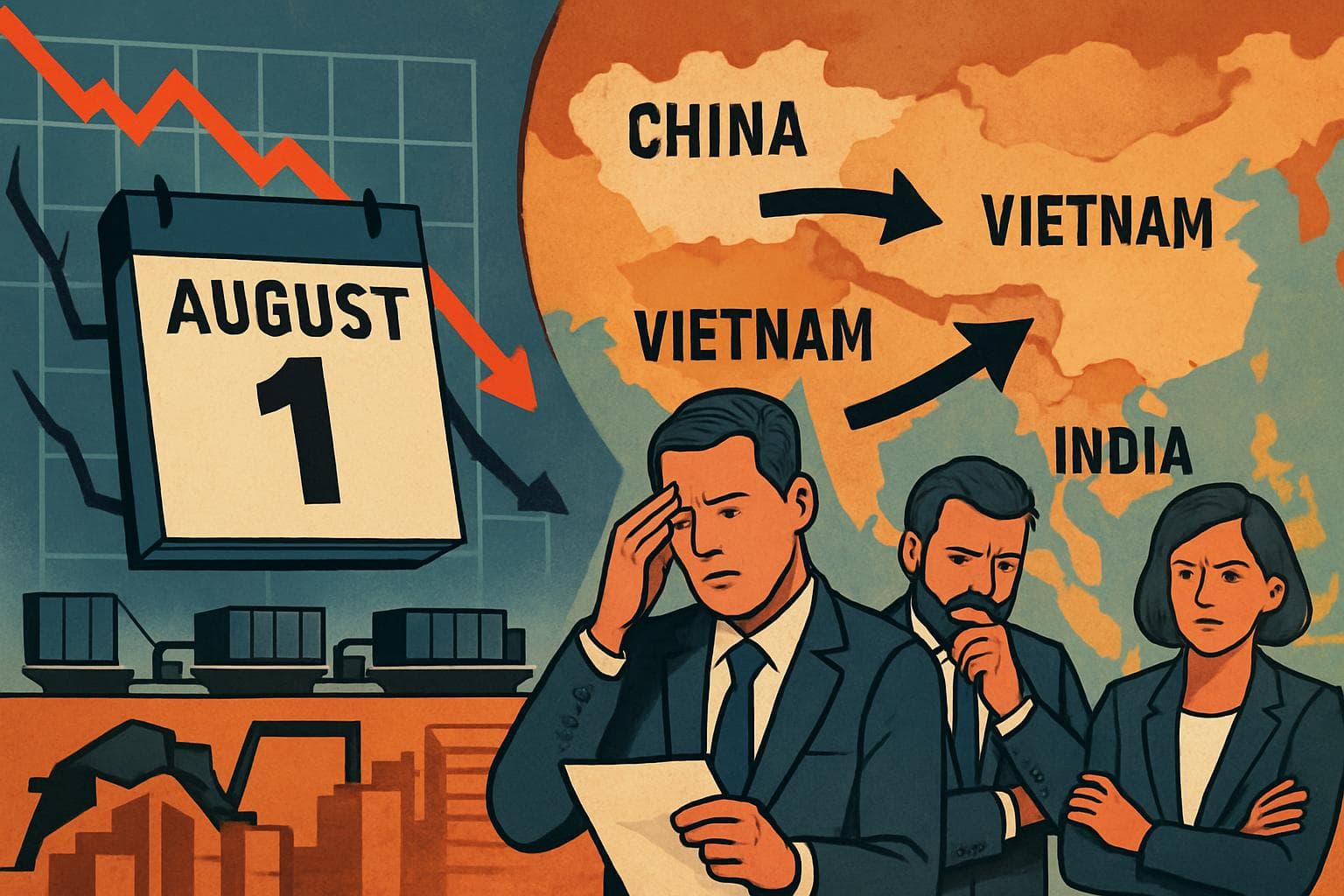
As the deadline for President Donald Trump's new tariff policy approaches, businesses and global markets are bracing for impact. The administration's plan to implement new tariffs on August 1, following a 90-day pause, has left companies scrambling to adjust their supply chains amid ongoing uncertainty.
Impact on Global Supply Chains
The looming tariffs have forced companies like GlobalFoundries, a major player in the semiconductor industry, to reconsider their operations. Tan Yew Kong, who oversees the firm's Singapore operations, likened the situation to a tailor shop adapting to unpredictable customer demands. "You cannot flip the switch every other alternate week or day," he remarked, highlighting the challenges businesses face in planning for the future.
Similarly, Learning Resources, an educational toy company, has been compelled to shift production from China to Vietnam and India due to the high import taxes imposed by the US. CEO Rick Woldenberg expressed frustration over the tariffs, which have significantly increased his company's costs. "This kind of impact on my business is just a little bit hard to wrap my mind around," he stated.
Tariff Details and Market Reactions
President Trump announced that letters detailing new tariff rates, ranging from 10% to 70%, will be sent to trade partners. The lack of clarity has caused stock markets in Asia to slip, with Japan's Nikkei and South Korean stocks both experiencing declines. The uncertainty surrounding the tariffs has also led to concerns about the broader economic impact.
Negotiations and Future Implications
While the US is in the process of finalizing several trade agreements, the absence of concrete deals has left many analysts skeptical about the effectiveness of the upcoming deadline. Treasury Secretary Scott Bessent indicated that some countries might have room for negotiation, but the overall situation remains fluid.
WHAT THIS MIGHT MEAN
As the August 1 deadline approaches, businesses and governments worldwide are closely monitoring the situation. The potential for increased tariffs could lead to further disruptions in global supply chains, prompting companies to seek alternative production locations. Economists warn that prolonged uncertainty may dampen economic growth and strain international relations.
The US administration's approach to trade negotiations will be crucial in determining the future landscape of global commerce. Should the tariffs be implemented as planned, affected countries may retaliate, leading to a potential escalation of trade tensions. Conversely, successful negotiations could pave the way for more stable economic partnerships and alleviate some of the current market anxieties.
Images from the Web



Related Articles
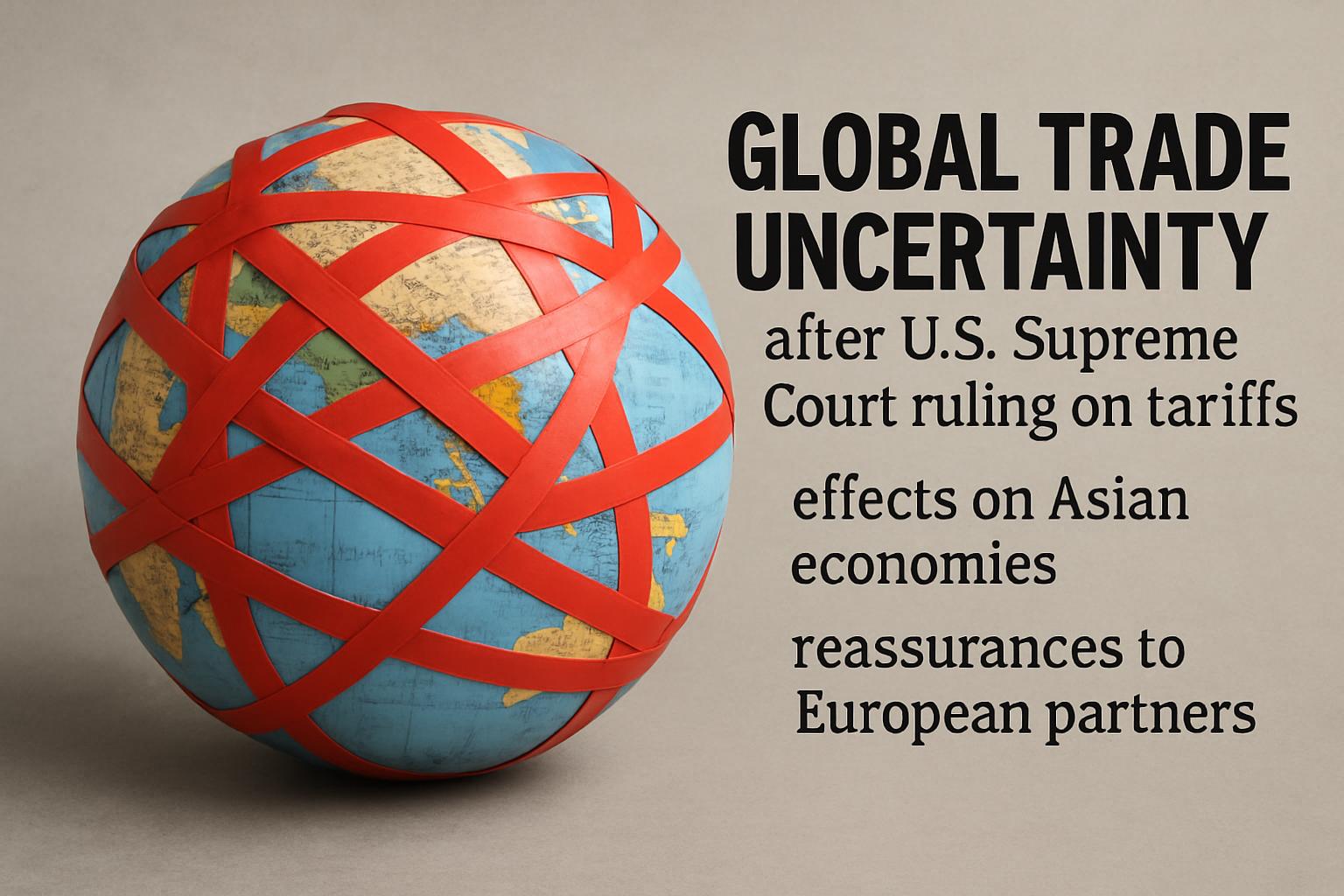
US Supreme Court Ruling Sparks Trade Uncertainty in Asia and Beyond
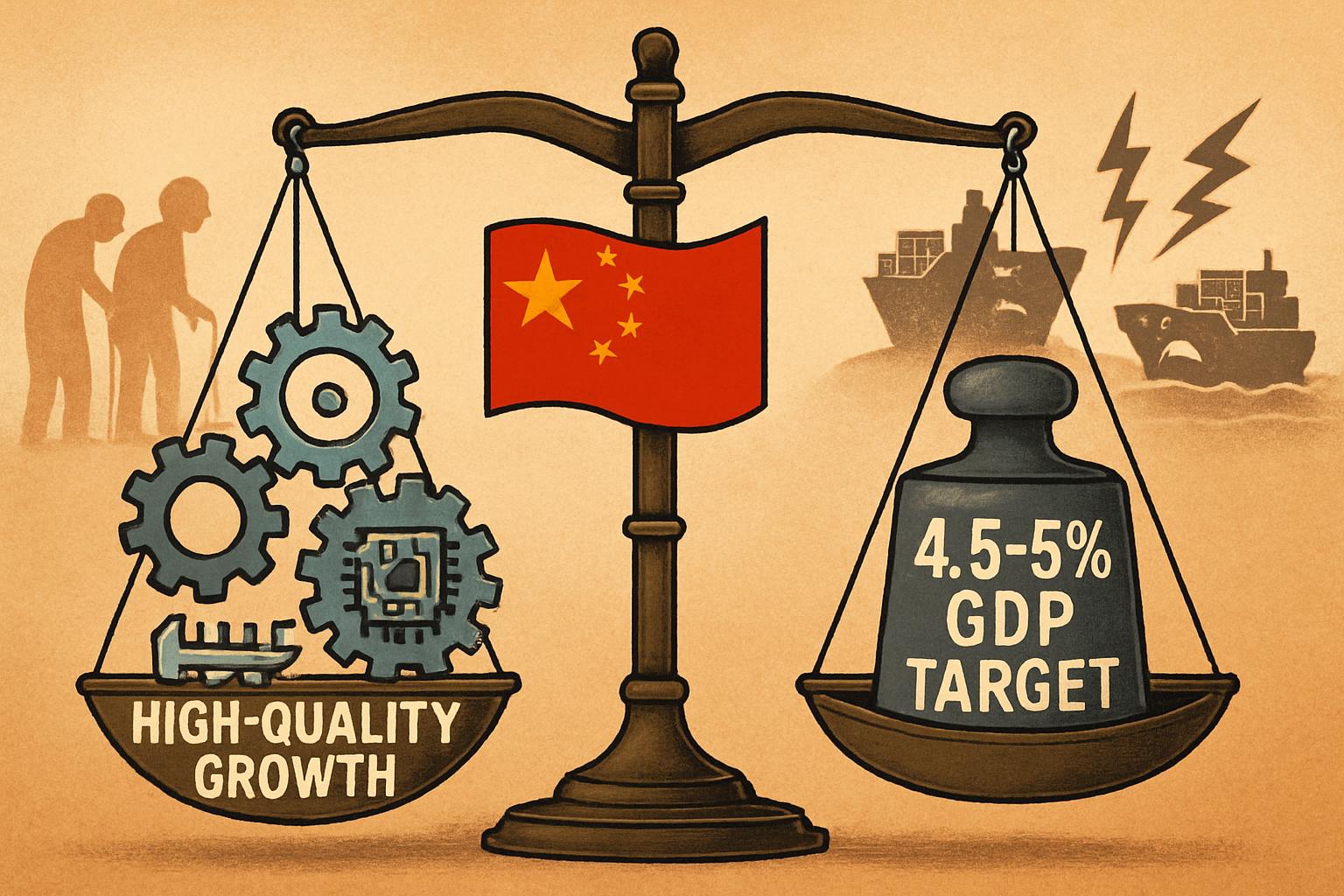
China Sets Lowest GDP Growth Target in Decades Amid Economic Challenges

UK Faces Dilemmas Amid Iran Conflict and China Spying Allegations

Tech Giants Pledge to Cover AI Data Center Energy Costs Amid Rising Electricity Concerns
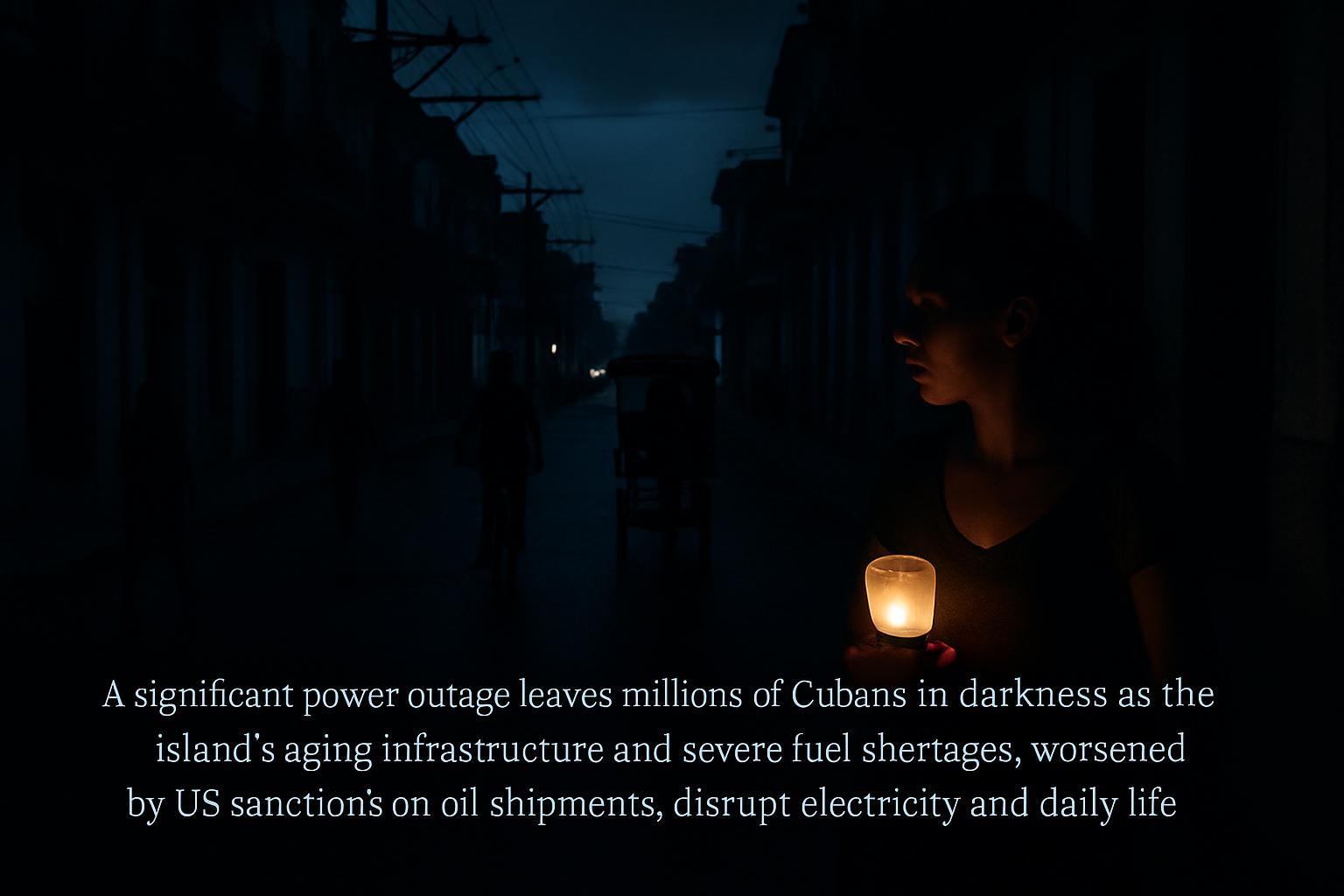
Cuba Faces Widespread Blackout Amid Deepening Fuel Crisis

Iran Postpones Khamenei Funeral Amid Escalating US-Israeli Strikes
Trump's Tariff Plans Stir Global Economic Uncertainty as August Deadline Looms
In This Article
 Daniel Rivera| Published
 HIGHLIGHTS
- President Trump plans to implement new tariffs on August 1, following a 90-day pause, affecting global supply chains.
- Businesses, including GlobalFoundries and Learning Resources, are adjusting operations due to tariff uncertainties.
- The US government will send letters to trade partners detailing new tariff rates, ranging from 10% to 70%.
- Stock markets in Asia have reacted negatively to the tariff confusion, with indices slipping amid uncertainty.
- The US is negotiating trade agreements, but the lack of clarity on tariffs continues to impact economic stability.
As the deadline for President Donald Trump's new tariff policy approaches, businesses and global markets are bracing for impact. The administration's plan to implement new tariffs on August 1, following a 90-day pause, has left companies scrambling to adjust their supply chains amid ongoing uncertainty.
Impact on Global Supply Chains
The looming tariffs have forced companies like GlobalFoundries, a major player in the semiconductor industry, to reconsider their operations. Tan Yew Kong, who oversees the firm's Singapore operations, likened the situation to a tailor shop adapting to unpredictable customer demands. "You cannot flip the switch every other alternate week or day," he remarked, highlighting the challenges businesses face in planning for the future.
Similarly, Learning Resources, an educational toy company, has been compelled to shift production from China to Vietnam and India due to the high import taxes imposed by the US. CEO Rick Woldenberg expressed frustration over the tariffs, which have significantly increased his company's costs. "This kind of impact on my business is just a little bit hard to wrap my mind around," he stated.
Tariff Details and Market Reactions
President Trump announced that letters detailing new tariff rates, ranging from 10% to 70%, will be sent to trade partners. The lack of clarity has caused stock markets in Asia to slip, with Japan's Nikkei and South Korean stocks both experiencing declines. The uncertainty surrounding the tariffs has also led to concerns about the broader economic impact.
Negotiations and Future Implications
While the US is in the process of finalizing several trade agreements, the absence of concrete deals has left many analysts skeptical about the effectiveness of the upcoming deadline. Treasury Secretary Scott Bessent indicated that some countries might have room for negotiation, but the overall situation remains fluid.
WHAT THIS MIGHT MEAN
As the August 1 deadline approaches, businesses and governments worldwide are closely monitoring the situation. The potential for increased tariffs could lead to further disruptions in global supply chains, prompting companies to seek alternative production locations. Economists warn that prolonged uncertainty may dampen economic growth and strain international relations.
The US administration's approach to trade negotiations will be crucial in determining the future landscape of global commerce. Should the tariffs be implemented as planned, affected countries may retaliate, leading to a potential escalation of trade tensions. Conversely, successful negotiations could pave the way for more stable economic partnerships and alleviate some of the current market anxieties.
Images from the Web
Related Articles
US Supreme Court Ruling Sparks Trade Uncertainty in Asia and Beyond
China Sets Lowest GDP Growth Target in Decades Amid Economic Challenges
UK Faces Dilemmas Amid Iran Conflict and China Spying Allegations
Tech Giants Pledge to Cover AI Data Center Energy Costs Amid Rising Electricity Concerns
Cuba Faces Widespread Blackout Amid Deepening Fuel Crisis
Iran Postpones Khamenei Funeral Amid Escalating US-Israeli Strikes