
Trump's Ultimatum to Maduro Escalates US-Venezuela Tensions
In This Article
HIGHLIGHTS
- US President Donald Trump has issued an ultimatum to Venezuelan President Nicolás Maduro to leave power immediately, escalating tensions between the two nations.
- Trump has accused Maduro of drug trafficking and facilitating the migration of Venezuelan criminals to the US, without providing evidence.
- The US has deployed a significant military presence near Venezuela, marking the largest regional buildup since 1989.
- Maduro has rejected Trump's ultimatum, demanding global immunity and control over the armed forces.
- The US and other countries have declared Venezuela's recent election results illegitimate, recognizing opposition leader Edmundo González as president-elect.
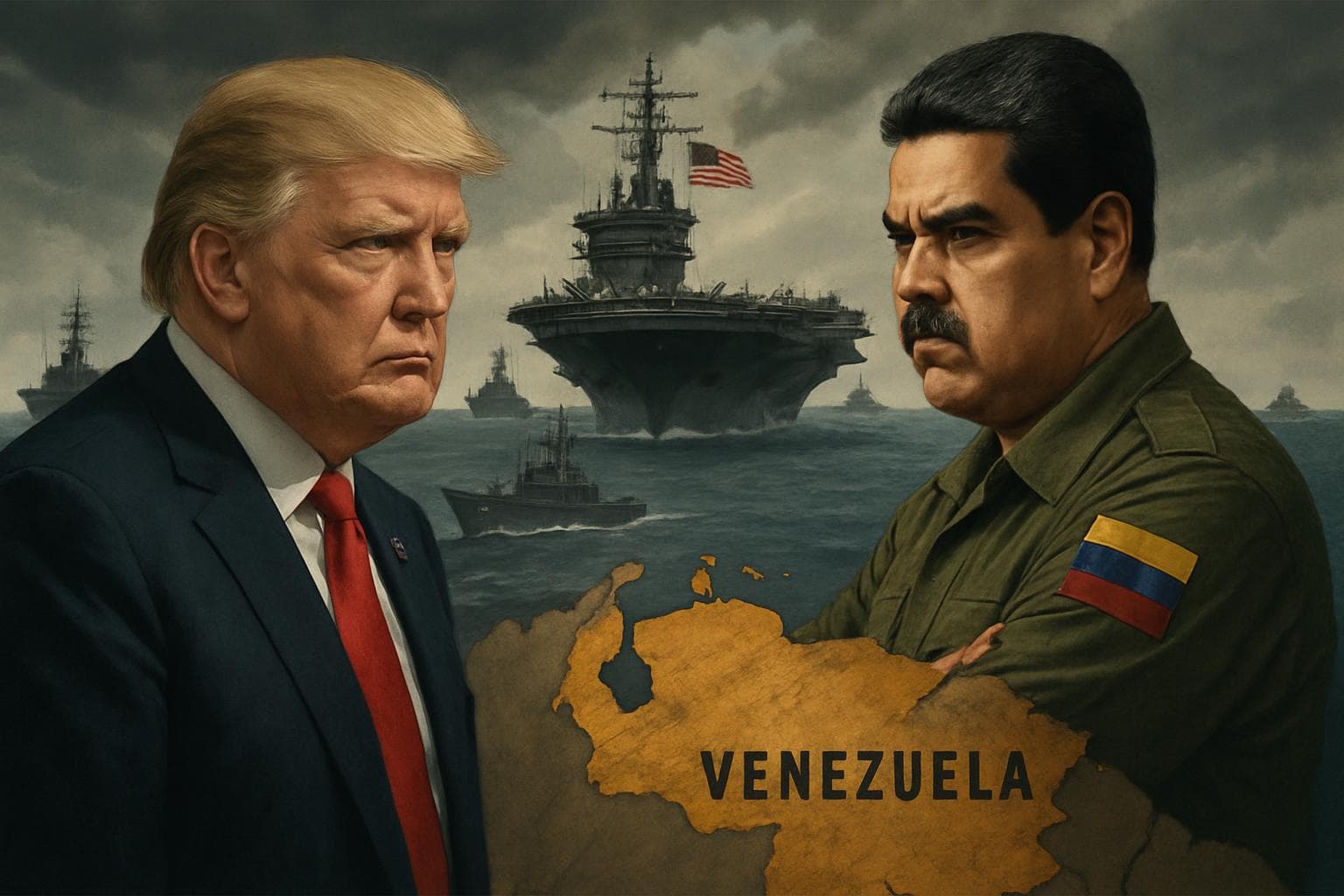
In a dramatic escalation of US-Venezuela relations, President Donald Trump has reportedly issued an ultimatum to Venezuelan President Nicolás Maduro, demanding his immediate resignation. This move comes amid a significant US military buildup in the Caribbean, the largest since the 1989 invasion of Panama, aimed at curbing drug trafficking and addressing the Venezuelan migration crisis.
Rising Tensions and Military Presence
The Trump administration has intensified its pressure on Maduro, whom it accuses of leading a narco-terrorist regime. Without providing evidence, Trump has alleged that Maduro is responsible for sending Venezuelan criminals to the US, exacerbating the migration crisis. Since 2013, nearly eight million Venezuelans have fled the country due to economic collapse and political repression, with many seeking refuge in the US.
Maduro's Defiance and Counter-Demands
Despite Trump's ultimatum, Maduro has refused to step down, instead demanding worldwide immunity from prosecution and retaining control over Venezuela's armed forces. The Venezuelan leader, who rose to power following Hugo Chávez, has maintained a firm grip on key institutions, including the military and judiciary, despite international condemnation of his regime.
International and Domestic Reactions
The US, alongside other countries, has declared Venezuela's recent election results illegitimate, recognizing opposition leader Edmundo González as the rightful president-elect. However, with Maduro's control over the military, González has been forced into exile. Trump's actions have sparked debate over the potential for military intervention, with some observers skeptical of the US's willingness to engage in large-scale conflict.
WHAT THIS MIGHT MEAN
The unfolding situation between the US and Venezuela raises significant questions about the future of both nations. Should Maduro continue to resist international pressure, the US may face a complex decision regarding military intervention. Experts suggest that Trump's hardline stance could either lead to a negotiated settlement or further destabilize the region. The international community remains watchful, with potential diplomatic efforts from neighboring countries like Colombia offering a glimmer of hope for a peaceful resolution. As the situation develops, the implications for US foreign policy and regional stability will be closely scrutinized.
Related Articles

Cuba Faces Widespread Blackout Amid Deepening Fuel Crisis

Tech Giants Pledge to Cover AI Data Center Energy Costs Amid Rising Electricity Concerns
UK-Iran Tensions: Starmer Defends Cautious Approach Amid Trump Criticism
Spain's Sánchez Stands Firm Against Trump's Trade Threat Over Iran Stance
Diplomatic Tensions Rise as Trump Criticizes Starmer's Iran Policy
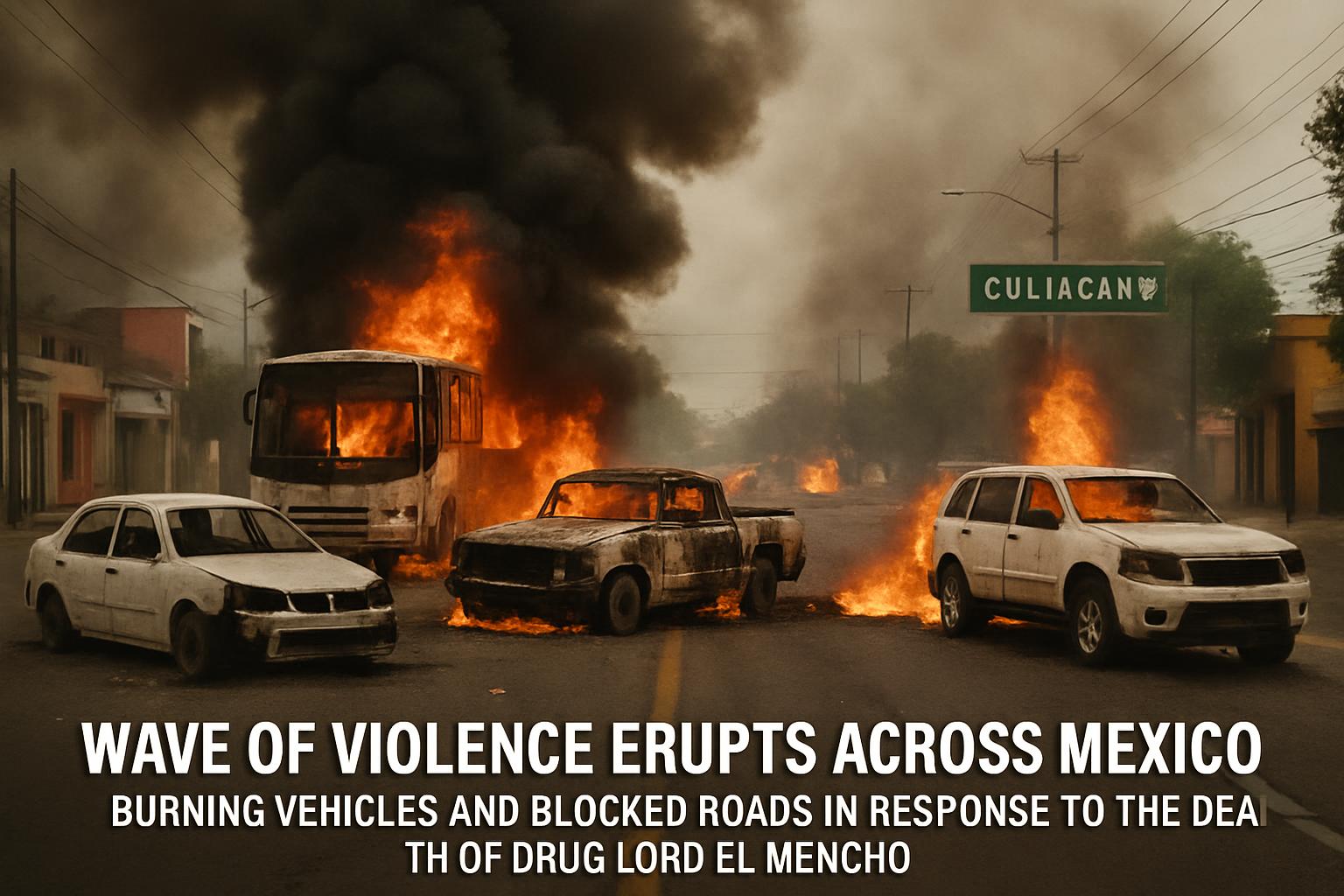
Violence Erupts Across Mexico Following Death of Drug Lord El Mencho
Trump's Ultimatum to Maduro Escalates US-Venezuela Tensions
In This Article
HIGHLIGHTS
- US President Donald Trump has issued an ultimatum to Venezuelan President Nicolás Maduro to leave power immediately, escalating tensions between the two nations.
- Trump has accused Maduro of drug trafficking and facilitating the migration of Venezuelan criminals to the US, without providing evidence.
- The US has deployed a significant military presence near Venezuela, marking the largest regional buildup since 1989.
- Maduro has rejected Trump's ultimatum, demanding global immunity and control over the armed forces.
- The US and other countries have declared Venezuela's recent election results illegitimate, recognizing opposition leader Edmundo González as president-elect.
In a dramatic escalation of US-Venezuela relations, President Donald Trump has reportedly issued an ultimatum to Venezuelan President Nicolás Maduro, demanding his immediate resignation. This move comes amid a significant US military buildup in the Caribbean, the largest since the 1989 invasion of Panama, aimed at curbing drug trafficking and addressing the Venezuelan migration crisis.
Rising Tensions and Military Presence
The Trump administration has intensified its pressure on Maduro, whom it accuses of leading a narco-terrorist regime. Without providing evidence, Trump has alleged that Maduro is responsible for sending Venezuelan criminals to the US, exacerbating the migration crisis. Since 2013, nearly eight million Venezuelans have fled the country due to economic collapse and political repression, with many seeking refuge in the US.
Maduro's Defiance and Counter-Demands
Despite Trump's ultimatum, Maduro has refused to step down, instead demanding worldwide immunity from prosecution and retaining control over Venezuela's armed forces. The Venezuelan leader, who rose to power following Hugo Chávez, has maintained a firm grip on key institutions, including the military and judiciary, despite international condemnation of his regime.
International and Domestic Reactions
The US, alongside other countries, has declared Venezuela's recent election results illegitimate, recognizing opposition leader Edmundo González as the rightful president-elect. However, with Maduro's control over the military, González has been forced into exile. Trump's actions have sparked debate over the potential for military intervention, with some observers skeptical of the US's willingness to engage in large-scale conflict.
WHAT THIS MIGHT MEAN
The unfolding situation between the US and Venezuela raises significant questions about the future of both nations. Should Maduro continue to resist international pressure, the US may face a complex decision regarding military intervention. Experts suggest that Trump's hardline stance could either lead to a negotiated settlement or further destabilize the region. The international community remains watchful, with potential diplomatic efforts from neighboring countries like Colombia offering a glimmer of hope for a peaceful resolution. As the situation develops, the implications for US foreign policy and regional stability will be closely scrutinized.
Related Articles
Cuba Faces Widespread Blackout Amid Deepening Fuel Crisis
Tech Giants Pledge to Cover AI Data Center Energy Costs Amid Rising Electricity Concerns
UK-Iran Tensions: Starmer Defends Cautious Approach Amid Trump Criticism
Spain's Sánchez Stands Firm Against Trump's Trade Threat Over Iran Stance
Diplomatic Tensions Rise as Trump Criticizes Starmer's Iran Policy
Violence Erupts Across Mexico Following Death of Drug Lord El Mencho