
Typhoon Fung-wong Leaves Trail of Destruction in the Philippines, Heads Towards Taiwan
In This Article
HIGHLIGHTS
- Typhoon Fung-wong, downgraded from a super typhoon, has left two dead and displaced 1.4 million people in the Philippines.
- The storm, with winds up to 185km/h, caused significant flooding and damage, particularly in Luzon and Catanduanes.
- Authorities declared a state of emergency, enabling faster access to emergency funds and resources.
- Fung-wong is moving towards Taiwan, expected to bring heavy rain and strong winds midweek.
- The climate crisis is intensifying typhoons, with the Philippines experiencing a 100% increase in super typhoons over two decades.
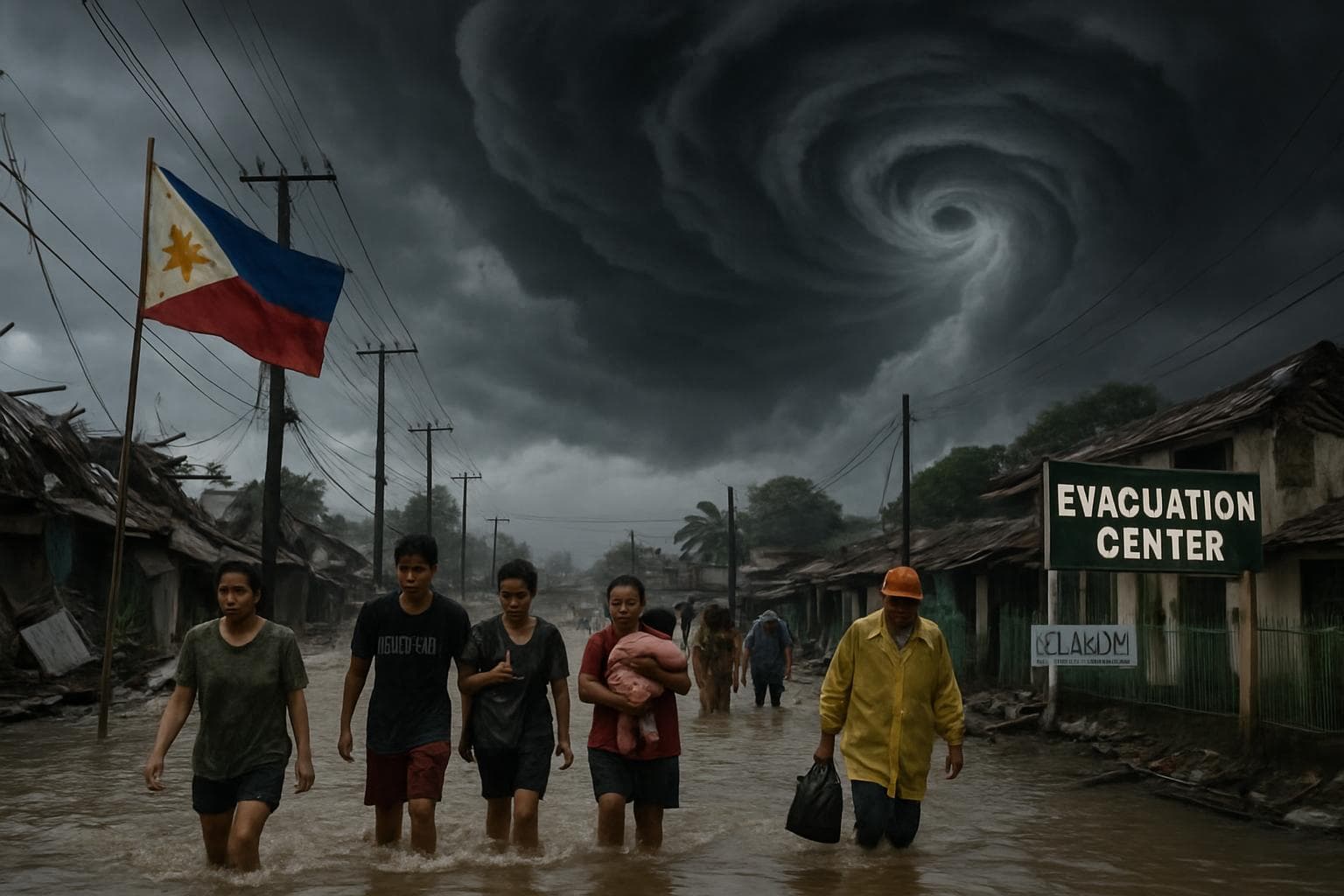
Typhoon Fung-wong, which initially struck the Philippines as a super typhoon, has left a path of destruction, resulting in two fatalities and the evacuation of 1.4 million residents. The storm, which made landfall on Sunday evening, has since weakened but continues to pose a threat as it moves towards Taiwan.
Impact on the Philippines
Fung-wong hit the Philippines with winds reaching 185km/h, causing flash floods, landslides, and widespread damage, particularly in the provinces of Luzon and Catanduanes. The storm's intensity prompted the evacuation of over a million people, with many seeking refuge in the 6,000 evacuation centers set up across the country. "Our personnel rescued 14 people who were trapped on the roof of a house engulfed in flood," reported Roberto Monterola, a disaster-mitigation officer in Catanduanes.
The Philippine government declared a state of emergency, allowing for expedited access to emergency funds and resources. This declaration follows the devastation caused by Typhoon Kalmaegi just days earlier, which resulted in over 200 deaths.
Moving Towards Taiwan
As Fung-wong moves into the South China Sea, it is expected to bring heavy rainfall and strong winds to Taiwan by midweek. The storm's trajectory remains variable, but authorities are preparing for potential flooding and storm surges.
Climate Crisis and Future Implications
The increasing frequency and intensity of typhoons in the region underscore the impacts of the climate crisis. The Philippines, one of the most vulnerable countries to tropical storms, has seen a 100% increase in super typhoons over the past two decades. The World Bank estimates that these intense storms cause an average of $3.5 million in damage annually.
WHAT THIS MIGHT MEAN
As Typhoon Fung-wong progresses towards Taiwan, authorities are on high alert for potential flooding and infrastructure damage. The storm's impact on Taiwan could further strain regional resources already stretched by recent weather events. In the Philippines, recovery efforts are underway, but the frequency of such storms raises concerns about long-term resilience and adaptation strategies. Experts warn that without significant global action on climate change, the region may face increasingly severe weather patterns, necessitating enhanced disaster preparedness and infrastructure investment.
Related Articles

Japan Seizes Chinese Fishing Vessel Amid Rising Diplomatic Tensions

China's Military Leadership in Turmoil Amid High-Profile Purge

Japan's Prime Minister Calls Snap Election Amid High Approval Ratings
China's Military Drills Around Taiwan Heighten Cross-Strait Tensions
Pentagon Shifts Defense Strategy to Prioritize US Homeland and Regional Allies

Trump Downplays China's Military Drills as Tensions Rise in Taiwan Strait
Typhoon Fung-wong Leaves Trail of Destruction in the Philippines, Heads Towards Taiwan
In This Article
HIGHLIGHTS
- Typhoon Fung-wong, downgraded from a super typhoon, has left two dead and displaced 1.4 million people in the Philippines.
- The storm, with winds up to 185km/h, caused significant flooding and damage, particularly in Luzon and Catanduanes.
- Authorities declared a state of emergency, enabling faster access to emergency funds and resources.
- Fung-wong is moving towards Taiwan, expected to bring heavy rain and strong winds midweek.
- The climate crisis is intensifying typhoons, with the Philippines experiencing a 100% increase in super typhoons over two decades.
Typhoon Fung-wong, which initially struck the Philippines as a super typhoon, has left a path of destruction, resulting in two fatalities and the evacuation of 1.4 million residents. The storm, which made landfall on Sunday evening, has since weakened but continues to pose a threat as it moves towards Taiwan.
Impact on the Philippines
Fung-wong hit the Philippines with winds reaching 185km/h, causing flash floods, landslides, and widespread damage, particularly in the provinces of Luzon and Catanduanes. The storm's intensity prompted the evacuation of over a million people, with many seeking refuge in the 6,000 evacuation centers set up across the country. "Our personnel rescued 14 people who were trapped on the roof of a house engulfed in flood," reported Roberto Monterola, a disaster-mitigation officer in Catanduanes.
The Philippine government declared a state of emergency, allowing for expedited access to emergency funds and resources. This declaration follows the devastation caused by Typhoon Kalmaegi just days earlier, which resulted in over 200 deaths.
Moving Towards Taiwan
As Fung-wong moves into the South China Sea, it is expected to bring heavy rainfall and strong winds to Taiwan by midweek. The storm's trajectory remains variable, but authorities are preparing for potential flooding and storm surges.
Climate Crisis and Future Implications
The increasing frequency and intensity of typhoons in the region underscore the impacts of the climate crisis. The Philippines, one of the most vulnerable countries to tropical storms, has seen a 100% increase in super typhoons over the past two decades. The World Bank estimates that these intense storms cause an average of $3.5 million in damage annually.
WHAT THIS MIGHT MEAN
As Typhoon Fung-wong progresses towards Taiwan, authorities are on high alert for potential flooding and infrastructure damage. The storm's impact on Taiwan could further strain regional resources already stretched by recent weather events. In the Philippines, recovery efforts are underway, but the frequency of such storms raises concerns about long-term resilience and adaptation strategies. Experts warn that without significant global action on climate change, the region may face increasingly severe weather patterns, necessitating enhanced disaster preparedness and infrastructure investment.
Related Articles
Japan Seizes Chinese Fishing Vessel Amid Rising Diplomatic Tensions
China's Military Leadership in Turmoil Amid High-Profile Purge
Japan's Prime Minister Calls Snap Election Amid High Approval Ratings
China's Military Drills Around Taiwan Heighten Cross-Strait Tensions
Pentagon Shifts Defense Strategy to Prioritize US Homeland and Regional Allies
Trump Downplays China's Military Drills as Tensions Rise in Taiwan Strait