
UK Government to Crack Down on Late Payments to Support Small Businesses
In This Article
HIGHLIGHTS
- The UK government plans to fine large companies that consistently delay payments to suppliers, aiming to support small businesses.
- New proposals include reducing maximum invoice terms from 60 to 45 days over five years to improve cash flow for small firms.
- The Small Business Commissioner will gain powers to impose fines on late-paying companies, with fines potentially doubling the interest owed.
- Labour's Plan for Change includes £4bn in funding for small businesses, with £1bn for start-up loans and £3bn for the British Business Bank.
- Late payments cost the UK economy £11bn annually, with 38 businesses closing daily due to this issue.
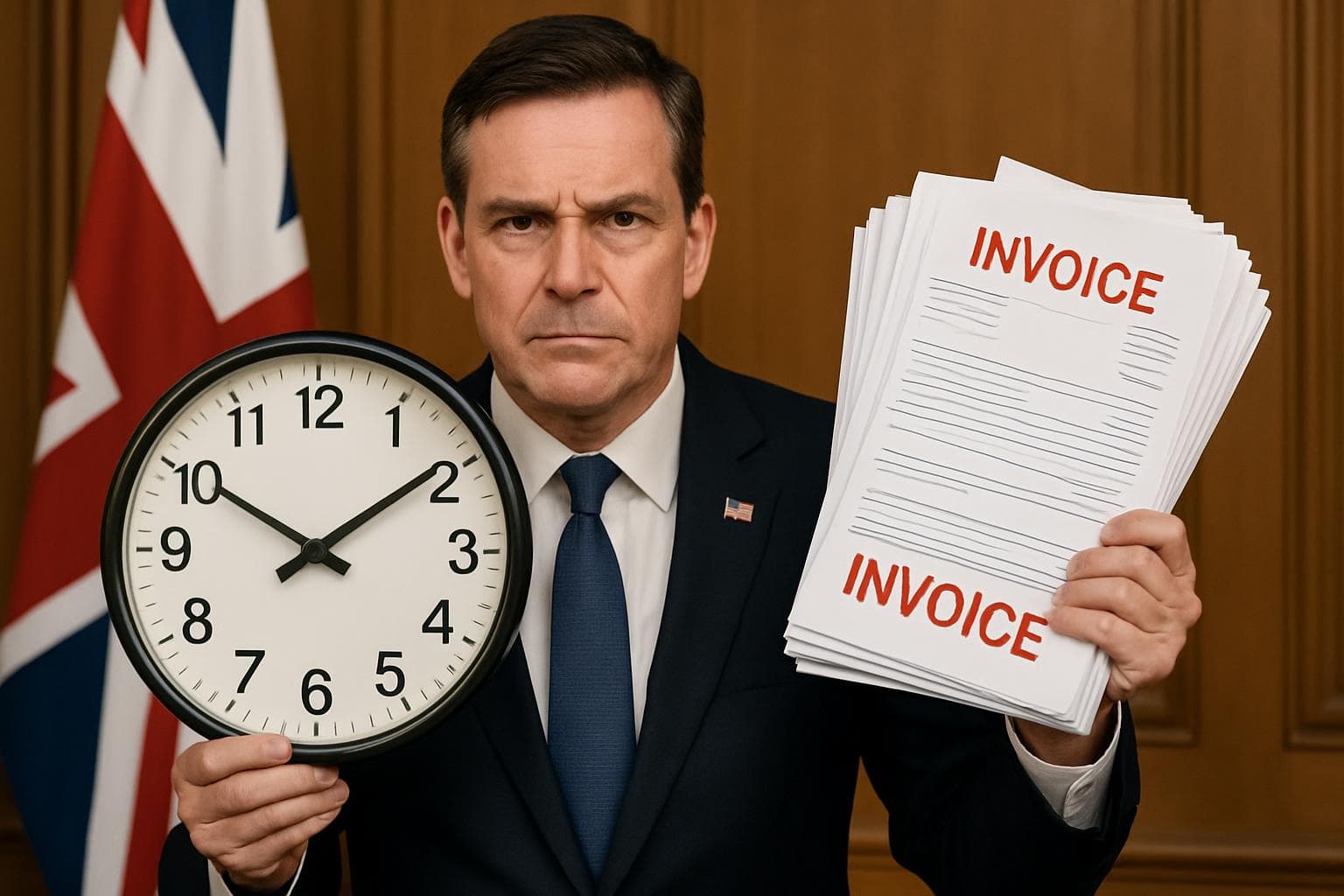
In a significant move to bolster small businesses, the UK government has unveiled plans to impose fines on large companies that habitually delay payments to their suppliers. The initiative, announced by Business Secretary Jonathan Reynolds, aims to address the persistent issue of late payments, which has been a major concern for small businesses across the country.
New Measures to Tackle Late Payments
The proposed measures, which are subject to a 12-week consultation, include empowering the Small Business Commissioner to fine companies that fail to pay a quarter of their invoices on time. These fines could be double the amount of interest owed, currently set at 8% plus the Bank of England base rate. The government estimates that around 1.5 million businesses are affected by late payments, with £26bn owed at any given time.
Reducing Invoice Terms
To further support small businesses, the government plans to reduce the maximum invoice terms from 60 days to 45 days over the next five years. This change is intended to improve cash flow for small firms, which often struggle with limited cash reserves. The move is part of a broader effort to address the "negotiating imbalance" between small and large businesses.
Labour's Plan for Change
The announcement coincides with Labour's Plan for Change, which includes £4bn in funding to support small businesses. Of this, £1bn will be allocated for start-up loans, while £3bn will go to the British Business Bank to provide government-backed loans. Prime Minister Sir Keir Starmer emphasized the importance of supporting small- and medium-sized enterprises, which employ 60% of the workforce and generate £2.8tn in turnover.
Economic Impact
Late payments are a significant burden on the UK economy, costing an estimated £11bn annually. According to government data, 38 businesses close each day partly due to this issue. The new measures are expected to provide much-needed relief to small businesses, allowing them to focus on growth rather than chasing overdue payments.
WHAT THIS MIGHT MEAN
The proposed crackdown on late payments could have far-reaching implications for the UK business landscape. If successfully implemented, the measures could significantly improve cash flow for small businesses, enabling them to invest in growth and innovation. However, the effectiveness of these changes will depend on the government's ability to enforce the new rules and ensure compliance among large companies.
Politically, the initiative could bolster Labour's standing among small business owners, who have long struggled with the issue of late payments. The move may also prompt other political parties to propose similar measures to support small businesses, potentially leading to a more competitive business environment in the UK.
Images from the Web

Related Articles

Global Counsel Faces Collapse Amidst Epstein Scandal Fallout
UK Inflation Drops to 3% in January, Sparking Interest Rate Cut Speculation
UK Faces Rising Youth Unemployment Amid Minimum Wage and Interest Rate Debates

Reform UK Pledges to Retain and Reform Budget Watchdog Amid Leadership Changes
UK Economy Sees Modest Growth Amidst Sectoral Challenges
Labour's Push for Closer EU Ties Sparks Debate
UK Government to Crack Down on Late Payments to Support Small Businesses
In This Article
 Daniel Rivera| Published
 HIGHLIGHTS
- The UK government plans to fine large companies that consistently delay payments to suppliers, aiming to support small businesses.
- New proposals include reducing maximum invoice terms from 60 to 45 days over five years to improve cash flow for small firms.
- The Small Business Commissioner will gain powers to impose fines on late-paying companies, with fines potentially doubling the interest owed.
- Labour's Plan for Change includes £4bn in funding for small businesses, with £1bn for start-up loans and £3bn for the British Business Bank.
- Late payments cost the UK economy £11bn annually, with 38 businesses closing daily due to this issue.
In a significant move to bolster small businesses, the UK government has unveiled plans to impose fines on large companies that habitually delay payments to their suppliers. The initiative, announced by Business Secretary Jonathan Reynolds, aims to address the persistent issue of late payments, which has been a major concern for small businesses across the country.
New Measures to Tackle Late Payments
The proposed measures, which are subject to a 12-week consultation, include empowering the Small Business Commissioner to fine companies that fail to pay a quarter of their invoices on time. These fines could be double the amount of interest owed, currently set at 8% plus the Bank of England base rate. The government estimates that around 1.5 million businesses are affected by late payments, with £26bn owed at any given time.
Reducing Invoice Terms
To further support small businesses, the government plans to reduce the maximum invoice terms from 60 days to 45 days over the next five years. This change is intended to improve cash flow for small firms, which often struggle with limited cash reserves. The move is part of a broader effort to address the "negotiating imbalance" between small and large businesses.
Labour's Plan for Change
The announcement coincides with Labour's Plan for Change, which includes £4bn in funding to support small businesses. Of this, £1bn will be allocated for start-up loans, while £3bn will go to the British Business Bank to provide government-backed loans. Prime Minister Sir Keir Starmer emphasized the importance of supporting small- and medium-sized enterprises, which employ 60% of the workforce and generate £2.8tn in turnover.
Economic Impact
Late payments are a significant burden on the UK economy, costing an estimated £11bn annually. According to government data, 38 businesses close each day partly due to this issue. The new measures are expected to provide much-needed relief to small businesses, allowing them to focus on growth rather than chasing overdue payments.
WHAT THIS MIGHT MEAN
The proposed crackdown on late payments could have far-reaching implications for the UK business landscape. If successfully implemented, the measures could significantly improve cash flow for small businesses, enabling them to invest in growth and innovation. However, the effectiveness of these changes will depend on the government's ability to enforce the new rules and ensure compliance among large companies.
Politically, the initiative could bolster Labour's standing among small business owners, who have long struggled with the issue of late payments. The move may also prompt other political parties to propose similar measures to support small businesses, potentially leading to a more competitive business environment in the UK.
Images from the Web
Related Articles
Global Counsel Faces Collapse Amidst Epstein Scandal Fallout
UK Inflation Drops to 3% in January, Sparking Interest Rate Cut Speculation
UK Faces Rising Youth Unemployment Amid Minimum Wage and Interest Rate Debates
Reform UK Pledges to Retain and Reform Budget Watchdog Amid Leadership Changes
UK Economy Sees Modest Growth Amidst Sectoral Challenges
Labour's Push for Closer EU Ties Sparks Debate