
UK Inflation Holds Steady as Chocolate Prices Surge Amid Cocoa Shortages

In This Article
HIGHLIGHTS
- UK inflation remained at 3.4% in May, with food prices rising for the third consecutive month, reaching 4.4%.
- Chocolate prices surged by 17.7% due to poor cocoa harvests in Ghana and Ivory Coast, the largest increase since 2016.
- Airfare costs fell by 5% in May, partially offsetting the rise in food prices, influenced by the timing of Easter.
- The Bank of England is expected to maintain interest rates at 4.25% despite inflation exceeding its 2% target.
- Economists suggest businesses are passing on increased National Insurance contributions to consumers, impacting inflation.
Inflation in the United Kingdom remained unchanged at 3.4% in May, as rising food prices were counterbalanced by falling transport costs, according to the latest data from the Office for National Statistics (ONS). This marks the third consecutive month of rising food inflation, which reached 4.4%, driven by significant increases in the cost of chocolate, sugar, and jam.
Chocolate Prices Hit Record Highs
Chocolate prices soared by 17.7% over the past year, the sharpest increase since records began in 2016. This spike is largely attributed to poor cocoa harvests in Ghana and Ivory Coast, which together account for over half of the world's cocoa production. Jonathan Parkman, head of agriculture at commodities broker Marex, highlighted that these regions are grappling with long-term government mismanagement and a surge in crop diseases. "There is little chance of a fall in chocolate prices this side of Christmas," Parkman noted.
Airfare Declines Offer Some Relief
While food prices climbed, the cost of air travel provided some respite, dropping by 5% between April and May. This decline contrasts with a 14.9% increase during the same period last year, influenced by the timing of Easter holidays. The ONS explained that Easter's later occurrence this year affected pricing strategies, leading to cheaper fares.
Economic Implications and Interest Rates
The Bank of England faces a complex decision as it prepares to meet this week. Despite inflation exceeding its 2% target, the central bank is expected to maintain interest rates at 4.25%. Ruth Gregory, deputy chief economist at Capital Economics, suggested that rising food prices might indicate businesses are passing on increased National Insurance contributions to consumers. This development adds pressure on the Bank to balance inflation control with economic growth.
Chancellor Rachel Reeves emphasized the government's commitment to economic renewal, while Shadow Chancellor Mel Stride criticized the current inflation figures as "deeply worrying for families." The British Retail Consortium warned that the costs from the Chancellor's Budget could not be fully absorbed by retailers, inevitably leading to higher prices for consumers.
WHAT THIS MIGHT MEAN
Looking ahead, the Bank of England's decision to maintain interest rates could have significant implications for the UK economy. If inflation continues to outpace wage growth, consumer purchasing power may be further eroded, potentially dampening economic recovery. Additionally, ongoing challenges in cocoa production could keep chocolate prices elevated, affecting consumer spending patterns.
Economists will be closely monitoring the impact of National Insurance contributions on inflation, as businesses may continue to pass these costs onto consumers. Should inflationary pressures persist, the Bank of England may face increased calls to adjust its monetary policy to support economic stability.
Ultimately, the trajectory of UK inflation will depend on a range of factors, including global commodity prices, domestic economic policies, and consumer confidence. As the situation evolves, policymakers will need to navigate these complexities to foster sustainable growth and financial stability.
Images from the Web

Related Articles
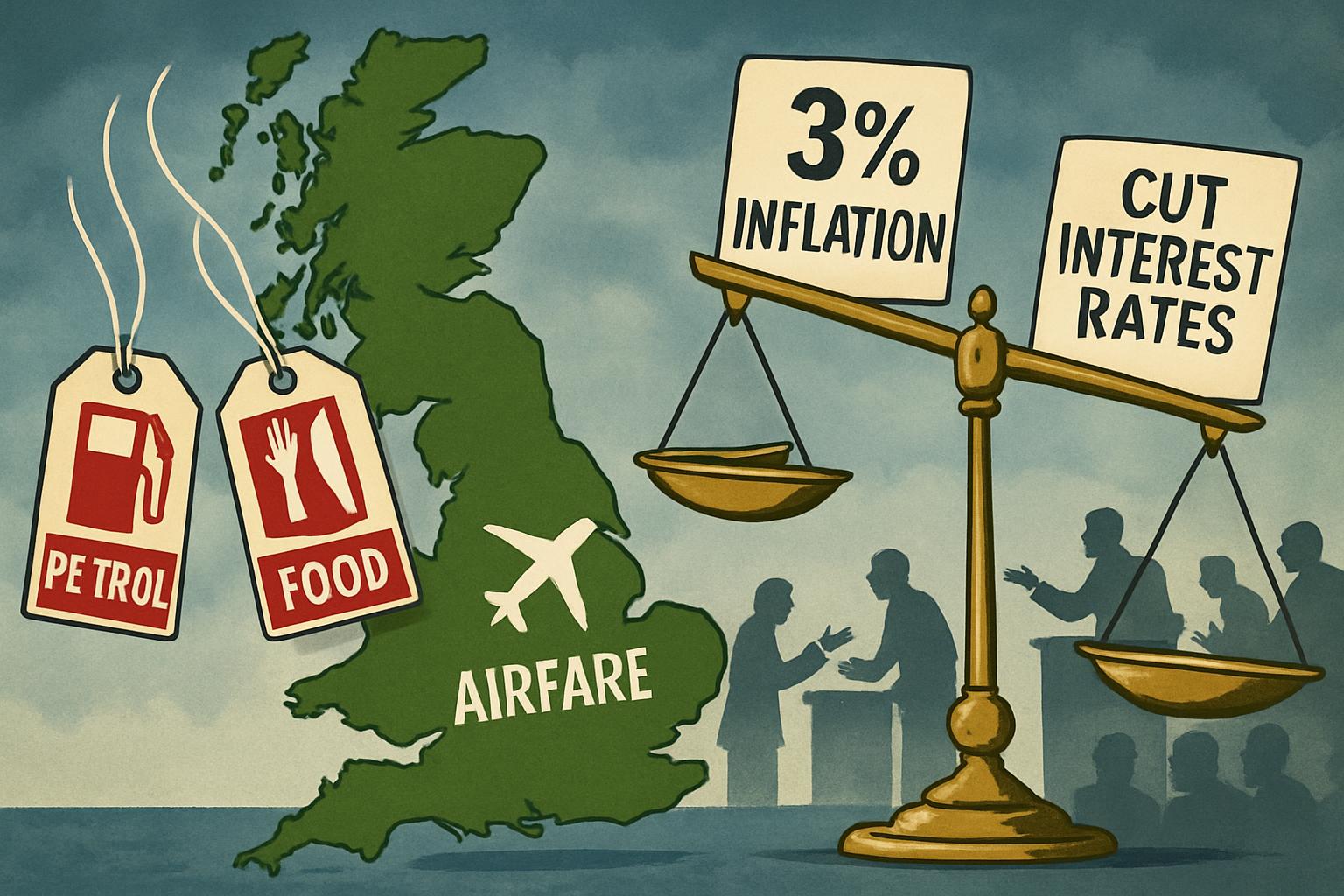
UK Inflation Drops to 3% in January, Sparking Interest Rate Cut Speculation
Trump Raises Import Tariffs to 15% After Supreme Court Setback
UK Achieves Record Budget Surplus Amid Calls for Fiscal Policy Reform

Breakthrough Drug Offers Hope for Children with Severe Epilepsy
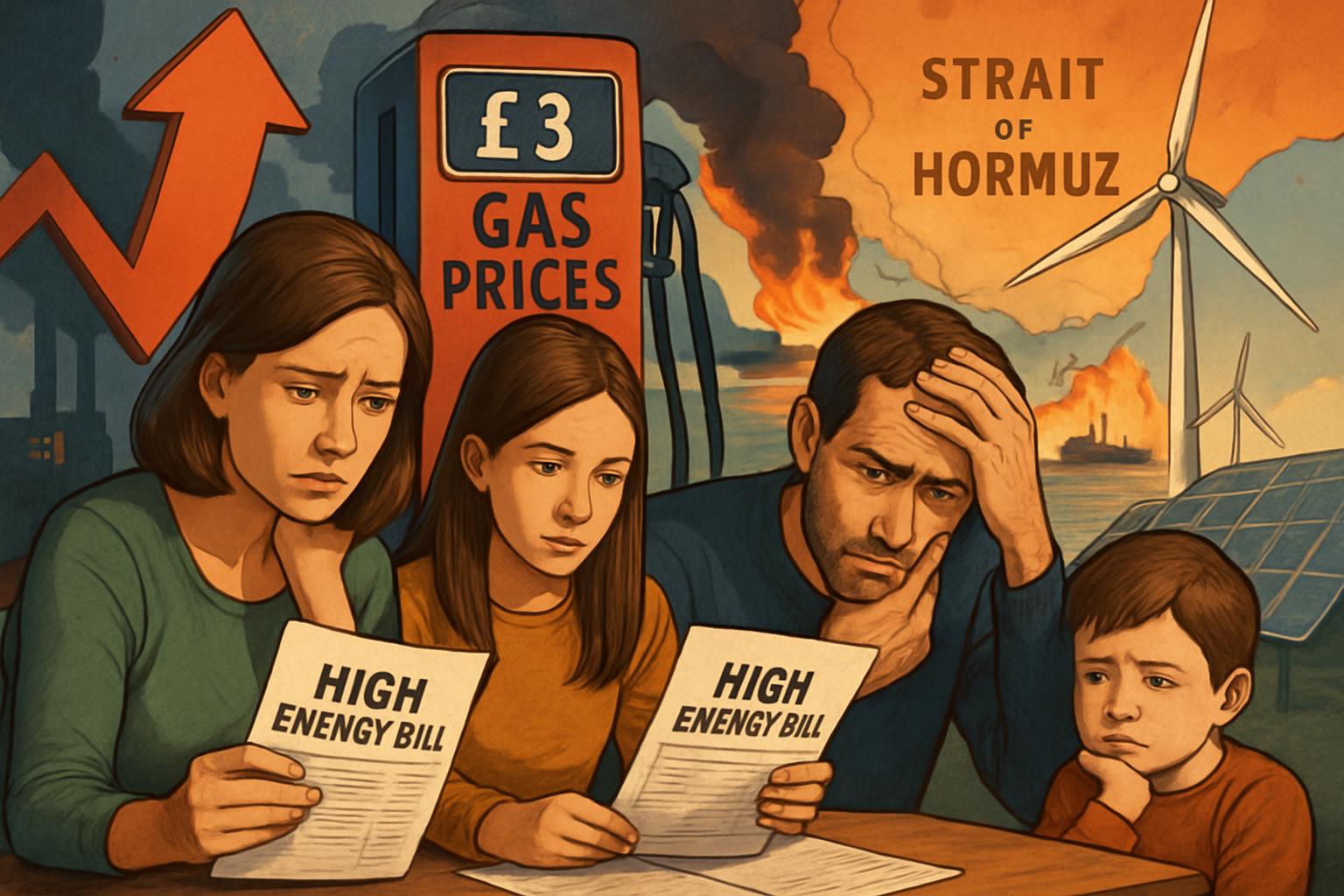
Middle East Conflict Drives UK Energy Prices to New Highs

Arrest of Andrew Mountbatten-Windsor Captured in Iconic Photograph
UK Inflation Holds Steady as Chocolate Prices Surge Amid Cocoa Shortages
In This Article
 Daniel Rivera| Published
 HIGHLIGHTS
- UK inflation remained at 3.4% in May, with food prices rising for the third consecutive month, reaching 4.4%.
- Chocolate prices surged by 17.7% due to poor cocoa harvests in Ghana and Ivory Coast, the largest increase since 2016.
- Airfare costs fell by 5% in May, partially offsetting the rise in food prices, influenced by the timing of Easter.
- The Bank of England is expected to maintain interest rates at 4.25% despite inflation exceeding its 2% target.
- Economists suggest businesses are passing on increased National Insurance contributions to consumers, impacting inflation.
Inflation in the United Kingdom remained unchanged at 3.4% in May, as rising food prices were counterbalanced by falling transport costs, according to the latest data from the Office for National Statistics (ONS). This marks the third consecutive month of rising food inflation, which reached 4.4%, driven by significant increases in the cost of chocolate, sugar, and jam.
Chocolate Prices Hit Record Highs
Chocolate prices soared by 17.7% over the past year, the sharpest increase since records began in 2016. This spike is largely attributed to poor cocoa harvests in Ghana and Ivory Coast, which together account for over half of the world's cocoa production. Jonathan Parkman, head of agriculture at commodities broker Marex, highlighted that these regions are grappling with long-term government mismanagement and a surge in crop diseases. "There is little chance of a fall in chocolate prices this side of Christmas," Parkman noted.
Airfare Declines Offer Some Relief
While food prices climbed, the cost of air travel provided some respite, dropping by 5% between April and May. This decline contrasts with a 14.9% increase during the same period last year, influenced by the timing of Easter holidays. The ONS explained that Easter's later occurrence this year affected pricing strategies, leading to cheaper fares.
Economic Implications and Interest Rates
The Bank of England faces a complex decision as it prepares to meet this week. Despite inflation exceeding its 2% target, the central bank is expected to maintain interest rates at 4.25%. Ruth Gregory, deputy chief economist at Capital Economics, suggested that rising food prices might indicate businesses are passing on increased National Insurance contributions to consumers. This development adds pressure on the Bank to balance inflation control with economic growth.
Chancellor Rachel Reeves emphasized the government's commitment to economic renewal, while Shadow Chancellor Mel Stride criticized the current inflation figures as "deeply worrying for families." The British Retail Consortium warned that the costs from the Chancellor's Budget could not be fully absorbed by retailers, inevitably leading to higher prices for consumers.
WHAT THIS MIGHT MEAN
Looking ahead, the Bank of England's decision to maintain interest rates could have significant implications for the UK economy. If inflation continues to outpace wage growth, consumer purchasing power may be further eroded, potentially dampening economic recovery. Additionally, ongoing challenges in cocoa production could keep chocolate prices elevated, affecting consumer spending patterns.
Economists will be closely monitoring the impact of National Insurance contributions on inflation, as businesses may continue to pass these costs onto consumers. Should inflationary pressures persist, the Bank of England may face increased calls to adjust its monetary policy to support economic stability.
Ultimately, the trajectory of UK inflation will depend on a range of factors, including global commodity prices, domestic economic policies, and consumer confidence. As the situation evolves, policymakers will need to navigate these complexities to foster sustainable growth and financial stability.
Images from the Web
Related Articles
UK Inflation Drops to 3% in January, Sparking Interest Rate Cut Speculation
Trump Raises Import Tariffs to 15% After Supreme Court Setback
UK Achieves Record Budget Surplus Amid Calls for Fiscal Policy Reform
Breakthrough Drug Offers Hope for Children with Severe Epilepsy
Middle East Conflict Drives UK Energy Prices to New Highs
Arrest of Andrew Mountbatten-Windsor Captured in Iconic Photograph