
UK Government Proposes Tax Relief for Pensioners with Sole State Pension Income
In This Article
HIGHLIGHTS
- Chancellor Rachel Reeves announced that pensioners relying solely on the state pension will not pay income tax during the current Parliament.
- The state pension is expected to rise above the income tax threshold by April 2027, potentially complicating tax obligations for pensioners.
- Experts warn of a two-tier system, as many pensioners with additional income already pay taxes, raising fairness concerns.
- The policy lacks detailed costing in the budget documents, indicating it remains a proposal rather than a finalized plan.
- Administrative challenges in collecting small tax amounts from pensioners are a key concern for the government.
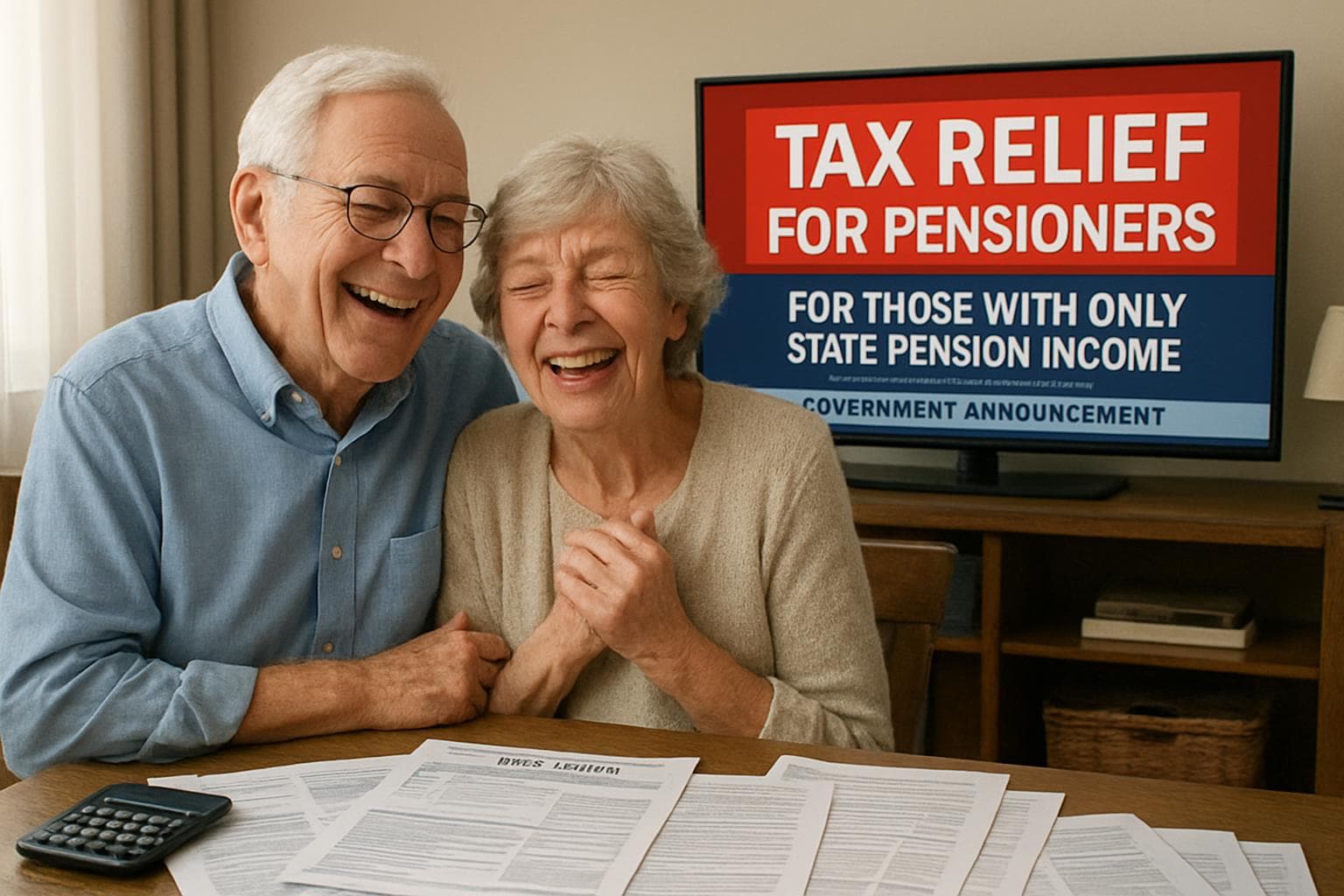
In a recent announcement, Chancellor Rachel Reeves stated that individuals whose only income is the state pension will not be required to pay income tax during the current Parliament. This policy aims to alleviate the administrative burden on pensioners and the government, as the state pension is projected to exceed the income tax threshold by April 2027.
Pension Income and Tax Thresholds
The state pension is set to increase to £241.30 per week next April, bringing the annual income to £12,547, just shy of the £12,570 personal tax allowance. With tax thresholds frozen, pensioners could face taxation on any amount exceeding this threshold by 2027. However, Reeves assured that those solely dependent on the state pension would be exempt from this tax, at least until the end of the current Parliament.
Concerns Over Fairness and Complexity
The proposal has sparked debate over fairness, as many pensioners with additional income already pay taxes. Steve Webb, a former pensions minister, highlighted the potential for a two-tier system, where pensioners on the new state pension might receive more favorable treatment than those on the old system. This discrepancy raises questions about the policy's equity and feasibility.
Administrative and Financial Implications
The government's decision to ease the tax burden on pensioners is partly driven by the complexities of collecting small tax amounts. Rachel Vahey from AJ Bell noted the administrative challenges involved in taxing millions of pensioners. Despite the announcement, the absence of detailed costing in the budget documents suggests that the policy is still in the conceptual stage.
WHAT THIS MIGHT MEAN
As the state pension approaches the income tax threshold, the UK government faces the challenge of implementing a fair and workable tax policy for pensioners. If the proposal moves forward, it could set a precedent for future tax policies affecting retirees. However, the lack of detailed financial planning raises concerns about its long-term viability. Experts suggest that the government must address the potential inequities between different groups of pensioners to avoid creating a two-tier system. As the policy evolves, its impact on the broader pension system and public finances will be closely scrutinized.
Related Articles
UK Inflation Drops to 3% in January, Sparking Interest Rate Cut Speculation
UK Economy Shows Modest Growth Amidst Global Challenges
UK Economy Sees Modest Growth Amidst Sectoral Challenges
Labour's Push for Closer EU Ties Sparks Debate
Bank of England Holds Interest Rates Steady Amid Inflation and Economic Concerns

UK Retail Sales See Unexpected Boost from Online Jewellery Demand
UK Government Proposes Tax Relief for Pensioners with Sole State Pension Income
In This Article
 Daniel Rivera| Published
 HIGHLIGHTS
- Chancellor Rachel Reeves announced that pensioners relying solely on the state pension will not pay income tax during the current Parliament.
- The state pension is expected to rise above the income tax threshold by April 2027, potentially complicating tax obligations for pensioners.
- Experts warn of a two-tier system, as many pensioners with additional income already pay taxes, raising fairness concerns.
- The policy lacks detailed costing in the budget documents, indicating it remains a proposal rather than a finalized plan.
- Administrative challenges in collecting small tax amounts from pensioners are a key concern for the government.
In a recent announcement, Chancellor Rachel Reeves stated that individuals whose only income is the state pension will not be required to pay income tax during the current Parliament. This policy aims to alleviate the administrative burden on pensioners and the government, as the state pension is projected to exceed the income tax threshold by April 2027.
Pension Income and Tax Thresholds
The state pension is set to increase to £241.30 per week next April, bringing the annual income to £12,547, just shy of the £12,570 personal tax allowance. With tax thresholds frozen, pensioners could face taxation on any amount exceeding this threshold by 2027. However, Reeves assured that those solely dependent on the state pension would be exempt from this tax, at least until the end of the current Parliament.
Concerns Over Fairness and Complexity
The proposal has sparked debate over fairness, as many pensioners with additional income already pay taxes. Steve Webb, a former pensions minister, highlighted the potential for a two-tier system, where pensioners on the new state pension might receive more favorable treatment than those on the old system. This discrepancy raises questions about the policy's equity and feasibility.
Administrative and Financial Implications
The government's decision to ease the tax burden on pensioners is partly driven by the complexities of collecting small tax amounts. Rachel Vahey from AJ Bell noted the administrative challenges involved in taxing millions of pensioners. Despite the announcement, the absence of detailed costing in the budget documents suggests that the policy is still in the conceptual stage.
WHAT THIS MIGHT MEAN
As the state pension approaches the income tax threshold, the UK government faces the challenge of implementing a fair and workable tax policy for pensioners. If the proposal moves forward, it could set a precedent for future tax policies affecting retirees. However, the lack of detailed financial planning raises concerns about its long-term viability. Experts suggest that the government must address the potential inequities between different groups of pensioners to avoid creating a two-tier system. As the policy evolves, its impact on the broader pension system and public finances will be closely scrutinized.
Related Articles
UK Inflation Drops to 3% in January, Sparking Interest Rate Cut Speculation
UK Economy Shows Modest Growth Amidst Global Challenges
UK Economy Sees Modest Growth Amidst Sectoral Challenges
Labour's Push for Closer EU Ties Sparks Debate
Bank of England Holds Interest Rates Steady Amid Inflation and Economic Concerns
UK Retail Sales See Unexpected Boost from Online Jewellery Demand