
UK-US Tensions Rise Over Chagos Islands Sovereignty Deal
In This Article
HIGHLIGHTS
- The UK plans to transfer sovereignty of the Chagos Islands to Mauritius, leasing back Diego Garcia for 99 years.
- US President Donald Trump has publicly opposed the deal, calling it "an act of great stupidity."
- UK Prime Minister Keir Starmer maintains that US intelligence agencies support the agreement.
- Concerns have arisen over potential US withdrawal from the deal, linked to Trump's interest in Greenland.
- The Chagos Islands have been under British control since 1814, with a UN ruling in 2021 challenging UK sovereignty.
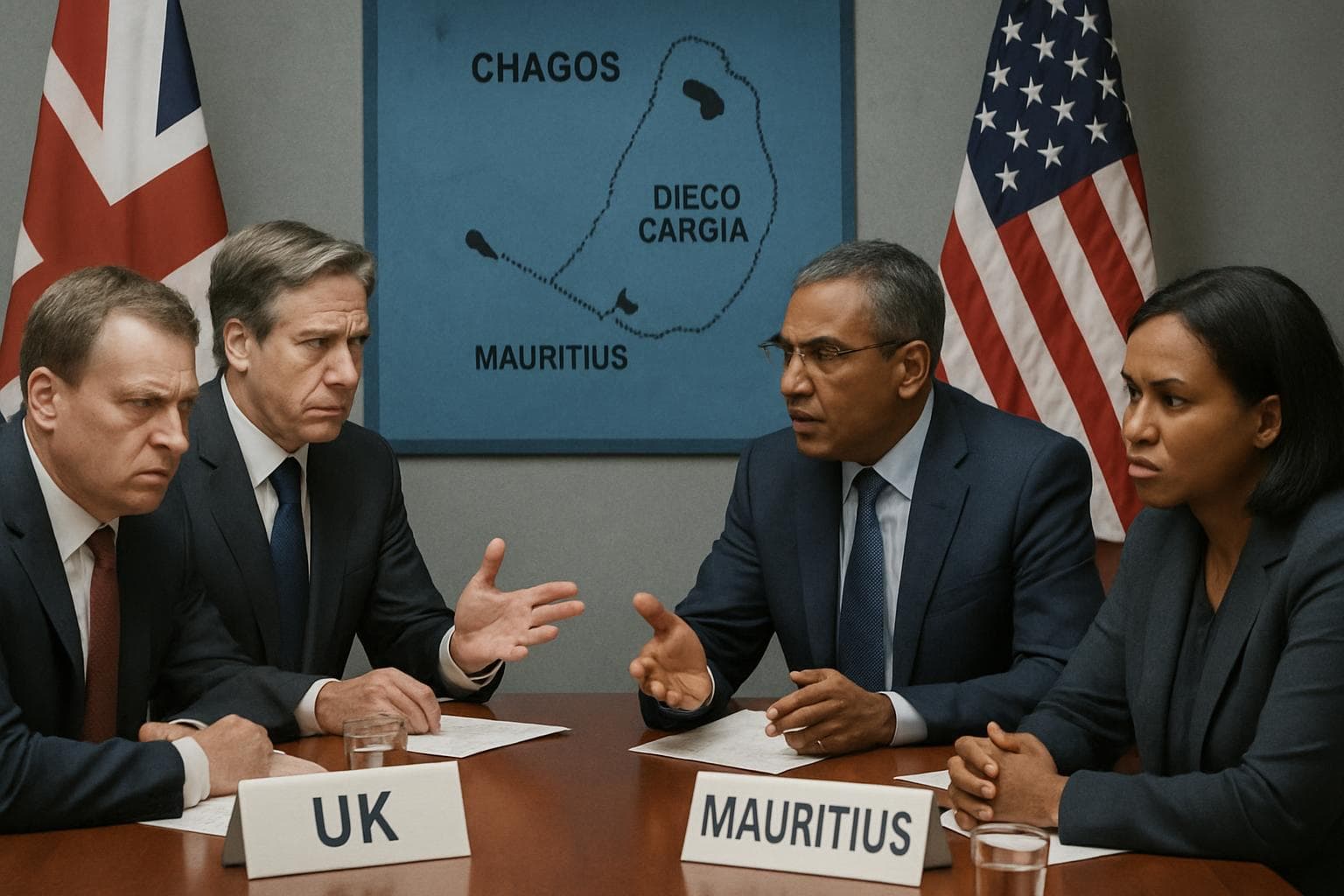
The UK is embroiled in a diplomatic quandary as discussions with the United States continue over the future of the Chagos Islands. The controversy centers on a deal to transfer sovereignty of the islands to Mauritius, while leasing back the strategically significant Diego Garcia military base for 99 years. This agreement, initially backed by the US, has recently faced opposition from President Donald Trump, who labeled it "an act of great stupidity."
Background and Current Developments
The Chagos Islands, under British control since 1814, became a focal point of international legal disputes when a 2021 United Nations court ruling declared the UK's sovereignty over the islands as illegitimate. This led to negotiations for the current deal, which was formally approved by UK Prime Minister Keir Starmer and Mauritius last May. The agreement aims to protect the military base from "malign interests," according to UK ministers.
However, Trump's recent social media outburst has cast doubt on US support. Despite this, Starmer insists that US intelligence agencies remain in favor of the deal, emphasizing that the Trump administration had previously reviewed and endorsed it. "There was a three-month pause whilst his administration looked in detail at an agency level," Starmer stated, highlighting the thoroughness of the initial US review.
Political Implications and Reactions
The situation is further complicated by Trump's interest in acquiring Greenland, with some suggesting his opposition to the Chagos deal is a strategic maneuver. Downing Street sources have dismissed the notion that the agreement could be derailed by the US, asserting it as a "done deal." Nonetheless, the UK government remains vigilant, with concerns that an official US policy shift could occur.
International and Strategic Concerns
The Chagos Islands' strategic importance, particularly Diego Garcia, cannot be overstated. The base plays a crucial role in US military operations, and any change in its status could have significant geopolitical ramifications. The Conservatives have criticized the deal, citing Mauritius's ties to China as a potential threat to national security.
WHAT THIS MIGHT MEAN
The unfolding situation over the Chagos Islands deal could have far-reaching implications for UK-US relations. Should the US officially withdraw support, it may strain diplomatic ties and impact military collaboration. Experts suggest that Trump's stance might be a negotiating tactic related to broader geopolitical ambitions, such as the Greenland acquisition. If the UK proceeds with the deal, it could face increased scrutiny from both domestic and international actors concerned about regional security dynamics. As the situation develops, the UK must navigate these complex diplomatic waters carefully to maintain its strategic interests and alliances.
Related Articles

UK Faces Dilemmas Amid Iran Conflict and China Spying Allegations
Diplomatic Tensions Rise as Trump Criticizes Starmer's Iran Policy
Intensified US-Israel Strikes on Iran Spark Global Outcry
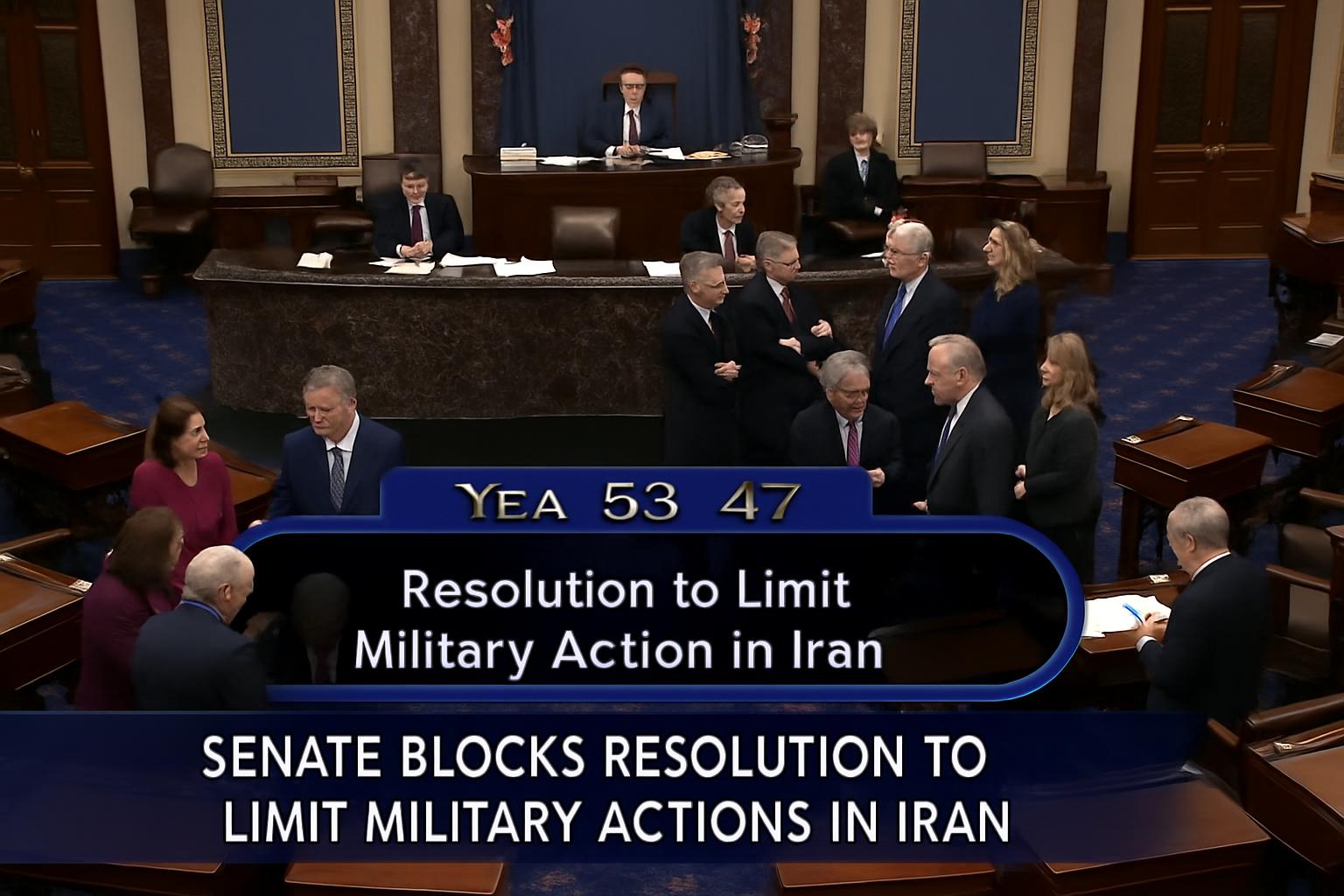
Senate Blocks Resolution to Limit Trump's Military Actions in Iran
UK-Iran Tensions: Starmer Defends Cautious Approach Amid Trump Criticism
Spain's Sánchez Stands Firm Against Trump's Trade Threat Over Iran Stance
UK-US Tensions Rise Over Chagos Islands Sovereignty Deal
In This Article
 Ethan Brooks| Published
 HIGHLIGHTS
- The UK plans to transfer sovereignty of the Chagos Islands to Mauritius, leasing back Diego Garcia for 99 years.
- US President Donald Trump has publicly opposed the deal, calling it "an act of great stupidity."
- UK Prime Minister Keir Starmer maintains that US intelligence agencies support the agreement.
- Concerns have arisen over potential US withdrawal from the deal, linked to Trump's interest in Greenland.
- The Chagos Islands have been under British control since 1814, with a UN ruling in 2021 challenging UK sovereignty.
The UK is embroiled in a diplomatic quandary as discussions with the United States continue over the future of the Chagos Islands. The controversy centers on a deal to transfer sovereignty of the islands to Mauritius, while leasing back the strategically significant Diego Garcia military base for 99 years. This agreement, initially backed by the US, has recently faced opposition from President Donald Trump, who labeled it "an act of great stupidity."
Background and Current Developments
The Chagos Islands, under British control since 1814, became a focal point of international legal disputes when a 2021 United Nations court ruling declared the UK's sovereignty over the islands as illegitimate. This led to negotiations for the current deal, which was formally approved by UK Prime Minister Keir Starmer and Mauritius last May. The agreement aims to protect the military base from "malign interests," according to UK ministers.
However, Trump's recent social media outburst has cast doubt on US support. Despite this, Starmer insists that US intelligence agencies remain in favor of the deal, emphasizing that the Trump administration had previously reviewed and endorsed it. "There was a three-month pause whilst his administration looked in detail at an agency level," Starmer stated, highlighting the thoroughness of the initial US review.
Political Implications and Reactions
The situation is further complicated by Trump's interest in acquiring Greenland, with some suggesting his opposition to the Chagos deal is a strategic maneuver. Downing Street sources have dismissed the notion that the agreement could be derailed by the US, asserting it as a "done deal." Nonetheless, the UK government remains vigilant, with concerns that an official US policy shift could occur.
International and Strategic Concerns
The Chagos Islands' strategic importance, particularly Diego Garcia, cannot be overstated. The base plays a crucial role in US military operations, and any change in its status could have significant geopolitical ramifications. The Conservatives have criticized the deal, citing Mauritius's ties to China as a potential threat to national security.
WHAT THIS MIGHT MEAN
The unfolding situation over the Chagos Islands deal could have far-reaching implications for UK-US relations. Should the US officially withdraw support, it may strain diplomatic ties and impact military collaboration. Experts suggest that Trump's stance might be a negotiating tactic related to broader geopolitical ambitions, such as the Greenland acquisition. If the UK proceeds with the deal, it could face increased scrutiny from both domestic and international actors concerned about regional security dynamics. As the situation develops, the UK must navigate these complex diplomatic waters carefully to maintain its strategic interests and alliances.
Related Articles
UK Faces Dilemmas Amid Iran Conflict and China Spying Allegations
Diplomatic Tensions Rise as Trump Criticizes Starmer's Iran Policy
Intensified US-Israel Strikes on Iran Spark Global Outcry
Senate Blocks Resolution to Limit Trump's Military Actions in Iran
UK-Iran Tensions: Starmer Defends Cautious Approach Amid Trump Criticism
Spain's Sánchez Stands Firm Against Trump's Trade Threat Over Iran Stance