
Stalled Peace Talks and Escalating Conflict in Ukraine's Donbas Region
In This Article
HIGHLIGHTS
- Russia controls approximately 85% of the Donbas region, with ongoing battles in strategic towns like Pokrovsk.
- Peace talks involving US envoys and Ukrainian negotiators have stalled, with no significant progress reported.
- Ukrainian President Zelensky expresses concern over waning US interest in the peace process.
- Civilians continue to flee the Donbas, seeking refuge in safer areas amid escalating drone attacks.
- A British military instructor has been detained in Ukraine on charges of espionage for Russia.
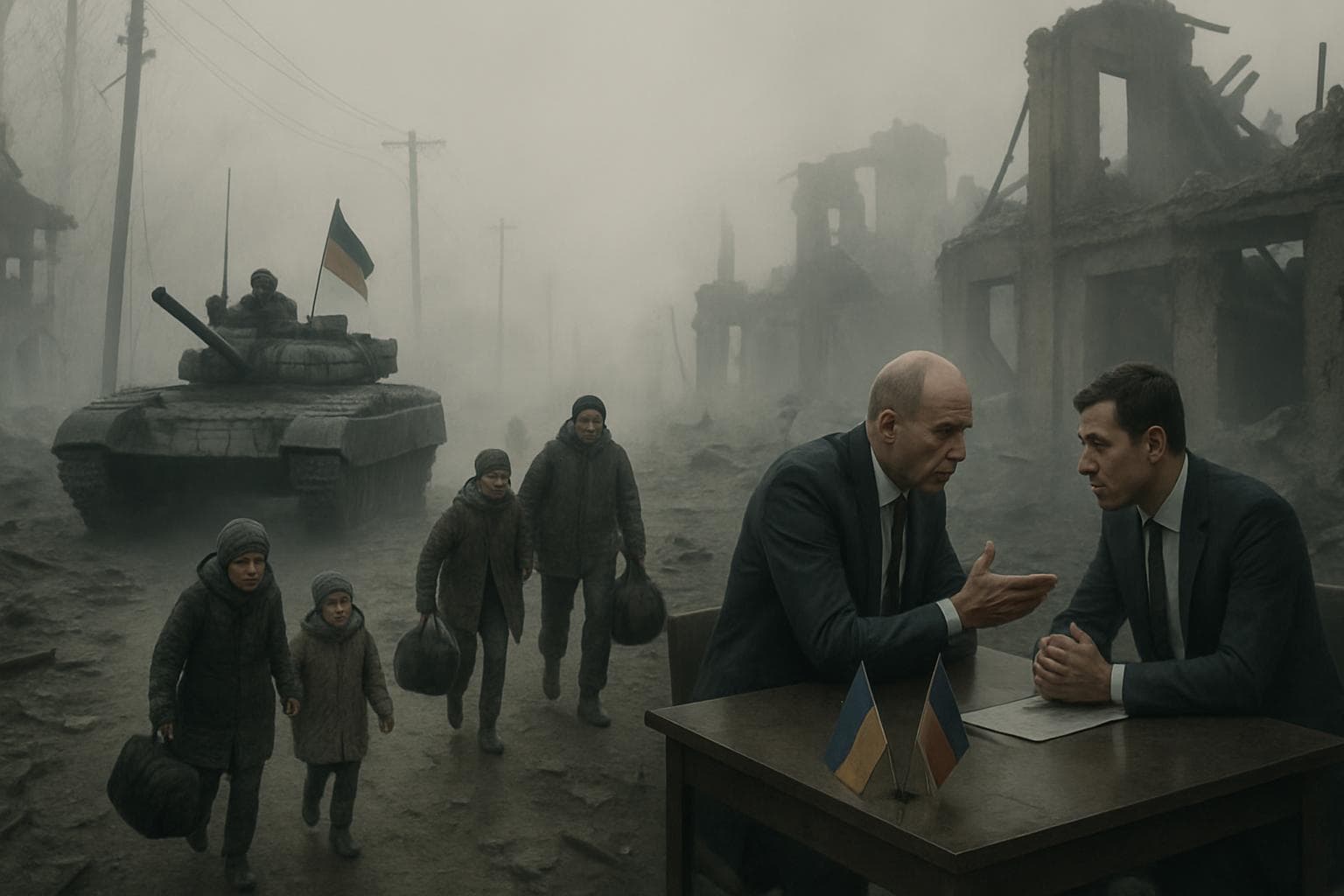
The ongoing conflict in Ukraine's eastern Donbas region remains a focal point of international concern as peace talks falter and military tensions escalate. Russian forces now control about 85% of the Donbas, which includes the contested regions of Luhansk and Donetsk. Despite this, Ukrainian forces continue to resist, particularly in strategic locations like Pokrovsk, where fighting persists.
Peace Talks Hit a Deadlock
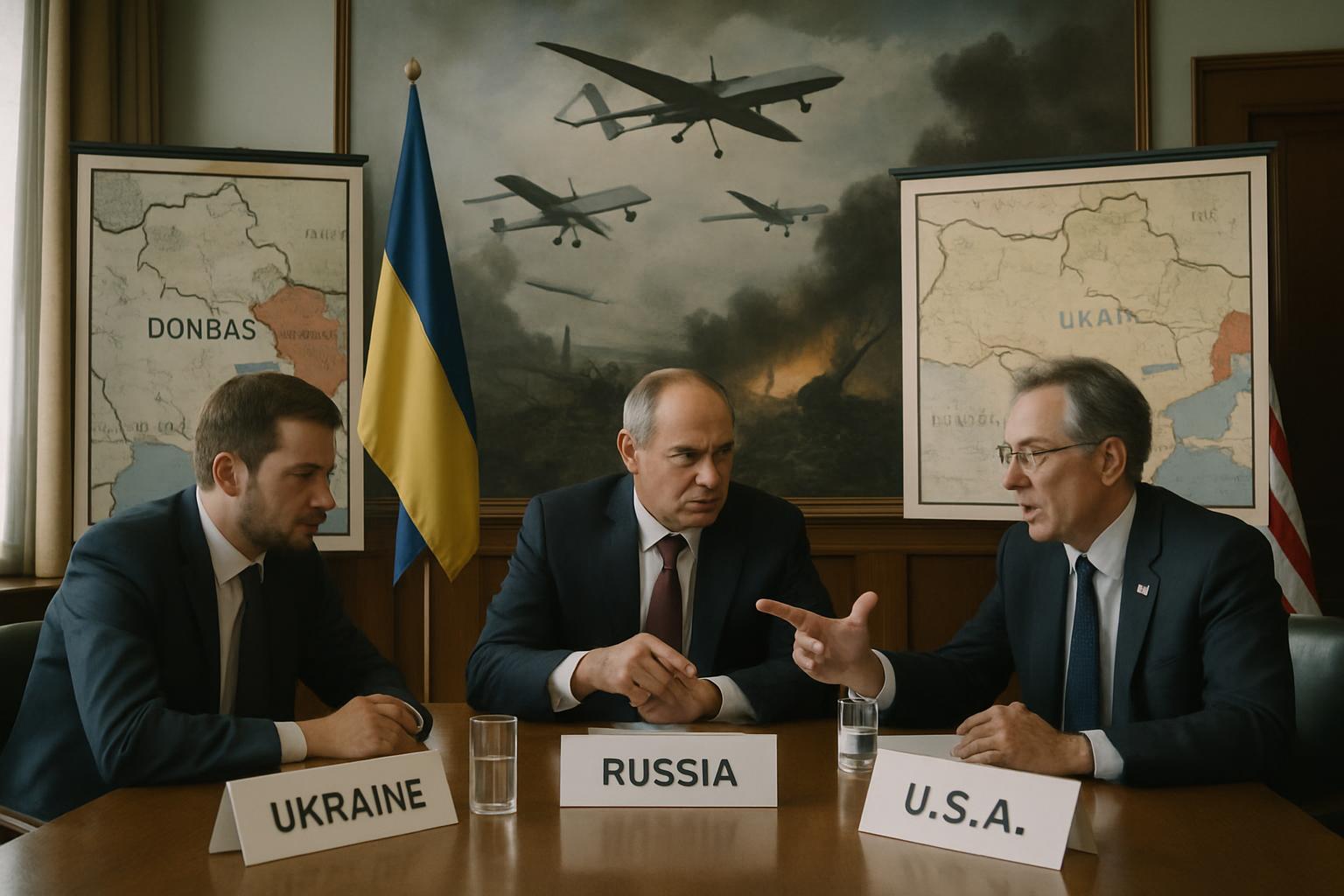
Recent diplomatic efforts to resolve the conflict have yet to yield tangible results. US envoy Steve Witkoff departed Moscow without any progress towards a peace deal, following a series of negotiations marred by disagreements. Kremlin aide Yuri Ushakov noted that both sides remain at an impasse, with significant work still required to bridge the gap. Ukrainian President Volodymyr Zelensky voiced concerns over diminishing US engagement, emphasizing the importance of continued American support in the peace process.
Humanitarian Crisis and Civilian Exodus
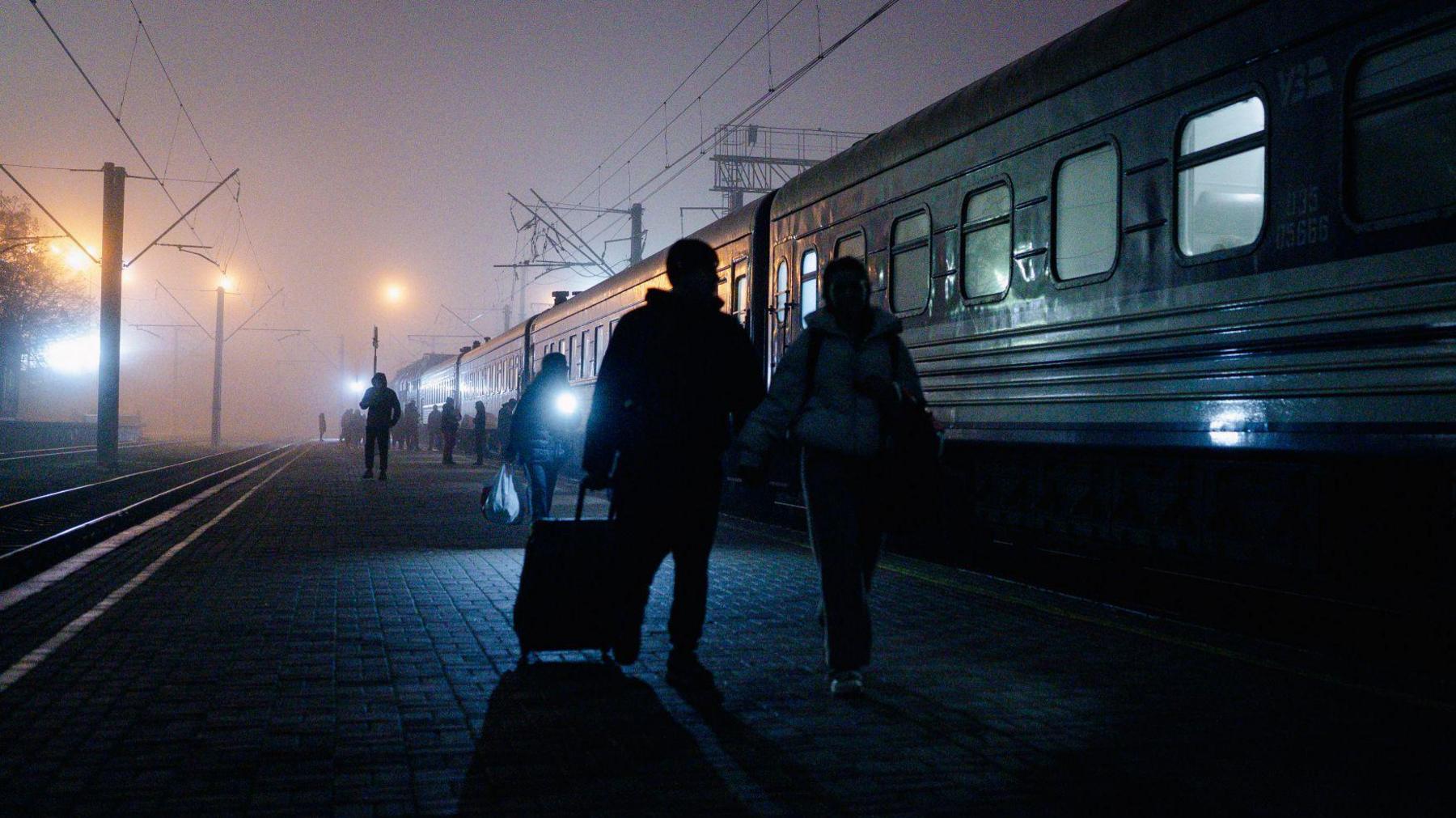
As the conflict drags on, civilians in the Donbas region are increasingly seeking refuge in safer areas. Reception centers across the border in Lozova report daily arrivals of around 200 people, fleeing the violence under the cover of heavy fog to avoid drone attacks. Among them are Yevheniy and Maryna, who recently escaped from Kramatorsk with their children, highlighting the growing humanitarian crisis.
Espionage Allegations and Military Tensions
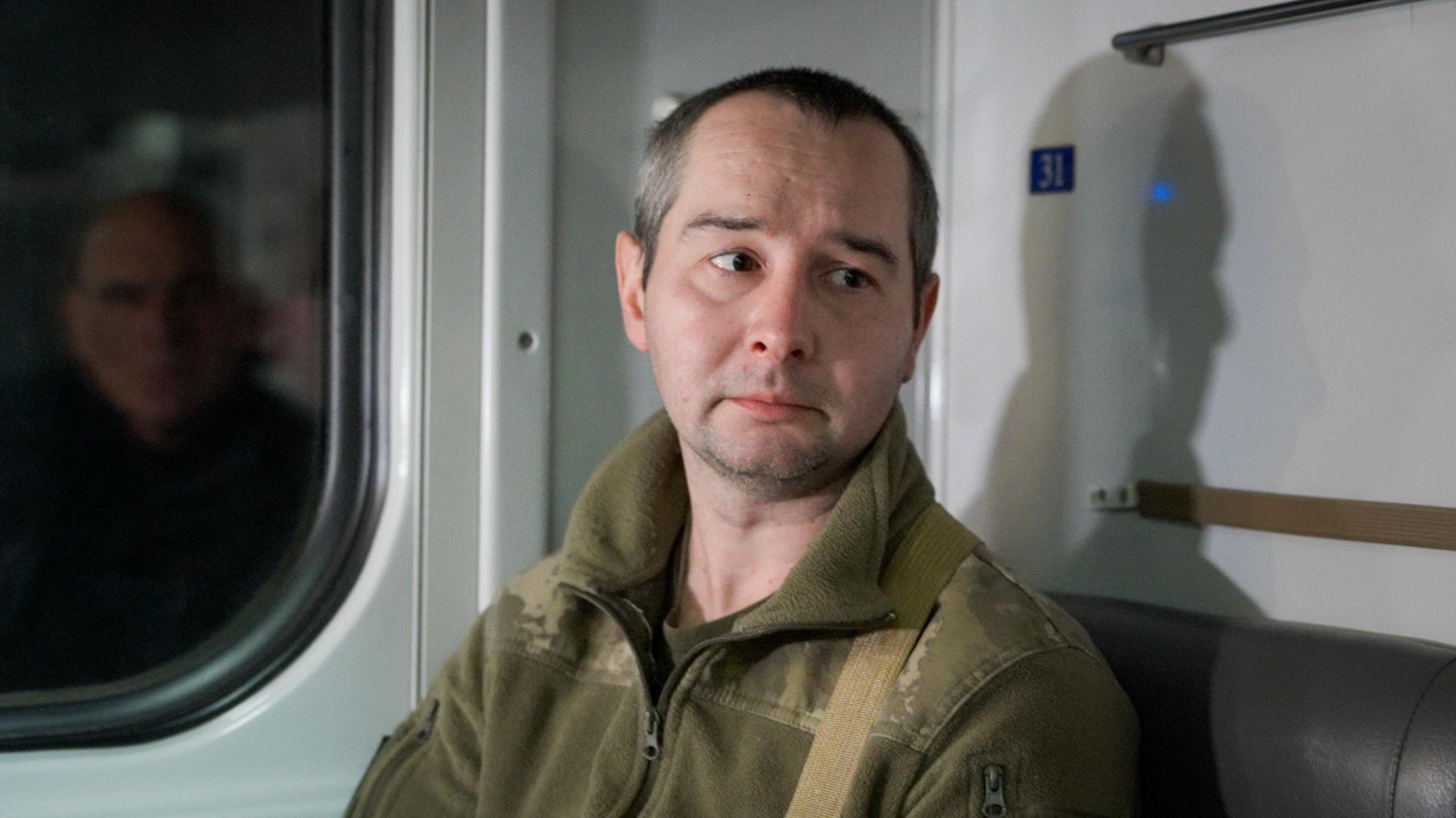
In a separate development, Ukrainian authorities have detained Ross David Cutmore, a British military instructor, on charges of espionage for Russia. The allegations include plans for targeted assassinations in Ukraine. Meanwhile, tensions in the Black Sea have risen, with reports of drone attacks on Russian-linked tankers, although Ukraine denies involvement.
WHAT THIS MIGHT MEAN
The current stalemate in peace negotiations suggests that the conflict in Ukraine's Donbas region may continue for the foreseeable future. With Russia maintaining a stronghold over much of the area, the likelihood of a swift resolution appears slim. The international community, particularly the US, faces pressure to sustain diplomatic efforts and prevent further escalation. Meanwhile, the humanitarian situation remains dire, with thousands displaced and in need of aid. As military tensions persist, the potential for broader regional instability looms, underscoring the urgent need for a renewed focus on diplomatic solutions.
Images from the Web

Related Articles
Geneva Talks See 'Meaningful Progress' Amid Tensions Over Ukraine-Russia Conflict
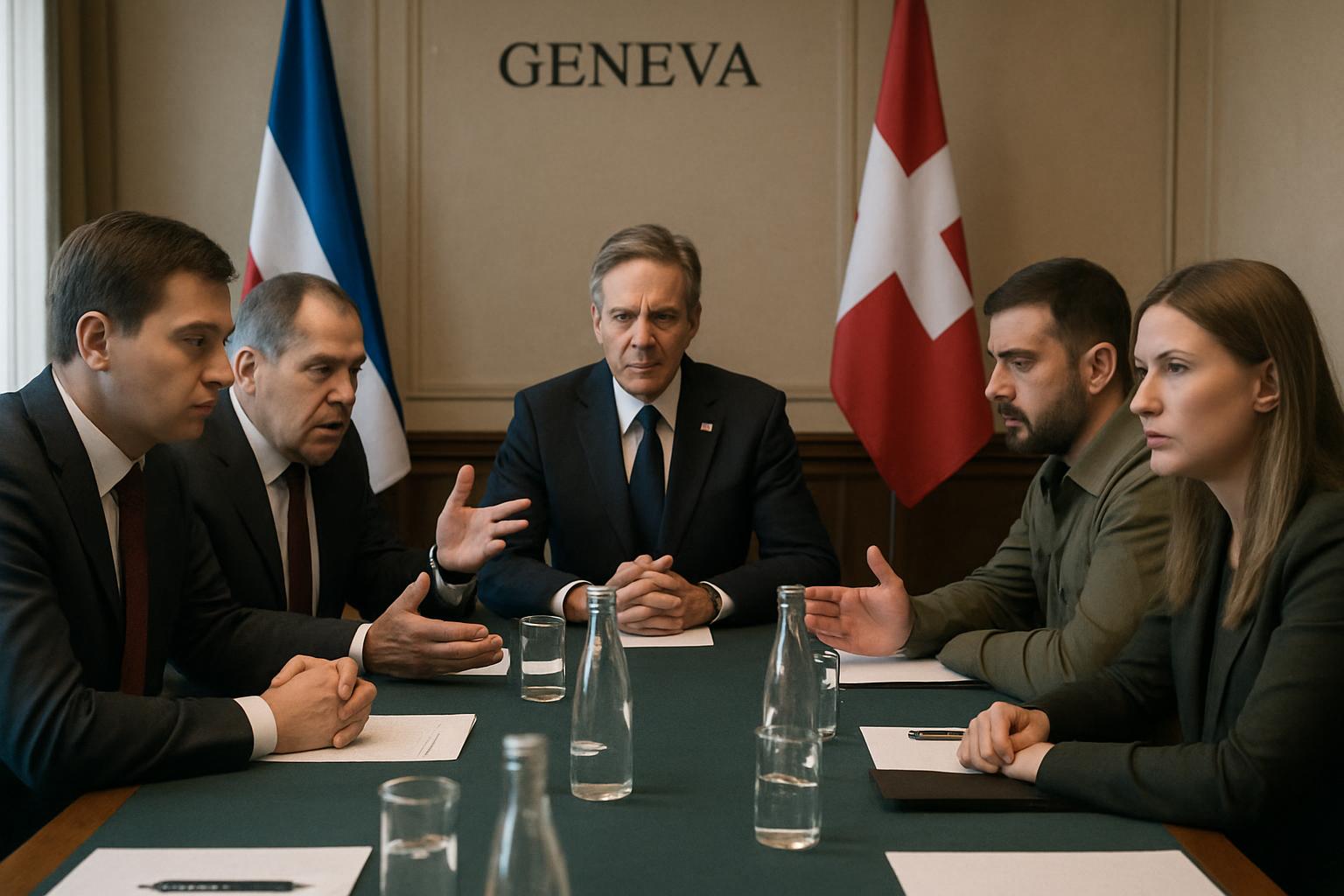
Geneva Peace Talks: Russia and Ukraine Seek Resolution Amid Ongoing Conflict
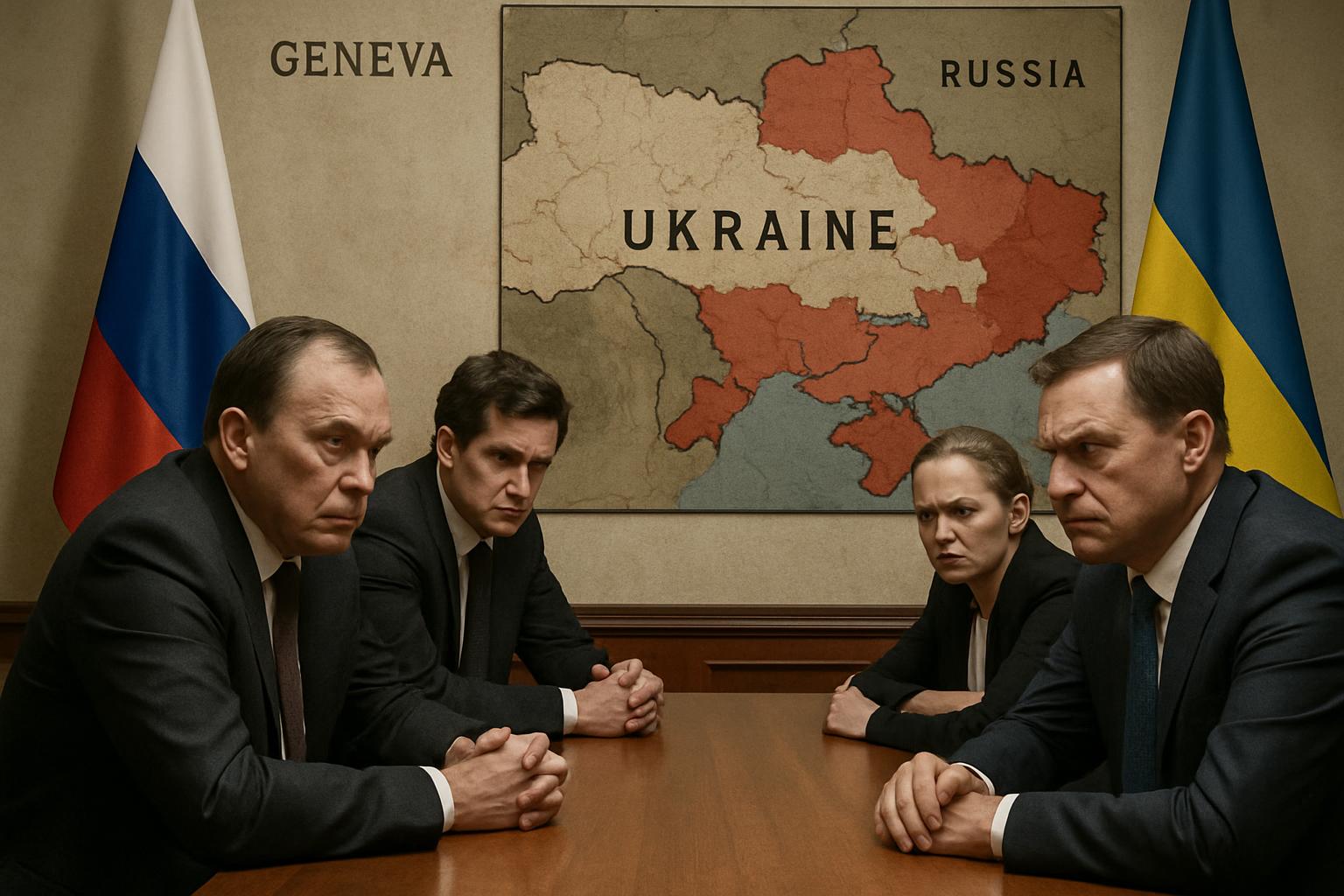
Geneva Peace Talks Between Russia and Ukraine End Without Breakthrough
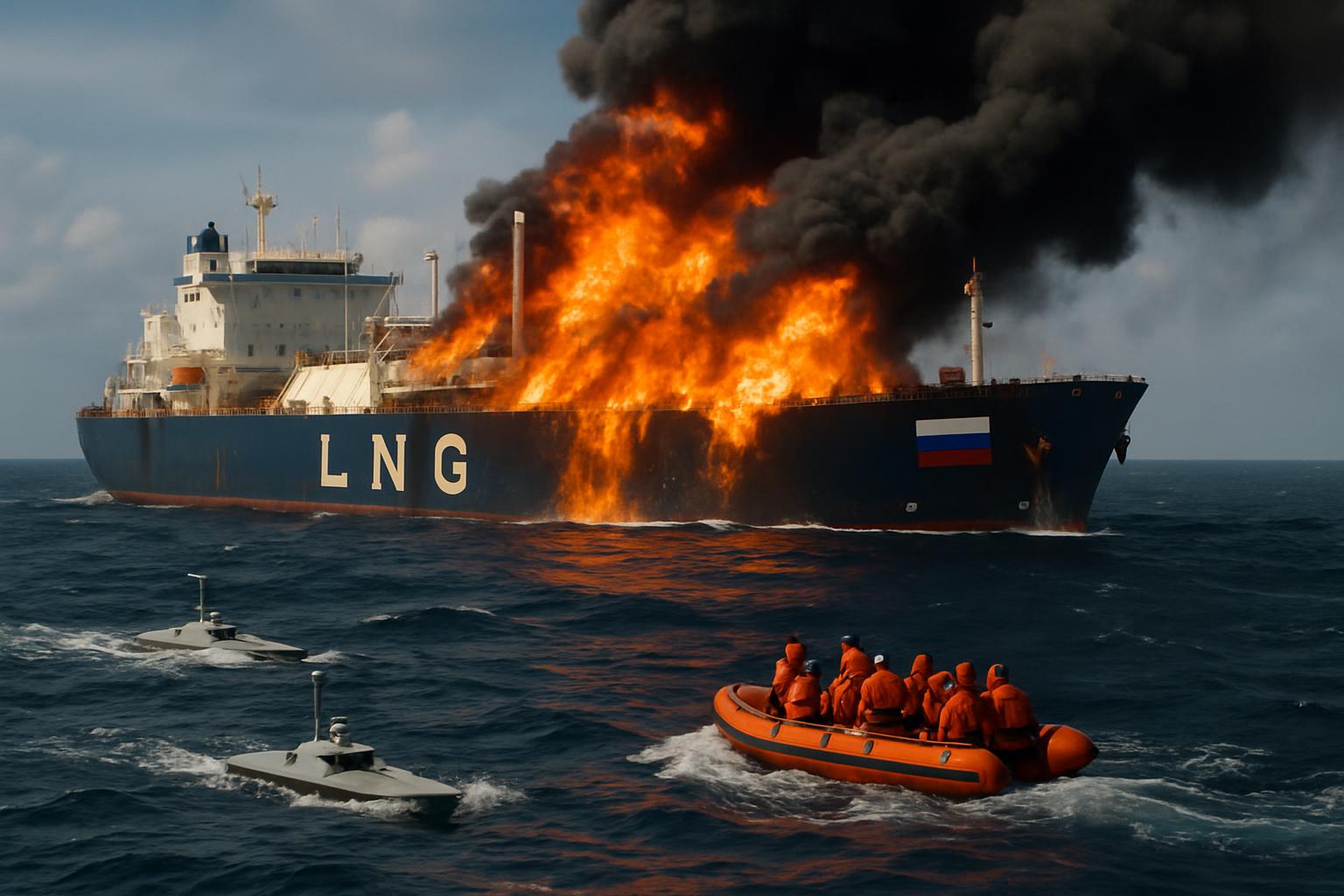
Russian LNG Tanker Sinks in Mediterranean Amid Accusations of Ukrainian Drone Attack
US-Iran Tensions Escalate Amid Renewed Nuclear Talks and Protests
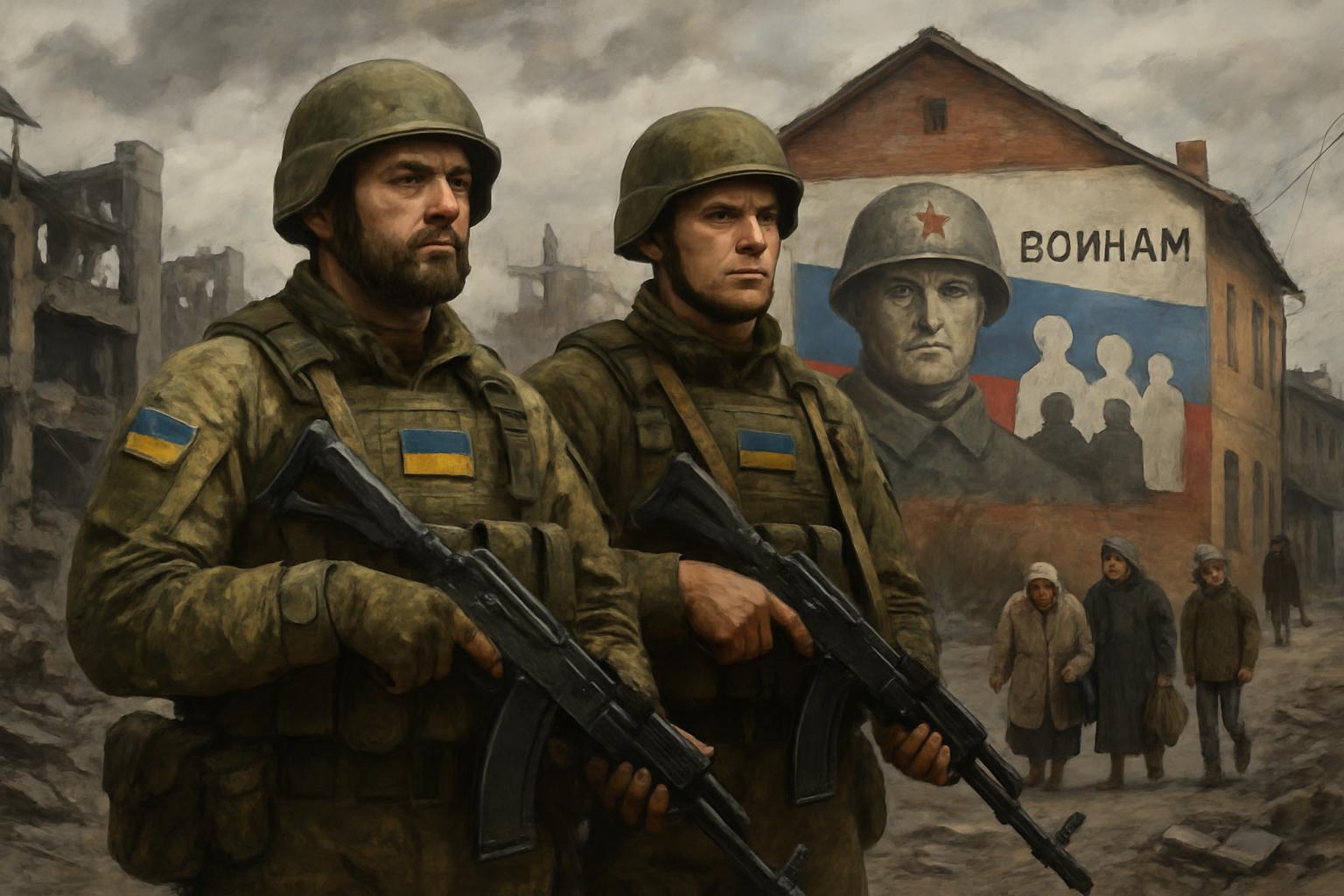
Russia-Ukraine Conflict: Four Years of Unyielding Struggle and Human Resilience
Stalled Peace Talks and Escalating Conflict in Ukraine's Donbas Region
In This Article
 Ethan Brooks| Published
 HIGHLIGHTS
- Russia controls approximately 85% of the Donbas region, with ongoing battles in strategic towns like Pokrovsk.
- Peace talks involving US envoys and Ukrainian negotiators have stalled, with no significant progress reported.
- Ukrainian President Zelensky expresses concern over waning US interest in the peace process.
- Civilians continue to flee the Donbas, seeking refuge in safer areas amid escalating drone attacks.
- A British military instructor has been detained in Ukraine on charges of espionage for Russia.
The ongoing conflict in Ukraine's eastern Donbas region remains a focal point of international concern as peace talks falter and military tensions escalate. Russian forces now control about 85% of the Donbas, which includes the contested regions of Luhansk and Donetsk. Despite this, Ukrainian forces continue to resist, particularly in strategic locations like Pokrovsk, where fighting persists.
Peace Talks Hit a Deadlock
Recent diplomatic efforts to resolve the conflict have yet to yield tangible results. US envoy Steve Witkoff departed Moscow without any progress towards a peace deal, following a series of negotiations marred by disagreements. Kremlin aide Yuri Ushakov noted that both sides remain at an impasse, with significant work still required to bridge the gap. Ukrainian President Volodymyr Zelensky voiced concerns over diminishing US engagement, emphasizing the importance of continued American support in the peace process.
Humanitarian Crisis and Civilian Exodus
As the conflict drags on, civilians in the Donbas region are increasingly seeking refuge in safer areas. Reception centers across the border in Lozova report daily arrivals of around 200 people, fleeing the violence under the cover of heavy fog to avoid drone attacks. Among them are Yevheniy and Maryna, who recently escaped from Kramatorsk with their children, highlighting the growing humanitarian crisis.
Espionage Allegations and Military Tensions
In a separate development, Ukrainian authorities have detained Ross David Cutmore, a British military instructor, on charges of espionage for Russia. The allegations include plans for targeted assassinations in Ukraine. Meanwhile, tensions in the Black Sea have risen, with reports of drone attacks on Russian-linked tankers, although Ukraine denies involvement.
WHAT THIS MIGHT MEAN
The current stalemate in peace negotiations suggests that the conflict in Ukraine's Donbas region may continue for the foreseeable future. With Russia maintaining a stronghold over much of the area, the likelihood of a swift resolution appears slim. The international community, particularly the US, faces pressure to sustain diplomatic efforts and prevent further escalation. Meanwhile, the humanitarian situation remains dire, with thousands displaced and in need of aid. As military tensions persist, the potential for broader regional instability looms, underscoring the urgent need for a renewed focus on diplomatic solutions.
Images from the Web
Related Articles
Geneva Talks See 'Meaningful Progress' Amid Tensions Over Ukraine-Russia Conflict
Geneva Peace Talks: Russia and Ukraine Seek Resolution Amid Ongoing Conflict
Geneva Peace Talks Between Russia and Ukraine End Without Breakthrough
Russian LNG Tanker Sinks in Mediterranean Amid Accusations of Ukrainian Drone Attack
US-Iran Tensions Escalate Amid Renewed Nuclear Talks and Protests
Russia-Ukraine Conflict: Four Years of Unyielding Struggle and Human Resilience