
Ukraine Proposes New Peace Talks Amid Intensifying Russian Airstrikes

In This Article
HIGHLIGHTS
- Ukraine has proposed a new round of peace talks with Russia, aiming to restart stalled negotiations and achieve a ceasefire.
- President Zelenskyy has expressed readiness for a face-to-face meeting with Russian President Putin to ensure lasting peace.
- Recent Russian airstrikes have intensified, with over 300 drones and 30 missiles hitting multiple Ukrainian regions, resulting in several casualties.
- Previous talks in Istanbul failed to progress towards a ceasefire, with Russia demanding Ukraine cede territory and reject Western military support.
- The US has threatened Russia with severe tariffs if a peace deal is not reached within 50 days, while promising Ukraine new military aid through NATO.
Ukraine has extended an olive branch to Russia, proposing a new round of peace talks in an effort to revive stalled negotiations and secure a ceasefire. President Volodymyr Zelenskyy announced the proposal on Saturday, following a devastating wave of Russian airstrikes that claimed multiple lives across the country.
Renewed Efforts for Peace
In a bid to accelerate the peace process, Ukraine's Security Council Secretary Rustem Umerov has suggested meeting with Russian counterparts next week. President Zelenskyy emphasized the need for a leadership-level meeting with Russian President Vladimir Putin, stating, "A meeting at the leadership level is needed to truly ensure peace."
The call for renewed negotiations comes after previous talks in Istanbul failed to yield significant progress. While large-scale prisoner exchanges were agreed upon, a ceasefire remained elusive as Russia demanded Ukraine cede more territory and reject Western military support—terms Kyiv found unacceptable.
Escalating Conflict and International Reactions
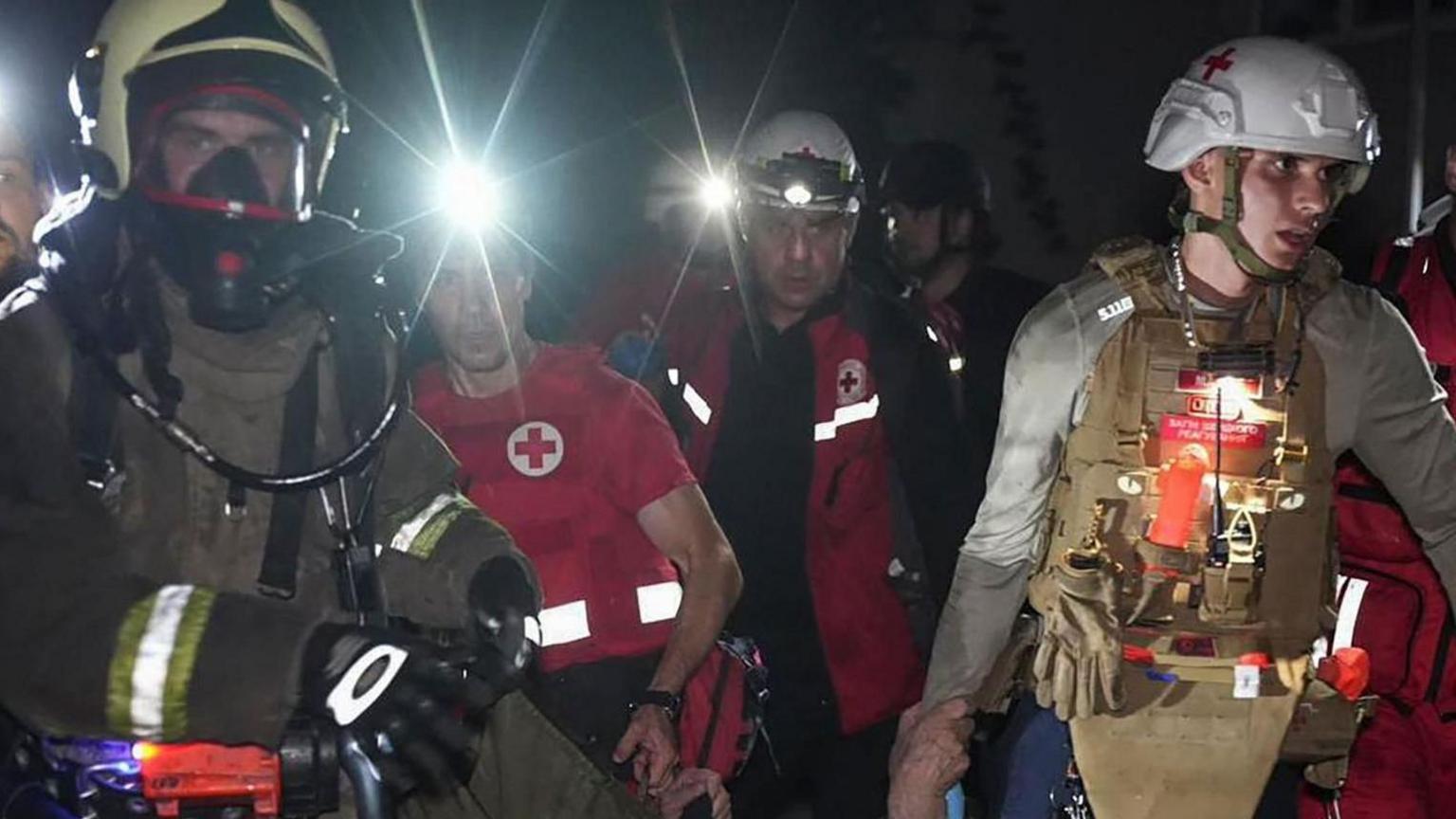
The urgency for peace talks is underscored by the recent escalation in Russian military aggression. Over the weekend, Russia launched a massive aerial assault, deploying more than 300 drones and 30 missiles across ten Ukrainian regions. The strikes resulted in several casualties, including deaths in the Dnipropetrovsk region and the Black Sea port city of Odesa.
In response to the ongoing conflict, the United States has issued a stern warning to Russia. President Donald Trump has set a 50-day deadline for a peace deal, threatening severe tariffs on Russia's trade partners if the deadline is not met. Concurrently, the US has pledged to supply Ukraine with advanced military aid through NATO allies.
Humanitarian Concerns and Deportations
Amidst the military tensions, Ukraine has accused Russia of deporting Ukrainian citizens into Georgia, leaving many stranded without proper identification. Ukrainian Foreign Minister Andrii Sybiha condemned the practice, describing it as Russia "weaponising the deportation of Ukrainian citizens."
WHAT THIS MIGHT MEAN
The proposed peace talks present a critical opportunity for de-escalating the conflict, but success hinges on both parties' willingness to compromise. Should the talks proceed, they could pave the way for a ceasefire and potentially a broader resolution to the conflict. However, if Russia maintains its hardline demands, the negotiations may stall once again.
The US-imposed deadline adds pressure on Russia to engage constructively, but it also risks escalating tensions if perceived as an ultimatum. Meanwhile, the humanitarian situation remains dire, with deportations and civilian casualties highlighting the urgent need for a diplomatic solution. As the international community watches closely, the coming weeks will be pivotal in determining the trajectory of the Ukraine-Russia conflict.
Images from the Web
Related Articles
Russian LNG Tanker Sinks in Mediterranean Amid Accusations of Ukrainian Drone Attack
Spain's Sánchez Stands Firm Against Trump's Trade Threat Over Iran Stance
Senate Blocks Resolution to Limit Trump's Military Actions in Iran

UK-Iran Tensions: Starmer Defends Cautious Approach Amid Trump Criticism
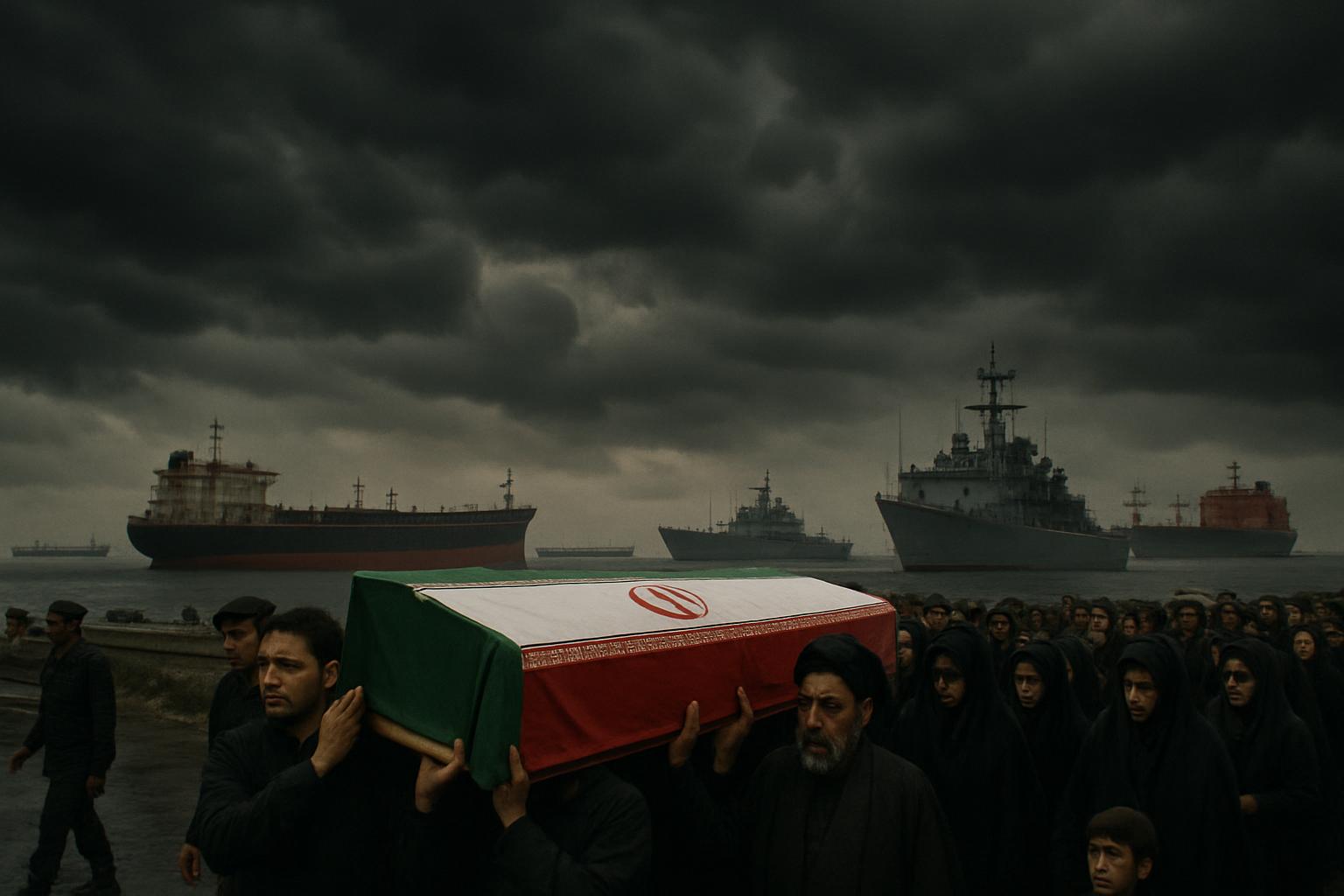
Iran Postpones Khamenei Funeral Amid Escalating US-Israeli Strikes

Congress Subpoenas Attorney General Bondi in Epstein Investigation
Ukraine Proposes New Peace Talks Amid Intensifying Russian Airstrikes
In This Article
 Ethan Brooks| Published
 HIGHLIGHTS
- Ukraine has proposed a new round of peace talks with Russia, aiming to restart stalled negotiations and achieve a ceasefire.
- President Zelenskyy has expressed readiness for a face-to-face meeting with Russian President Putin to ensure lasting peace.
- Recent Russian airstrikes have intensified, with over 300 drones and 30 missiles hitting multiple Ukrainian regions, resulting in several casualties.
- Previous talks in Istanbul failed to progress towards a ceasefire, with Russia demanding Ukraine cede territory and reject Western military support.
- The US has threatened Russia with severe tariffs if a peace deal is not reached within 50 days, while promising Ukraine new military aid through NATO.
Ukraine has extended an olive branch to Russia, proposing a new round of peace talks in an effort to revive stalled negotiations and secure a ceasefire. President Volodymyr Zelenskyy announced the proposal on Saturday, following a devastating wave of Russian airstrikes that claimed multiple lives across the country.
Renewed Efforts for Peace
In a bid to accelerate the peace process, Ukraine's Security Council Secretary Rustem Umerov has suggested meeting with Russian counterparts next week. President Zelenskyy emphasized the need for a leadership-level meeting with Russian President Vladimir Putin, stating, "A meeting at the leadership level is needed to truly ensure peace."
The call for renewed negotiations comes after previous talks in Istanbul failed to yield significant progress. While large-scale prisoner exchanges were agreed upon, a ceasefire remained elusive as Russia demanded Ukraine cede more territory and reject Western military support—terms Kyiv found unacceptable.
Escalating Conflict and International Reactions
The urgency for peace talks is underscored by the recent escalation in Russian military aggression. Over the weekend, Russia launched a massive aerial assault, deploying more than 300 drones and 30 missiles across ten Ukrainian regions. The strikes resulted in several casualties, including deaths in the Dnipropetrovsk region and the Black Sea port city of Odesa.
In response to the ongoing conflict, the United States has issued a stern warning to Russia. President Donald Trump has set a 50-day deadline for a peace deal, threatening severe tariffs on Russia's trade partners if the deadline is not met. Concurrently, the US has pledged to supply Ukraine with advanced military aid through NATO allies.
Humanitarian Concerns and Deportations
Amidst the military tensions, Ukraine has accused Russia of deporting Ukrainian citizens into Georgia, leaving many stranded without proper identification. Ukrainian Foreign Minister Andrii Sybiha condemned the practice, describing it as Russia "weaponising the deportation of Ukrainian citizens."
WHAT THIS MIGHT MEAN
The proposed peace talks present a critical opportunity for de-escalating the conflict, but success hinges on both parties' willingness to compromise. Should the talks proceed, they could pave the way for a ceasefire and potentially a broader resolution to the conflict. However, if Russia maintains its hardline demands, the negotiations may stall once again.
The US-imposed deadline adds pressure on Russia to engage constructively, but it also risks escalating tensions if perceived as an ultimatum. Meanwhile, the humanitarian situation remains dire, with deportations and civilian casualties highlighting the urgent need for a diplomatic solution. As the international community watches closely, the coming weeks will be pivotal in determining the trajectory of the Ukraine-Russia conflict.
Images from the Web
Related Articles
Russian LNG Tanker Sinks in Mediterranean Amid Accusations of Ukrainian Drone Attack
Spain's Sánchez Stands Firm Against Trump's Trade Threat Over Iran Stance
Senate Blocks Resolution to Limit Trump's Military Actions in Iran
UK-Iran Tensions: Starmer Defends Cautious Approach Amid Trump Criticism
Iran Postpones Khamenei Funeral Amid Escalating US-Israeli Strikes
Congress Subpoenas Attorney General Bondi in Epstein Investigation