
Ukrainian and Russian Energy Infrastructures Under Siege Amid Ongoing Conflict
In This Article
HIGHLIGHTS
- Over 100,000 Ukrainian homes lost power due to Russian drone attacks on energy infrastructure, affecting regions like Poltava and Sumy.
- Ukraine's strikes on Russian oil refineries have disrupted 17% of Russia's refining capacity, leading to fuel shortages and price hikes.
- Ukrainian President Zelensky seeks increased international pressure on Russia to halt attacks and secure peace.
- The US-led peace talks involve efforts for a ceasefire, with security guarantees for Ukraine being a key discussion point.
- Russia faces a severe fuel crisis, with motorists experiencing long queues and high prices due to disrupted refining operations.
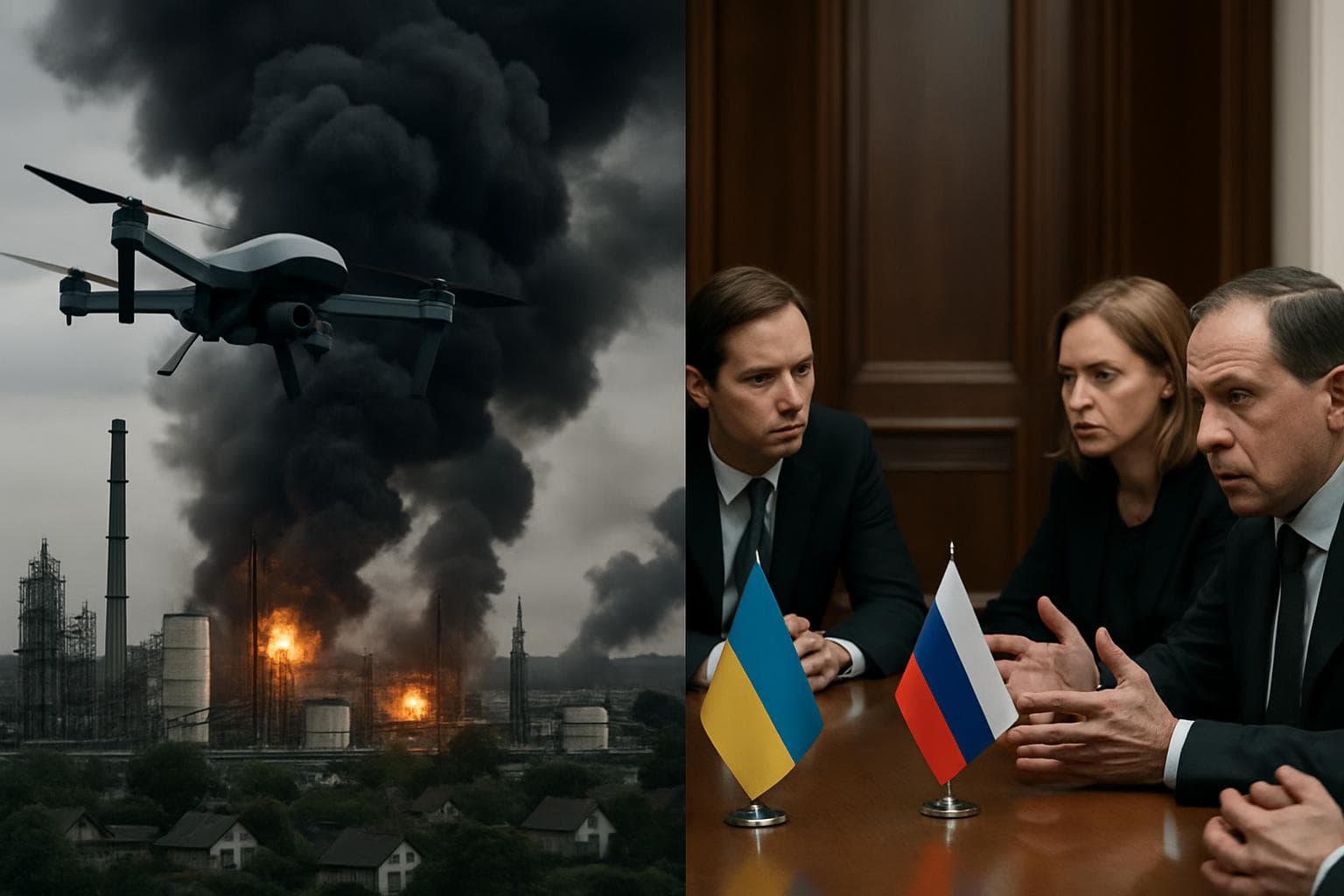
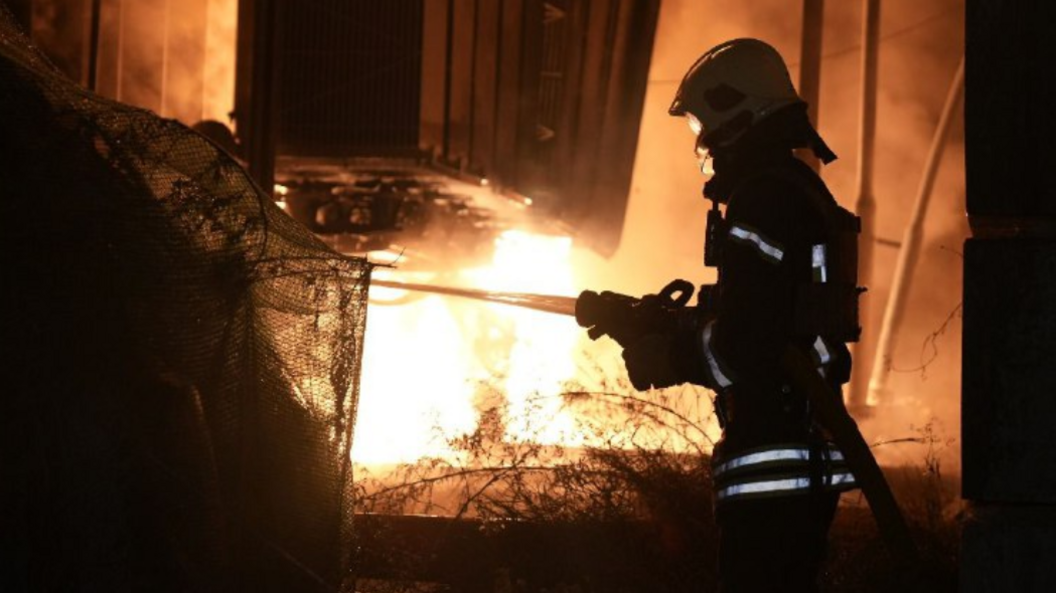
In a dramatic escalation of the ongoing conflict, Ukrainian and Russian energy infrastructures have become central targets, leading to widespread disruptions and economic strain. Ukrainian President Volodymyr Zelensky announced that recent Russian drone attacks have left over 100,000 homes without power, particularly impacting the Poltava, Sumy, and Chernihiv regions. These attacks are part of what Ukraine describes as Moscow's strategy to cripple civilian infrastructure as winter approaches.
Meanwhile, Ukraine has intensified its own drone strikes against Russian oil refineries, significantly impacting Russia's refining capacity. Analysts estimate that these strikes have disrupted at least 17% of Russia's refining operations, equivalent to 1.1 million barrels per day. This has resulted in severe fuel shortages and soaring prices across Russia, with motorists in remote areas facing long queues and resorting to more expensive fuel grades.
Impact on Russian Energy Sector
Russia, known as an energy superpower, is grappling with an unexpected fuel crisis. The strikes have particularly affected regions like the far east, southern Russia, and the annexed Crimean peninsula. Boris Aronstein, an independent oil and gas analyst, noted that the coordinated and repeated nature of the Ukrainian attacks has exacerbated the crisis, leaving refineries struggling to repair damage before new strikes occur.
Wholesale prices for A-95 petrol, Russia's most widely used fuel, have surged to record highs, highlighting the vulnerability of Russia's domestic petrol production. The situation is further complicated by Western sanctions, which have hindered Russia's ability to repair its refining infrastructure swiftly.
International Efforts for Peace
Amidst these tensions, international efforts to broker a ceasefire continue. US President Donald Trump has been at the forefront, facilitating peace talks with Russian President Vladimir Putin and European leaders. Zelensky has expressed support for these efforts but insists on security guarantees from Western allies to prevent future aggression.
In a show of support, Zelensky met with Adm Sir Tony Radakin, head of Britain's armed forces, to discuss potential security arrangements post-conflict. German Chancellor Friedrich Merz also emphasized the importance of long-term security guarantees for Ukraine's defense.
WHAT THIS MIGHT MEAN
As the conflict persists, the energy crisis in Russia could have far-reaching economic and political implications. The disruption in refining capacity may force Russia to reassess its energy export strategies and domestic production priorities. Meanwhile, Ukraine's ability to sustain its drone campaign could influence future peace negotiations, potentially strengthening its position in talks.
The international community's role in securing a ceasefire remains crucial. Security guarantees for Ukraine could pave the way for a more stable post-conflict environment, but achieving consensus among global powers will be challenging. The ongoing dialogue between key leaders, including Trump, Putin, and Zelensky, will be pivotal in shaping the region's future stability and security.
Images from the Web
Related Articles

Tech Giants Pledge to Cover AI Data Center Energy Costs Amid Rising Electricity Concerns
Russian LNG Tanker Sinks in Mediterranean Amid Accusations of Ukrainian Drone Attack

UK-Iran Tensions: Starmer Defends Cautious Approach Amid Trump Criticism

Diplomatic Tensions Rise as Trump Criticizes Starmer's Iran Policy
Canada and Australia Forge Strategic Partnership Amid Global Uncertainty

Congress Subpoenas Attorney General Bondi in Epstein Investigation
Ukrainian and Russian Energy Infrastructures Under Siege Amid Ongoing Conflict
In This Article
 Daniel Rivera| Published
 HIGHLIGHTS
- Over 100,000 Ukrainian homes lost power due to Russian drone attacks on energy infrastructure, affecting regions like Poltava and Sumy.
- Ukraine's strikes on Russian oil refineries have disrupted 17% of Russia's refining capacity, leading to fuel shortages and price hikes.
- Ukrainian President Zelensky seeks increased international pressure on Russia to halt attacks and secure peace.
- The US-led peace talks involve efforts for a ceasefire, with security guarantees for Ukraine being a key discussion point.
- Russia faces a severe fuel crisis, with motorists experiencing long queues and high prices due to disrupted refining operations.
In a dramatic escalation of the ongoing conflict, Ukrainian and Russian energy infrastructures have become central targets, leading to widespread disruptions and economic strain. Ukrainian President Volodymyr Zelensky announced that recent Russian drone attacks have left over 100,000 homes without power, particularly impacting the Poltava, Sumy, and Chernihiv regions. These attacks are part of what Ukraine describes as Moscow's strategy to cripple civilian infrastructure as winter approaches.
Meanwhile, Ukraine has intensified its own drone strikes against Russian oil refineries, significantly impacting Russia's refining capacity. Analysts estimate that these strikes have disrupted at least 17% of Russia's refining operations, equivalent to 1.1 million barrels per day. This has resulted in severe fuel shortages and soaring prices across Russia, with motorists in remote areas facing long queues and resorting to more expensive fuel grades.
Impact on Russian Energy Sector
Russia, known as an energy superpower, is grappling with an unexpected fuel crisis. The strikes have particularly affected regions like the far east, southern Russia, and the annexed Crimean peninsula. Boris Aronstein, an independent oil and gas analyst, noted that the coordinated and repeated nature of the Ukrainian attacks has exacerbated the crisis, leaving refineries struggling to repair damage before new strikes occur.
Wholesale prices for A-95 petrol, Russia's most widely used fuel, have surged to record highs, highlighting the vulnerability of Russia's domestic petrol production. The situation is further complicated by Western sanctions, which have hindered Russia's ability to repair its refining infrastructure swiftly.
International Efforts for Peace
Amidst these tensions, international efforts to broker a ceasefire continue. US President Donald Trump has been at the forefront, facilitating peace talks with Russian President Vladimir Putin and European leaders. Zelensky has expressed support for these efforts but insists on security guarantees from Western allies to prevent future aggression.
In a show of support, Zelensky met with Adm Sir Tony Radakin, head of Britain's armed forces, to discuss potential security arrangements post-conflict. German Chancellor Friedrich Merz also emphasized the importance of long-term security guarantees for Ukraine's defense.
WHAT THIS MIGHT MEAN
As the conflict persists, the energy crisis in Russia could have far-reaching economic and political implications. The disruption in refining capacity may force Russia to reassess its energy export strategies and domestic production priorities. Meanwhile, Ukraine's ability to sustain its drone campaign could influence future peace negotiations, potentially strengthening its position in talks.
The international community's role in securing a ceasefire remains crucial. Security guarantees for Ukraine could pave the way for a more stable post-conflict environment, but achieving consensus among global powers will be challenging. The ongoing dialogue between key leaders, including Trump, Putin, and Zelensky, will be pivotal in shaping the region's future stability and security.
Images from the Web
Related Articles
Tech Giants Pledge to Cover AI Data Center Energy Costs Amid Rising Electricity Concerns
Russian LNG Tanker Sinks in Mediterranean Amid Accusations of Ukrainian Drone Attack
UK-Iran Tensions: Starmer Defends Cautious Approach Amid Trump Criticism
Diplomatic Tensions Rise as Trump Criticizes Starmer's Iran Policy
Canada and Australia Forge Strategic Partnership Amid Global Uncertainty
Congress Subpoenas Attorney General Bondi in Epstein Investigation