
Ukraine-Russia Peace Talks Continue Amid High Casualties and Economic Strain
In This Article
HIGHLIGHTS
- Ukrainian President Volodymyr Zelensky reported 55,000 Ukrainian soldiers killed in the ongoing war with Russia.
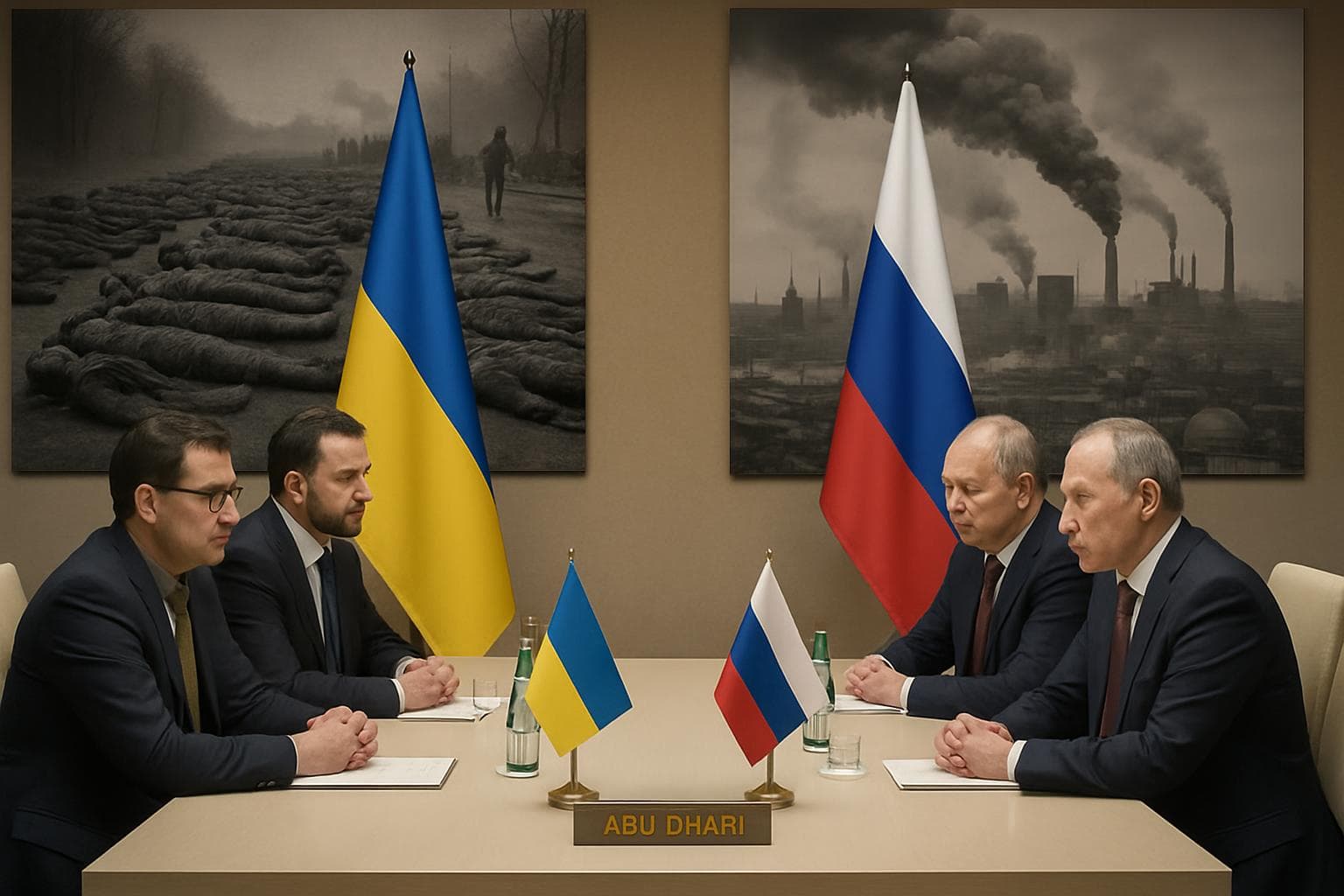
- US-led peace talks in Abu Dhabi, involving Ukraine and Russia, concluded without a breakthrough but included a significant prisoner exchange.
- US Treasury Secretary Scott Bessent hinted at potential new sanctions against Russia, contingent on the progress of peace negotiations.
- The Russian economy is under severe strain due to Western sanctions, with significant impacts on oil revenues and inflation rates.
- Both Ukrainian and Russian officials acknowledged progress in the talks, though substantial challenges remain.
In a stark revelation, Ukrainian President Volodymyr Zelensky announced that 55,000 Ukrainian soldiers have been killed in the ongoing conflict with Russia. This figure, disclosed during an interview with France 2 TV, underscores the heavy toll of the war that began with Russia's full-scale invasion on February 22, 2022. The conflict has also left a significant number of individuals officially missing, adding to the humanitarian crisis.
Peace Talks in Abu Dhabi
Amidst the grim statistics, efforts to broker peace continue. US special envoy Steve Witkoff, alongside Ukrainian and Russian negotiators, engaged in a second round of talks in Abu Dhabi. These discussions, described as "detailed and productive" by Witkoff, included a major prisoner exchange, signaling a tentative step towards diplomatic engagement. However, Witkoff cautioned that "significant work remains" to achieve a lasting resolution.
Economic Sanctions and Strain
The economic ramifications of the conflict are becoming increasingly apparent. US Treasury Secretary Scott Bessent indicated that further sanctions against Russia's shadow fleet are under consideration, contingent on the progress of peace talks. The Russian economy is reportedly under its greatest strain since the war's inception, with plummeting oil revenues and rising inflation. EU sanctions envoy David O’Sullivan noted that while sanctions are not a "silver bullet," they are exerting significant pressure on Russia's war economy.
Diplomatic Challenges Ahead
Despite the challenges, there is a glimmer of hope. Ukrainian officials, including Kyrylo Budanov, expressed gratitude for the US and UAE's mediation efforts, describing the talks as "genuinely constructive." Russian representative Kirill Dmitriev echoed this sentiment, acknowledging progress in the discussions. Both sides remain committed to seeking a fair resolution, though the path forward is fraught with complexities.
WHAT THIS MIGHT MEAN
As peace talks continue, the potential for new US sanctions looms, which could further strain Russia's already beleaguered economy. The success of these negotiations hinges on both parties' willingness to compromise, particularly on contentious issues like territorial control in the Donbas region. Experts suggest that sustained diplomatic engagement, coupled with economic pressure, may eventually lead to a resolution. However, the humanitarian toll remains a pressing concern, with thousands still missing and the conflict showing no immediate signs of abating. The international community will be watching closely as these developments unfold, hoping for a breakthrough that could finally bring peace to the region.
Related Articles
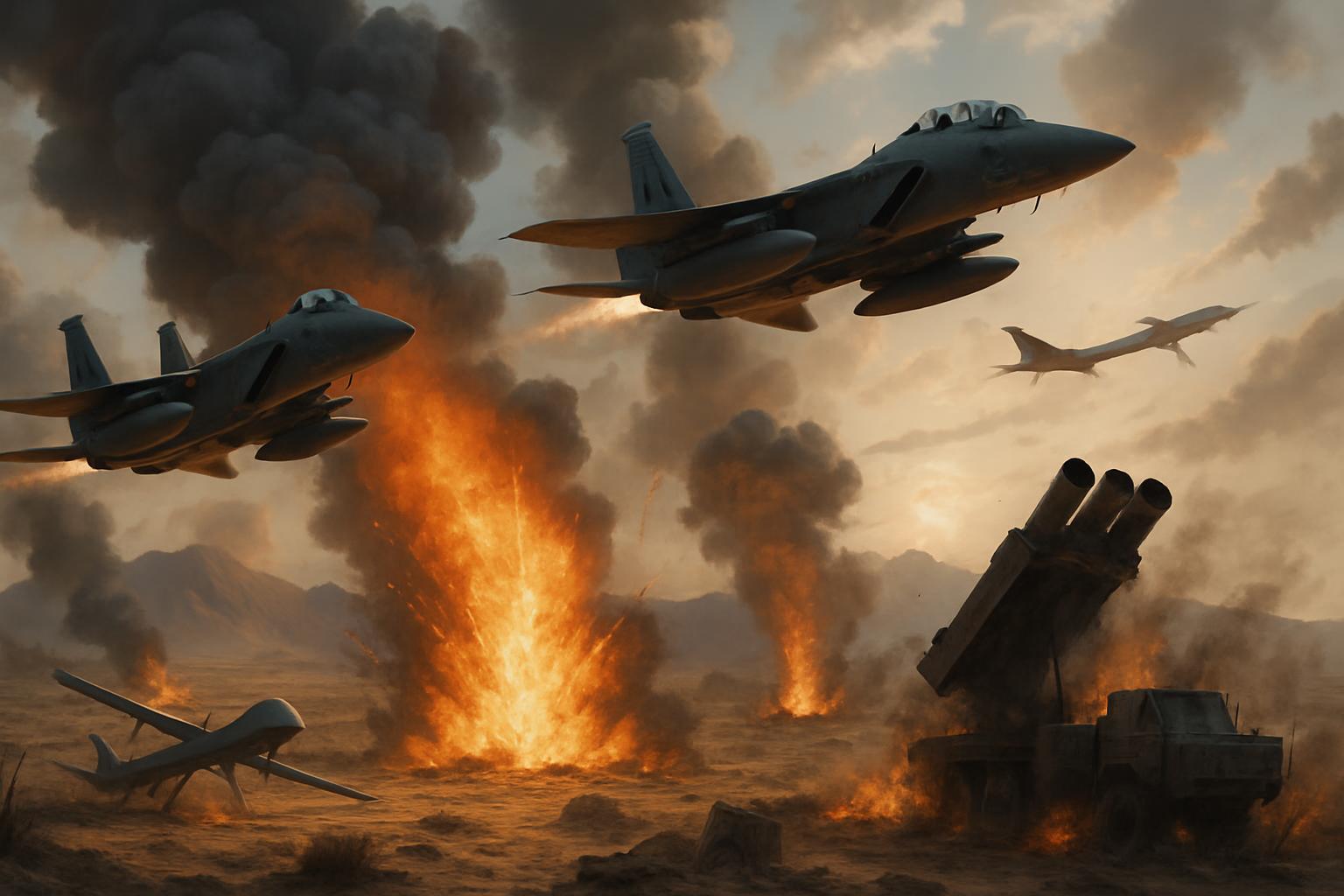
US and Israel Intensify Military Campaign as Iran's Capabilities Dwindle
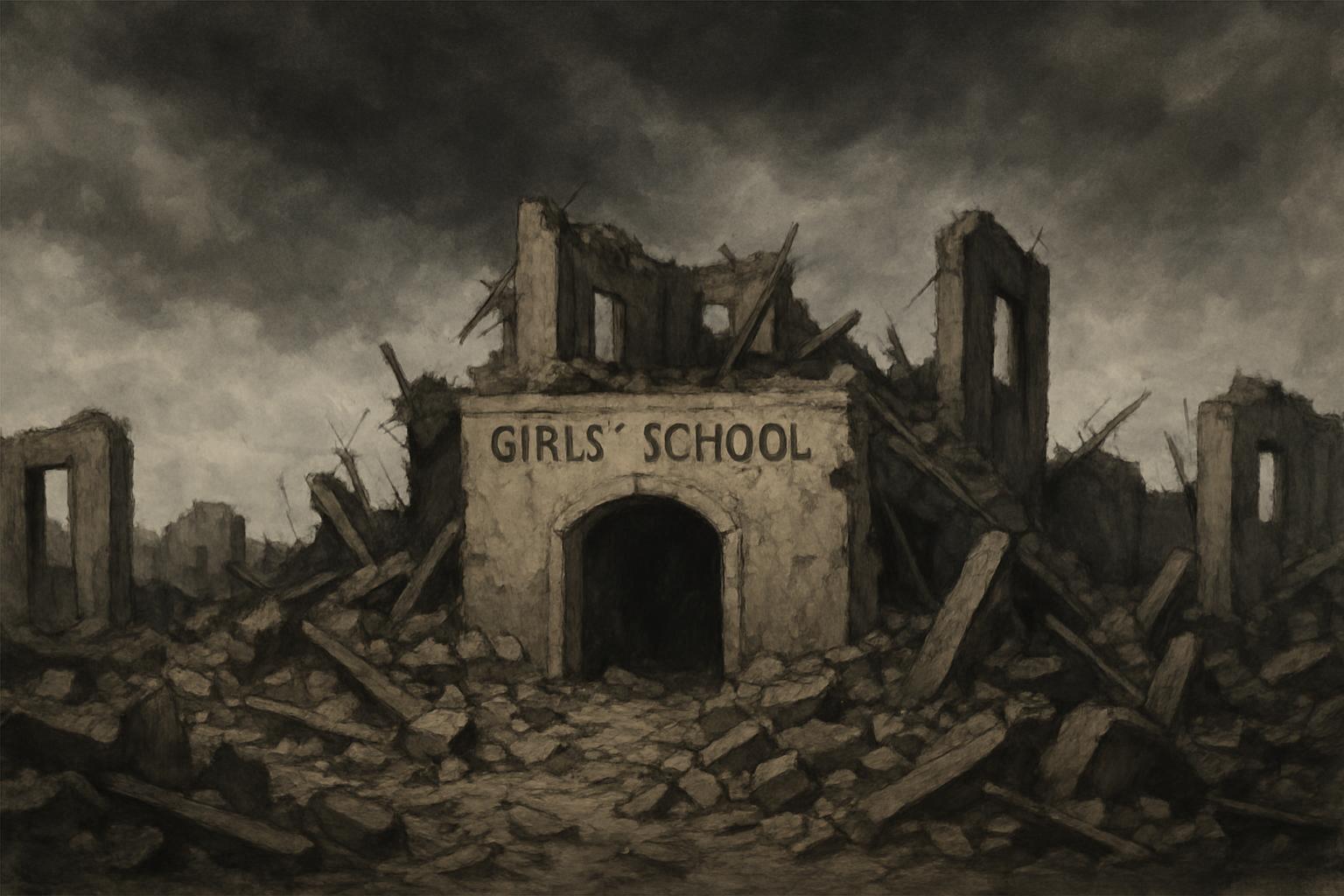
Intensified US-Israel Strikes on Iran Spark Global Outcry
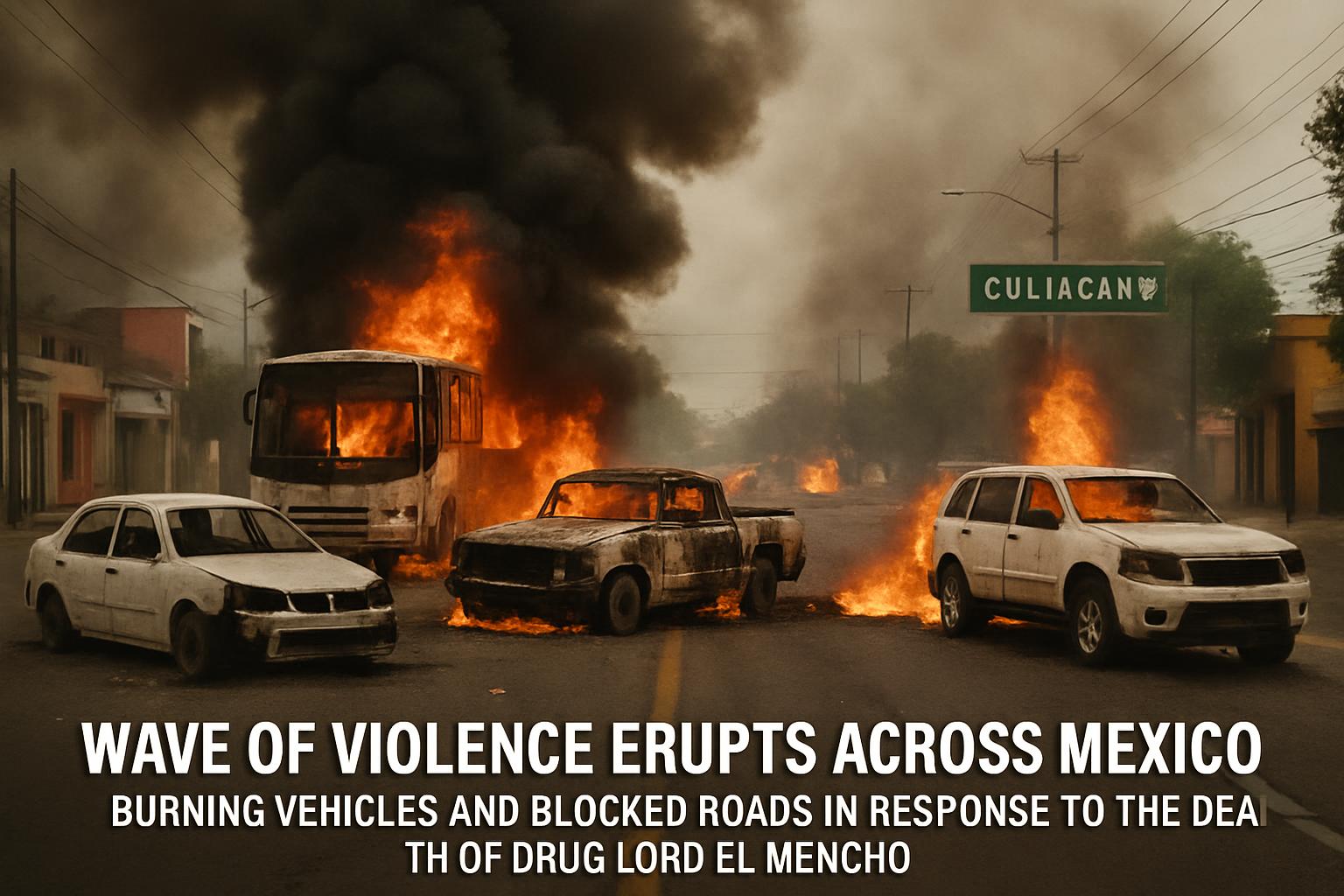
Violence Erupts Across Mexico Following Death of Drug Lord El Mencho

US-Iran Tensions Escalate Amid Renewed Nuclear Talks and Protests
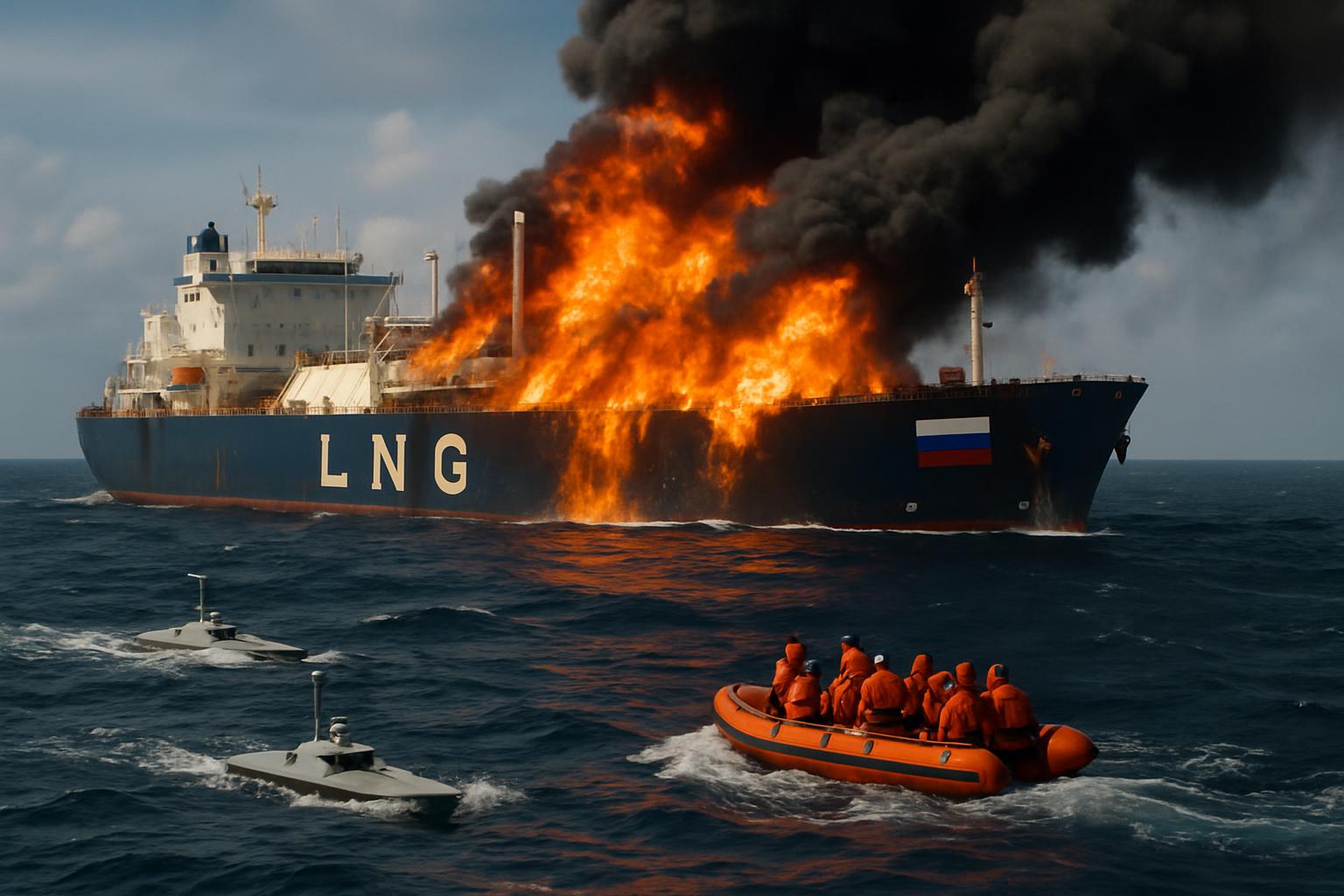
Russian LNG Tanker Sinks in Mediterranean Amid Accusations of Ukrainian Drone Attack
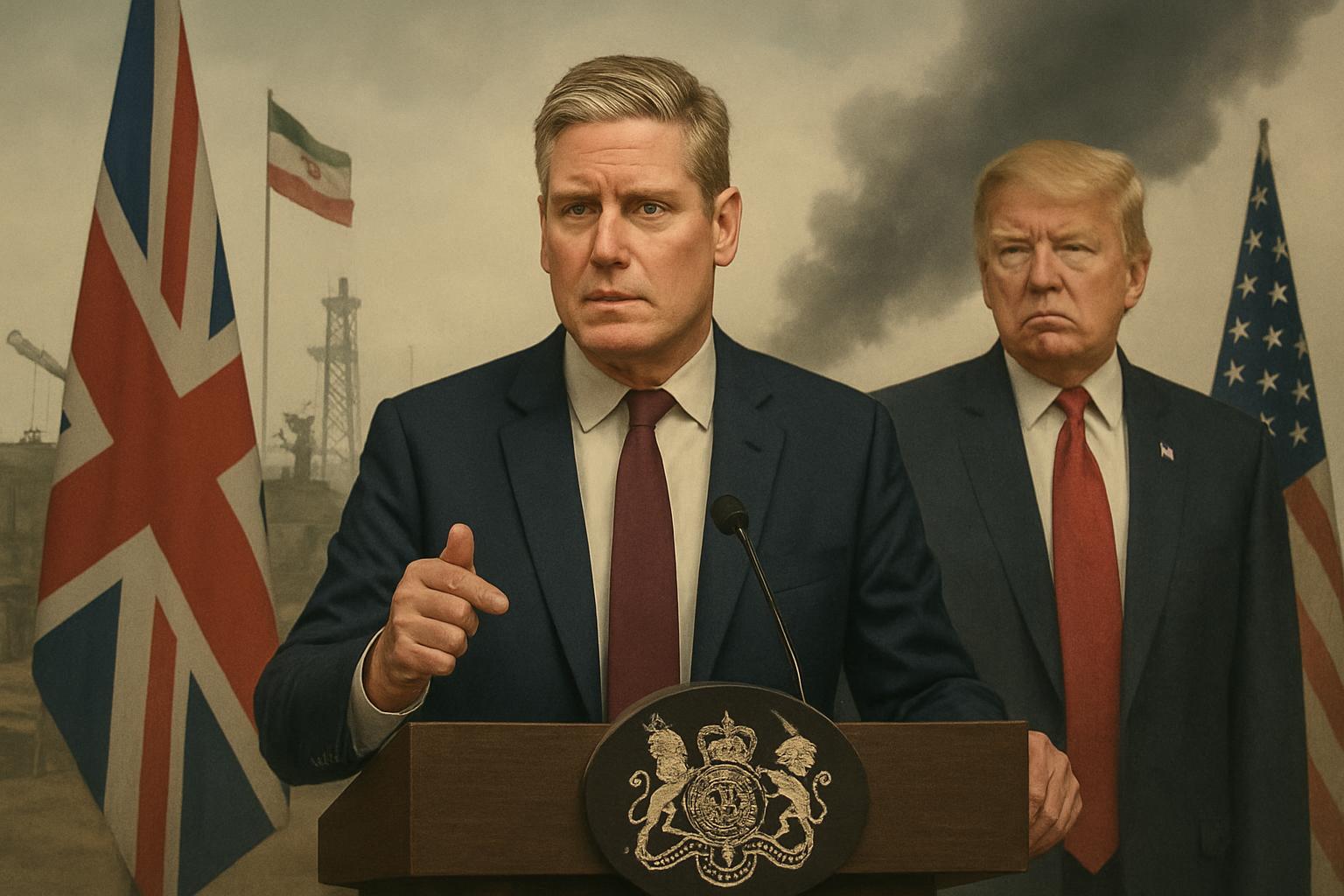
UK-Iran Tensions: Starmer Defends Cautious Approach Amid Trump Criticism
Ukraine-Russia Peace Talks Continue Amid High Casualties and Economic Strain
In This Article
 Ethan Brooks| Published
 HIGHLIGHTS
- Ukrainian President Volodymyr Zelensky reported 55,000 Ukrainian soldiers killed in the ongoing war with Russia.
- US-led peace talks in Abu Dhabi, involving Ukraine and Russia, concluded without a breakthrough but included a significant prisoner exchange.
- US Treasury Secretary Scott Bessent hinted at potential new sanctions against Russia, contingent on the progress of peace negotiations.
- The Russian economy is under severe strain due to Western sanctions, with significant impacts on oil revenues and inflation rates.
- Both Ukrainian and Russian officials acknowledged progress in the talks, though substantial challenges remain.
In a stark revelation, Ukrainian President Volodymyr Zelensky announced that 55,000 Ukrainian soldiers have been killed in the ongoing conflict with Russia. This figure, disclosed during an interview with France 2 TV, underscores the heavy toll of the war that began with Russia's full-scale invasion on February 22, 2022. The conflict has also left a significant number of individuals officially missing, adding to the humanitarian crisis.
Peace Talks in Abu Dhabi
Amidst the grim statistics, efforts to broker peace continue. US special envoy Steve Witkoff, alongside Ukrainian and Russian negotiators, engaged in a second round of talks in Abu Dhabi. These discussions, described as "detailed and productive" by Witkoff, included a major prisoner exchange, signaling a tentative step towards diplomatic engagement. However, Witkoff cautioned that "significant work remains" to achieve a lasting resolution.
Economic Sanctions and Strain
The economic ramifications of the conflict are becoming increasingly apparent. US Treasury Secretary Scott Bessent indicated that further sanctions against Russia's shadow fleet are under consideration, contingent on the progress of peace talks. The Russian economy is reportedly under its greatest strain since the war's inception, with plummeting oil revenues and rising inflation. EU sanctions envoy David O’Sullivan noted that while sanctions are not a "silver bullet," they are exerting significant pressure on Russia's war economy.
Diplomatic Challenges Ahead
Despite the challenges, there is a glimmer of hope. Ukrainian officials, including Kyrylo Budanov, expressed gratitude for the US and UAE's mediation efforts, describing the talks as "genuinely constructive." Russian representative Kirill Dmitriev echoed this sentiment, acknowledging progress in the discussions. Both sides remain committed to seeking a fair resolution, though the path forward is fraught with complexities.
WHAT THIS MIGHT MEAN
As peace talks continue, the potential for new US sanctions looms, which could further strain Russia's already beleaguered economy. The success of these negotiations hinges on both parties' willingness to compromise, particularly on contentious issues like territorial control in the Donbas region. Experts suggest that sustained diplomatic engagement, coupled with economic pressure, may eventually lead to a resolution. However, the humanitarian toll remains a pressing concern, with thousands still missing and the conflict showing no immediate signs of abating. The international community will be watching closely as these developments unfold, hoping for a breakthrough that could finally bring peace to the region.
Related Articles
US and Israel Intensify Military Campaign as Iran's Capabilities Dwindle
Intensified US-Israel Strikes on Iran Spark Global Outcry
Violence Erupts Across Mexico Following Death of Drug Lord El Mencho
US-Iran Tensions Escalate Amid Renewed Nuclear Talks and Protests
Russian LNG Tanker Sinks in Mediterranean Amid Accusations of Ukrainian Drone Attack
UK-Iran Tensions: Starmer Defends Cautious Approach Amid Trump Criticism