
UN Demands Accountability After Israeli Strike on Gaza Hospital Kills Journalists
In This Article
HIGHLIGHTS
- The UN has called for justice following an Israeli strike on Gaza's Nasser hospital, which killed at least 20 people, including five journalists.
- Israel's military claims the strike targeted a Hamas camera, but the UN and international media demand accountability for the deaths.
- Protests erupted across Israel, urging the government to agree to a ceasefire and release hostages held by Hamas.
- The Israeli government faces international pressure to respond to a ceasefire proposal accepted by Hamas.
- Human rights groups criticize Israel's history of unresolved investigations into alleged war crimes in Gaza.
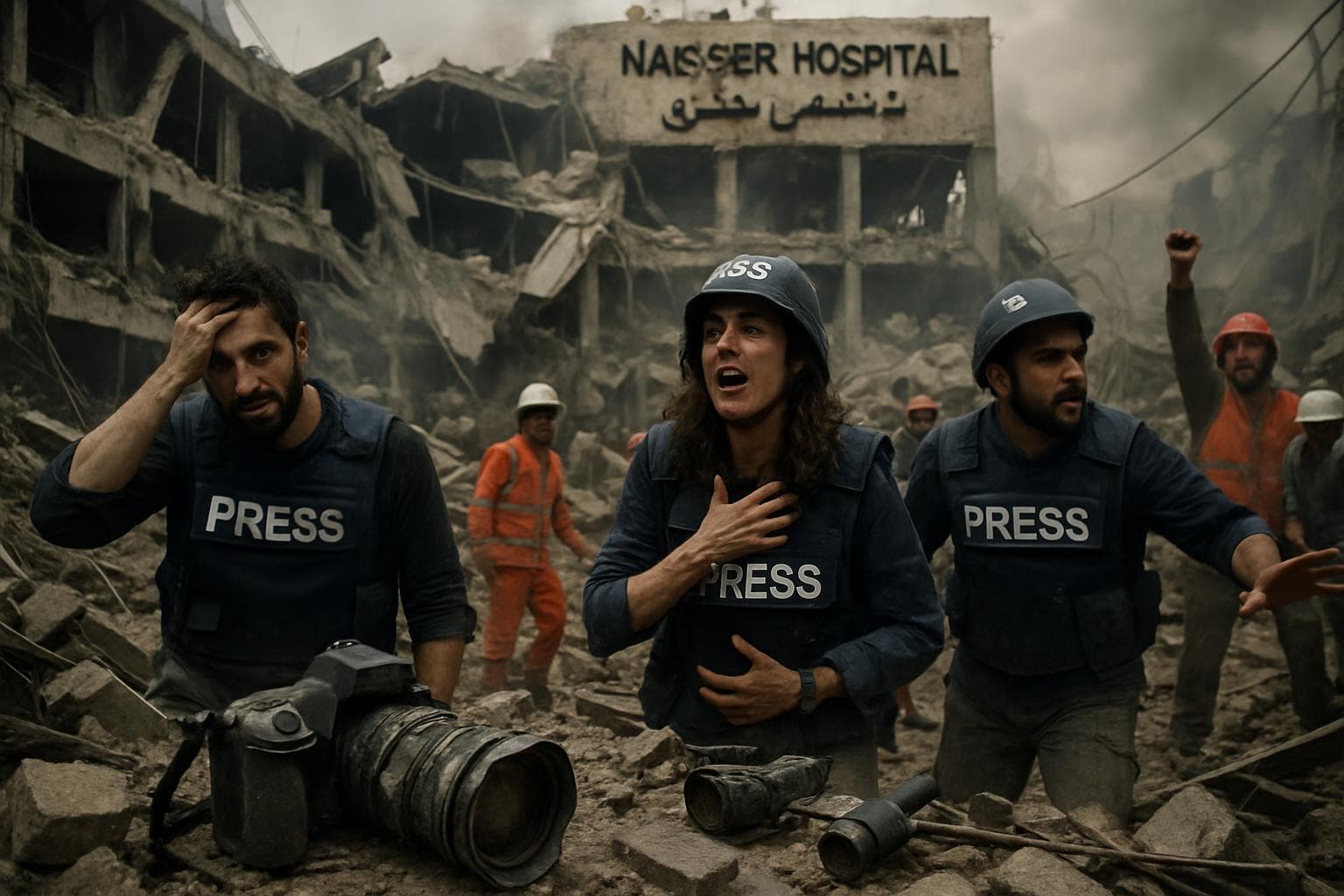
The United Nations has issued a strong call for justice following a deadly Israeli airstrike on Nasser hospital in Gaza, which resulted in the deaths of at least 20 individuals, including five journalists. The incident has sparked widespread condemnation and raised serious questions about the targeting of media workers in conflict zones.
UN Calls for Justice
On Tuesday, Thameen Al-Kheetan, spokesperson for the UN's human rights office, emphasized the need for accountability in the wake of the attack. "There needs to be justice," Al-Kheetan stated, highlighting the troubling pattern of journalist casualties in Gaza. The UN's demand for a thorough investigation comes amid growing international outrage over the incident.
Israeli Military's Initial Findings
The Israeli Defense Forces (IDF) released an initial report claiming the strike aimed to dismantle a Hamas camera used for surveillance. However, the report did not address why a second strike occurred shortly after the first, targeting journalists and rescue workers. The IDF's statement marked a shift from Prime Minister Benjamin Netanyahu's earlier description of the event as a "tragic mishap."
Protests and Ceasefire Demands
In Israel, tens of thousands of protesters took to the streets, demanding a ceasefire and the release of hostages held by Hamas. Demonstrations were held nationwide, with significant gatherings in Tel Aviv and Jerusalem. Despite the pressure, the Israeli government has yet to respond to a ceasefire proposal accepted by Hamas.
Historical Context and Human Rights Concerns
Human rights organizations have criticized Israel's track record of unresolved investigations into alleged war crimes in Gaza. A report by Action on Armed Violence revealed that a significant number of inquiries into such incidents remain unresolved, suggesting a pattern of impunity. The ongoing conflict has also led to severe humanitarian crises in Gaza, exacerbating the region's suffering.
WHAT THIS MIGHT MEAN
The international community is closely monitoring Israel's response to the UN's call for accountability. Should Israel fail to conduct a transparent investigation, it may face increased diplomatic pressure and potential sanctions. The ongoing protests in Israel indicate a growing domestic demand for a resolution to the conflict, which could influence the government's stance on ceasefire negotiations. As the situation evolves, the role of international mediators may become crucial in facilitating dialogue between Israel and Hamas, potentially paving the way for a peaceful resolution.
Related Articles
Trump's Board of Peace Pledges $7 Billion for Gaza Amidst International Skepticism
Intensified US-Israel Strikes on Iran Spark Global Outcry
Palestinian-American Teen Killed by Israeli Settlers in West Bank Sparks Calls for Accountability
US-Iran Tensions Escalate Amid Military Buildup and Diplomatic Deadlock
US and Israel Intensify Military Campaign as Iran's Capabilities Dwindle
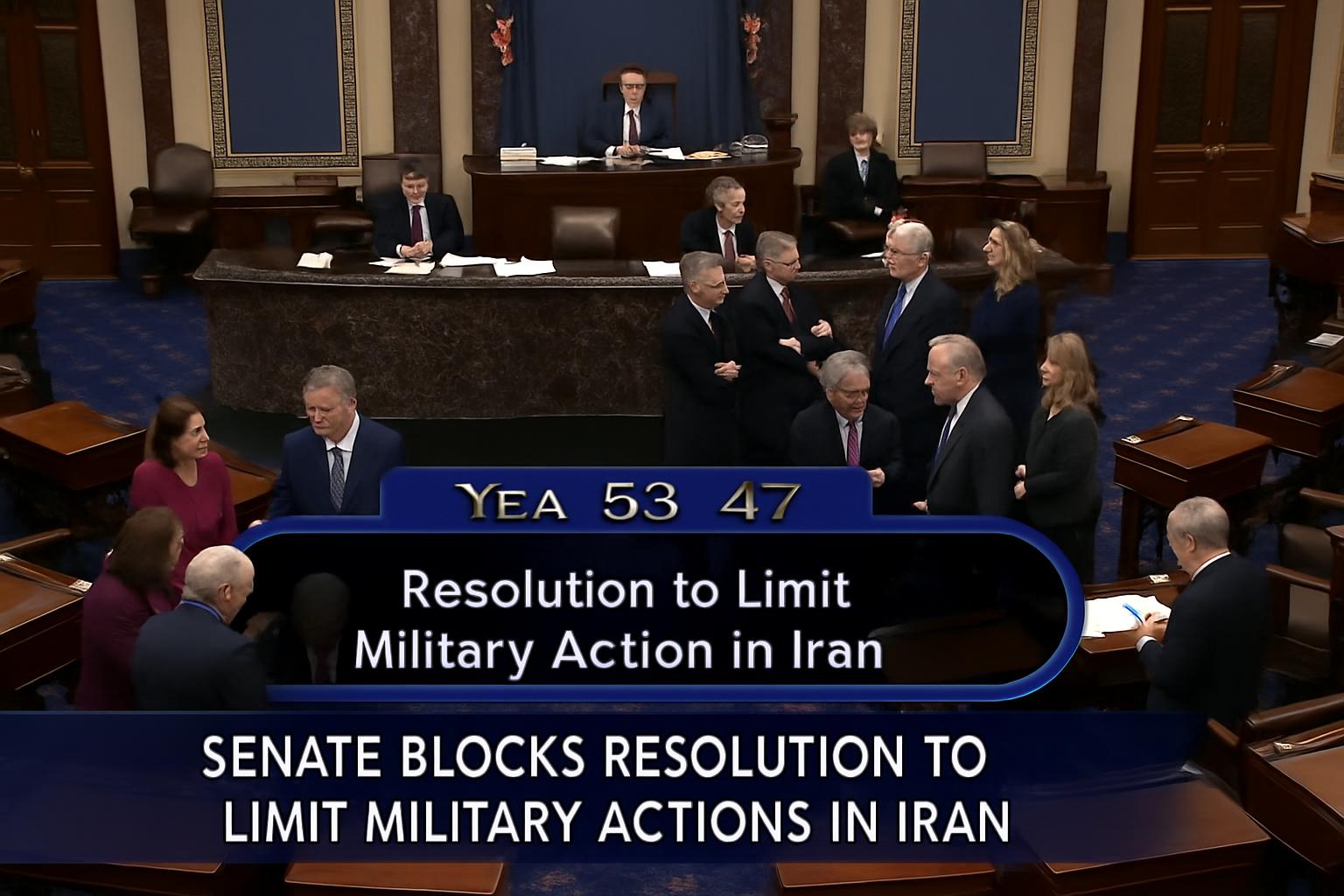
Senate Blocks Resolution to Limit Trump's Military Actions in Iran
UN Demands Accountability After Israeli Strike on Gaza Hospital Kills Journalists
In This Article
 Ethan Brooks| Published
 HIGHLIGHTS
- The UN has called for justice following an Israeli strike on Gaza's Nasser hospital, which killed at least 20 people, including five journalists.
- Israel's military claims the strike targeted a Hamas camera, but the UN and international media demand accountability for the deaths.
- Protests erupted across Israel, urging the government to agree to a ceasefire and release hostages held by Hamas.
- The Israeli government faces international pressure to respond to a ceasefire proposal accepted by Hamas.
- Human rights groups criticize Israel's history of unresolved investigations into alleged war crimes in Gaza.
The United Nations has issued a strong call for justice following a deadly Israeli airstrike on Nasser hospital in Gaza, which resulted in the deaths of at least 20 individuals, including five journalists. The incident has sparked widespread condemnation and raised serious questions about the targeting of media workers in conflict zones.
UN Calls for Justice
On Tuesday, Thameen Al-Kheetan, spokesperson for the UN's human rights office, emphasized the need for accountability in the wake of the attack. "There needs to be justice," Al-Kheetan stated, highlighting the troubling pattern of journalist casualties in Gaza. The UN's demand for a thorough investigation comes amid growing international outrage over the incident.
Israeli Military's Initial Findings
The Israeli Defense Forces (IDF) released an initial report claiming the strike aimed to dismantle a Hamas camera used for surveillance. However, the report did not address why a second strike occurred shortly after the first, targeting journalists and rescue workers. The IDF's statement marked a shift from Prime Minister Benjamin Netanyahu's earlier description of the event as a "tragic mishap."
Protests and Ceasefire Demands
In Israel, tens of thousands of protesters took to the streets, demanding a ceasefire and the release of hostages held by Hamas. Demonstrations were held nationwide, with significant gatherings in Tel Aviv and Jerusalem. Despite the pressure, the Israeli government has yet to respond to a ceasefire proposal accepted by Hamas.
Historical Context and Human Rights Concerns
Human rights organizations have criticized Israel's track record of unresolved investigations into alleged war crimes in Gaza. A report by Action on Armed Violence revealed that a significant number of inquiries into such incidents remain unresolved, suggesting a pattern of impunity. The ongoing conflict has also led to severe humanitarian crises in Gaza, exacerbating the region's suffering.
WHAT THIS MIGHT MEAN
The international community is closely monitoring Israel's response to the UN's call for accountability. Should Israel fail to conduct a transparent investigation, it may face increased diplomatic pressure and potential sanctions. The ongoing protests in Israel indicate a growing domestic demand for a resolution to the conflict, which could influence the government's stance on ceasefire negotiations. As the situation evolves, the role of international mediators may become crucial in facilitating dialogue between Israel and Hamas, potentially paving the way for a peaceful resolution.
Related Articles
Trump's Board of Peace Pledges $7 Billion for Gaza Amidst International Skepticism
Intensified US-Israel Strikes on Iran Spark Global Outcry
Palestinian-American Teen Killed by Israeli Settlers in West Bank Sparks Calls for Accountability
US-Iran Tensions Escalate Amid Military Buildup and Diplomatic Deadlock
US and Israel Intensify Military Campaign as Iran's Capabilities Dwindle
Senate Blocks Resolution to Limit Trump's Military Actions in Iran