
US Strikes on Iran's Nuclear Sites Escalate Regional Tensions
In This Article
HIGHLIGHTS
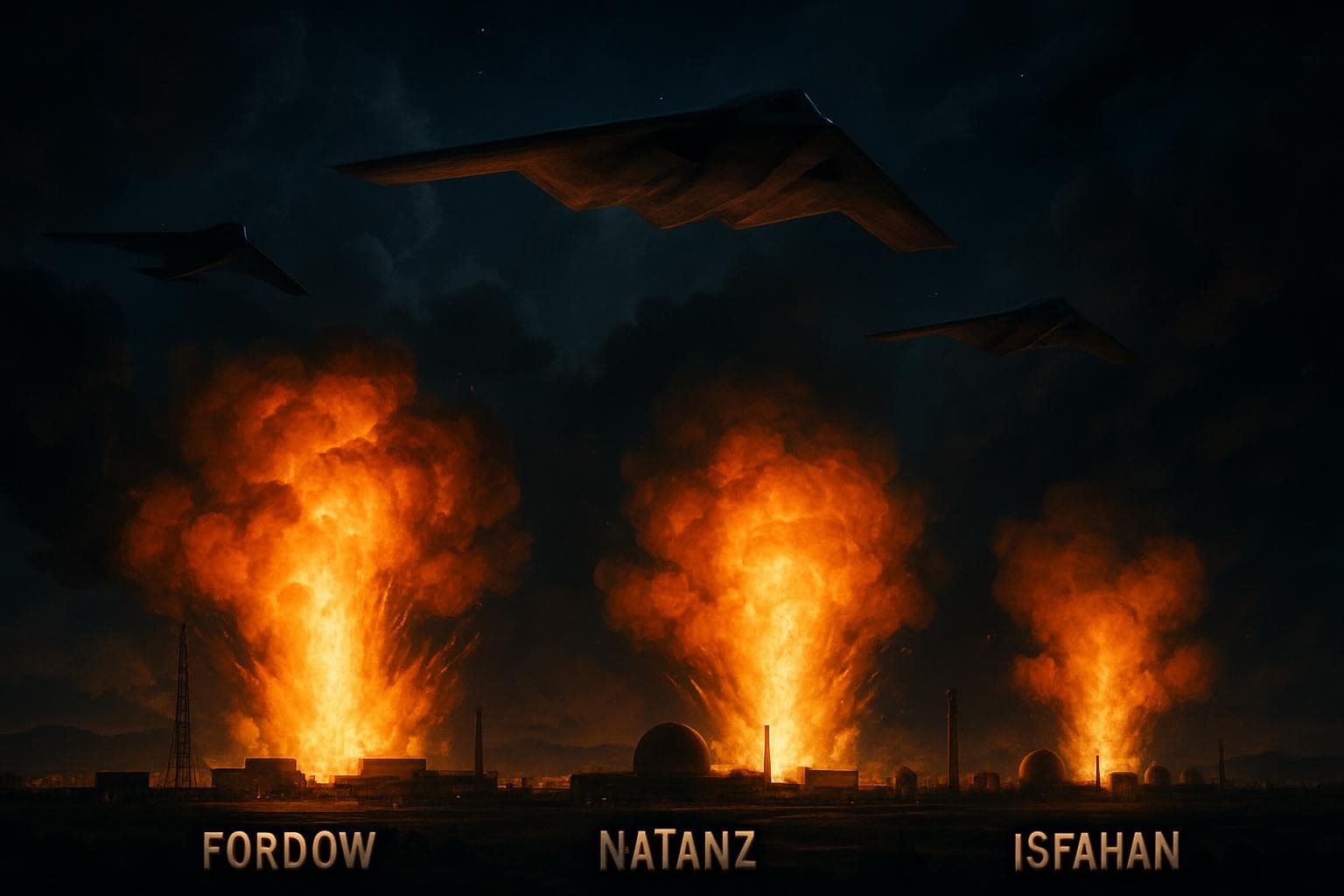
- The US conducted airstrikes on Iran's nuclear facilities, including Fordow, Natanz, and Isfahan, using 125 military aircraft.
- The operation, coordinated with Israel, involved the use of 14 GBU-57 Massive Ordnance Penetrators, targeting deeply buried sites.
- Iran confirmed the strikes but claimed minimal impact, stating key materials had been evacuated beforehand.
- In retaliation, Iran launched missiles at Tel Aviv and Haifa, injuring at least 86 people.
- The strikes have escalated tensions, with Iran's Foreign Minister condemning the US actions as a violation of international law.
In a significant escalation of the ongoing conflict, the United States has launched airstrikes on three of Iran's key nuclear facilities, marking a pivotal moment in the US-Iran conflict. The operation, dubbed "Operation Midnight Hammer," was executed with full coordination from Israel, targeting the Fordow, Natanz, and Isfahan sites.
Operation Midnight Hammer
The US military deployed 125 aircraft, including seven B-2 stealth bombers, to carry out the strikes. General Dan Caine, chairman of the Joint Chiefs of Staff, confirmed that the operation involved 75 precision-guided weapons, including 14 GBU-57 Massive Ordnance Penetrators, designed to penetrate deeply buried targets like the Fordow nuclear site. Fordow, located beneath a mountainside south of Tehran, is crucial to Iran's nuclear ambitions, with its tunnels believed to be deeper than the Channel Tunnel.
Iran's Response and International Reactions
Iranian officials acknowledged the strikes but downplayed their impact, claiming that critical materials had been evacuated from the sites. Despite this, the Iranian Atomic Energy Organization condemned the attack as a "barbaric violation" of international law. In retaliation, Iran launched a missile barrage targeting Tel Aviv and Haifa, resulting in 86 injuries.
Strategic Implications
The strikes have intensified the already fraught relations between the US and Iran. President Donald Trump hailed the operation as a "spectacular military success," while Israeli Prime Minister Benjamin Netanyahu praised the US for its decisive action. The International Atomic Energy Agency reported no increase in radiation levels post-strike, while Iran maintains its nuclear program is for peaceful purposes.
WHAT THIS MIGHT MEAN
The recent US strikes on Iran's nuclear facilities could lead to further military confrontations in the region. Iran's missile response indicates a willingness to retaliate, potentially drawing neighboring countries into the conflict. The international community, particularly the United Nations, may face increased pressure to mediate and prevent further escalation.
Politically, the strikes could impact US relations with other global powers, especially those advocating for diplomatic solutions to Iran's nuclear ambitions. Experts suggest that continued military actions might undermine efforts to revive the Iran nuclear deal, complicating future negotiations. As the situation develops, the potential for broader regional instability remains a significant concern.
Related Articles

UK Faces Dilemmas Amid Iran Conflict and China Spying Allegations
US and Israel Intensify Military Campaign as Iran's Capabilities Dwindle
Intensified US-Israel Strikes on Iran Spark Global Outcry

Middle East Conflict Drives UK Energy Prices to New Highs
Senate Blocks Resolution to Limit Trump's Military Actions in Iran
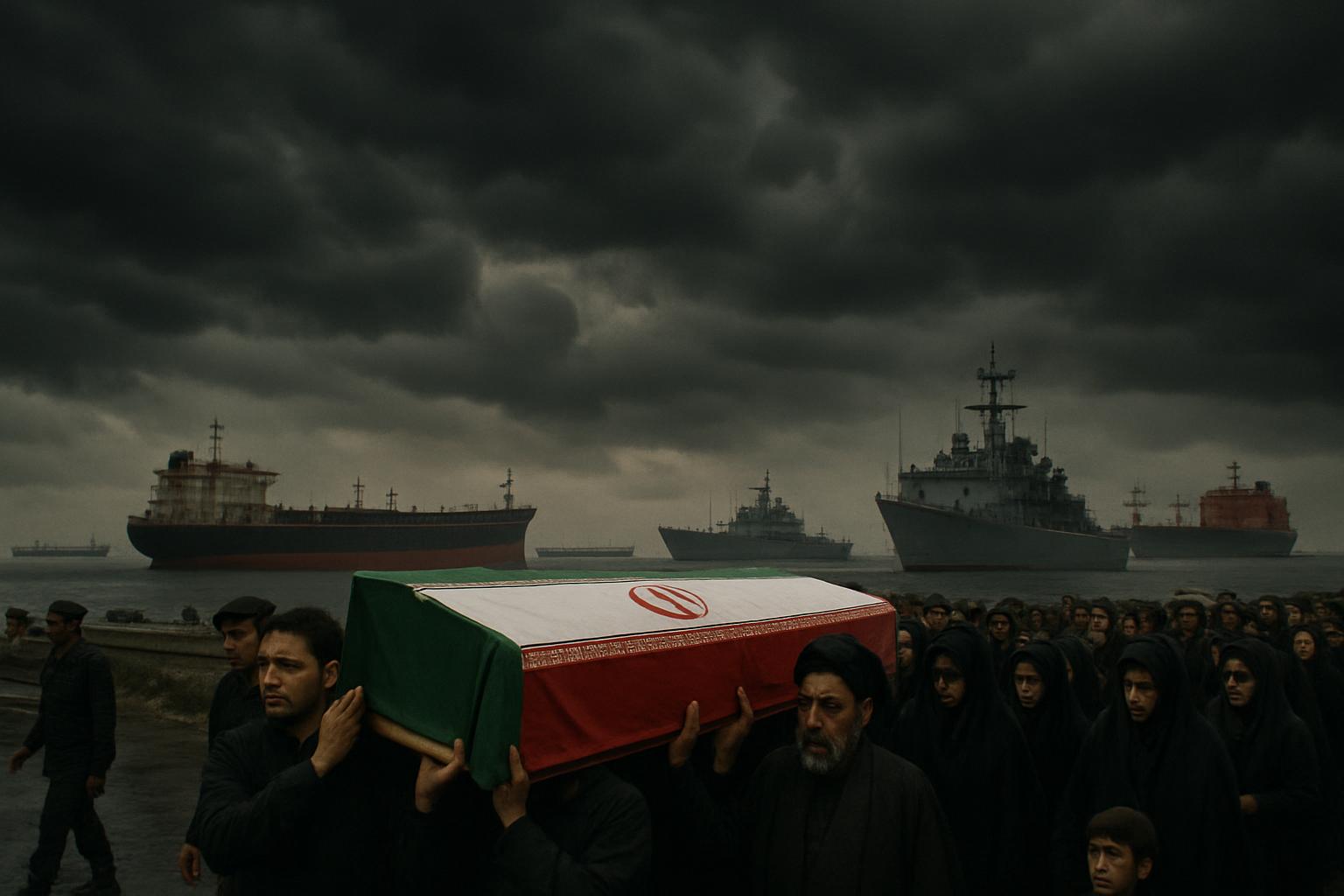
Iran Postpones Khamenei Funeral Amid Escalating US-Israeli Strikes
US Strikes on Iran's Nuclear Sites Escalate Regional Tensions
In This Article
 James Okoro| Published
 HIGHLIGHTS
- The US conducted airstrikes on Iran's nuclear facilities, including Fordow, Natanz, and Isfahan, using 125 military aircraft.
- The operation, coordinated with Israel, involved the use of 14 GBU-57 Massive Ordnance Penetrators, targeting deeply buried sites.
- Iran confirmed the strikes but claimed minimal impact, stating key materials had been evacuated beforehand.
- In retaliation, Iran launched missiles at Tel Aviv and Haifa, injuring at least 86 people.
- The strikes have escalated tensions, with Iran's Foreign Minister condemning the US actions as a violation of international law.
In a significant escalation of the ongoing conflict, the United States has launched airstrikes on three of Iran's key nuclear facilities, marking a pivotal moment in the US-Iran conflict. The operation, dubbed "Operation Midnight Hammer," was executed with full coordination from Israel, targeting the Fordow, Natanz, and Isfahan sites.
Operation Midnight Hammer
The US military deployed 125 aircraft, including seven B-2 stealth bombers, to carry out the strikes. General Dan Caine, chairman of the Joint Chiefs of Staff, confirmed that the operation involved 75 precision-guided weapons, including 14 GBU-57 Massive Ordnance Penetrators, designed to penetrate deeply buried targets like the Fordow nuclear site. Fordow, located beneath a mountainside south of Tehran, is crucial to Iran's nuclear ambitions, with its tunnels believed to be deeper than the Channel Tunnel.
Iran's Response and International Reactions
Iranian officials acknowledged the strikes but downplayed their impact, claiming that critical materials had been evacuated from the sites. Despite this, the Iranian Atomic Energy Organization condemned the attack as a "barbaric violation" of international law. In retaliation, Iran launched a missile barrage targeting Tel Aviv and Haifa, resulting in 86 injuries.
Strategic Implications
The strikes have intensified the already fraught relations between the US and Iran. President Donald Trump hailed the operation as a "spectacular military success," while Israeli Prime Minister Benjamin Netanyahu praised the US for its decisive action. The International Atomic Energy Agency reported no increase in radiation levels post-strike, while Iran maintains its nuclear program is for peaceful purposes.
WHAT THIS MIGHT MEAN
The recent US strikes on Iran's nuclear facilities could lead to further military confrontations in the region. Iran's missile response indicates a willingness to retaliate, potentially drawing neighboring countries into the conflict. The international community, particularly the United Nations, may face increased pressure to mediate and prevent further escalation.
Politically, the strikes could impact US relations with other global powers, especially those advocating for diplomatic solutions to Iran's nuclear ambitions. Experts suggest that continued military actions might undermine efforts to revive the Iran nuclear deal, complicating future negotiations. As the situation develops, the potential for broader regional instability remains a significant concern.
Related Articles
UK Faces Dilemmas Amid Iran Conflict and China Spying Allegations
US and Israel Intensify Military Campaign as Iran's Capabilities Dwindle
Intensified US-Israel Strikes on Iran Spark Global Outcry
Middle East Conflict Drives UK Energy Prices to New Highs
Senate Blocks Resolution to Limit Trump's Military Actions in Iran
Iran Postpones Khamenei Funeral Amid Escalating US-Israeli Strikes