
US Airstrikes on Iran: Conflicting Reports Emerge on Nuclear Facility Damage

In This Article
HIGHLIGHTS
- CIA Director John Ratcliffe claims US airstrikes severely damaged Iran's nuclear facilities, contradicting a leaked Pentagon report.
- President Trump and his administration cite "new intelligence" to support claims of success, despite the leaked report suggesting limited impact.
- The Pentagon's Defense Intelligence Agency estimated the strikes set back Iran's nuclear program by only a few months.
- The White House plans to restrict sharing classified documents with Congress, sparking criticism from lawmakers.
- The International Atomic Energy Agency reported losing track of some of Iran's enriched uranium stockpile during the strikes.
The recent US airstrikes on Iran's nuclear facilities have sparked a heated debate over their effectiveness, with conflicting reports from intelligence agencies and the Trump administration. CIA Director John Ratcliffe asserted that the strikes "severely damaged" key Iranian nuclear sites, potentially setting back the country's nuclear ambitions by years. This statement diverges from a leaked Pentagon report suggesting the impact was minimal.
Conflicting Intelligence Assessments
The Pentagon's Defense Intelligence Agency (DIA) leaked a preliminary assessment indicating that the US bombing campaign, involving 125 military aircraft, had only set back Iran's nuclear program by a few months. This report, which emerged earlier this week, has been met with skepticism by President Trump and his administration. Trump, speaking at a NATO summit in The Hague, described the strikes as "obliteration" and criticized the media for misrepresenting the facts.
New Intelligence and Political Reactions
The Trump administration has doubled down on its claims of success, citing "new intelligence" from historically reliable sources. Director of National Intelligence Tulsi Gabbard supported this view, stating that if Iran were to rebuild its facilities at Natanz, Fordo, and Esfahan, it would take years. Meanwhile, Defense Secretary Pete Hegseth accused the media of using the leaked report to politically damage Trump.
Congressional Concerns Over Classified Information
In response to the controversy, the White House reportedly plans to limit the sharing of classified documents with Congress, a move that has drawn criticism from Democratic leaders. Senate Minority Leader Chuck Schumer emphasized the administration's legal obligation to keep Congress informed about international developments. Classified briefings, initially postponed, are now expected to take place later this week.
International Implications
The International Atomic Energy Agency (IAEA) reported losing visibility of some of Iran's enriched uranium stockpile during the strikes, raising concerns about potential undisclosed nuclear sites. IAEA Director-General Rafael Grossi acknowledged the loss of oversight but refrained from suggesting the material was lost entirely.
WHAT THIS MIGHT MEAN
The conflicting reports on the effectiveness of the US airstrikes on Iran's nuclear facilities could have significant implications for international relations and future diplomatic efforts. If the CIA's assessment holds true, it may bolster the Trump administration's stance in negotiations with Iran. However, the leaked Pentagon report and the IAEA's concerns about missing uranium could complicate diplomatic efforts and raise questions about the transparency of intelligence sharing. As classified briefings are set to resume, the administration's decision to limit information to Congress may face further scrutiny, potentially impacting the legislative oversight of foreign policy decisions.
Related Articles
Spain's Sánchez Stands Firm Against Trump's Trade Threat Over Iran Stance
US and Israel Intensify Military Campaign as Iran's Capabilities Dwindle
Iran Postpones Khamenei Funeral Amid Escalating US-Israeli Strikes
Intensified US-Israel Strikes on Iran Spark Global Outcry
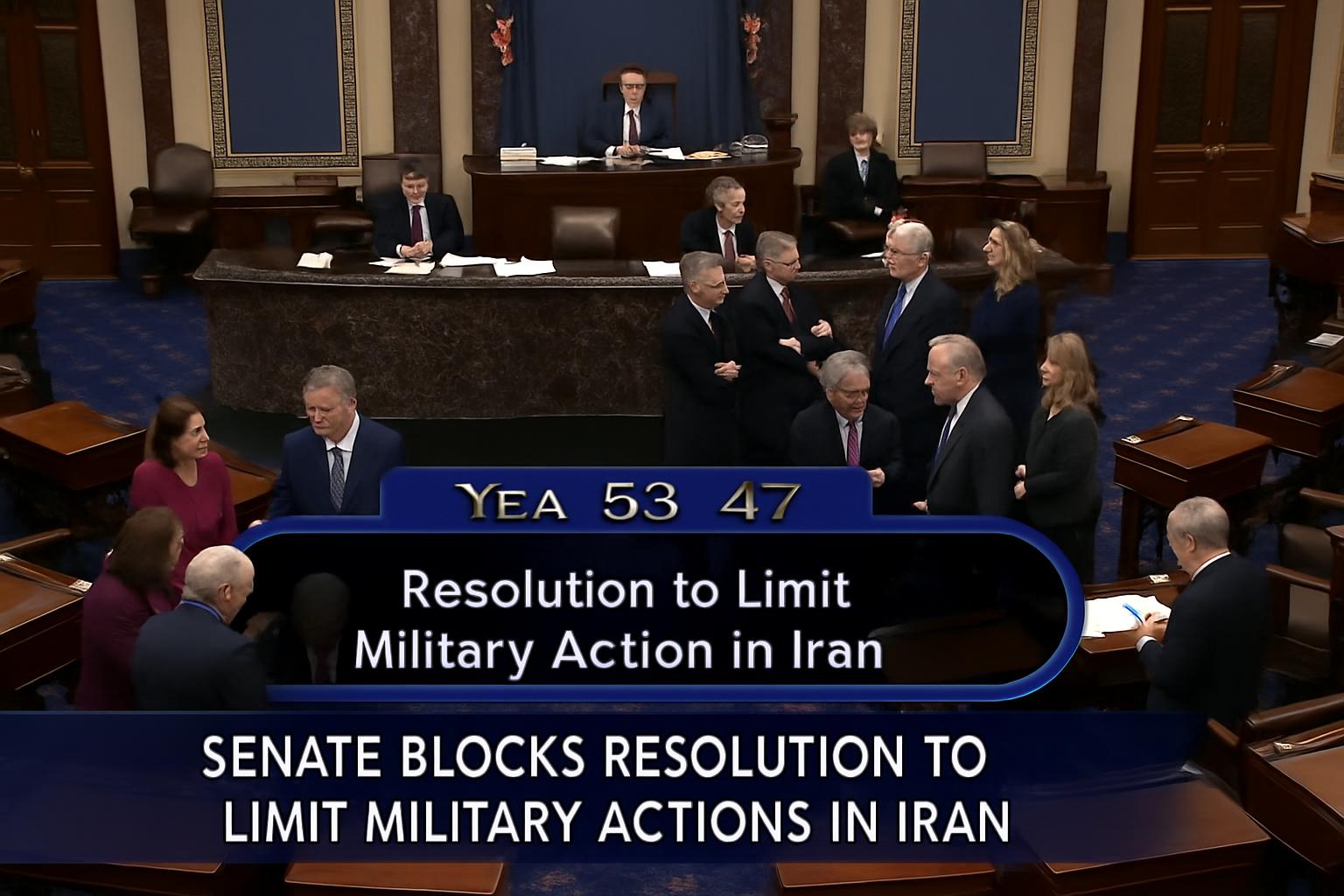
Senate Blocks Resolution to Limit Trump's Military Actions in Iran
UK-Iran Tensions: Starmer Defends Cautious Approach Amid Trump Criticism
US Airstrikes on Iran: Conflicting Reports Emerge on Nuclear Facility Damage
In This Article
 Ethan Brooks| Published
 HIGHLIGHTS
- CIA Director John Ratcliffe claims US airstrikes severely damaged Iran's nuclear facilities, contradicting a leaked Pentagon report.
- President Trump and his administration cite "new intelligence" to support claims of success, despite the leaked report suggesting limited impact.
- The Pentagon's Defense Intelligence Agency estimated the strikes set back Iran's nuclear program by only a few months.
- The White House plans to restrict sharing classified documents with Congress, sparking criticism from lawmakers.
- The International Atomic Energy Agency reported losing track of some of Iran's enriched uranium stockpile during the strikes.
The recent US airstrikes on Iran's nuclear facilities have sparked a heated debate over their effectiveness, with conflicting reports from intelligence agencies and the Trump administration. CIA Director John Ratcliffe asserted that the strikes "severely damaged" key Iranian nuclear sites, potentially setting back the country's nuclear ambitions by years. This statement diverges from a leaked Pentagon report suggesting the impact was minimal.
Conflicting Intelligence Assessments
The Pentagon's Defense Intelligence Agency (DIA) leaked a preliminary assessment indicating that the US bombing campaign, involving 125 military aircraft, had only set back Iran's nuclear program by a few months. This report, which emerged earlier this week, has been met with skepticism by President Trump and his administration. Trump, speaking at a NATO summit in The Hague, described the strikes as "obliteration" and criticized the media for misrepresenting the facts.
New Intelligence and Political Reactions
The Trump administration has doubled down on its claims of success, citing "new intelligence" from historically reliable sources. Director of National Intelligence Tulsi Gabbard supported this view, stating that if Iran were to rebuild its facilities at Natanz, Fordo, and Esfahan, it would take years. Meanwhile, Defense Secretary Pete Hegseth accused the media of using the leaked report to politically damage Trump.
Congressional Concerns Over Classified Information
In response to the controversy, the White House reportedly plans to limit the sharing of classified documents with Congress, a move that has drawn criticism from Democratic leaders. Senate Minority Leader Chuck Schumer emphasized the administration's legal obligation to keep Congress informed about international developments. Classified briefings, initially postponed, are now expected to take place later this week.
International Implications
The International Atomic Energy Agency (IAEA) reported losing visibility of some of Iran's enriched uranium stockpile during the strikes, raising concerns about potential undisclosed nuclear sites. IAEA Director-General Rafael Grossi acknowledged the loss of oversight but refrained from suggesting the material was lost entirely.
WHAT THIS MIGHT MEAN
The conflicting reports on the effectiveness of the US airstrikes on Iran's nuclear facilities could have significant implications for international relations and future diplomatic efforts. If the CIA's assessment holds true, it may bolster the Trump administration's stance in negotiations with Iran. However, the leaked Pentagon report and the IAEA's concerns about missing uranium could complicate diplomatic efforts and raise questions about the transparency of intelligence sharing. As classified briefings are set to resume, the administration's decision to limit information to Congress may face further scrutiny, potentially impacting the legislative oversight of foreign policy decisions.
Related Articles
Spain's Sánchez Stands Firm Against Trump's Trade Threat Over Iran Stance
US and Israel Intensify Military Campaign as Iran's Capabilities Dwindle
Iran Postpones Khamenei Funeral Amid Escalating US-Israeli Strikes
Intensified US-Israel Strikes on Iran Spark Global Outcry
Senate Blocks Resolution to Limit Trump's Military Actions in Iran
UK-Iran Tensions: Starmer Defends Cautious Approach Amid Trump Criticism