
US-Brazil Trade Relations Strained as Trump Announces 50% Tariff
In This Article
HIGHLIGHTS
- US President Donald Trump announced a 50% tariff on Brazilian goods, citing Brazil's treatment of former President Jair Bolsonaro.
- Brazilian President Luiz Inácio Lula da Silva vowed to impose reciprocal tariffs on US goods, escalating tensions between the two nations.
- Trump accused Brazil of censoring US tech companies and conducting a "witch hunt" against Bolsonaro, who is on trial for an alleged coup attempt.
- The US maintains a trade surplus with Brazil, complicating the rationale behind the tariff increase.
- The tariff threat is part of a broader US strategy targeting multiple countries, including Japan and South Korea.
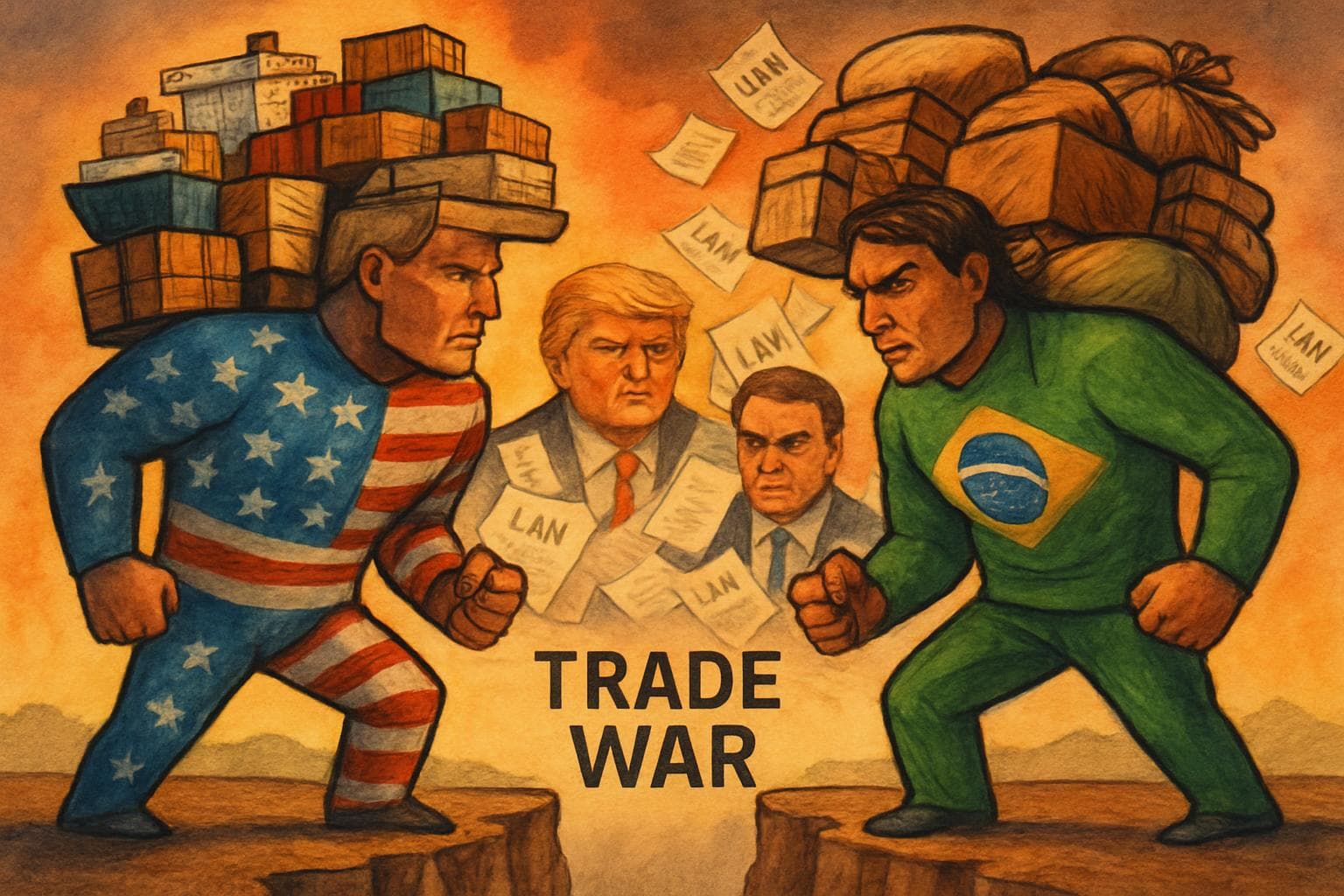
The relationship between the United States and Brazil has reached a new low following US President Donald Trump's announcement of a 50% tariff on Brazilian imports, effective August 1. This move, which has sparked fears of an international trade war, is seen as retaliation for Brazil's legal actions against former President Jair Bolsonaro, a close ally of Trump.
Tariff Tensions Escalate
President Trump justified the tariff by accusing Brazil of unfair treatment towards US tech companies and conducting a "witch hunt" against Bolsonaro, who is currently on trial for allegedly attempting to overturn the 2022 election results. Bolsonaro, often dubbed the "Trump of the Tropics," has denied the charges. In response, Brazilian President Luiz Inácio Lula da Silva declared that Brazil would impose equivalent tariffs on US goods, emphasizing the country's sovereignty and independence.
Economic and Political Implications
The US has maintained a trade surplus with Brazil for 17 years, making the tariff increase particularly contentious. Brazil is the US's 15th largest trading partner, with significant imports of mineral fuels, aircraft, and machinery. Conversely, the US imports gas, petroleum, iron, and coffee from Brazil. The tariff threat is part of a broader strategy by Trump, targeting 22 countries, including Japan and South Korea, with increased levies.
Bolsonaro's Legal Challenges
Bolsonaro's trial, which has become a focal point in US-Brazil relations, involves allegations of leading a coup attempt on January 8, 2023, when his supporters stormed Brazil's Congress and other key institutions. The former president is also barred from running in next year's election due to separate legal rulings. Trump's support for Bolsonaro is consistent with his own experiences of legal scrutiny in the US.
WHAT THIS MIGHT MEAN
The escalating tariff dispute between the US and Brazil could have significant economic and political repercussions. If both countries proceed with their threatened tariffs, it could lead to a full-blown trade war, affecting industries on both sides. Brazil may seek intervention from the World Trade Organization or explore diplomatic avenues to resolve the conflict.
Politically, the situation underscores the complex dynamics between Trump and Bolsonaro, both of whom face legal challenges in their respective countries. The outcome of Bolsonaro's trial could further influence US-Brazil relations, particularly if he is convicted. As the August 1 deadline approaches, both nations will need to weigh the potential costs of continued escalation against the benefits of reaching a diplomatic resolution.
Related Articles
Cuba Faces Widespread Blackout Amid Deepening Fuel Crisis
El Mencho's Death Sparks Violent Unrest Across Mexico

UK Faces Dilemmas Amid Iran Conflict and China Spying Allegations
Spain's Sánchez Stands Firm Against Trump's Trade Threat Over Iran Stance
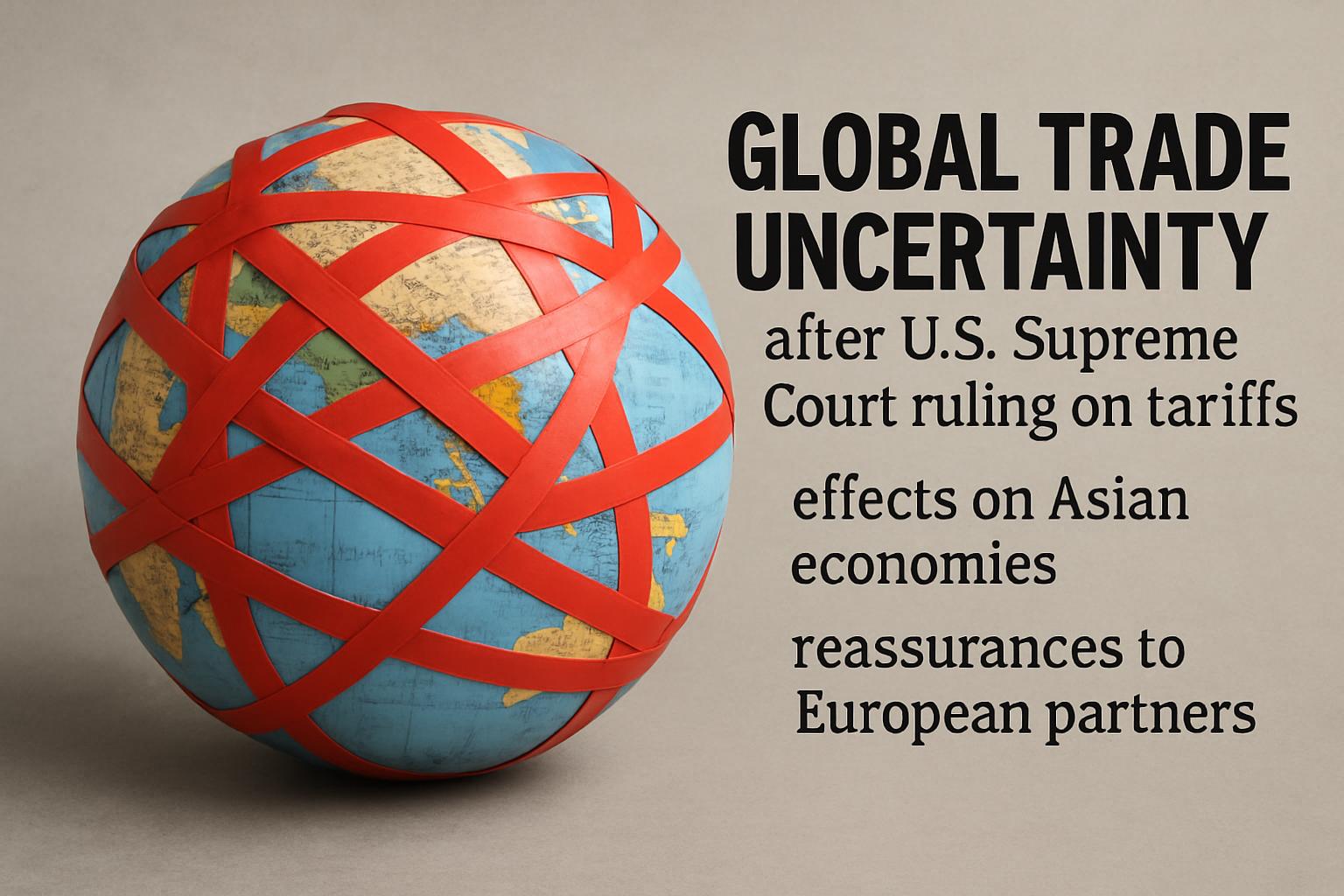
US Supreme Court Ruling Sparks Trade Uncertainty in Asia and Beyond
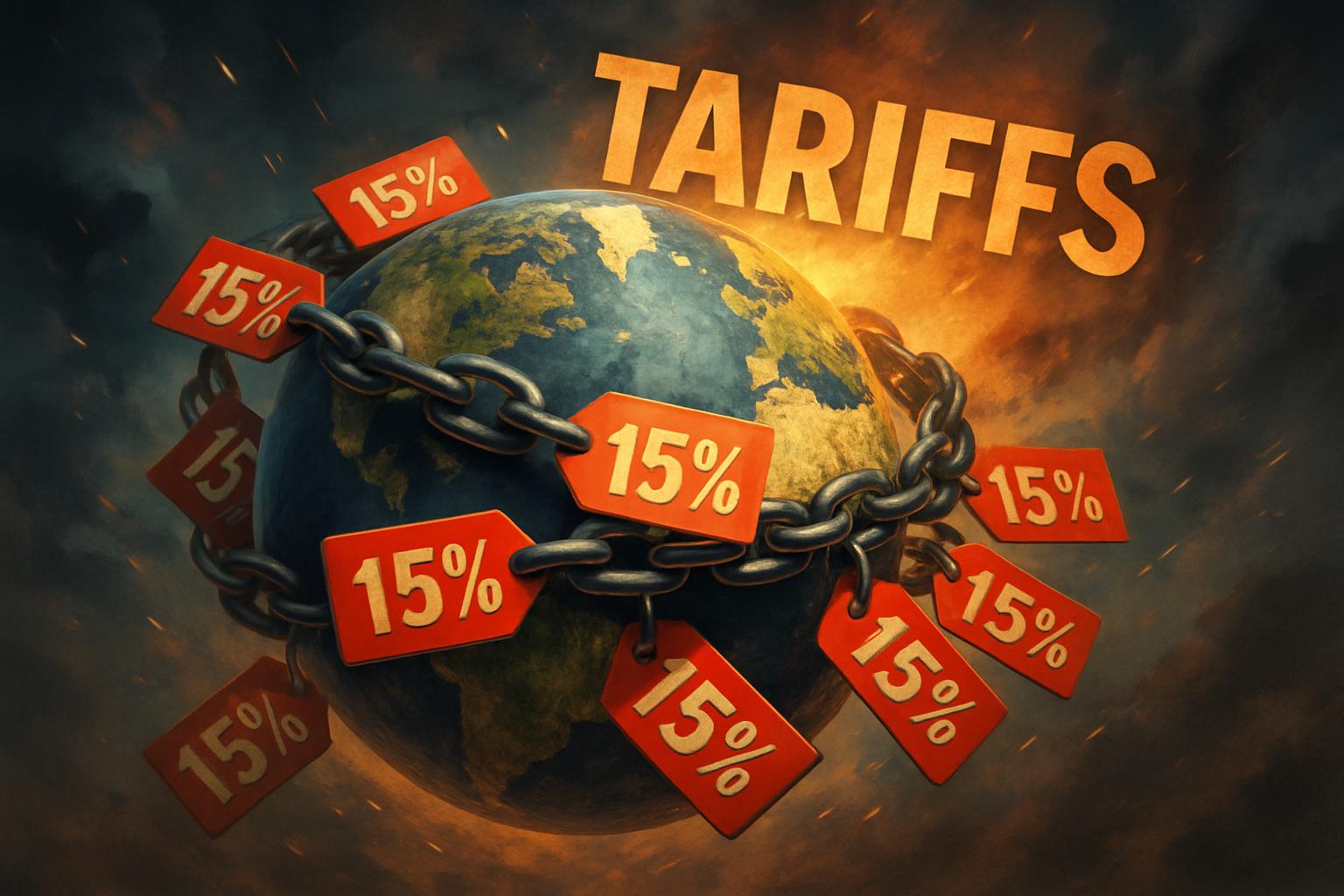
Trump's New Tariff Strategy Sparks Global Trade Uncertainty
US-Brazil Trade Relations Strained as Trump Announces 50% Tariff
In This Article
HIGHLIGHTS
- US President Donald Trump announced a 50% tariff on Brazilian goods, citing Brazil's treatment of former President Jair Bolsonaro.
- Brazilian President Luiz Inácio Lula da Silva vowed to impose reciprocal tariffs on US goods, escalating tensions between the two nations.
- Trump accused Brazil of censoring US tech companies and conducting a "witch hunt" against Bolsonaro, who is on trial for an alleged coup attempt.
- The US maintains a trade surplus with Brazil, complicating the rationale behind the tariff increase.
- The tariff threat is part of a broader US strategy targeting multiple countries, including Japan and South Korea.
The relationship between the United States and Brazil has reached a new low following US President Donald Trump's announcement of a 50% tariff on Brazilian imports, effective August 1. This move, which has sparked fears of an international trade war, is seen as retaliation for Brazil's legal actions against former President Jair Bolsonaro, a close ally of Trump.
Tariff Tensions Escalate
President Trump justified the tariff by accusing Brazil of unfair treatment towards US tech companies and conducting a "witch hunt" against Bolsonaro, who is currently on trial for allegedly attempting to overturn the 2022 election results. Bolsonaro, often dubbed the "Trump of the Tropics," has denied the charges. In response, Brazilian President Luiz Inácio Lula da Silva declared that Brazil would impose equivalent tariffs on US goods, emphasizing the country's sovereignty and independence.
Economic and Political Implications
The US has maintained a trade surplus with Brazil for 17 years, making the tariff increase particularly contentious. Brazil is the US's 15th largest trading partner, with significant imports of mineral fuels, aircraft, and machinery. Conversely, the US imports gas, petroleum, iron, and coffee from Brazil. The tariff threat is part of a broader strategy by Trump, targeting 22 countries, including Japan and South Korea, with increased levies.
Bolsonaro's Legal Challenges
Bolsonaro's trial, which has become a focal point in US-Brazil relations, involves allegations of leading a coup attempt on January 8, 2023, when his supporters stormed Brazil's Congress and other key institutions. The former president is also barred from running in next year's election due to separate legal rulings. Trump's support for Bolsonaro is consistent with his own experiences of legal scrutiny in the US.
WHAT THIS MIGHT MEAN
The escalating tariff dispute between the US and Brazil could have significant economic and political repercussions. If both countries proceed with their threatened tariffs, it could lead to a full-blown trade war, affecting industries on both sides. Brazil may seek intervention from the World Trade Organization or explore diplomatic avenues to resolve the conflict.
Politically, the situation underscores the complex dynamics between Trump and Bolsonaro, both of whom face legal challenges in their respective countries. The outcome of Bolsonaro's trial could further influence US-Brazil relations, particularly if he is convicted. As the August 1 deadline approaches, both nations will need to weigh the potential costs of continued escalation against the benefits of reaching a diplomatic resolution.
Related Articles
Cuba Faces Widespread Blackout Amid Deepening Fuel Crisis
El Mencho's Death Sparks Violent Unrest Across Mexico
UK Faces Dilemmas Amid Iran Conflict and China Spying Allegations
Spain's Sánchez Stands Firm Against Trump's Trade Threat Over Iran Stance
US Supreme Court Ruling Sparks Trade Uncertainty in Asia and Beyond
Trump's New Tariff Strategy Sparks Global Trade Uncertainty