
US Military Operation Captures Venezuelan President Maduro, Sparking Political Debate
In This Article
HIGHLIGHTS
- The US military operation, "Operation Absolute Resolve," captured Venezuelan President Nicolás Maduro and his wife, Cilia Flores, in Caracas.
- The operation, lasting only 150 minutes, involved disabling Venezuela's air defenses and deploying elite Delta Force troops.
- President Trump did not inform Congress prior to the operation, raising questions about executive power limits.
- The capture of Maduro has plunged Venezuela into uncertainty, with potential implications for US-Venezuela relations.
- The CIA played a critical role in planning, utilizing intelligence to track Maduro's movements and secure tactical surprise.
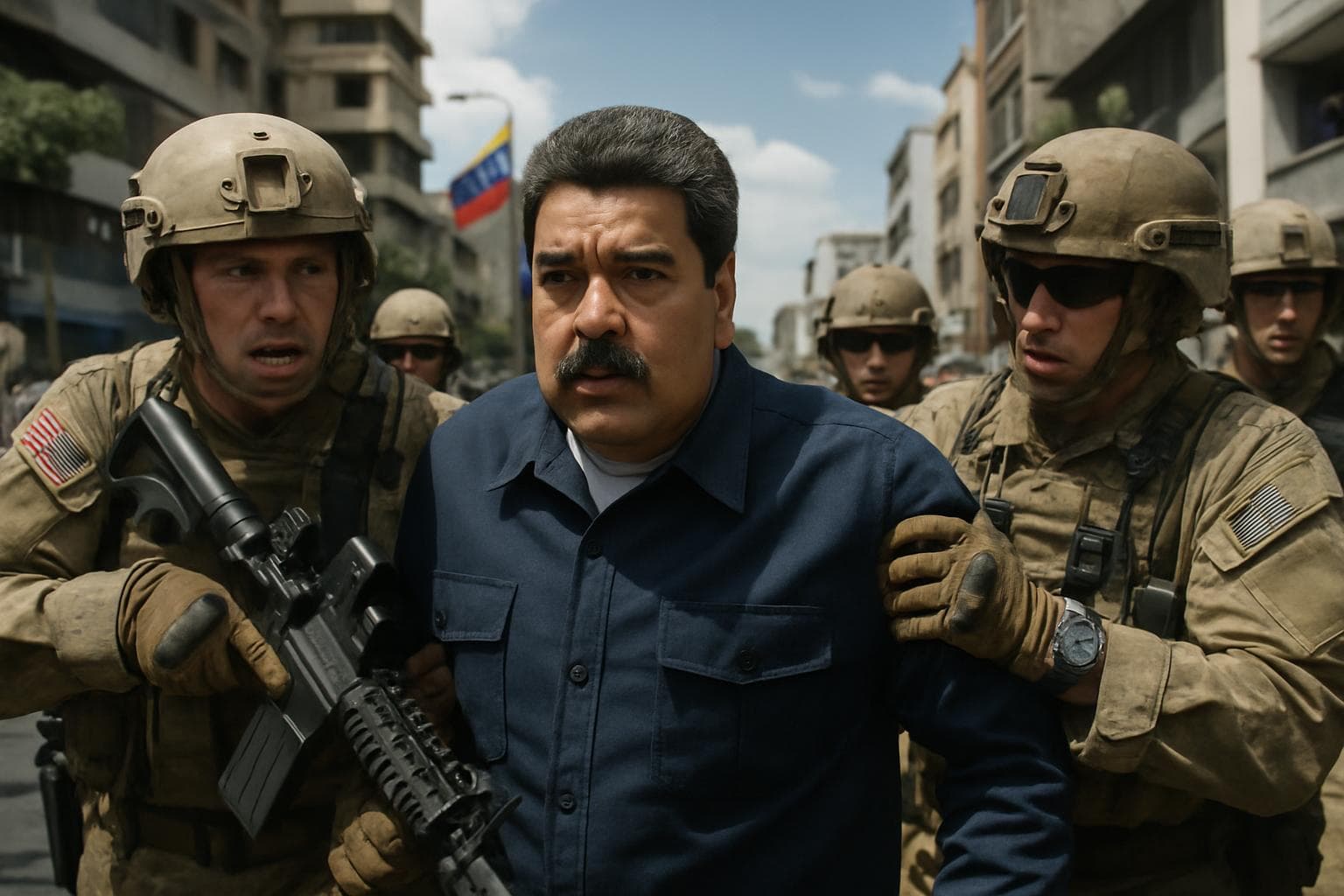
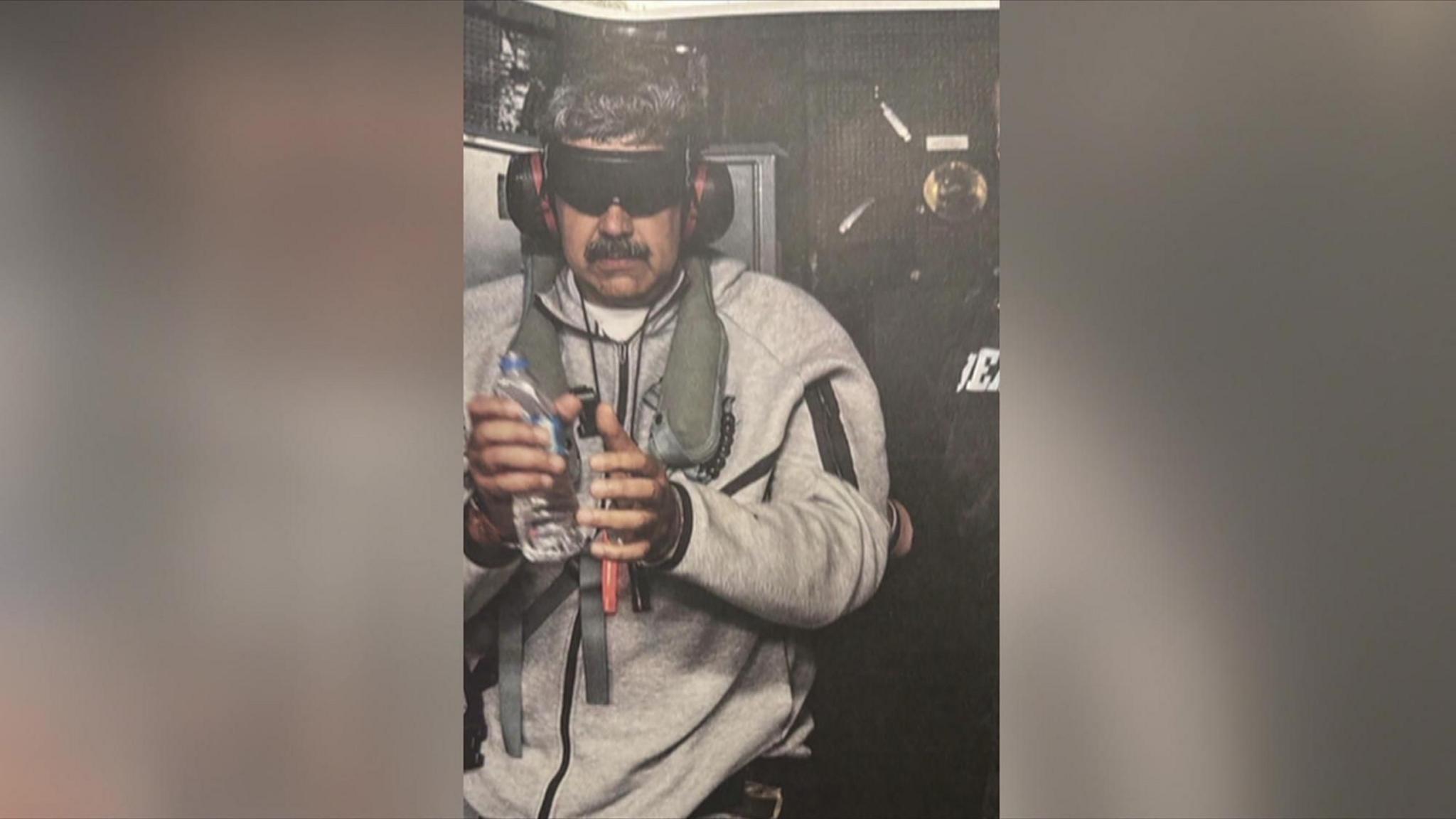
In a bold and unprecedented military operation, the United States captured Venezuelan President Nicolás Maduro and his wife, Cilia Flores, early Saturday morning. Dubbed "Operation Absolute Resolve," the mission was executed with precision, lasting just two and a half hours. The operation has not only intensified the political crisis in Venezuela but also sparked a debate over the limits of executive power in the United States.
Operation Details and Execution
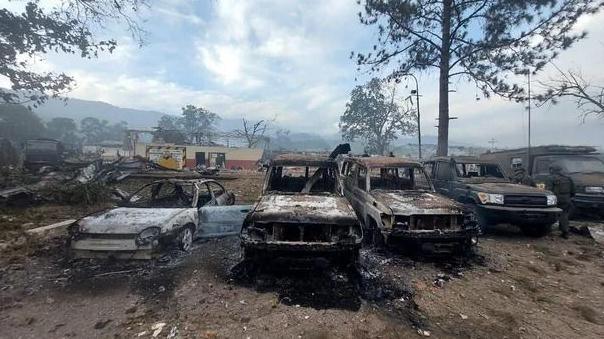
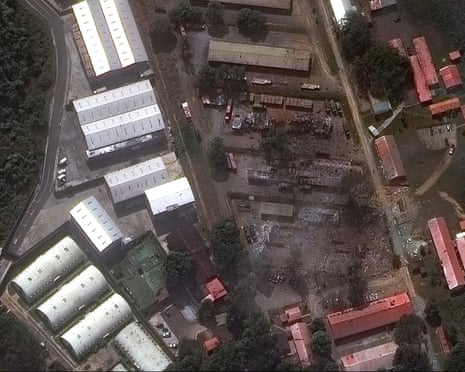
The meticulously planned operation began with disabling Venezuela's air defenses, allowing US military helicopters to approach the Fuerte Tiuna military complex in Caracas. According to General Dan Caine, the US military's highest-ranking officer, the element of surprise was maintained throughout the mission. Elite troops from the Delta Force swiftly captured the Maduros as they attempted to flee into a fortified safe room. "It was a lot of gunfire," President Trump remarked, emphasizing the operation's intensity.
Political Implications and Executive Power
The operation has raised significant questions about the use of executive power. President Trump did not inform Congress before launching the mission, a move that some see as a challenge to the 1973 War Powers Resolution. This act requires the president to notify Congress within 48 hours of deploying troops into hostilities. Critics argue that Trump's decision to bypass Congress sets a concerning precedent, reminiscent of past unilateral military actions.
Intelligence and Planning
The CIA and other US intelligence agencies were instrumental in the operation's success. From as early as August, they tracked Maduro's movements, gathering critical information about his daily routines. Despite Maduro's efforts to evade capture by frequently changing his sleeping locations and relying on Cuban counterintelligence, the US was able to pinpoint his location at Fuerte Tiuna. The use of spy drones and a human source within the Venezuelan government further ensured the mission's success.
Impact on Venezuela and International Relations
The capture of Maduro has plunged Venezuela into uncertainty, with potential repercussions for its political landscape and international relations. The operation has also stirred anxiety in Cuba, a close ally of Venezuela. As the situation unfolds, the world watches closely to see how these developments will affect the region's stability and US-Venezuela relations.
WHAT THIS MIGHT MEAN
The capture of Nicolás Maduro could lead to significant shifts in Venezuela's political dynamics, potentially paving the way for new leadership. However, the operation's unilateral nature may strain US relations with other countries in the region, particularly those critical of American interventionism. Experts suggest that the US may face diplomatic challenges as it navigates the fallout from this bold move. Additionally, the debate over executive power in the US is likely to intensify, with potential legal and political ramifications for future military actions.
Images from the Web
Related Articles
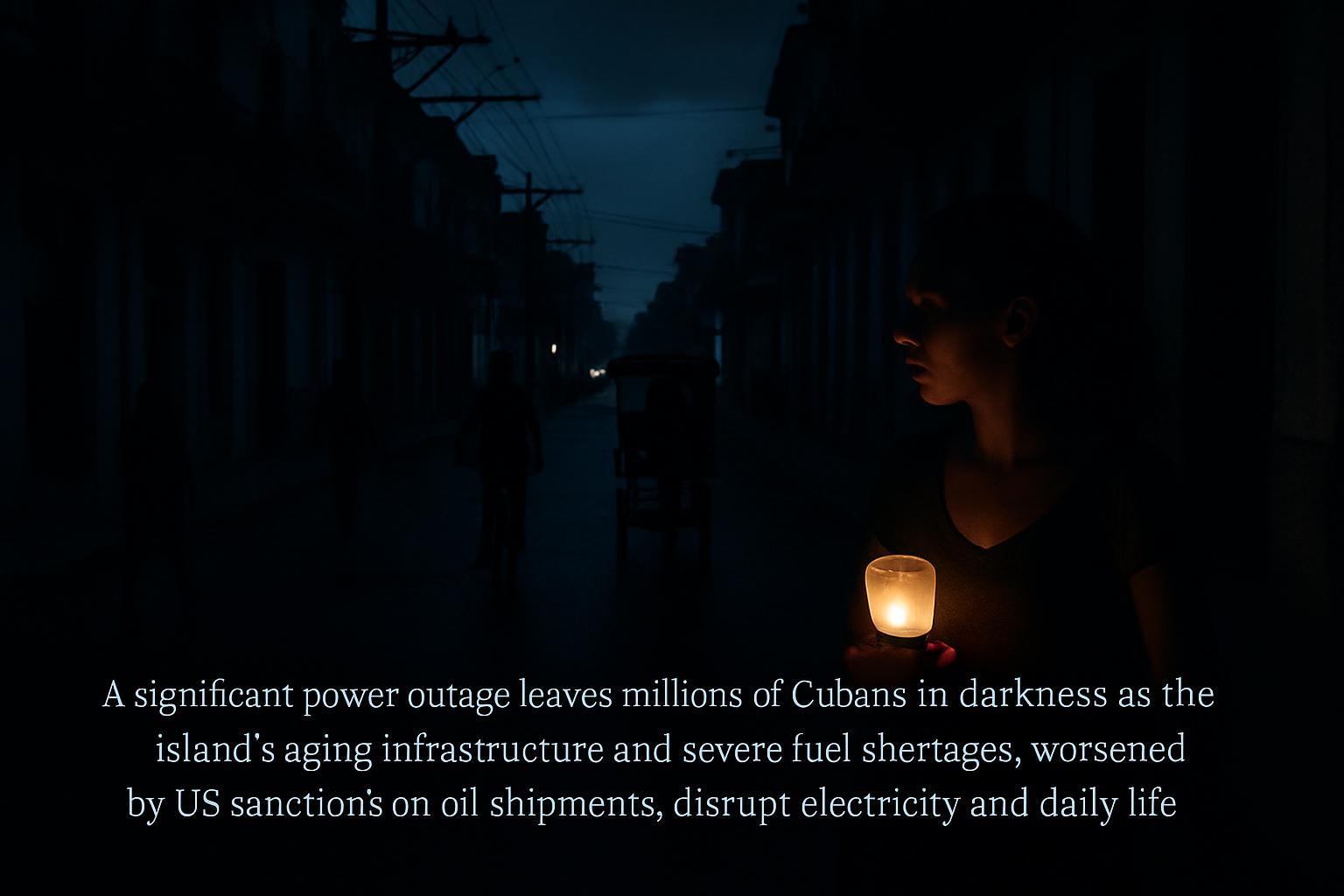
Cuba Faces Widespread Blackout Amid Deepening Fuel Crisis
US and Israel Intensify Military Campaign as Iran's Capabilities Dwindle
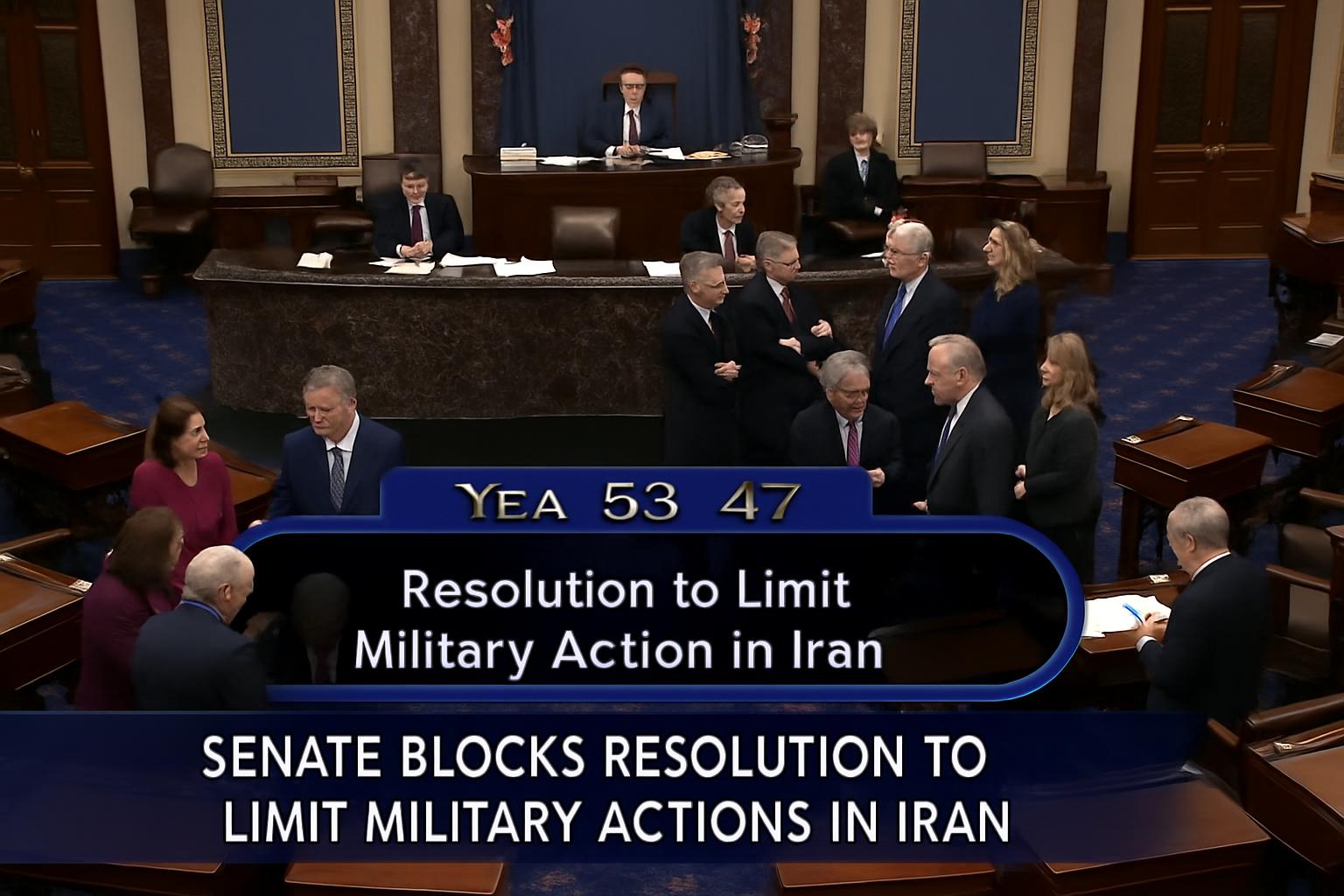
Senate Blocks Resolution to Limit Trump's Military Actions in Iran
Spain's Sánchez Stands Firm Against Trump's Trade Threat Over Iran Stance
Iran Postpones Khamenei Funeral Amid Escalating US-Israeli Strikes
Congress Subpoenas Attorney General Bondi in Epstein Investigation
US Military Operation Captures Venezuelan President Maduro, Sparking Political Debate
In This Article
 Ethan Brooks| Published
 HIGHLIGHTS
- The US military operation, "Operation Absolute Resolve," captured Venezuelan President Nicolás Maduro and his wife, Cilia Flores, in Caracas.
- The operation, lasting only 150 minutes, involved disabling Venezuela's air defenses and deploying elite Delta Force troops.
- President Trump did not inform Congress prior to the operation, raising questions about executive power limits.
- The capture of Maduro has plunged Venezuela into uncertainty, with potential implications for US-Venezuela relations.
- The CIA played a critical role in planning, utilizing intelligence to track Maduro's movements and secure tactical surprise.
In a bold and unprecedented military operation, the United States captured Venezuelan President Nicolás Maduro and his wife, Cilia Flores, early Saturday morning. Dubbed "Operation Absolute Resolve," the mission was executed with precision, lasting just two and a half hours. The operation has not only intensified the political crisis in Venezuela but also sparked a debate over the limits of executive power in the United States.
Operation Details and Execution
The meticulously planned operation began with disabling Venezuela's air defenses, allowing US military helicopters to approach the Fuerte Tiuna military complex in Caracas. According to General Dan Caine, the US military's highest-ranking officer, the element of surprise was maintained throughout the mission. Elite troops from the Delta Force swiftly captured the Maduros as they attempted to flee into a fortified safe room. "It was a lot of gunfire," President Trump remarked, emphasizing the operation's intensity.
Political Implications and Executive Power
The operation has raised significant questions about the use of executive power. President Trump did not inform Congress before launching the mission, a move that some see as a challenge to the 1973 War Powers Resolution. This act requires the president to notify Congress within 48 hours of deploying troops into hostilities. Critics argue that Trump's decision to bypass Congress sets a concerning precedent, reminiscent of past unilateral military actions.
Intelligence and Planning
The CIA and other US intelligence agencies were instrumental in the operation's success. From as early as August, they tracked Maduro's movements, gathering critical information about his daily routines. Despite Maduro's efforts to evade capture by frequently changing his sleeping locations and relying on Cuban counterintelligence, the US was able to pinpoint his location at Fuerte Tiuna. The use of spy drones and a human source within the Venezuelan government further ensured the mission's success.
Impact on Venezuela and International Relations
The capture of Maduro has plunged Venezuela into uncertainty, with potential repercussions for its political landscape and international relations. The operation has also stirred anxiety in Cuba, a close ally of Venezuela. As the situation unfolds, the world watches closely to see how these developments will affect the region's stability and US-Venezuela relations.
WHAT THIS MIGHT MEAN
The capture of Nicolás Maduro could lead to significant shifts in Venezuela's political dynamics, potentially paving the way for new leadership. However, the operation's unilateral nature may strain US relations with other countries in the region, particularly those critical of American interventionism. Experts suggest that the US may face diplomatic challenges as it navigates the fallout from this bold move. Additionally, the debate over executive power in the US is likely to intensify, with potential legal and political ramifications for future military actions.
Images from the Web
Related Articles
Cuba Faces Widespread Blackout Amid Deepening Fuel Crisis
US and Israel Intensify Military Campaign as Iran's Capabilities Dwindle
Senate Blocks Resolution to Limit Trump's Military Actions in Iran
Spain's Sánchez Stands Firm Against Trump's Trade Threat Over Iran Stance
Iran Postpones Khamenei Funeral Amid Escalating US-Israeli Strikes
Congress Subpoenas Attorney General Bondi in Epstein Investigation