
US and China Extend Trade Truce to Avoid Tariff Hike

In This Article
HIGHLIGHTS
- The US and China have extended their trade truce until November 10, avoiding an imminent tariff hike.
- President Trump signed an executive order to maintain current tariff levels, with the US imposing 30% on Chinese imports and China 10% on US goods.
- The extension aims to address trade imbalances and unfair practices, with a focus on increasing US export access to China.
- Talks will also cover national security issues and the stability of global semiconductor production.
- Failure to reach a deal could lead to significant economic consequences, with tariffs potentially soaring to 245% on Chinese goods.
In a significant development for global trade, the United States and China have agreed to extend their trade truce until November 10, just hours before a scheduled increase in tariffs. This decision, confirmed by a joint statement from both nations, averts an escalation in the trade war between the world's two largest economies.
Executive Order and Tariff Details
On Monday, President Donald Trump signed an executive order to prolong the current tariff levels, maintaining a 30% tariff on Chinese imports while China retains a 10% tariff on American goods. This extension provides a 90-day window for further negotiations aimed at remedying trade imbalances and addressing unfair trade practices. The White House emphasized the need to reduce the nearly $300 billion trade deficit with China, the largest among its trading partners.
Focus on Economic and Security Issues
The ongoing discussions will also tackle national security and economic issues, including the stability of global semiconductor production. China's embassy in Washington reiterated the importance of "win-win cooperation" and urged the US to lift "unreasonable" trade restrictions. The talks are expected to explore increased access for US exporters to the Chinese market and address non-tariff barriers.
Potential Economic Impact
The extension comes amid concerns about the economic impact of tariffs on prices and the broader economy. The Federal Reserve and economists have warned that tariffs could lead to higher consumer prices in the US. Goldman Sachs strategists estimate that US consumers have absorbed 22% of tariff costs, a figure that could rise significantly if tariffs increase.
Industry Reactions and Future Prospects
In a related development, chipmakers Nvidia and AMD have agreed to pay the US government 15% of their revenue from advanced chips sold to China, securing export licenses to the market. This move highlights the complex interplay between trade policies and industry dynamics.
WHAT THIS MIGHT MEAN
The extension of the trade truce provides a temporary reprieve but underscores the fragility of US-China trade relations. If negotiations fail to yield a comprehensive agreement, the risk of a full-blown trade war remains, with tariffs potentially escalating to unprecedented levels. Such an outcome could have far-reaching implications for global supply chains and economic stability.
Experts suggest that a successful resolution will require both nations to make significant concessions. The focus on semiconductor production and technology exports indicates a strategic dimension to the talks, reflecting broader geopolitical considerations. As the November deadline approaches, the world will be watching closely to see if the two economic giants can navigate their differences and forge a sustainable path forward.
Related Articles

UK Faces Dilemmas Amid Iran Conflict and China Spying Allegations
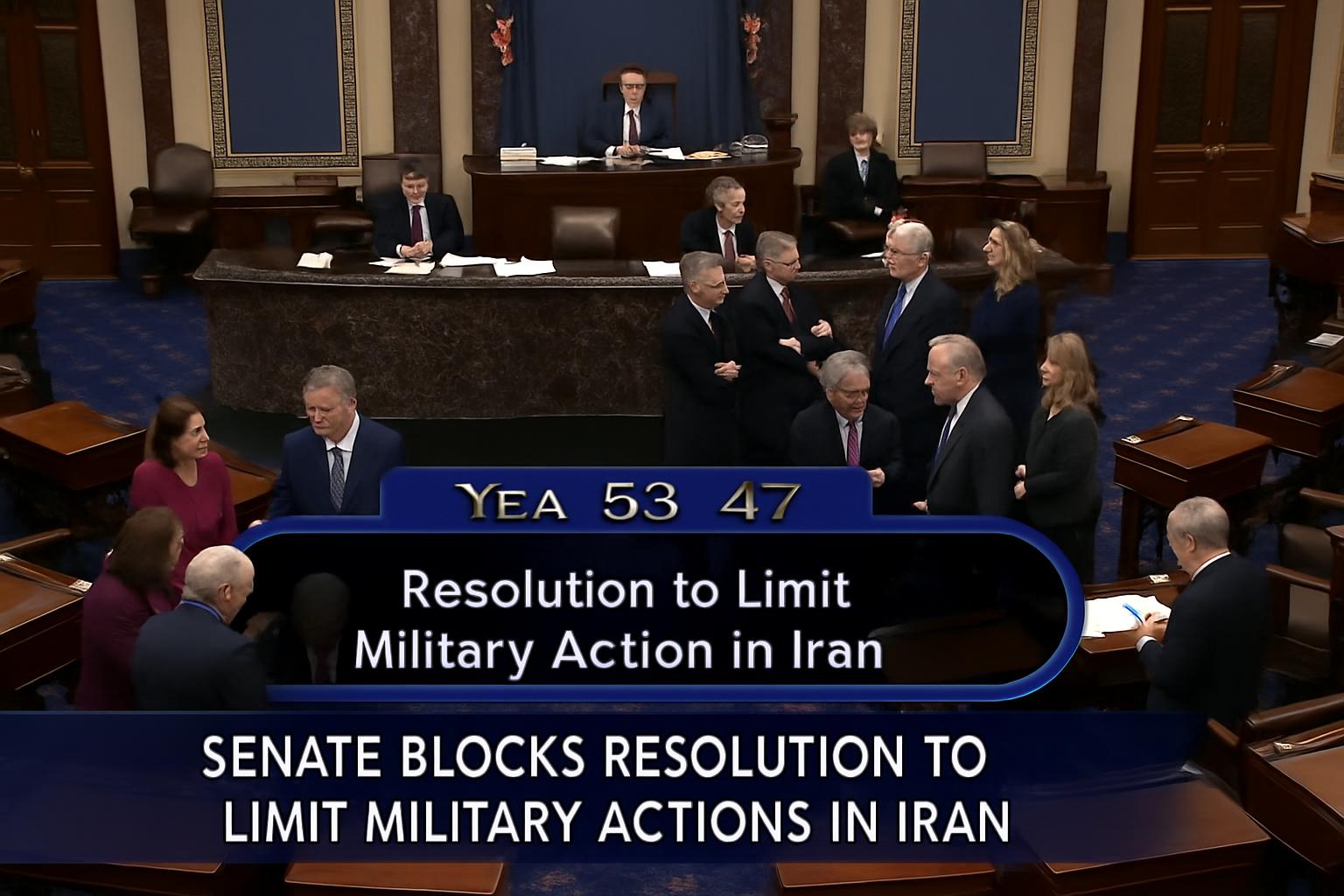
Senate Blocks Resolution to Limit Trump's Military Actions in Iran

Spain's Sánchez Stands Firm Against Trump's Trade Threat Over Iran Stance

Iran Postpones Khamenei Funeral Amid Escalating US-Israeli Strikes
US Supreme Court Ruling Sparks Trade Uncertainty in Asia and Beyond
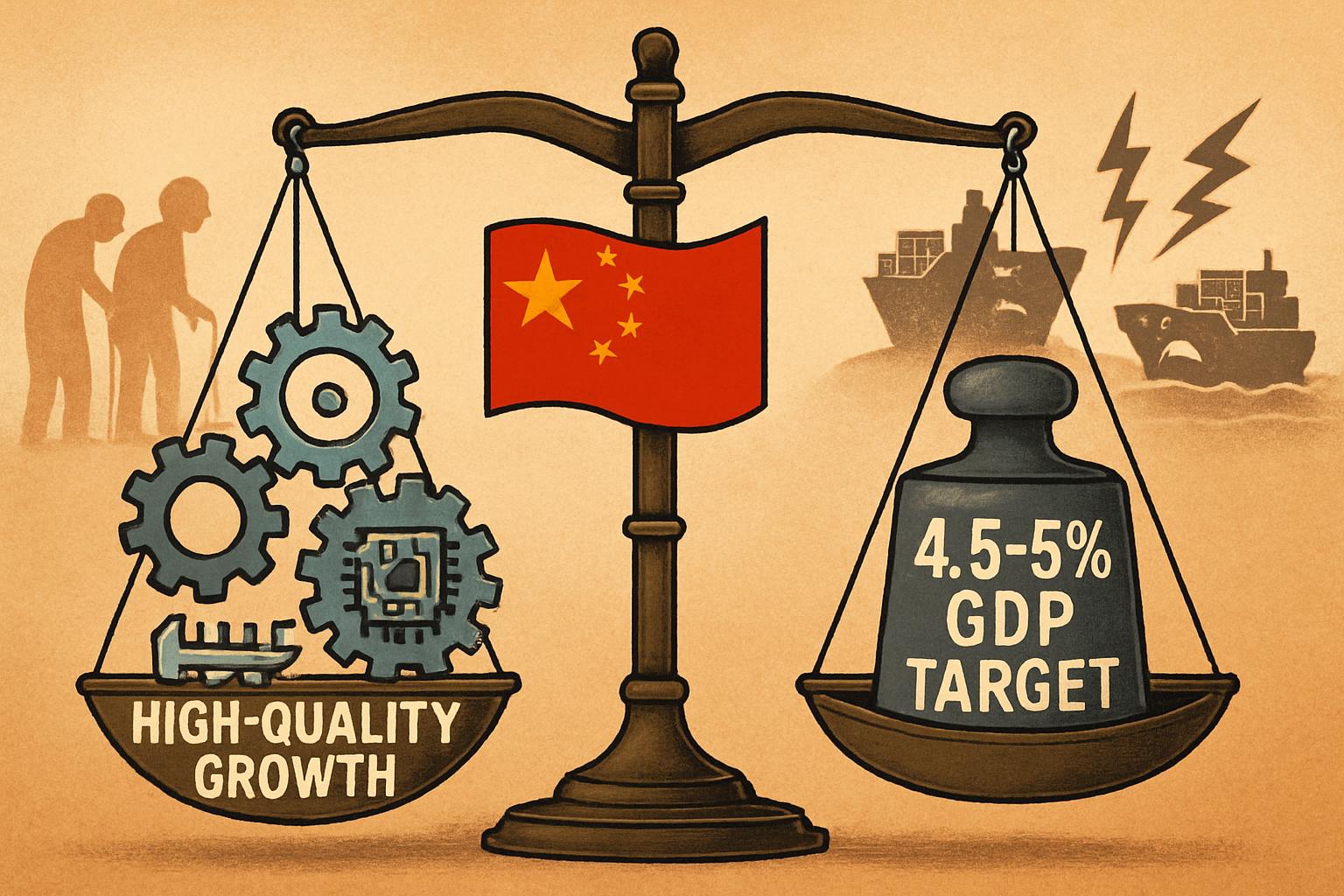
China Sets Lowest GDP Growth Target in Decades Amid Economic Challenges
US and China Extend Trade Truce to Avoid Tariff Hike
In This Article
 Ethan Brooks| Published
 HIGHLIGHTS
- The US and China have extended their trade truce until November 10, avoiding an imminent tariff hike.
- President Trump signed an executive order to maintain current tariff levels, with the US imposing 30% on Chinese imports and China 10% on US goods.
- The extension aims to address trade imbalances and unfair practices, with a focus on increasing US export access to China.
- Talks will also cover national security issues and the stability of global semiconductor production.
- Failure to reach a deal could lead to significant economic consequences, with tariffs potentially soaring to 245% on Chinese goods.
In a significant development for global trade, the United States and China have agreed to extend their trade truce until November 10, just hours before a scheduled increase in tariffs. This decision, confirmed by a joint statement from both nations, averts an escalation in the trade war between the world's two largest economies.
Executive Order and Tariff Details
On Monday, President Donald Trump signed an executive order to prolong the current tariff levels, maintaining a 30% tariff on Chinese imports while China retains a 10% tariff on American goods. This extension provides a 90-day window for further negotiations aimed at remedying trade imbalances and addressing unfair trade practices. The White House emphasized the need to reduce the nearly $300 billion trade deficit with China, the largest among its trading partners.
Focus on Economic and Security Issues
The ongoing discussions will also tackle national security and economic issues, including the stability of global semiconductor production. China's embassy in Washington reiterated the importance of "win-win cooperation" and urged the US to lift "unreasonable" trade restrictions. The talks are expected to explore increased access for US exporters to the Chinese market and address non-tariff barriers.
Potential Economic Impact
The extension comes amid concerns about the economic impact of tariffs on prices and the broader economy. The Federal Reserve and economists have warned that tariffs could lead to higher consumer prices in the US. Goldman Sachs strategists estimate that US consumers have absorbed 22% of tariff costs, a figure that could rise significantly if tariffs increase.
Industry Reactions and Future Prospects
In a related development, chipmakers Nvidia and AMD have agreed to pay the US government 15% of their revenue from advanced chips sold to China, securing export licenses to the market. This move highlights the complex interplay between trade policies and industry dynamics.
WHAT THIS MIGHT MEAN
The extension of the trade truce provides a temporary reprieve but underscores the fragility of US-China trade relations. If negotiations fail to yield a comprehensive agreement, the risk of a full-blown trade war remains, with tariffs potentially escalating to unprecedented levels. Such an outcome could have far-reaching implications for global supply chains and economic stability.
Experts suggest that a successful resolution will require both nations to make significant concessions. The focus on semiconductor production and technology exports indicates a strategic dimension to the talks, reflecting broader geopolitical considerations. As the November deadline approaches, the world will be watching closely to see if the two economic giants can navigate their differences and forge a sustainable path forward.
Related Articles
UK Faces Dilemmas Amid Iran Conflict and China Spying Allegations
Senate Blocks Resolution to Limit Trump's Military Actions in Iran
Spain's Sánchez Stands Firm Against Trump's Trade Threat Over Iran Stance
Iran Postpones Khamenei Funeral Amid Escalating US-Israeli Strikes
US Supreme Court Ruling Sparks Trade Uncertainty in Asia and Beyond
China Sets Lowest GDP Growth Target in Decades Amid Economic Challenges