
Tensions Rise as US Condemns Death of Venezuelan Opposition Figure Amidst Escalating Conflict

In This Article
HIGHLIGHTS
- The death of Venezuelan opposition figure Alfredo Díaz in custody has sparked international criticism, with the US condemning it as a reflection of President Nicolás Maduro's regime.
- Alfredo Díaz was detained after disputing the 2024 presidential election results, which were widely criticized as neither free nor fair.
- The US has increased military presence in the region, with President Trump accusing Maduro of leading a drug cartel and threatening military action.
- Brazil's foreign policy adviser warned that US intervention could lead to a Vietnam-style conflict in South America.
- Human rights organizations have raised concerns about the conditions of political prisoners in Venezuela, with 17 deaths reported since 2014.
The recent death of Venezuelan opposition figure Alfredo Díaz in custody has intensified international scrutiny of President Nicolás Maduro's regime. Díaz, who was held at the El Helicoide prison in Caracas for over a year, reportedly died of a heart attack after being taken to a hospital. His death has been condemned by the US, which described it as a "reminder of the vile nature" of Maduro's government.
Díaz, a former governor of Nueva Esparta, was detained following his challenge to the 2024 presidential election results, which were declared in favor of Maduro despite widespread allegations of electoral fraud. The US State Department has labeled Díaz's detention as arbitrary, highlighting the deteriorating conditions for political prisoners in Venezuela. Alfredo Romero, president of the human rights group Foro Penal, noted that Díaz was held in solitary confinement and had limited contact with his family.
The US has ramped up its military presence in the region, with President Donald Trump accusing Maduro of heading a drug cartel and threatening military action. This has led to fears of a broader conflict, with Celso Amorim, chief foreign policy adviser to Brazil's President Luiz Inácio Lula da Silva, warning of a potential Vietnam-style war in South America. Amorim criticized the US's closure of Venezuelan airspace as an "act of war" and cautioned against foreign intervention.
The Democratic Unitary Platform, an opposition alliance, has called Díaz's death unjust, while prominent opposition leader María Corina Machado, who recently won the Nobel Peace Prize, described it as part of a troubling pattern of political prisoner deaths. Machado remains in hiding to avoid arrest, underscoring the ongoing repression faced by opposition figures in Venezuela.
WHAT THIS MIGHT MEAN
The escalating tensions between the US and Venezuela could lead to significant geopolitical shifts in South America. If the US pursues military intervention, it risks igniting a regional conflict reminiscent of the Vietnam War, potentially drawing in neighboring countries and global powers. Such a move could also exacerbate anti-American sentiment across Latin America, complicating diplomatic relations.
On the domestic front, the continued repression of opposition figures and the questionable legitimacy of Maduro's government may fuel further unrest within Venezuela. International pressure and human rights advocacy could play a crucial role in shaping the country's political landscape, potentially leading to renewed calls for free and fair elections. As the situation unfolds, the international community will be closely watching for any signs of resolution or escalation.
Related Articles
Cuba Faces Widespread Blackout Amid Deepening Fuel Crisis
El Mencho's Death Sparks Violent Unrest Across Mexico

UK Faces Dilemmas Amid Iran Conflict and China Spying Allegations
Spain's Sánchez Stands Firm Against Trump's Trade Threat Over Iran Stance
Diplomatic Tensions Rise as Trump Criticizes Starmer's Iran Policy
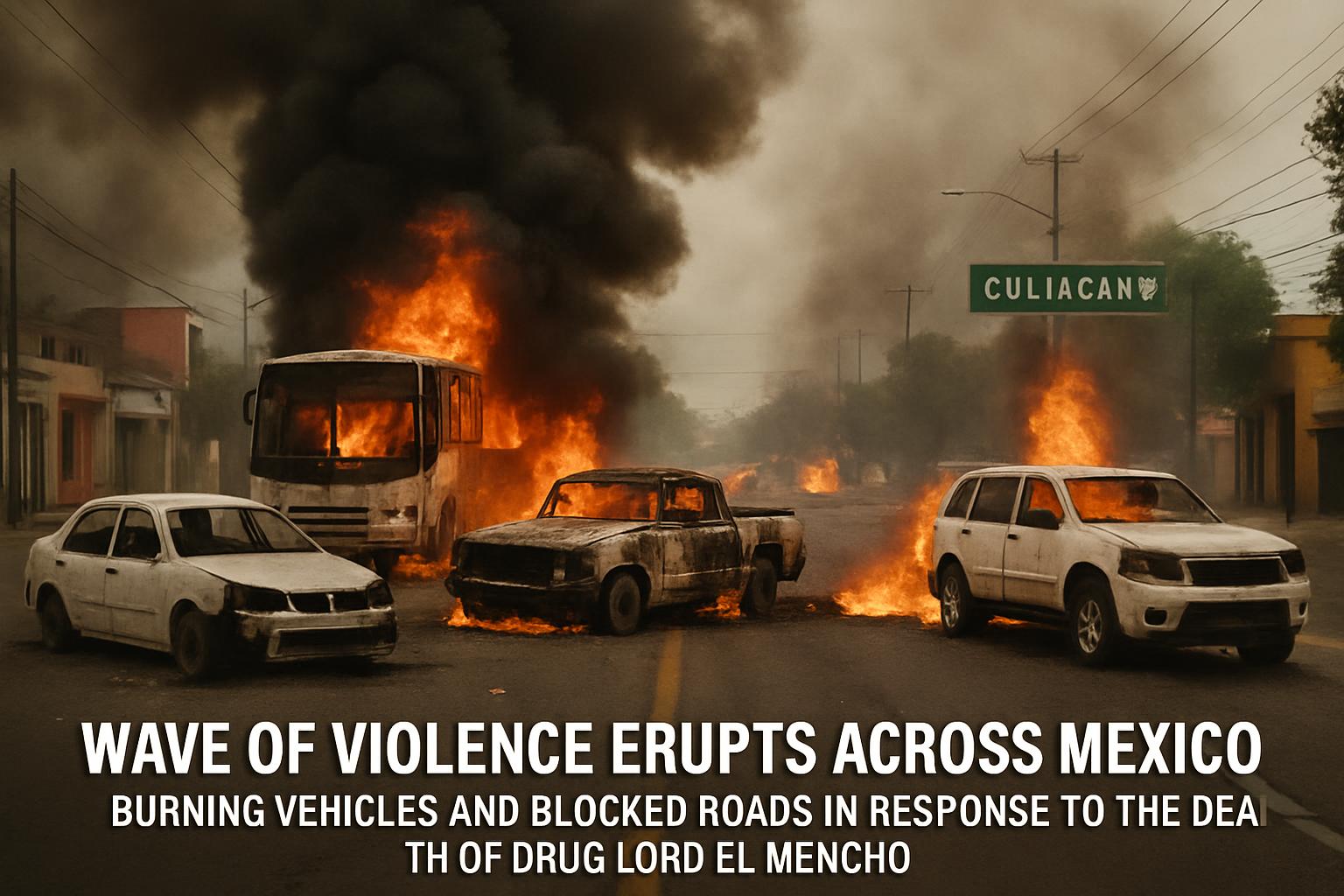
Violence Erupts Across Mexico Following Death of Drug Lord El Mencho
Tensions Rise as US Condemns Death of Venezuelan Opposition Figure Amidst Escalating Conflict
In This Article
HIGHLIGHTS
- The death of Venezuelan opposition figure Alfredo Díaz in custody has sparked international criticism, with the US condemning it as a reflection of President Nicolás Maduro's regime.
- Alfredo Díaz was detained after disputing the 2024 presidential election results, which were widely criticized as neither free nor fair.
- The US has increased military presence in the region, with President Trump accusing Maduro of leading a drug cartel and threatening military action.
- Brazil's foreign policy adviser warned that US intervention could lead to a Vietnam-style conflict in South America.
- Human rights organizations have raised concerns about the conditions of political prisoners in Venezuela, with 17 deaths reported since 2014.
The recent death of Venezuelan opposition figure Alfredo Díaz in custody has intensified international scrutiny of President Nicolás Maduro's regime. Díaz, who was held at the El Helicoide prison in Caracas for over a year, reportedly died of a heart attack after being taken to a hospital. His death has been condemned by the US, which described it as a "reminder of the vile nature" of Maduro's government.
Díaz, a former governor of Nueva Esparta, was detained following his challenge to the 2024 presidential election results, which were declared in favor of Maduro despite widespread allegations of electoral fraud. The US State Department has labeled Díaz's detention as arbitrary, highlighting the deteriorating conditions for political prisoners in Venezuela. Alfredo Romero, president of the human rights group Foro Penal, noted that Díaz was held in solitary confinement and had limited contact with his family.
The US has ramped up its military presence in the region, with President Donald Trump accusing Maduro of heading a drug cartel and threatening military action. This has led to fears of a broader conflict, with Celso Amorim, chief foreign policy adviser to Brazil's President Luiz Inácio Lula da Silva, warning of a potential Vietnam-style war in South America. Amorim criticized the US's closure of Venezuelan airspace as an "act of war" and cautioned against foreign intervention.
The Democratic Unitary Platform, an opposition alliance, has called Díaz's death unjust, while prominent opposition leader María Corina Machado, who recently won the Nobel Peace Prize, described it as part of a troubling pattern of political prisoner deaths. Machado remains in hiding to avoid arrest, underscoring the ongoing repression faced by opposition figures in Venezuela.
WHAT THIS MIGHT MEAN
The escalating tensions between the US and Venezuela could lead to significant geopolitical shifts in South America. If the US pursues military intervention, it risks igniting a regional conflict reminiscent of the Vietnam War, potentially drawing in neighboring countries and global powers. Such a move could also exacerbate anti-American sentiment across Latin America, complicating diplomatic relations.
On the domestic front, the continued repression of opposition figures and the questionable legitimacy of Maduro's government may fuel further unrest within Venezuela. International pressure and human rights advocacy could play a crucial role in shaping the country's political landscape, potentially leading to renewed calls for free and fair elections. As the situation unfolds, the international community will be closely watching for any signs of resolution or escalation.
Related Articles
Cuba Faces Widespread Blackout Amid Deepening Fuel Crisis
El Mencho's Death Sparks Violent Unrest Across Mexico
UK Faces Dilemmas Amid Iran Conflict and China Spying Allegations
Spain's Sánchez Stands Firm Against Trump's Trade Threat Over Iran Stance
Diplomatic Tensions Rise as Trump Criticizes Starmer's Iran Policy
Violence Erupts Across Mexico Following Death of Drug Lord El Mencho