
Historic US Government Shutdown Ends with Temporary Spending Bill
In This Article
HIGHLIGHTS
- President Donald Trump signed a spending bill to end the longest government shutdown in US history, lasting 43 days.
- The shutdown affected 1.4 million federal employees, disrupted air travel, and halted food aid programs.
- The spending bill funds the government until January 30, but does not extend expiring healthcare subsidies, a key Democratic demand.
- Senate Democrats triggered the shutdown by refusing to pass a funding bill without healthcare subsidy extensions.
- The shutdown ended with a compromise, but many Democrats remain dissatisfied with the lack of concessions.
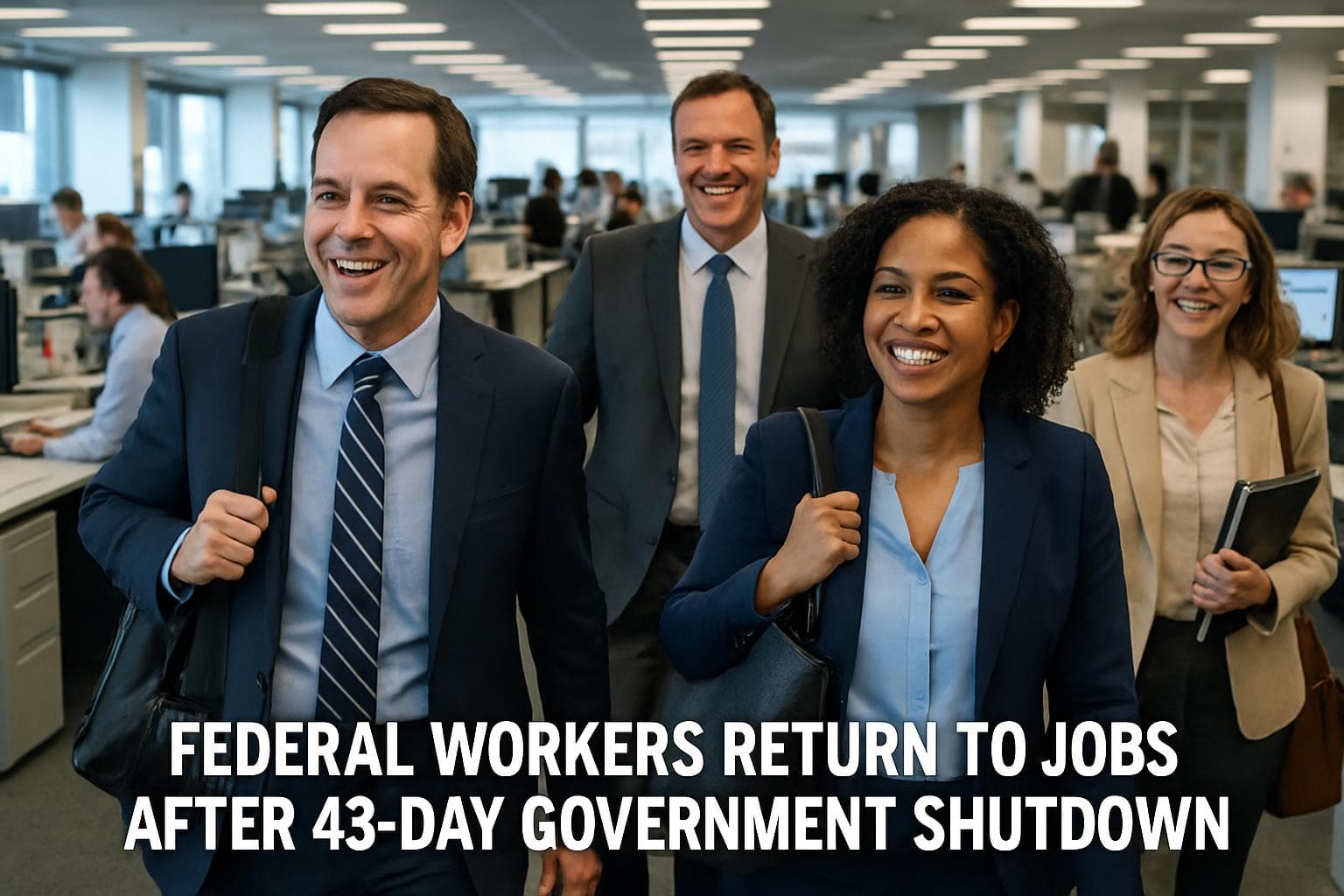
President Donald Trump has signed a spending bill to end the longest government shutdown in US history, which lasted 43 days and affected millions of Americans. The shutdown, which began on October 1, left approximately 1.4 million federal employees either on unpaid leave or working without pay, disrupted air travel, and halted food aid programs for low-income families.
Impact of the Shutdown
The shutdown caused significant disruptions across the country. The Federal Aviation Administration (FAA) had to reduce air traffic due to staff shortages, leading to widespread flight cancellations and delays. Food aid programs were also left in limbo, affecting millions of Americans who rely on such assistance.
The Spending Bill and Political Tensions
The spending bill, which was passed by the House of Representatives with a vote of 222-209, provides funding to keep the government open until January 30. However, it does not address the extension of healthcare subsidies under the Affordable Care Act, a key demand from Senate Democrats. This issue was a major point of contention during the shutdown, with Democrats initially refusing to support any funding bill that did not include these extensions.
Democratic Discontent and Republican Strategy
The shutdown was triggered by Senate Democrats using a parliamentary filibuster to block a Republican measure to temporarily fund the government. Despite the eventual compromise, many Democrats are dissatisfied with the outcome, feeling that their demands were not met. House Minority Leader Hakeem Jeffries and California Governor Gavin Newsom have publicly criticized the deal, calling it a "surrender."
Looking Ahead
As the government resumes normal operations, the political landscape remains tense. The spending bill only provides a temporary solution, and lawmakers will need to negotiate a more permanent funding plan by the end of January. The unresolved issue of healthcare subsidies continues to be a significant point of contention between Democrats and Republicans.
WHAT THIS MIGHT MEAN
The temporary resolution of the government shutdown leaves several critical issues unresolved, particularly the extension of healthcare subsidies under the Affordable Care Act. As the January 30 deadline approaches, Congress will need to negotiate a more permanent funding solution. The lack of concessions on healthcare subsidies may continue to fuel Democratic dissatisfaction and could impact upcoming elections.
Politically, the shutdown has highlighted deep divisions within Congress, with both parties blaming each other for the impasse. The outcome of future negotiations will likely influence public perception and could have significant implications for the 2026 midterm elections. Experts suggest that the ability of both parties to reach a compromise on key issues will be crucial in maintaining government stability and public trust.
Related Articles
Senate Blocks Resolution to Limit Trump's Military Actions in Iran

Spain's Sánchez Stands Firm Against Trump's Trade Threat Over Iran Stance

Iran Postpones Khamenei Funeral Amid Escalating US-Israeli Strikes
Congress Subpoenas Attorney General Bondi in Epstein Investigation
Cuba Faces Widespread Blackout Amid Deepening Fuel Crisis

UK Faces Dilemmas Amid Iran Conflict and China Spying Allegations
Historic US Government Shutdown Ends with Temporary Spending Bill
In This Article
 Ethan Brooks| Published
 HIGHLIGHTS
- President Donald Trump signed a spending bill to end the longest government shutdown in US history, lasting 43 days.
- The shutdown affected 1.4 million federal employees, disrupted air travel, and halted food aid programs.
- The spending bill funds the government until January 30, but does not extend expiring healthcare subsidies, a key Democratic demand.
- Senate Democrats triggered the shutdown by refusing to pass a funding bill without healthcare subsidy extensions.
- The shutdown ended with a compromise, but many Democrats remain dissatisfied with the lack of concessions.
President Donald Trump has signed a spending bill to end the longest government shutdown in US history, which lasted 43 days and affected millions of Americans. The shutdown, which began on October 1, left approximately 1.4 million federal employees either on unpaid leave or working without pay, disrupted air travel, and halted food aid programs for low-income families.
Impact of the Shutdown
The shutdown caused significant disruptions across the country. The Federal Aviation Administration (FAA) had to reduce air traffic due to staff shortages, leading to widespread flight cancellations and delays. Food aid programs were also left in limbo, affecting millions of Americans who rely on such assistance.
The Spending Bill and Political Tensions
The spending bill, which was passed by the House of Representatives with a vote of 222-209, provides funding to keep the government open until January 30. However, it does not address the extension of healthcare subsidies under the Affordable Care Act, a key demand from Senate Democrats. This issue was a major point of contention during the shutdown, with Democrats initially refusing to support any funding bill that did not include these extensions.
Democratic Discontent and Republican Strategy
The shutdown was triggered by Senate Democrats using a parliamentary filibuster to block a Republican measure to temporarily fund the government. Despite the eventual compromise, many Democrats are dissatisfied with the outcome, feeling that their demands were not met. House Minority Leader Hakeem Jeffries and California Governor Gavin Newsom have publicly criticized the deal, calling it a "surrender."
Looking Ahead
As the government resumes normal operations, the political landscape remains tense. The spending bill only provides a temporary solution, and lawmakers will need to negotiate a more permanent funding plan by the end of January. The unresolved issue of healthcare subsidies continues to be a significant point of contention between Democrats and Republicans.
WHAT THIS MIGHT MEAN
The temporary resolution of the government shutdown leaves several critical issues unresolved, particularly the extension of healthcare subsidies under the Affordable Care Act. As the January 30 deadline approaches, Congress will need to negotiate a more permanent funding solution. The lack of concessions on healthcare subsidies may continue to fuel Democratic dissatisfaction and could impact upcoming elections.
Politically, the shutdown has highlighted deep divisions within Congress, with both parties blaming each other for the impasse. The outcome of future negotiations will likely influence public perception and could have significant implications for the 2026 midterm elections. Experts suggest that the ability of both parties to reach a compromise on key issues will be crucial in maintaining government stability and public trust.
Related Articles
Senate Blocks Resolution to Limit Trump's Military Actions in Iran
Spain's Sánchez Stands Firm Against Trump's Trade Threat Over Iran Stance
Iran Postpones Khamenei Funeral Amid Escalating US-Israeli Strikes
Congress Subpoenas Attorney General Bondi in Epstein Investigation
Cuba Faces Widespread Blackout Amid Deepening Fuel Crisis
UK Faces Dilemmas Amid Iran Conflict and China Spying Allegations