
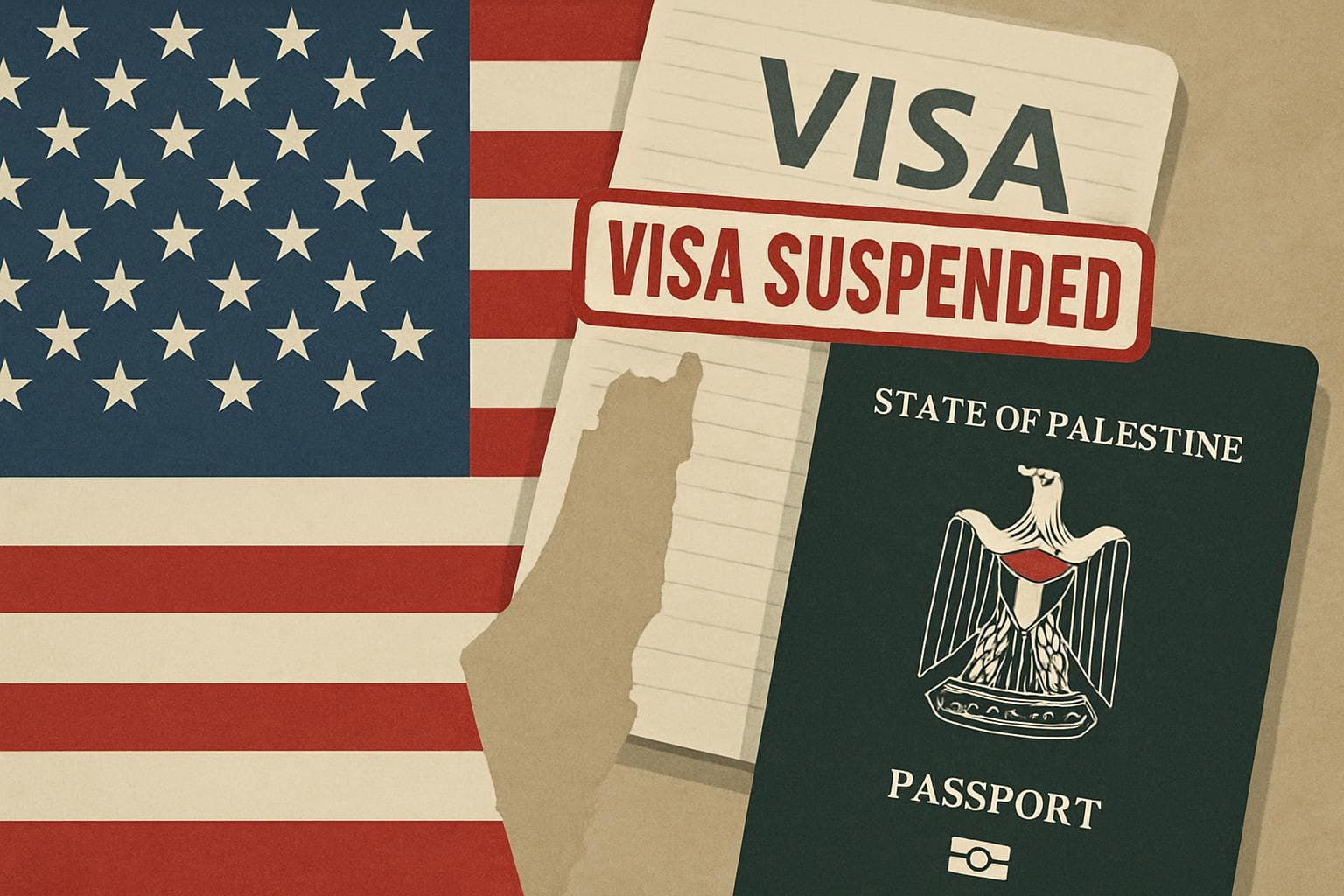
US Suspends Visas for Palestinian Passport Holders Amid Rising Tensions
In This Article
HIGHLIGHTS
- The US has suspended visa approvals for nearly all Palestinian passport holders, impacting travel for business, study, and medical purposes.
- This policy affects Palestinians from both Gaza and the West Bank, following a diplomatic cable dated 18 August.
- The move coincides with the denial of visas to Palestinian officials, including President Mahmoud Abbas, for the UN General Assembly.
- The Trump administration cites national security interests and accountability for the Palestinian Authority's actions as reasons for the visa restrictions.
- The policy aligns with the US's support for Israel's government and its stance against recognizing a Palestinian state.
The United States has implemented a sweeping suspension of visa approvals for nearly all individuals holding Palestinian passports, a move that significantly restricts travel for Palestinians seeking entry into the US for various purposes, including business, education, and medical treatment. This development, reported by the New York Times and CNN, marks an expansion of previous restrictions that primarily targeted individuals from Gaza.
Visa Restrictions and Diplomatic Tensions
The decision, communicated via a diplomatic cable dated 18 August, instructs US consular officers to deny non-immigrant visas to all Palestinian Authority passport holders. This effectively extends the visa suspension to Palestinians residing in the Israeli-occupied West Bank, in addition to those in Gaza. The US Department of State has not explicitly confirmed the move but emphasized its commitment to national security and compliance with US law.
The timing of this policy shift coincides with the denial of visas to Palestinian officials, including President Mahmoud Abbas, ahead of the United Nations General Assembly in New York. Despite the US's obligation as the UN host to grant visas to officials attending the assembly, the State Department has justified its actions by allowing the Palestinian mission to participate.
Political Context and Reactions
The Trump administration has consistently aligned itself with Israel's right-wing government, opposing the recognition of a Palestinian state. The recent visa policy is part of a broader strategy to hold the Palestinian Authority and the Palestine Liberation Organization accountable for actions perceived as undermining peace efforts. This stance has been met with criticism from pro-Palestinian groups and international observers.
The policy shift follows a series of measures by the Trump administration to curb pro-Palestinian activities, including protests on US university campuses. The administration's unwavering support for Israel's military actions against Hamas in Gaza further underscores its position in the Israeli-Palestinian conflict.
WHAT THIS MIGHT MEAN
The suspension of visas for Palestinian passport holders could exacerbate tensions between the US and Palestinian authorities, potentially impacting diplomatic relations and peace negotiations. Experts suggest that this move may further isolate the Palestinian leadership on the international stage, complicating efforts to revive dialogue with Israel.
Should the US maintain its current stance, it may face increased pressure from international allies and human rights organizations advocating for Palestinian rights. The situation could also influence future US administrations' policies towards the Israeli-Palestinian conflict, depending on evolving geopolitical dynamics and domestic political considerations.
Related Articles
Iran Postpones Khamenei Funeral Amid Escalating US-Israeli Strikes

US and Israel Intensify Military Campaign as Iran's Capabilities Dwindle

Intensified US-Israel Strikes on Iran Spark Global Outcry
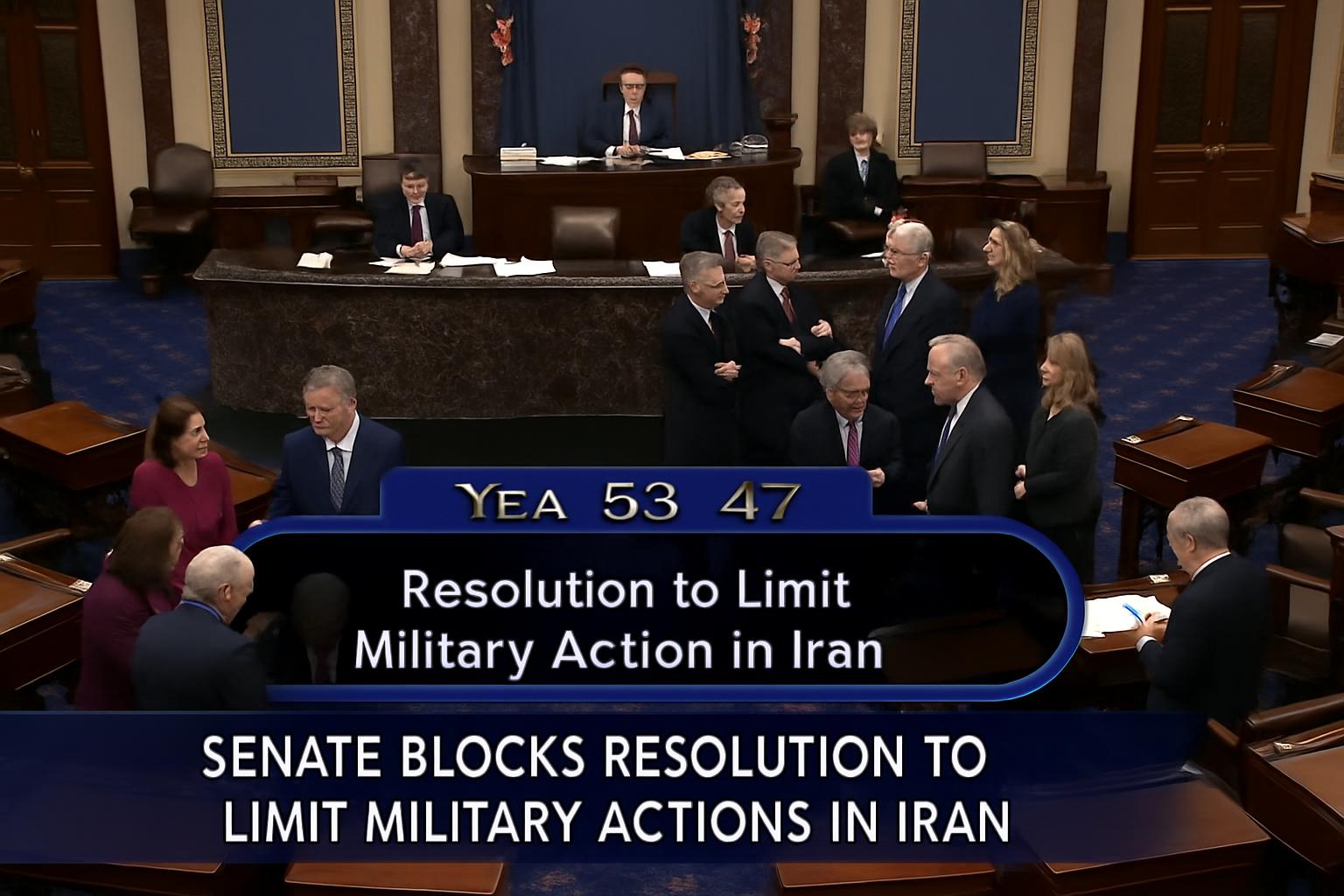
Senate Blocks Resolution to Limit Trump's Military Actions in Iran
Canada Calls for De-escalation Amid US-Israel Strikes on Iran

US-Iran Tensions Escalate Amid Renewed Nuclear Talks and Protests
US Suspends Visas for Palestinian Passport Holders Amid Rising Tensions
In This Article
 Ethan Brooks| Published
 HIGHLIGHTS
- The US has suspended visa approvals for nearly all Palestinian passport holders, impacting travel for business, study, and medical purposes.
- This policy affects Palestinians from both Gaza and the West Bank, following a diplomatic cable dated 18 August.
- The move coincides with the denial of visas to Palestinian officials, including President Mahmoud Abbas, for the UN General Assembly.
- The Trump administration cites national security interests and accountability for the Palestinian Authority's actions as reasons for the visa restrictions.
- The policy aligns with the US's support for Israel's government and its stance against recognizing a Palestinian state.
The United States has implemented a sweeping suspension of visa approvals for nearly all individuals holding Palestinian passports, a move that significantly restricts travel for Palestinians seeking entry into the US for various purposes, including business, education, and medical treatment. This development, reported by the New York Times and CNN, marks an expansion of previous restrictions that primarily targeted individuals from Gaza.
Visa Restrictions and Diplomatic Tensions
The decision, communicated via a diplomatic cable dated 18 August, instructs US consular officers to deny non-immigrant visas to all Palestinian Authority passport holders. This effectively extends the visa suspension to Palestinians residing in the Israeli-occupied West Bank, in addition to those in Gaza. The US Department of State has not explicitly confirmed the move but emphasized its commitment to national security and compliance with US law.
The timing of this policy shift coincides with the denial of visas to Palestinian officials, including President Mahmoud Abbas, ahead of the United Nations General Assembly in New York. Despite the US's obligation as the UN host to grant visas to officials attending the assembly, the State Department has justified its actions by allowing the Palestinian mission to participate.
Political Context and Reactions
The Trump administration has consistently aligned itself with Israel's right-wing government, opposing the recognition of a Palestinian state. The recent visa policy is part of a broader strategy to hold the Palestinian Authority and the Palestine Liberation Organization accountable for actions perceived as undermining peace efforts. This stance has been met with criticism from pro-Palestinian groups and international observers.
The policy shift follows a series of measures by the Trump administration to curb pro-Palestinian activities, including protests on US university campuses. The administration's unwavering support for Israel's military actions against Hamas in Gaza further underscores its position in the Israeli-Palestinian conflict.
WHAT THIS MIGHT MEAN
The suspension of visas for Palestinian passport holders could exacerbate tensions between the US and Palestinian authorities, potentially impacting diplomatic relations and peace negotiations. Experts suggest that this move may further isolate the Palestinian leadership on the international stage, complicating efforts to revive dialogue with Israel.
Should the US maintain its current stance, it may face increased pressure from international allies and human rights organizations advocating for Palestinian rights. The situation could also influence future US administrations' policies towards the Israeli-Palestinian conflict, depending on evolving geopolitical dynamics and domestic political considerations.
Related Articles
Iran Postpones Khamenei Funeral Amid Escalating US-Israeli Strikes
US and Israel Intensify Military Campaign as Iran's Capabilities Dwindle
Intensified US-Israel Strikes on Iran Spark Global Outcry
Senate Blocks Resolution to Limit Trump's Military Actions in Iran
Canada Calls for De-escalation Amid US-Israel Strikes on Iran
US-Iran Tensions Escalate Amid Renewed Nuclear Talks and Protests