
US House Passes Bill to Extend ACA Subsidies Amid Political Tensions
In This Article
HIGHLIGHTS
- The US House of Representatives passed a bill to extend Affordable Care Act subsidies, with a 230-196 vote.
- Seventeen Republicans joined Democrats, defying party leadership and former President Trump, to support the measure.
- The bill faces significant challenges in the Senate, where it lacks the necessary 60 votes for passage.
- The legislation aims to extend Covid-era healthcare subsidies for three more years, affecting millions of Americans.
- The vote highlights healthcare as a pivotal issue ahead of the upcoming midterm elections.
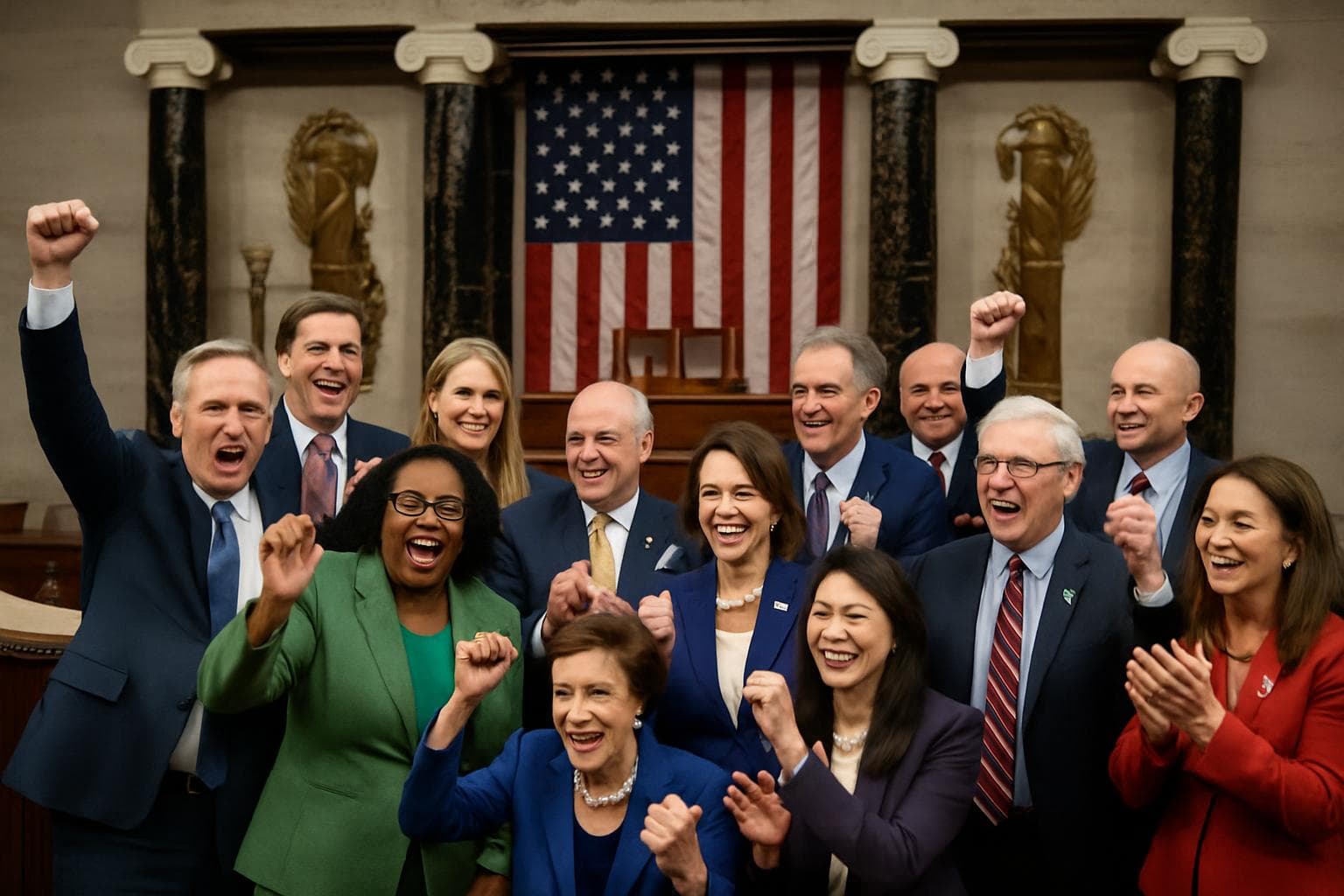
In a significant legislative move, the US House of Representatives has passed a bill to extend healthcare subsidies under the Affordable Care Act (ACA) for an additional three years. The measure, which passed with a 230-196 vote, saw 17 Republicans break ranks to join Democrats, highlighting a rare bipartisan effort in a deeply divided Congress.
Republican Defection and Democratic Support
The bill's passage marks a notable defiance of both House Speaker Mike Johnson and former President Donald Trump, who have opposed the renewal of these subsidies. Johnson criticized the subsidies as prone to fraud, while Trump dismissed affordability concerns as a "hoax." Despite this, moderate Republicans, concerned about rising health insurance premiums for their constituents, sided with Democrats to push the bill forward. "A clean extension is a far better option," stated Republican Representative Brian Fitzpatrick, emphasizing the need for immediate action.
Challenges in the Senate
While the House's approval is a crucial step, the bill faces an uncertain future in the Senate. The upper chamber, controlled by Republicans, has already rejected similar measures and currently lacks the 60 votes needed for passage. Senators are reportedly working on a bipartisan compromise, with details expected next week. Republican Congressman Mike Lawler expressed hope that the Senate will craft a reform package that can pass Congress and become law.
Impact on Healthcare and Elections
The extension of these subsidies is crucial for approximately 24 million Americans who rely on the ACA marketplace for health insurance. The subsidies, initially expanded during the Covid-19 pandemic, have been instrumental in keeping premiums affordable. As the midterm elections approach, healthcare affordability remains a key issue, with Democrats emphasizing it as part of their campaign strategy to regain control of Congress.
WHAT THIS MIGHT MEAN
The bill's passage in the House sets the stage for intense negotiations in the Senate, where a bipartisan compromise could emerge. If the Senate fails to pass the bill, millions of Americans may face significantly higher insurance premiums, potentially influencing voter sentiment in the upcoming elections. Experts suggest that the outcome could shape the political landscape, with healthcare affordability remaining a pivotal issue. Should a compromise be reached, it could pave the way for more collaborative efforts in Congress, signaling a shift towards bipartisan solutions in healthcare policy.
Related Articles

Congress Subpoenas Attorney General Bondi in Epstein Investigation

Senate Blocks Resolution to Limit Trump's Military Actions in Iran

Trump's New Tariff Strategy Sparks Global Trade Uncertainty

Tech Giants Pledge to Cover AI Data Center Energy Costs Amid Rising Electricity Concerns

Cuba Faces Widespread Blackout Amid Deepening Fuel Crisis

UK Faces Dilemmas Amid Iran Conflict and China Spying Allegations
US House Passes Bill to Extend ACA Subsidies Amid Political Tensions
In This Article
 Alex Carter| Published
 HIGHLIGHTS
- The US House of Representatives passed a bill to extend Affordable Care Act subsidies, with a 230-196 vote.
- Seventeen Republicans joined Democrats, defying party leadership and former President Trump, to support the measure.
- The bill faces significant challenges in the Senate, where it lacks the necessary 60 votes for passage.
- The legislation aims to extend Covid-era healthcare subsidies for three more years, affecting millions of Americans.
- The vote highlights healthcare as a pivotal issue ahead of the upcoming midterm elections.
In a significant legislative move, the US House of Representatives has passed a bill to extend healthcare subsidies under the Affordable Care Act (ACA) for an additional three years. The measure, which passed with a 230-196 vote, saw 17 Republicans break ranks to join Democrats, highlighting a rare bipartisan effort in a deeply divided Congress.
Republican Defection and Democratic Support
The bill's passage marks a notable defiance of both House Speaker Mike Johnson and former President Donald Trump, who have opposed the renewal of these subsidies. Johnson criticized the subsidies as prone to fraud, while Trump dismissed affordability concerns as a "hoax." Despite this, moderate Republicans, concerned about rising health insurance premiums for their constituents, sided with Democrats to push the bill forward. "A clean extension is a far better option," stated Republican Representative Brian Fitzpatrick, emphasizing the need for immediate action.
Challenges in the Senate
While the House's approval is a crucial step, the bill faces an uncertain future in the Senate. The upper chamber, controlled by Republicans, has already rejected similar measures and currently lacks the 60 votes needed for passage. Senators are reportedly working on a bipartisan compromise, with details expected next week. Republican Congressman Mike Lawler expressed hope that the Senate will craft a reform package that can pass Congress and become law.
Impact on Healthcare and Elections
The extension of these subsidies is crucial for approximately 24 million Americans who rely on the ACA marketplace for health insurance. The subsidies, initially expanded during the Covid-19 pandemic, have been instrumental in keeping premiums affordable. As the midterm elections approach, healthcare affordability remains a key issue, with Democrats emphasizing it as part of their campaign strategy to regain control of Congress.
WHAT THIS MIGHT MEAN
The bill's passage in the House sets the stage for intense negotiations in the Senate, where a bipartisan compromise could emerge. If the Senate fails to pass the bill, millions of Americans may face significantly higher insurance premiums, potentially influencing voter sentiment in the upcoming elections. Experts suggest that the outcome could shape the political landscape, with healthcare affordability remaining a pivotal issue. Should a compromise be reached, it could pave the way for more collaborative efforts in Congress, signaling a shift towards bipartisan solutions in healthcare policy.
Related Articles
Congress Subpoenas Attorney General Bondi in Epstein Investigation
Senate Blocks Resolution to Limit Trump's Military Actions in Iran
Trump's New Tariff Strategy Sparks Global Trade Uncertainty
Tech Giants Pledge to Cover AI Data Center Energy Costs Amid Rising Electricity Concerns
Cuba Faces Widespread Blackout Amid Deepening Fuel Crisis
UK Faces Dilemmas Amid Iran Conflict and China Spying Allegations