
US-India Trade Talks Intensify Amid Looming Tariff Threats

In This Article
HIGHLIGHTS
- President Trump has threatened India with tariffs up to 25% if a trade deal is not finalized by August 1.
- The US has imposed a 15% tariff on European exports, affecting goods like cars and wine.
- US-India trade negotiations have been ongoing, with agriculture and dairy as key sticking points.
- The average US tariff rate has reached 18.2%, the highest in nearly a century, impacting global trade relations.
- Indian Commerce Minister Piyush Goyal remains optimistic about concluding a trade agreement with the US.
As the deadline for a US-India trade agreement approaches, President Donald Trump has warned that India could face tariffs as high as 25% if a deal is not reached by August 1. This ultimatum comes as part of a broader strategy by the Trump administration to renegotiate trade terms with several countries, aiming to open markets to American goods.
US-India Trade Negotiations
Negotiations between Indian and American officials have been ongoing for months, with both sides alternating between optimism and caution. Key issues include access to India's agriculture and dairy sectors, which the US views as untapped markets. However, India has been protective of these sectors, citing food security and the livelihoods of millions of small farmers. Indian Commerce Minister Piyush Goyal has expressed optimism about reaching a "consequential partnership" with the US, despite these challenges.
Global Tariff Implications
Meanwhile, the US has imposed a 15% tariff on European exports, including cars and wine, as part of a new transatlantic economic pact. This move is expected to increase costs for US consumers, as importers typically pass on the tariff costs. The Trump administration's tariff regime has led to an average US tariff rate of 18.2%, the highest in nearly a century, impacting global trade relations.
Economic and Political Context
President Trump has consistently criticized India's high tariffs, branding the country a "tariff king." The US previously announced tariffs of up to 27% on Indian goods, which were paused as negotiations continued. Trump has emphasized the need for trade deals that significantly open foreign markets to American products, a stance echoed by US Trade Representative Jamieson Greer.
WHAT THIS MIGHT MEAN
As the August 1 deadline looms, the outcome of US-India trade talks remains uncertain. If no agreement is reached, the imposition of tariffs could strain bilateral relations and impact India's economy. Conversely, a successful deal could bolster trade ties and potentially double bilateral trade, which reached $190 billion in 2024. Experts suggest that the broader implications of Trump's tariff policies could lead to increased costs for US consumers and potential retaliatory measures from affected countries, further complicating global trade dynamics.
Related Articles
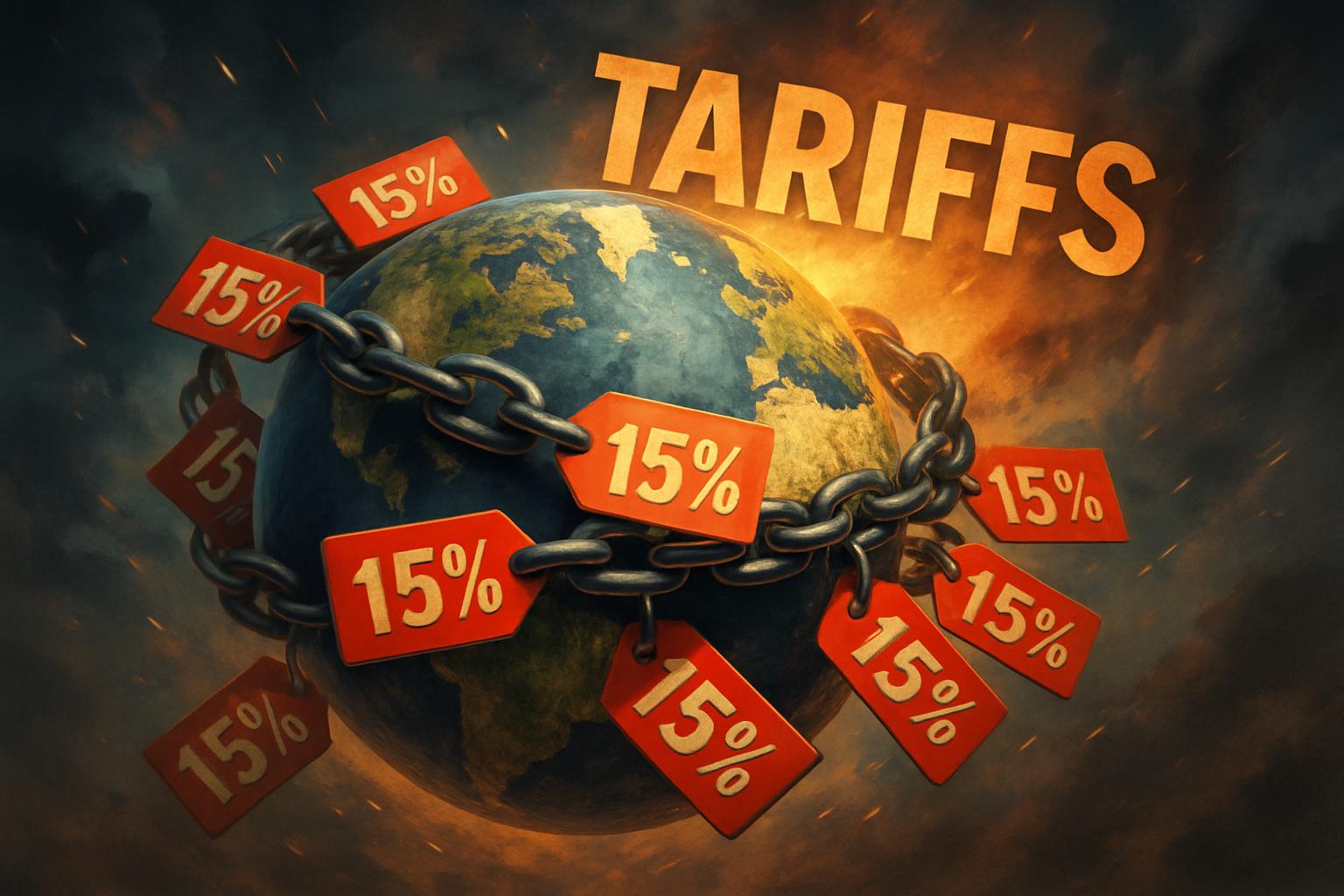
Trump's New Tariff Strategy Sparks Global Trade Uncertainty
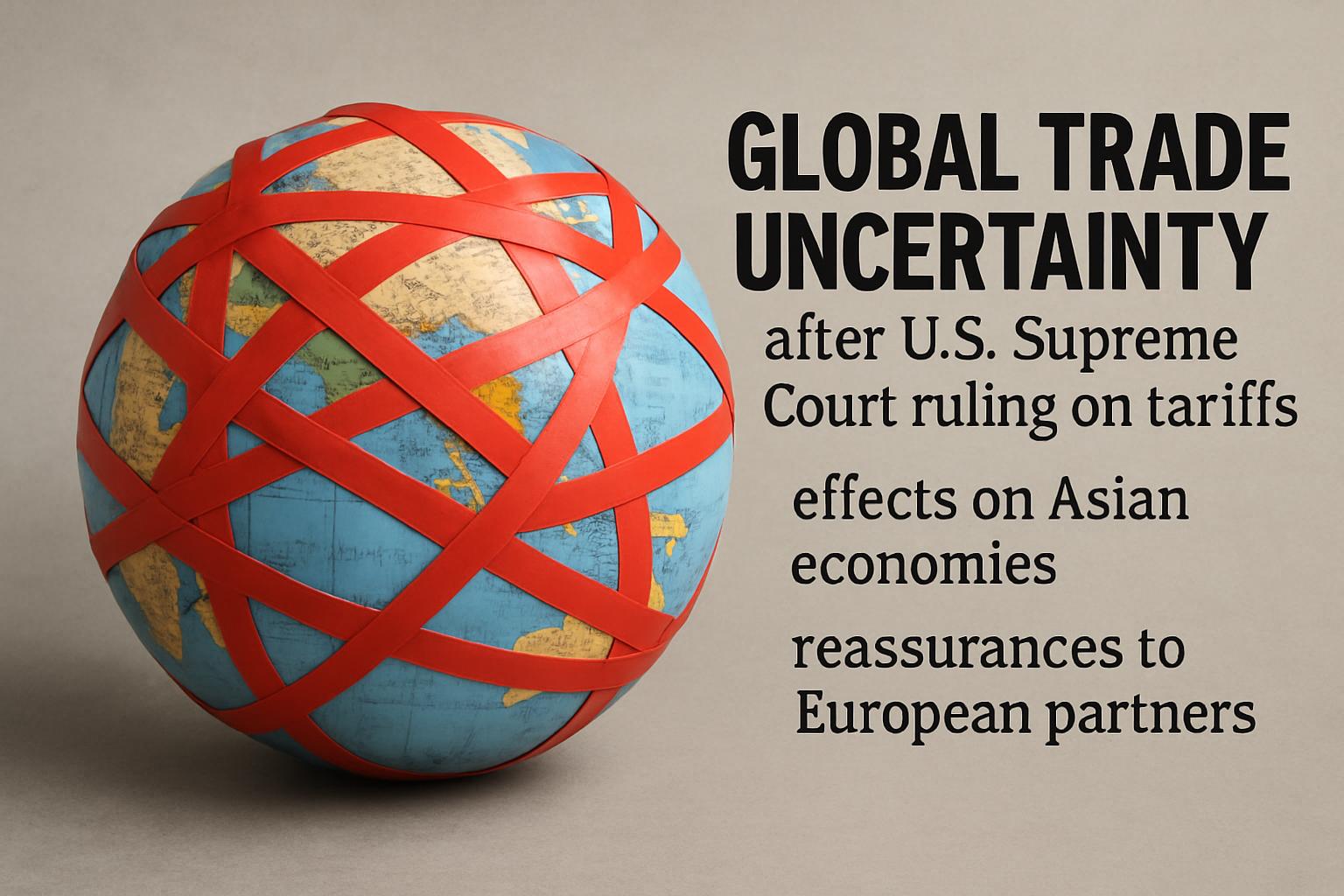
US Supreme Court Ruling Sparks Trade Uncertainty in Asia and Beyond
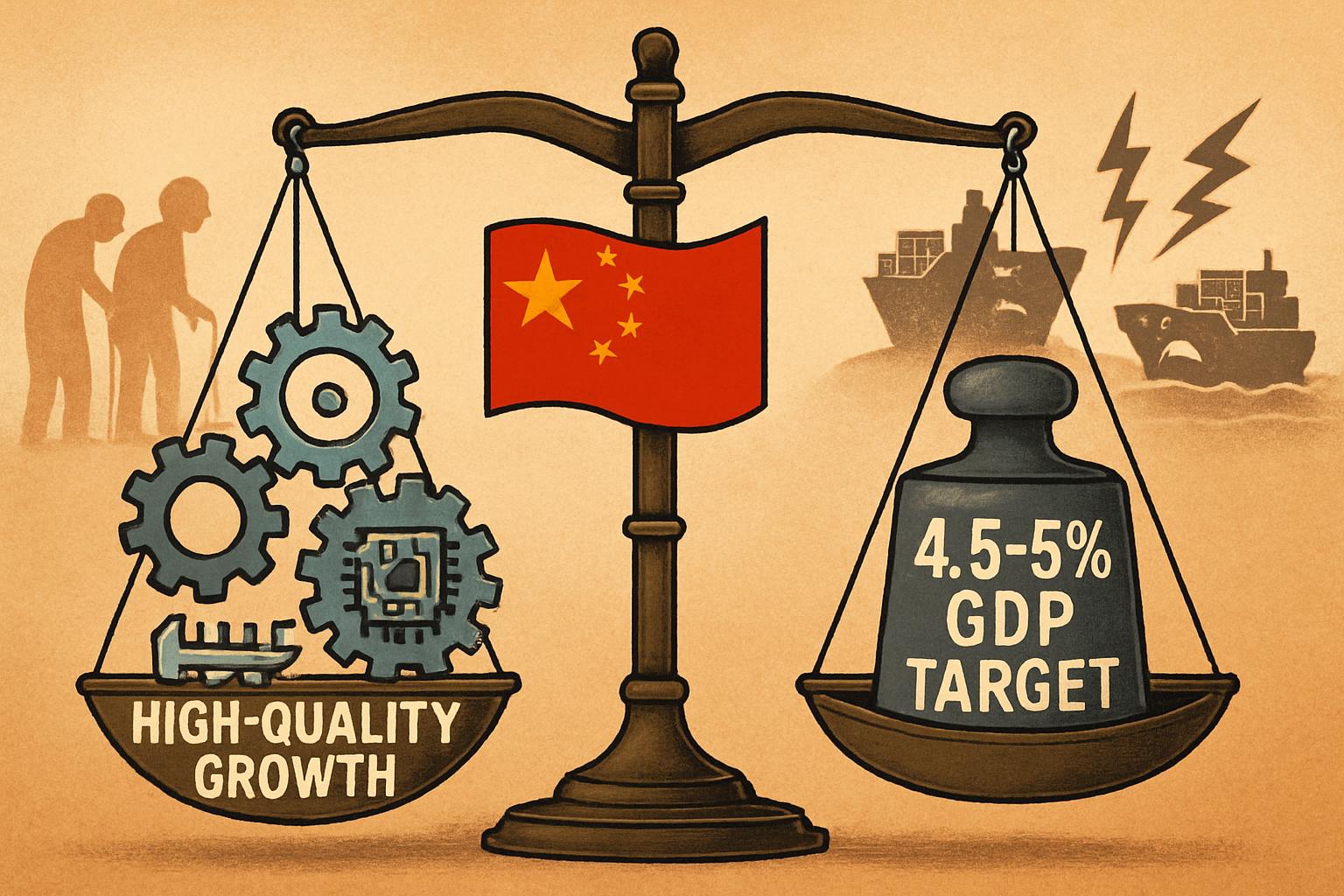
China Sets Lowest GDP Growth Target in Decades Amid Economic Challenges

Tech Giants Pledge to Cover AI Data Center Energy Costs Amid Rising Electricity Concerns

Cuba Faces Widespread Blackout Amid Deepening Fuel Crisis

UK Faces Dilemmas Amid Iran Conflict and China Spying Allegations
US-India Trade Talks Intensify Amid Looming Tariff Threats
In This Article
 Daniel Rivera| Published
 HIGHLIGHTS
- President Trump has threatened India with tariffs up to 25% if a trade deal is not finalized by August 1.
- The US has imposed a 15% tariff on European exports, affecting goods like cars and wine.
- US-India trade negotiations have been ongoing, with agriculture and dairy as key sticking points.
- The average US tariff rate has reached 18.2%, the highest in nearly a century, impacting global trade relations.
- Indian Commerce Minister Piyush Goyal remains optimistic about concluding a trade agreement with the US.
As the deadline for a US-India trade agreement approaches, President Donald Trump has warned that India could face tariffs as high as 25% if a deal is not reached by August 1. This ultimatum comes as part of a broader strategy by the Trump administration to renegotiate trade terms with several countries, aiming to open markets to American goods.
US-India Trade Negotiations
Negotiations between Indian and American officials have been ongoing for months, with both sides alternating between optimism and caution. Key issues include access to India's agriculture and dairy sectors, which the US views as untapped markets. However, India has been protective of these sectors, citing food security and the livelihoods of millions of small farmers. Indian Commerce Minister Piyush Goyal has expressed optimism about reaching a "consequential partnership" with the US, despite these challenges.
Global Tariff Implications
Meanwhile, the US has imposed a 15% tariff on European exports, including cars and wine, as part of a new transatlantic economic pact. This move is expected to increase costs for US consumers, as importers typically pass on the tariff costs. The Trump administration's tariff regime has led to an average US tariff rate of 18.2%, the highest in nearly a century, impacting global trade relations.
Economic and Political Context
President Trump has consistently criticized India's high tariffs, branding the country a "tariff king." The US previously announced tariffs of up to 27% on Indian goods, which were paused as negotiations continued. Trump has emphasized the need for trade deals that significantly open foreign markets to American products, a stance echoed by US Trade Representative Jamieson Greer.
WHAT THIS MIGHT MEAN
As the August 1 deadline looms, the outcome of US-India trade talks remains uncertain. If no agreement is reached, the imposition of tariffs could strain bilateral relations and impact India's economy. Conversely, a successful deal could bolster trade ties and potentially double bilateral trade, which reached $190 billion in 2024. Experts suggest that the broader implications of Trump's tariff policies could lead to increased costs for US consumers and potential retaliatory measures from affected countries, further complicating global trade dynamics.
Related Articles
Trump's New Tariff Strategy Sparks Global Trade Uncertainty
US Supreme Court Ruling Sparks Trade Uncertainty in Asia and Beyond
China Sets Lowest GDP Growth Target in Decades Amid Economic Challenges
Tech Giants Pledge to Cover AI Data Center Energy Costs Amid Rising Electricity Concerns
Cuba Faces Widespread Blackout Amid Deepening Fuel Crisis
UK Faces Dilemmas Amid Iran Conflict and China Spying Allegations