
US Interest in Greenland Sparks Diplomatic and Strategic Debate
In This Article
HIGHLIGHTS
- The Trump administration has expressed interest in acquiring Greenland, citing its strategic importance and potential natural resources.
- Greenlanders and Danish officials have rejected the idea, emphasizing Greenland's autonomy and the principle of self-determination.
- Analysts suggest a military takeover is unlikely due to potential geopolitical fallout, particularly within NATO.
- Historical attempts to purchase Greenland have been unsuccessful, with Denmark consistently declining offers.
- The US has reopened its consulate in Nuuk and is engaging in diplomatic efforts to strengthen ties with Greenland.
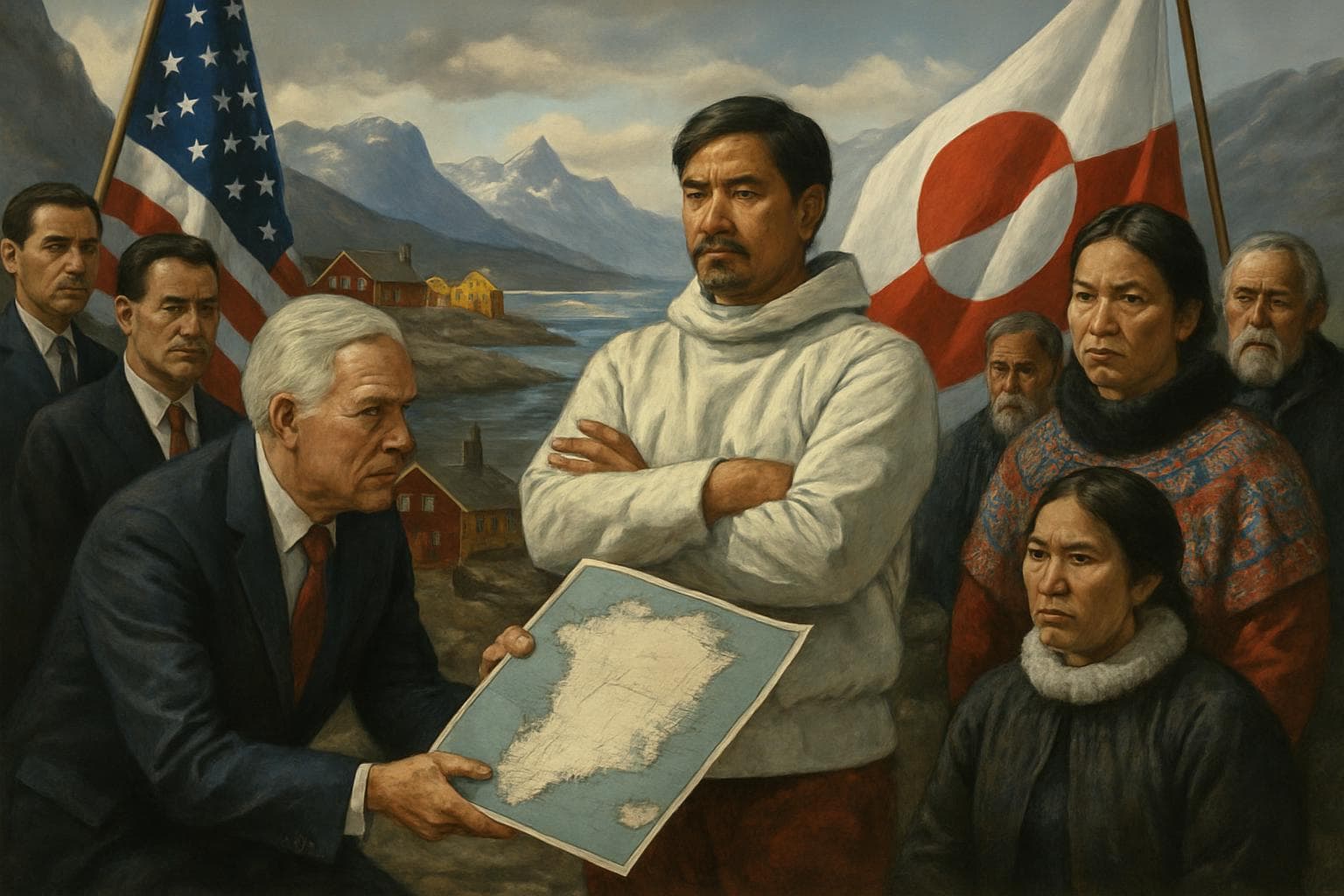
The Trump administration's renewed interest in acquiring Greenland has sparked a complex geopolitical debate, with implications for US-Denmark relations and the broader NATO alliance. The White House has confirmed that all options, including military force, are on the table, although experts deem such a move unlikely due to its potential to destabilize international alliances.
Strategic Importance and Historical Context
Greenland, a self-governing territory of Denmark, is strategically significant due to its location between North America and the Arctic. The US has maintained a military presence there since World War Two, underscoring its importance for early warning systems and potential access to natural resources. Historically, the US has made several attempts to purchase Greenland, including a formal offer in 1946, but Denmark has consistently declined.
Greenland's Response and International Reactions
The prospect of US acquisition has been met with indignation and concern among Greenlanders. "We are not for sale," stated Mia Chemnitz, a business owner in Nuuk, reflecting widespread sentiment. Danish officials have echoed this stance, emphasizing Greenland's right to self-determination. The international community, including several European allies, has supported Greenland's autonomy, stressing that its future should be decided by its people.
Diplomatic Efforts and Future Prospects
In response to the heightened interest, the US has reopened its consulate in Nuuk and appointed a special envoy to Greenland, signaling a shift towards diplomatic engagement. The US is reportedly investing in Greenland's economic and educational development as part of a broader strategy to strengthen ties. However, the path forward remains uncertain, with Greenland's independence movement gaining traction and the potential for a referendum on the horizon.
WHAT THIS MIGHT MEAN
The US's interest in Greenland could lead to increased diplomatic engagement and investment in the region, potentially fostering closer ties. However, any aggressive moves, such as a military operation, would likely strain relations with Denmark and other NATO allies, potentially destabilizing the alliance. Experts suggest that the focus may shift towards supporting Greenland's economic development and autonomy, aligning with international legal principles of self-determination. As Greenland's independence movement grows, the island's future may hinge on its people's ability to navigate these complex geopolitical dynamics.
Images from the Web



Related Articles

Greenland Politely Declines Trump's Hospital Ship Offer Amid Healthcare Debate
Spain's Sánchez Stands Firm Against Trump's Trade Threat Over Iran Stance

Tech Giants Pledge to Cover AI Data Center Energy Costs Amid Rising Electricity Concerns

US and Israel Intensify Military Campaign as Iran's Capabilities Dwindle

Intensified US-Israel Strikes on Iran Spark Global Outcry

UK-Iran Tensions: Starmer Defends Cautious Approach Amid Trump Criticism
US Interest in Greenland Sparks Diplomatic and Strategic Debate
In This Article
 Ethan Brooks| Published
 HIGHLIGHTS
- The Trump administration has expressed interest in acquiring Greenland, citing its strategic importance and potential natural resources.
- Greenlanders and Danish officials have rejected the idea, emphasizing Greenland's autonomy and the principle of self-determination.
- Analysts suggest a military takeover is unlikely due to potential geopolitical fallout, particularly within NATO.
- Historical attempts to purchase Greenland have been unsuccessful, with Denmark consistently declining offers.
- The US has reopened its consulate in Nuuk and is engaging in diplomatic efforts to strengthen ties with Greenland.
The Trump administration's renewed interest in acquiring Greenland has sparked a complex geopolitical debate, with implications for US-Denmark relations and the broader NATO alliance. The White House has confirmed that all options, including military force, are on the table, although experts deem such a move unlikely due to its potential to destabilize international alliances.
Strategic Importance and Historical Context
Greenland, a self-governing territory of Denmark, is strategically significant due to its location between North America and the Arctic. The US has maintained a military presence there since World War Two, underscoring its importance for early warning systems and potential access to natural resources. Historically, the US has made several attempts to purchase Greenland, including a formal offer in 1946, but Denmark has consistently declined.
Greenland's Response and International Reactions
The prospect of US acquisition has been met with indignation and concern among Greenlanders. "We are not for sale," stated Mia Chemnitz, a business owner in Nuuk, reflecting widespread sentiment. Danish officials have echoed this stance, emphasizing Greenland's right to self-determination. The international community, including several European allies, has supported Greenland's autonomy, stressing that its future should be decided by its people.
Diplomatic Efforts and Future Prospects
In response to the heightened interest, the US has reopened its consulate in Nuuk and appointed a special envoy to Greenland, signaling a shift towards diplomatic engagement. The US is reportedly investing in Greenland's economic and educational development as part of a broader strategy to strengthen ties. However, the path forward remains uncertain, with Greenland's independence movement gaining traction and the potential for a referendum on the horizon.
WHAT THIS MIGHT MEAN
The US's interest in Greenland could lead to increased diplomatic engagement and investment in the region, potentially fostering closer ties. However, any aggressive moves, such as a military operation, would likely strain relations with Denmark and other NATO allies, potentially destabilizing the alliance. Experts suggest that the focus may shift towards supporting Greenland's economic development and autonomy, aligning with international legal principles of self-determination. As Greenland's independence movement grows, the island's future may hinge on its people's ability to navigate these complex geopolitical dynamics.
Images from the Web
Related Articles
Greenland Politely Declines Trump's Hospital Ship Offer Amid Healthcare Debate
Spain's Sánchez Stands Firm Against Trump's Trade Threat Over Iran Stance
Tech Giants Pledge to Cover AI Data Center Energy Costs Amid Rising Electricity Concerns
US and Israel Intensify Military Campaign as Iran's Capabilities Dwindle
Intensified US-Israel Strikes on Iran Spark Global Outcry
UK-Iran Tensions: Starmer Defends Cautious Approach Amid Trump Criticism