
US-Iran Tensions Escalate as Trump Hints at Regime Change Following Military Strikes
In This Article
HIGHLIGHTS
- US President Donald Trump hinted at regime change in Iran following US military strikes on Iranian nuclear sites, despite officials denying such intentions.
- The strikes, involving high-tech "bunker-buster" bombs, aimed to curb Iran's nuclear capabilities, causing significant but unclear damage.
- Iran has threatened retaliation, including potentially closing the Strait of Hormuz, a crucial global trade route.
- US officials, including Vice-President JD Vance, emphasized that the US is targeting Iran's nuclear program, not seeking war with Iran itself.
- The international community, including the UK, France, and Germany, urged Iran to engage in negotiations to prevent further regional destabilization.
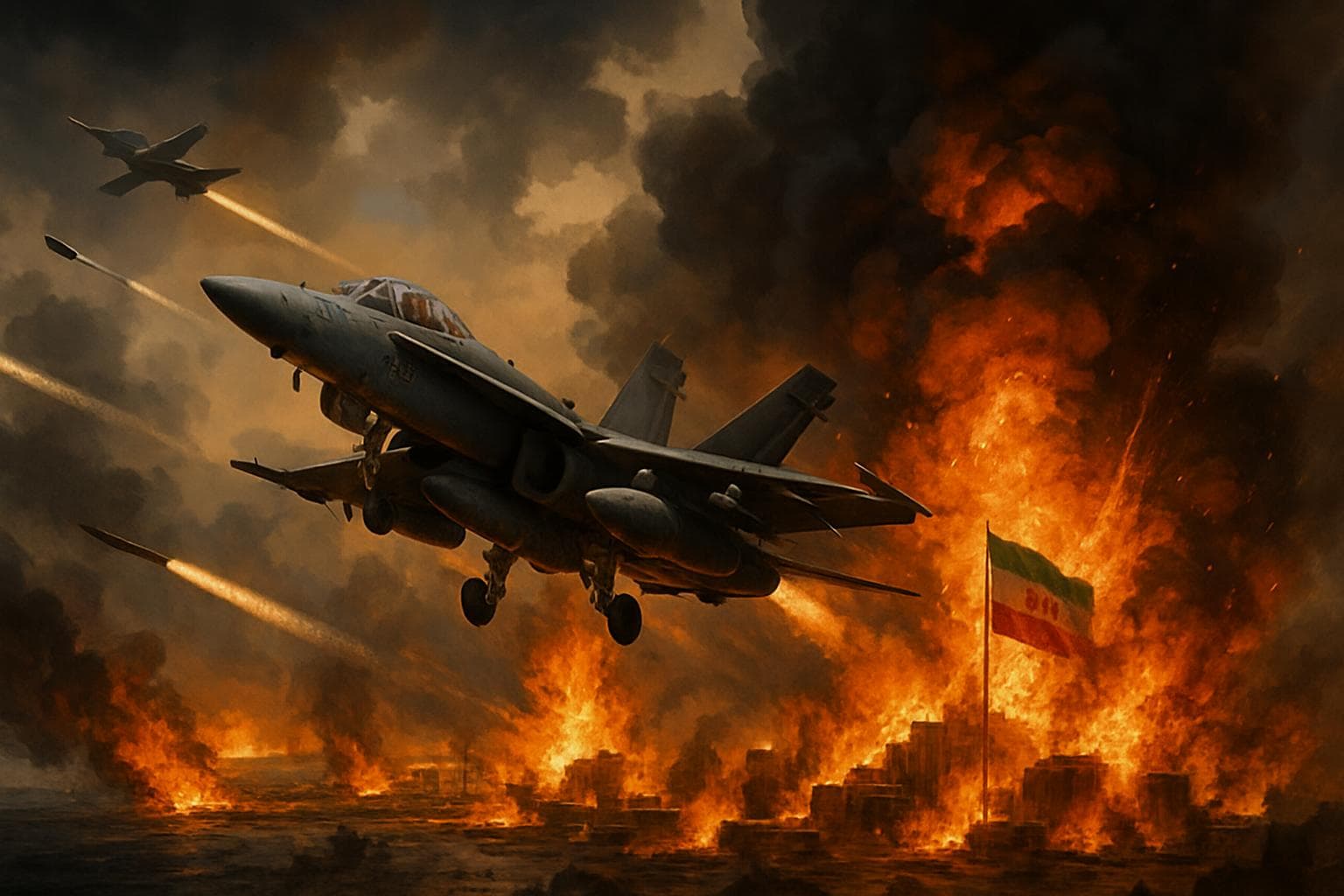
In a dramatic escalation of US-Iran tensions, President Donald Trump has suggested the possibility of regime change in Iran following recent US military strikes on Iranian nuclear facilities. The strikes, conducted over the weekend, targeted three key sites in an effort to impede Tehran's nuclear ambitions. Despite Trump's provocative remarks, top US officials have maintained that the operation was not intended to topple Iran's leadership.
Military Strikes and Their Aftermath
The US military deployed advanced "bunker-buster" bombs to strike Iranian nuclear sites, causing what Trump described as "monumental damage." However, the full extent of the destruction remains unclear. The strikes followed a week of heightened hostilities between Israel and Iran, with Israeli Prime Minister Benjamin Netanyahu expressing concerns over Iran's nuclear capabilities. Iran, which has consistently denied intentions to develop nuclear weapons, has vowed "everlasting consequences" in response to the attacks.
Political Reactions and Global Implications
Trump's comments on regime change have sparked widespread speculation and concern. Vice-President JD Vance and Defense Secretary Pete Hegseth have both emphasized that the US is focused on Iran's nuclear program, not regime change. Meanwhile, Iran's President Masoud Pezeshkian has called for a response to what he termed US "aggression," and Iranian Foreign Minister Abbas Araqchi has accused the US of disregarding international law.
Potential Closure of the Strait of Hormuz
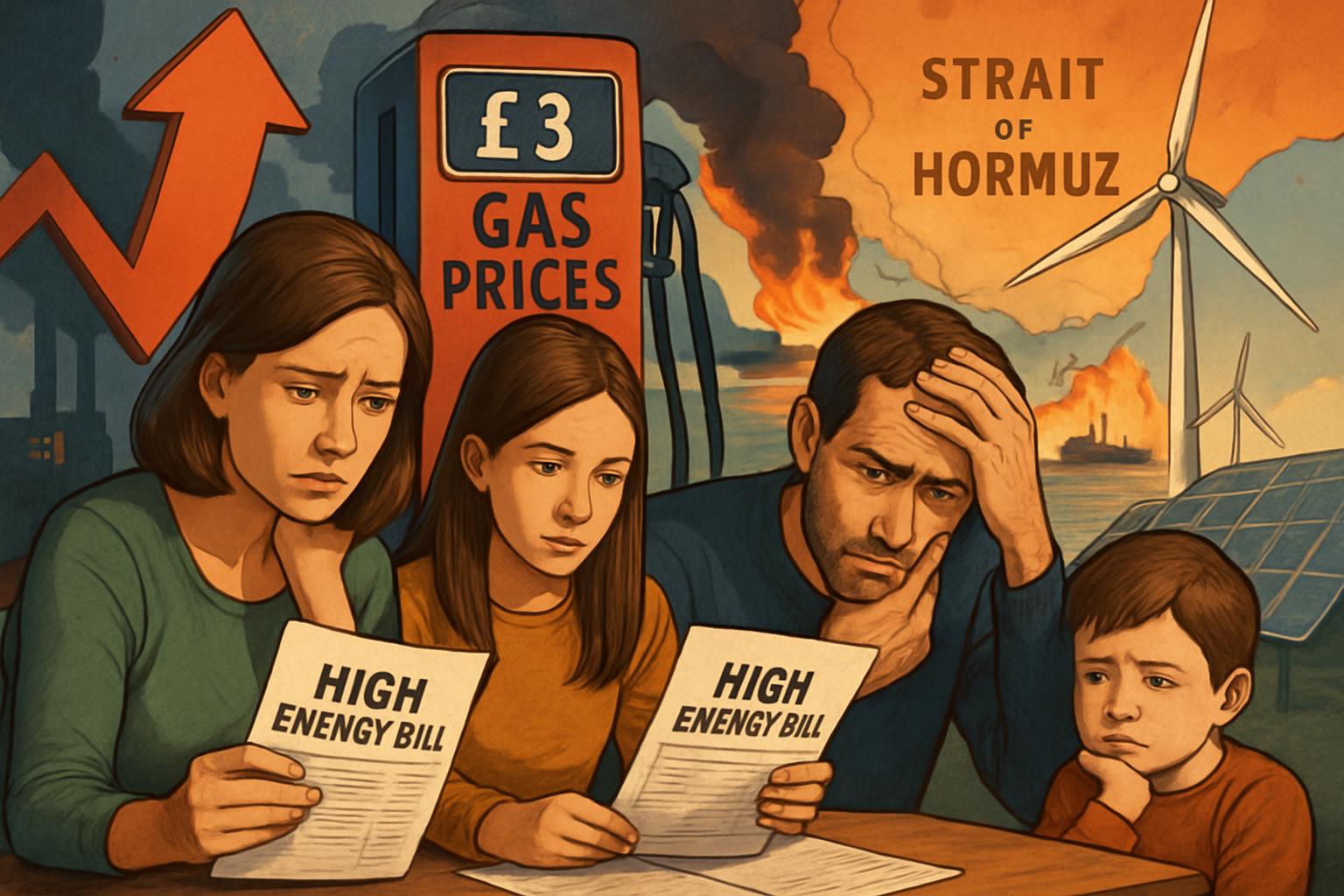
In a move that could have significant global trade implications, Iran's parliament has approved a measure to close the Strait of Hormuz, a vital shipping lane. The final decision rests with Iran's supreme national security council. US Secretary of State Marco Rubio has urged China to dissuade Iran from this course of action, highlighting the strait's importance to global oil supply.
International Calls for Diplomacy
In response to the escalating situation, the UK, France, and Germany have issued a joint statement urging Iran to engage in diplomatic negotiations. The countries have called for restraint and warned against actions that could further destabilize the region. As tensions continue to rise, the international community remains on high alert, with US citizens worldwide advised to exercise increased caution.
WHAT THIS MIGHT MEAN
The recent US military strikes on Iran and Trump's subsequent comments have significantly heightened tensions in the Middle East. If Iran proceeds with closing the Strait of Hormuz, it could severely impact global oil markets and escalate the conflict further. Diplomatic efforts by the international community will be crucial in preventing a broader regional conflict. Experts suggest that continued dialogue and negotiations are essential to de-escalate the situation and address the underlying issues surrounding Iran's nuclear program. As the world watches closely, the next steps taken by both the US and Iran will be pivotal in shaping the future of US-Iran relations and regional stability.
Related Articles
Intensified US-Israel Strikes on Iran Spark Global Outcry
US and Israel Intensify Military Campaign as Iran's Capabilities Dwindle
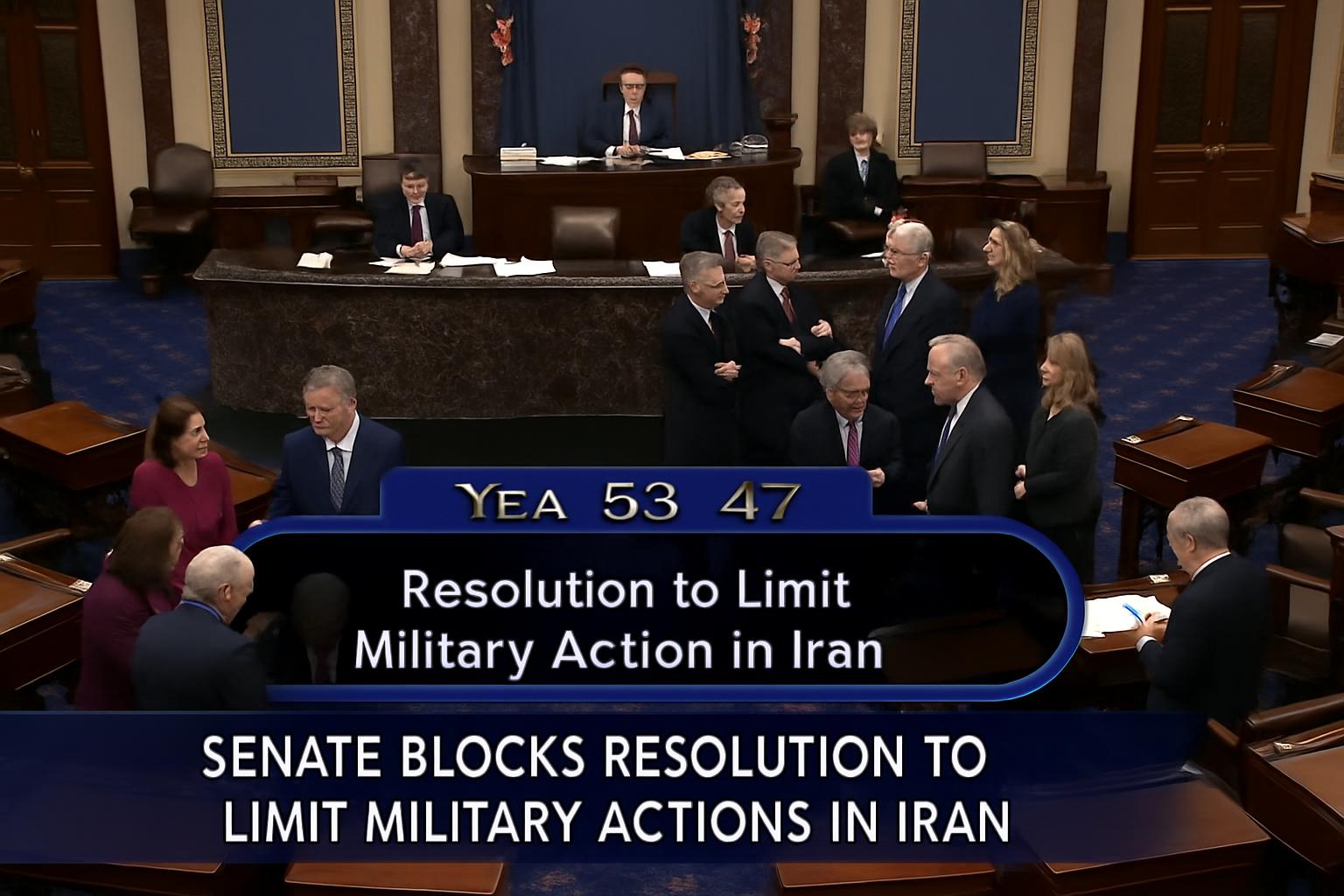
Senate Blocks Resolution to Limit Trump's Military Actions in Iran
Middle East Conflict Drives UK Energy Prices to New Highs

UK Faces Dilemmas Amid Iran Conflict and China Spying Allegations
UK-Iran Tensions: Starmer Defends Cautious Approach Amid Trump Criticism
US-Iran Tensions Escalate as Trump Hints at Regime Change Following Military Strikes
In This Article
 Ethan Brooks| Published
 HIGHLIGHTS
- US President Donald Trump hinted at regime change in Iran following US military strikes on Iranian nuclear sites, despite officials denying such intentions.
- The strikes, involving high-tech "bunker-buster" bombs, aimed to curb Iran's nuclear capabilities, causing significant but unclear damage.
- Iran has threatened retaliation, including potentially closing the Strait of Hormuz, a crucial global trade route.
- US officials, including Vice-President JD Vance, emphasized that the US is targeting Iran's nuclear program, not seeking war with Iran itself.
- The international community, including the UK, France, and Germany, urged Iran to engage in negotiations to prevent further regional destabilization.
In a dramatic escalation of US-Iran tensions, President Donald Trump has suggested the possibility of regime change in Iran following recent US military strikes on Iranian nuclear facilities. The strikes, conducted over the weekend, targeted three key sites in an effort to impede Tehran's nuclear ambitions. Despite Trump's provocative remarks, top US officials have maintained that the operation was not intended to topple Iran's leadership.
Military Strikes and Their Aftermath
The US military deployed advanced "bunker-buster" bombs to strike Iranian nuclear sites, causing what Trump described as "monumental damage." However, the full extent of the destruction remains unclear. The strikes followed a week of heightened hostilities between Israel and Iran, with Israeli Prime Minister Benjamin Netanyahu expressing concerns over Iran's nuclear capabilities. Iran, which has consistently denied intentions to develop nuclear weapons, has vowed "everlasting consequences" in response to the attacks.
Political Reactions and Global Implications
Trump's comments on regime change have sparked widespread speculation and concern. Vice-President JD Vance and Defense Secretary Pete Hegseth have both emphasized that the US is focused on Iran's nuclear program, not regime change. Meanwhile, Iran's President Masoud Pezeshkian has called for a response to what he termed US "aggression," and Iranian Foreign Minister Abbas Araqchi has accused the US of disregarding international law.
Potential Closure of the Strait of Hormuz
In a move that could have significant global trade implications, Iran's parliament has approved a measure to close the Strait of Hormuz, a vital shipping lane. The final decision rests with Iran's supreme national security council. US Secretary of State Marco Rubio has urged China to dissuade Iran from this course of action, highlighting the strait's importance to global oil supply.
International Calls for Diplomacy
In response to the escalating situation, the UK, France, and Germany have issued a joint statement urging Iran to engage in diplomatic negotiations. The countries have called for restraint and warned against actions that could further destabilize the region. As tensions continue to rise, the international community remains on high alert, with US citizens worldwide advised to exercise increased caution.
WHAT THIS MIGHT MEAN
The recent US military strikes on Iran and Trump's subsequent comments have significantly heightened tensions in the Middle East. If Iran proceeds with closing the Strait of Hormuz, it could severely impact global oil markets and escalate the conflict further. Diplomatic efforts by the international community will be crucial in preventing a broader regional conflict. Experts suggest that continued dialogue and negotiations are essential to de-escalate the situation and address the underlying issues surrounding Iran's nuclear program. As the world watches closely, the next steps taken by both the US and Iran will be pivotal in shaping the future of US-Iran relations and regional stability.
Related Articles
Intensified US-Israel Strikes on Iran Spark Global Outcry
US and Israel Intensify Military Campaign as Iran's Capabilities Dwindle
Senate Blocks Resolution to Limit Trump's Military Actions in Iran
Middle East Conflict Drives UK Energy Prices to New Highs
UK Faces Dilemmas Amid Iran Conflict and China Spying Allegations
UK-Iran Tensions: Starmer Defends Cautious Approach Amid Trump Criticism