
US and Israel Withdraw from Gaza Ceasefire Talks Amid Accusations Against Hamas
In This Article
HIGHLIGHTS
- US and Israeli negotiators have withdrawn from Gaza ceasefire talks in Qatar, citing Hamas's lack of cooperation.
- US envoy Steve Witkoff criticized Hamas for not acting in good faith, while Hamas expressed surprise and willingness to continue negotiations.
- The humanitarian situation in Gaza remains dire, with reports of widespread malnutrition and over 1,000 Palestinians killed in recent weeks.
- The proposed ceasefire deal involved a 60-day truce, hostage exchanges, and increased aid, but disagreements over troop redeployment stalled progress.
- The US and Israel are considering alternative strategies to address the ongoing conflict and humanitarian crisis in Gaza.
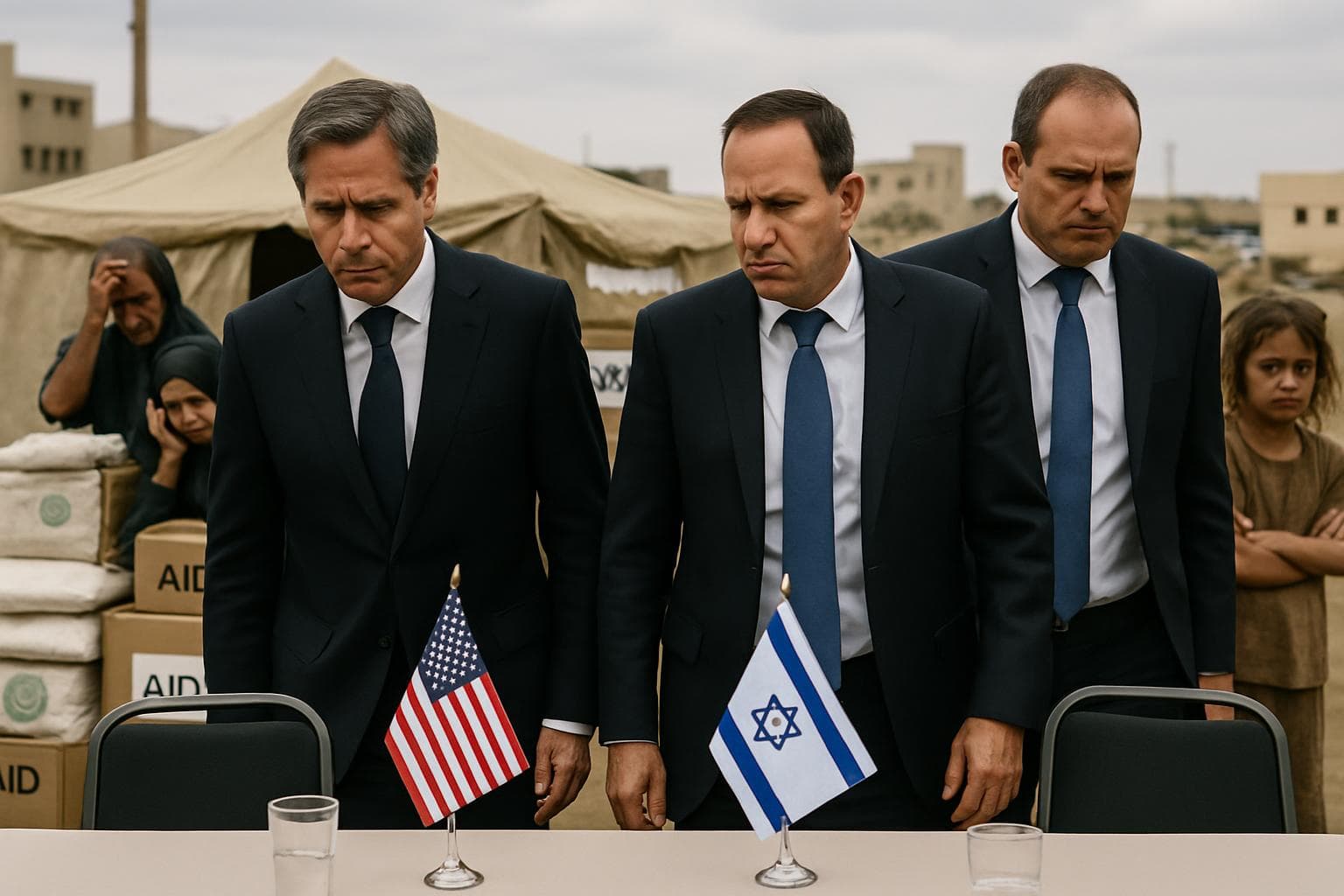
In a significant diplomatic development, the United States and Israel have withdrawn their negotiating teams from the Gaza ceasefire talks held in Doha, Qatar. The decision follows accusations from US special envoy Steve Witkoff, who pointed to Hamas's alleged lack of commitment to reaching a ceasefire agreement. "We have decided to bring our team home from Doha for consultations after the latest response from Hamas, which clearly shows a lack of desire to reach a ceasefire in Gaza," Witkoff stated.
Despite the setback, Hamas expressed surprise at the US envoy's remarks, reiterating its willingness to continue negotiations. "The movement affirms its keenness to continue negotiations and engage in them in a manner that helps overcome obstacles and leads to a permanent ceasefire agreement," Hamas stated.
The talks, mediated by Qatar and Egypt, have been ongoing for over two weeks but have made limited progress. Key issues, such as the redeployment of Israeli troops and the release of Palestinian prisoners, have proven contentious. The proposed deal included a 60-day ceasefire, during which Hamas would release hostages in exchange for increased aid and prisoner releases by Israel.
Meanwhile, the humanitarian crisis in Gaza has reached alarming levels. The UN's Palestinian refugee agency reports that one in five children in Gaza City is malnourished, with conditions worsening daily. Over 1,000 Palestinians have reportedly been killed by Israeli forces in recent weeks, as they attempted to access food aid.
The US and Israel's decision to withdraw from the talks underscores the challenges in achieving a lasting peace in the region. While the Trump administration had previously expressed optimism about a breakthrough, the current impasse highlights the complexities of the Middle East peace process.
WHAT THIS MIGHT MEAN
The withdrawal of US and Israeli negotiators from the Gaza ceasefire talks raises questions about the future of peace efforts in the region. Without a clear path forward, the humanitarian crisis in Gaza is likely to worsen, putting additional pressure on international actors to intervene. The US and Israel may explore alternative diplomatic or military strategies to address the situation, but these could further complicate the already fragile dynamics.
Experts suggest that a renewed focus on humanitarian aid and confidence-building measures could pave the way for future negotiations. However, achieving a sustainable peace will require addressing the underlying political and territorial disputes that have long fueled the conflict. As the situation evolves, the international community's role in mediating and supporting a resolution will be crucial.
Related Articles
Iran Postpones Khamenei Funeral Amid Escalating US-Israeli Strikes

US-Iran Tensions Escalate Amid Renewed Nuclear Talks and Protests
US and Israel Intensify Military Campaign as Iran's Capabilities Dwindle

Intensified US-Israel Strikes on Iran Spark Global Outcry
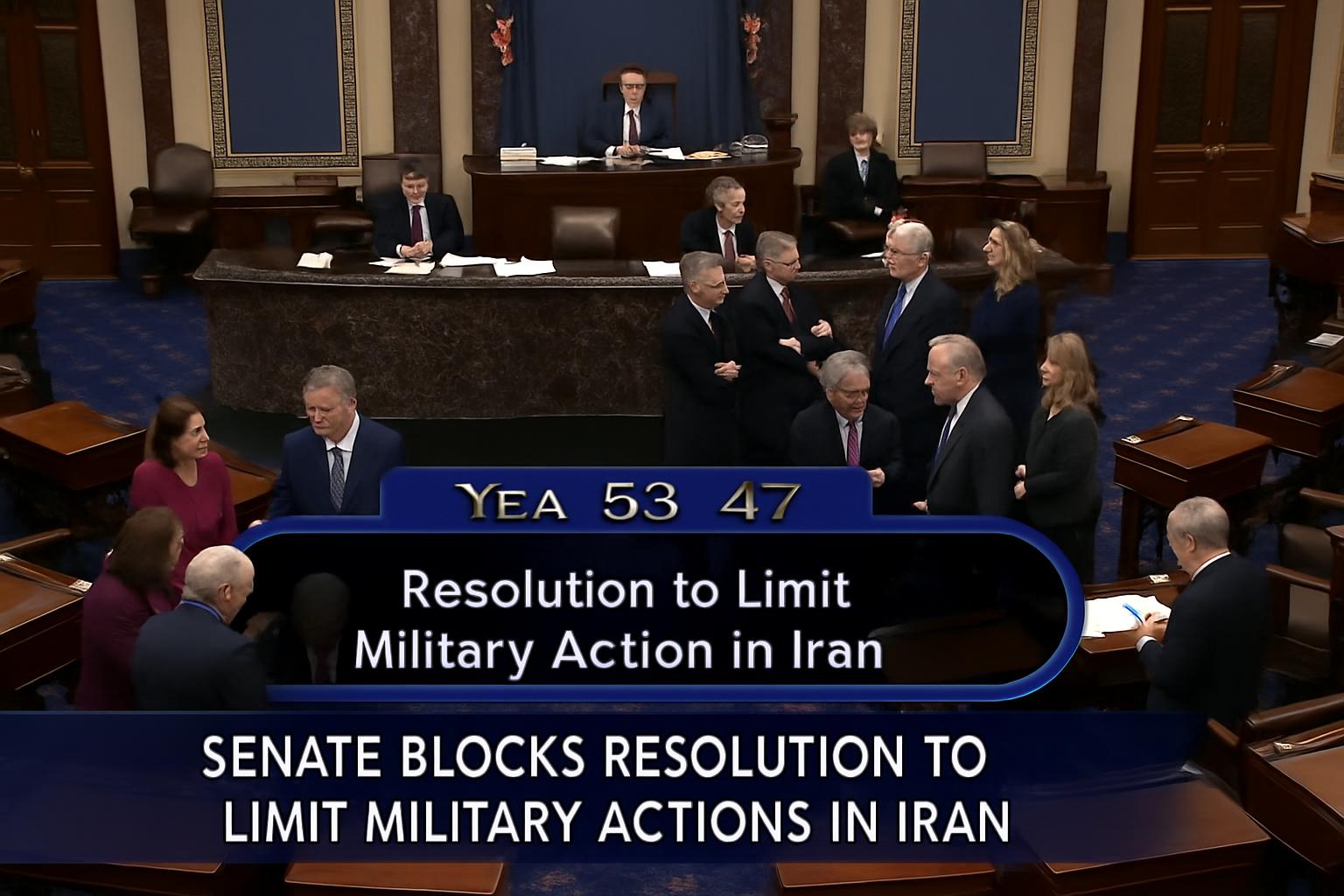
Senate Blocks Resolution to Limit Trump's Military Actions in Iran
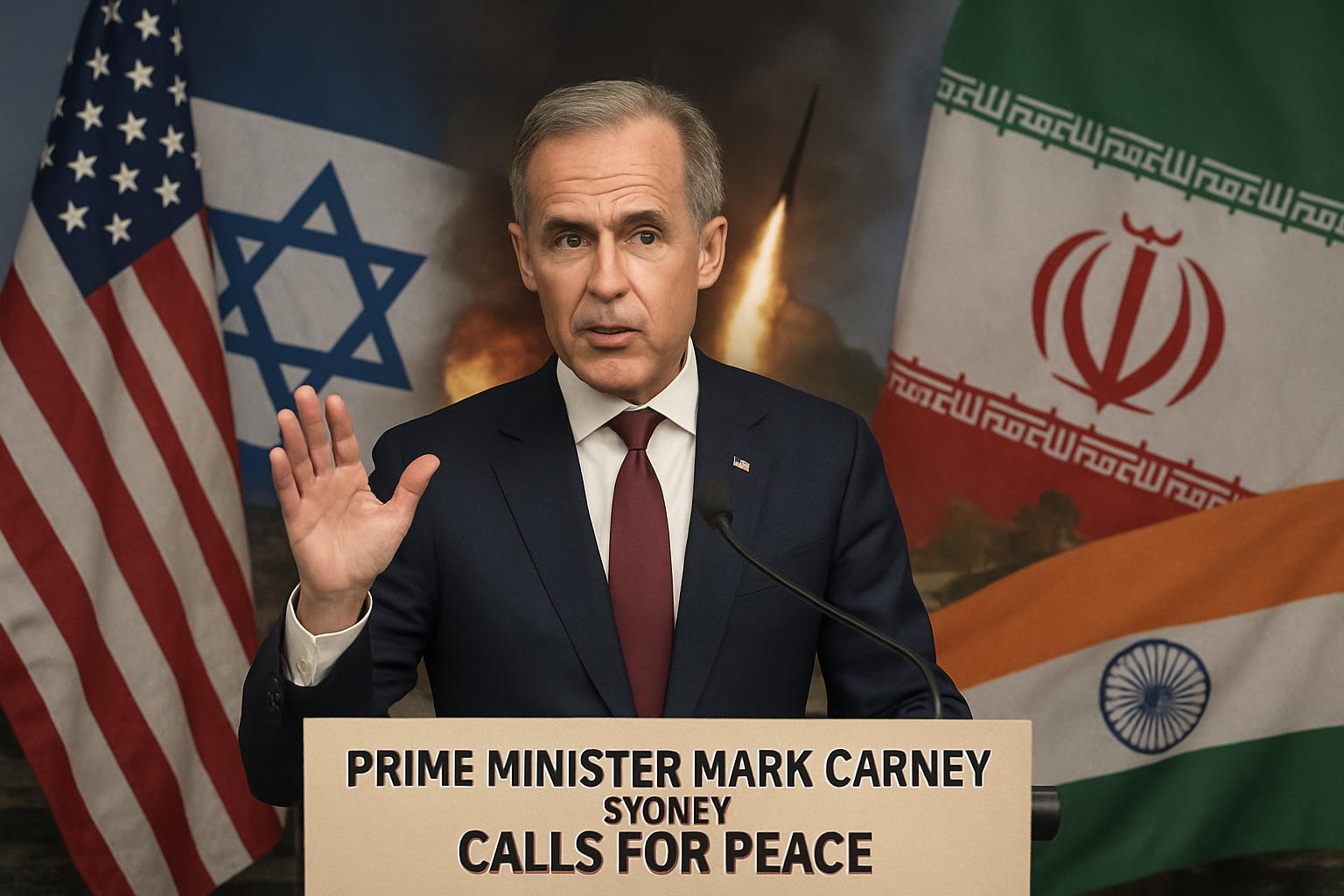
Canada Calls for De-escalation Amid US-Israel Strikes on Iran
US and Israel Withdraw from Gaza Ceasefire Talks Amid Accusations Against Hamas
In This Article
 Ethan Brooks| Published
 HIGHLIGHTS
- US and Israeli negotiators have withdrawn from Gaza ceasefire talks in Qatar, citing Hamas's lack of cooperation.
- US envoy Steve Witkoff criticized Hamas for not acting in good faith, while Hamas expressed surprise and willingness to continue negotiations.
- The humanitarian situation in Gaza remains dire, with reports of widespread malnutrition and over 1,000 Palestinians killed in recent weeks.
- The proposed ceasefire deal involved a 60-day truce, hostage exchanges, and increased aid, but disagreements over troop redeployment stalled progress.
- The US and Israel are considering alternative strategies to address the ongoing conflict and humanitarian crisis in Gaza.
In a significant diplomatic development, the United States and Israel have withdrawn their negotiating teams from the Gaza ceasefire talks held in Doha, Qatar. The decision follows accusations from US special envoy Steve Witkoff, who pointed to Hamas's alleged lack of commitment to reaching a ceasefire agreement. "We have decided to bring our team home from Doha for consultations after the latest response from Hamas, which clearly shows a lack of desire to reach a ceasefire in Gaza," Witkoff stated.
Despite the setback, Hamas expressed surprise at the US envoy's remarks, reiterating its willingness to continue negotiations. "The movement affirms its keenness to continue negotiations and engage in them in a manner that helps overcome obstacles and leads to a permanent ceasefire agreement," Hamas stated.
The talks, mediated by Qatar and Egypt, have been ongoing for over two weeks but have made limited progress. Key issues, such as the redeployment of Israeli troops and the release of Palestinian prisoners, have proven contentious. The proposed deal included a 60-day ceasefire, during which Hamas would release hostages in exchange for increased aid and prisoner releases by Israel.
Meanwhile, the humanitarian crisis in Gaza has reached alarming levels. The UN's Palestinian refugee agency reports that one in five children in Gaza City is malnourished, with conditions worsening daily. Over 1,000 Palestinians have reportedly been killed by Israeli forces in recent weeks, as they attempted to access food aid.
The US and Israel's decision to withdraw from the talks underscores the challenges in achieving a lasting peace in the region. While the Trump administration had previously expressed optimism about a breakthrough, the current impasse highlights the complexities of the Middle East peace process.
WHAT THIS MIGHT MEAN
The withdrawal of US and Israeli negotiators from the Gaza ceasefire talks raises questions about the future of peace efforts in the region. Without a clear path forward, the humanitarian crisis in Gaza is likely to worsen, putting additional pressure on international actors to intervene. The US and Israel may explore alternative diplomatic or military strategies to address the situation, but these could further complicate the already fragile dynamics.
Experts suggest that a renewed focus on humanitarian aid and confidence-building measures could pave the way for future negotiations. However, achieving a sustainable peace will require addressing the underlying political and territorial disputes that have long fueled the conflict. As the situation evolves, the international community's role in mediating and supporting a resolution will be crucial.
Related Articles
Iran Postpones Khamenei Funeral Amid Escalating US-Israeli Strikes
US-Iran Tensions Escalate Amid Renewed Nuclear Talks and Protests
US and Israel Intensify Military Campaign as Iran's Capabilities Dwindle
Intensified US-Israel Strikes on Iran Spark Global Outcry
Senate Blocks Resolution to Limit Trump's Military Actions in Iran
Canada Calls for De-escalation Amid US-Israel Strikes on Iran