
US Military Strikes in Caracas Capture Venezuelan President Maduro
In This Article
HIGHLIGHTS
- US President Donald Trump announced a large-scale military strike on Venezuela, capturing President Nicolás Maduro and his wife.
- The pre-dawn airstrikes targeted key military installations in Caracas, including La Carlota airbase and Fuerte Tiuna.
- Residents of Caracas experienced explosions and power outages, leading to widespread uncertainty and fear.
- Maduro declared a "state of external commotion," signaling a national emergency with potential restrictions on movement.
- The international community is closely monitoring the situation, with potential implications for US-Venezuela relations.
In a dramatic escalation of tensions, US President Donald Trump has confirmed a large-scale military operation in Venezuela, resulting in the capture of President Nicolás Maduro and his wife, Cilia Flores. The operation, which unfolded in the early hours of Saturday, has plunged the Venezuelan capital, Caracas, into a state of uncertainty and fear.
Pre-Dawn Strikes Shake Caracas
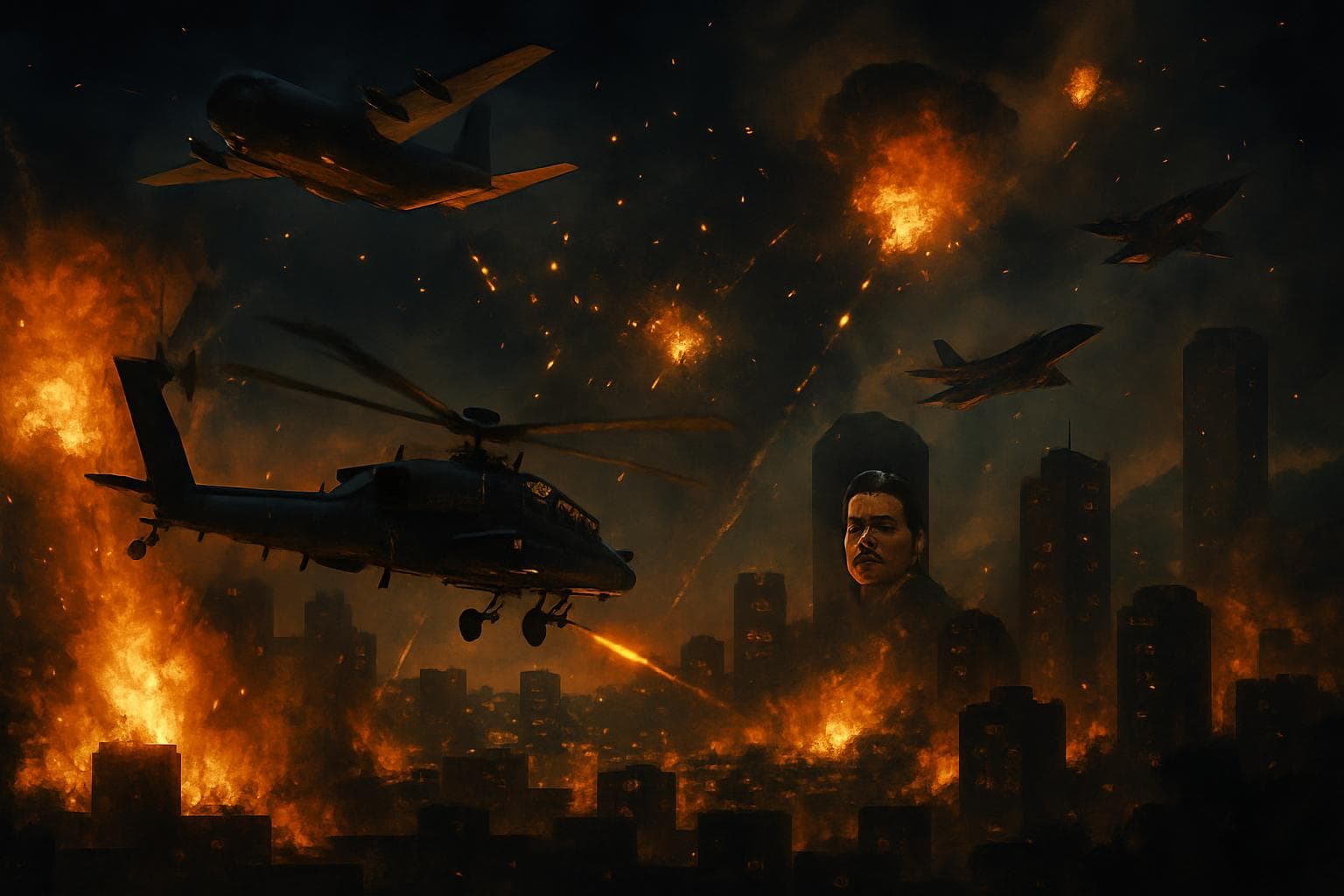
Residents of Caracas were jolted awake just before 2 am by a series of explosions and the roar of aircraft. Initially mistaking the noise for fireworks or a natural disaster, it soon became clear that the city was under attack. The US military targeted key military sites, including the La Carlota airbase and Fuerte Tiuna, a heavily fortified complex believed to be a stronghold for Maduro.
Carlos Hurtado, a resident of the 23 de Enero housing estate, described the moment as surreal. "I thought it might be fireworks," he recalled, as air raid sirens blared and WhatsApp groups buzzed with videos of the tangerine-colored explosions lighting up the night sky.
A City in Crisis
The strikes have left parts of Caracas without power, exacerbating the chaos. In the Baruta Municipality, public transport has come to a halt, and residents are queuing outside petrol stations and pharmacies, uncertain of what the day will bring. A local petrol station worker noted that some colleagues were unable to reach work due to the disruption.
Maduro has declared a "state of external commotion," a national emergency that could lead to restrictions on movement and other civil liberties. This echoes past crises, such as the Caracazo riots of the 1980s, when similar measures were enacted.
International Implications
The international community is watching closely as the situation unfolds. The US intervention marks a significant turning point in the ongoing Venezuelan crisis, with potential ramifications for US-Venezuela relations and regional stability. The Trump administration's actions have been met with mixed reactions, with some viewing it as a necessary step to restore democracy, while others criticize it as an overreach of US military power.
WHAT THIS MIGHT MEAN
The capture of Nicolás Maduro by US forces could lead to a power vacuum in Venezuela, potentially destabilizing the already fragile political landscape. The declaration of a national emergency by Maduro raises questions about the future of civil liberties and governance in the country. Internationally, the US intervention may strain relations with countries that oppose foreign military involvement in sovereign nations. As the world watches, the next steps taken by both the US and Venezuelan authorities will be crucial in determining the future trajectory of this crisis.
Related Articles
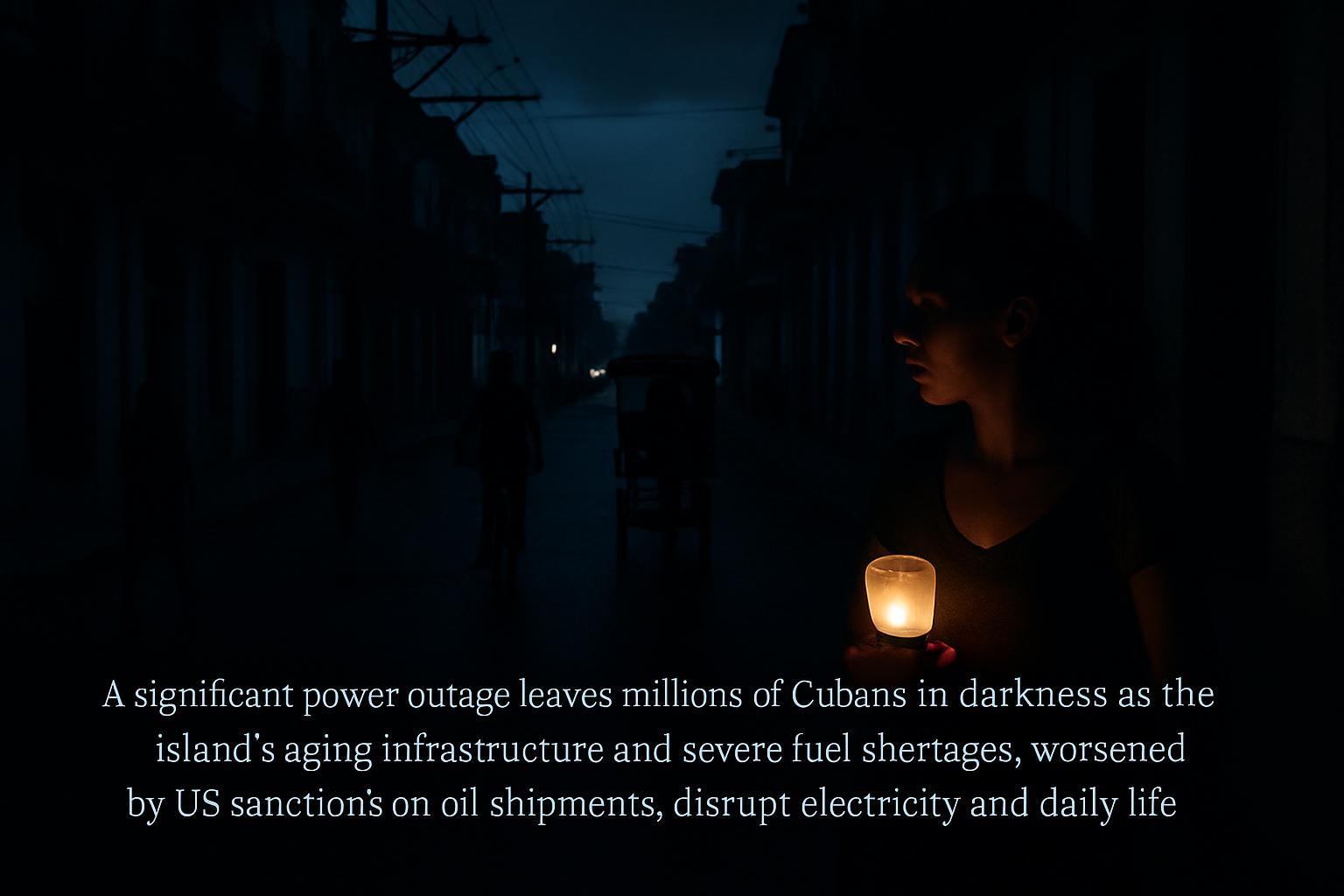
Cuba Faces Widespread Blackout Amid Deepening Fuel Crisis
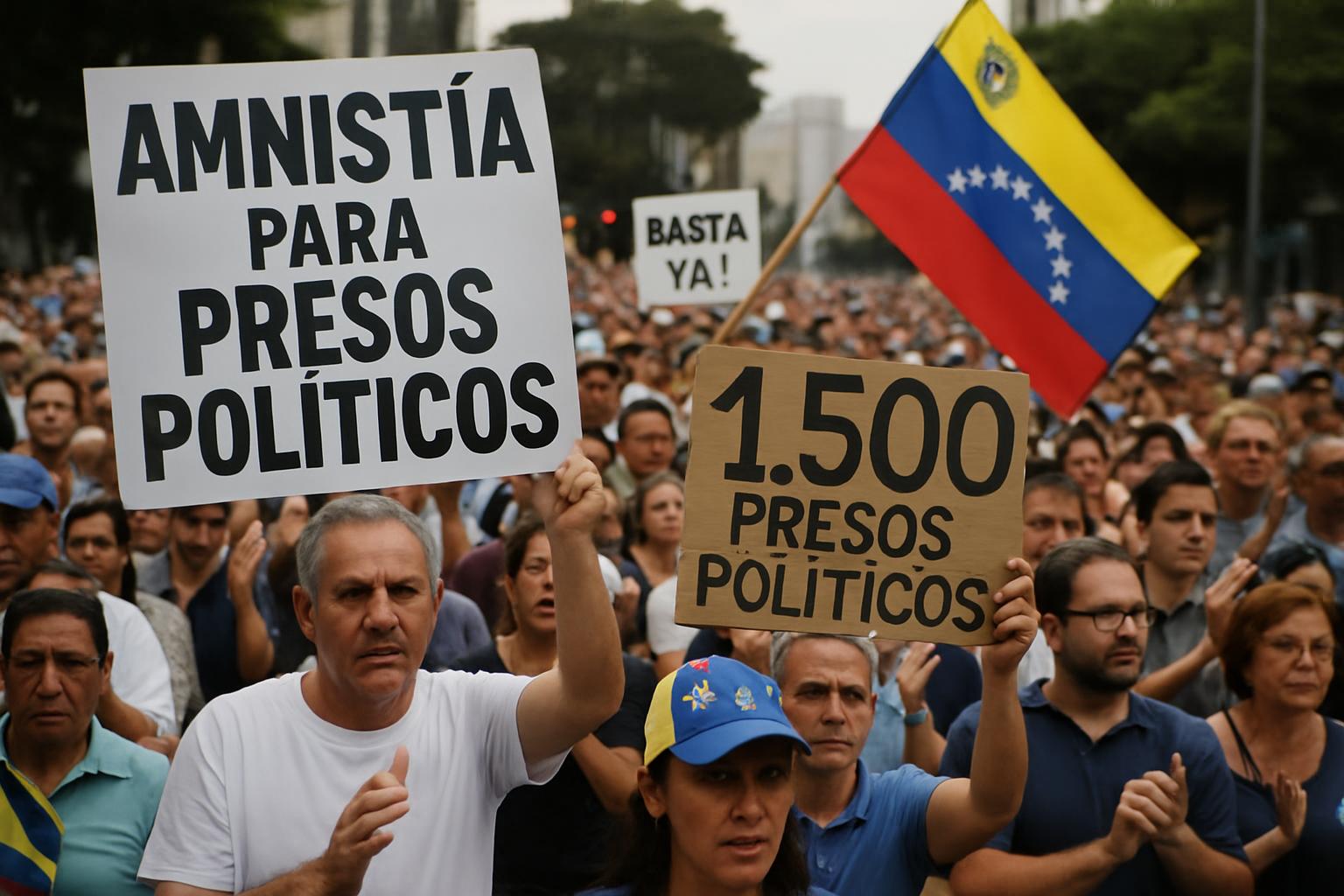
Venezuelan Political Prisoners Seek Amnesty Amidst Hopes for Democratic Transition
Spain's Sánchez Stands Firm Against Trump's Trade Threat Over Iran Stance

Tech Giants Pledge to Cover AI Data Center Energy Costs Amid Rising Electricity Concerns
Congress Subpoenas Attorney General Bondi in Epstein Investigation

UK Faces Dilemmas Amid Iran Conflict and China Spying Allegations
US Military Strikes in Caracas Capture Venezuelan President Maduro
In This Article
HIGHLIGHTS
- US President Donald Trump announced a large-scale military strike on Venezuela, capturing President Nicolás Maduro and his wife.
- The pre-dawn airstrikes targeted key military installations in Caracas, including La Carlota airbase and Fuerte Tiuna.
- Residents of Caracas experienced explosions and power outages, leading to widespread uncertainty and fear.
- Maduro declared a "state of external commotion," signaling a national emergency with potential restrictions on movement.
- The international community is closely monitoring the situation, with potential implications for US-Venezuela relations.
In a dramatic escalation of tensions, US President Donald Trump has confirmed a large-scale military operation in Venezuela, resulting in the capture of President Nicolás Maduro and his wife, Cilia Flores. The operation, which unfolded in the early hours of Saturday, has plunged the Venezuelan capital, Caracas, into a state of uncertainty and fear.
Pre-Dawn Strikes Shake Caracas
Residents of Caracas were jolted awake just before 2 am by a series of explosions and the roar of aircraft. Initially mistaking the noise for fireworks or a natural disaster, it soon became clear that the city was under attack. The US military targeted key military sites, including the La Carlota airbase and Fuerte Tiuna, a heavily fortified complex believed to be a stronghold for Maduro.
Carlos Hurtado, a resident of the 23 de Enero housing estate, described the moment as surreal. "I thought it might be fireworks," he recalled, as air raid sirens blared and WhatsApp groups buzzed with videos of the tangerine-colored explosions lighting up the night sky.
A City in Crisis
The strikes have left parts of Caracas without power, exacerbating the chaos. In the Baruta Municipality, public transport has come to a halt, and residents are queuing outside petrol stations and pharmacies, uncertain of what the day will bring. A local petrol station worker noted that some colleagues were unable to reach work due to the disruption.
Maduro has declared a "state of external commotion," a national emergency that could lead to restrictions on movement and other civil liberties. This echoes past crises, such as the Caracazo riots of the 1980s, when similar measures were enacted.
International Implications
The international community is watching closely as the situation unfolds. The US intervention marks a significant turning point in the ongoing Venezuelan crisis, with potential ramifications for US-Venezuela relations and regional stability. The Trump administration's actions have been met with mixed reactions, with some viewing it as a necessary step to restore democracy, while others criticize it as an overreach of US military power.
WHAT THIS MIGHT MEAN
The capture of Nicolás Maduro by US forces could lead to a power vacuum in Venezuela, potentially destabilizing the already fragile political landscape. The declaration of a national emergency by Maduro raises questions about the future of civil liberties and governance in the country. Internationally, the US intervention may strain relations with countries that oppose foreign military involvement in sovereign nations. As the world watches, the next steps taken by both the US and Venezuelan authorities will be crucial in determining the future trajectory of this crisis.
Related Articles
Cuba Faces Widespread Blackout Amid Deepening Fuel Crisis
Venezuelan Political Prisoners Seek Amnesty Amidst Hopes for Democratic Transition
Spain's Sánchez Stands Firm Against Trump's Trade Threat Over Iran Stance
Tech Giants Pledge to Cover AI Data Center Energy Costs Amid Rising Electricity Concerns
Congress Subpoenas Attorney General Bondi in Epstein Investigation
UK Faces Dilemmas Amid Iran Conflict and China Spying Allegations