
US Military Intervention in Venezuela Sparks Global and Domestic Controversy
In This Article
HIGHLIGHTS
- The US military intervention in Venezuela, resulting in the capture of President Nicolás Maduro, has sparked international controversy and domestic political debate.
- Democratic leaders have condemned the operation as illegal, citing the lack of congressional approval and potential breaches of international law.
- The Trump administration claims the action was a counter-narcotics operation, though critics argue it was an act of war.
- UK Labour leader Sir Keir Starmer faces internal party pressure over his response to the US action and his Brexit strategy.
- The operation has strained US relations with international bodies, including the United Nations, which accused the US of violating its charter.
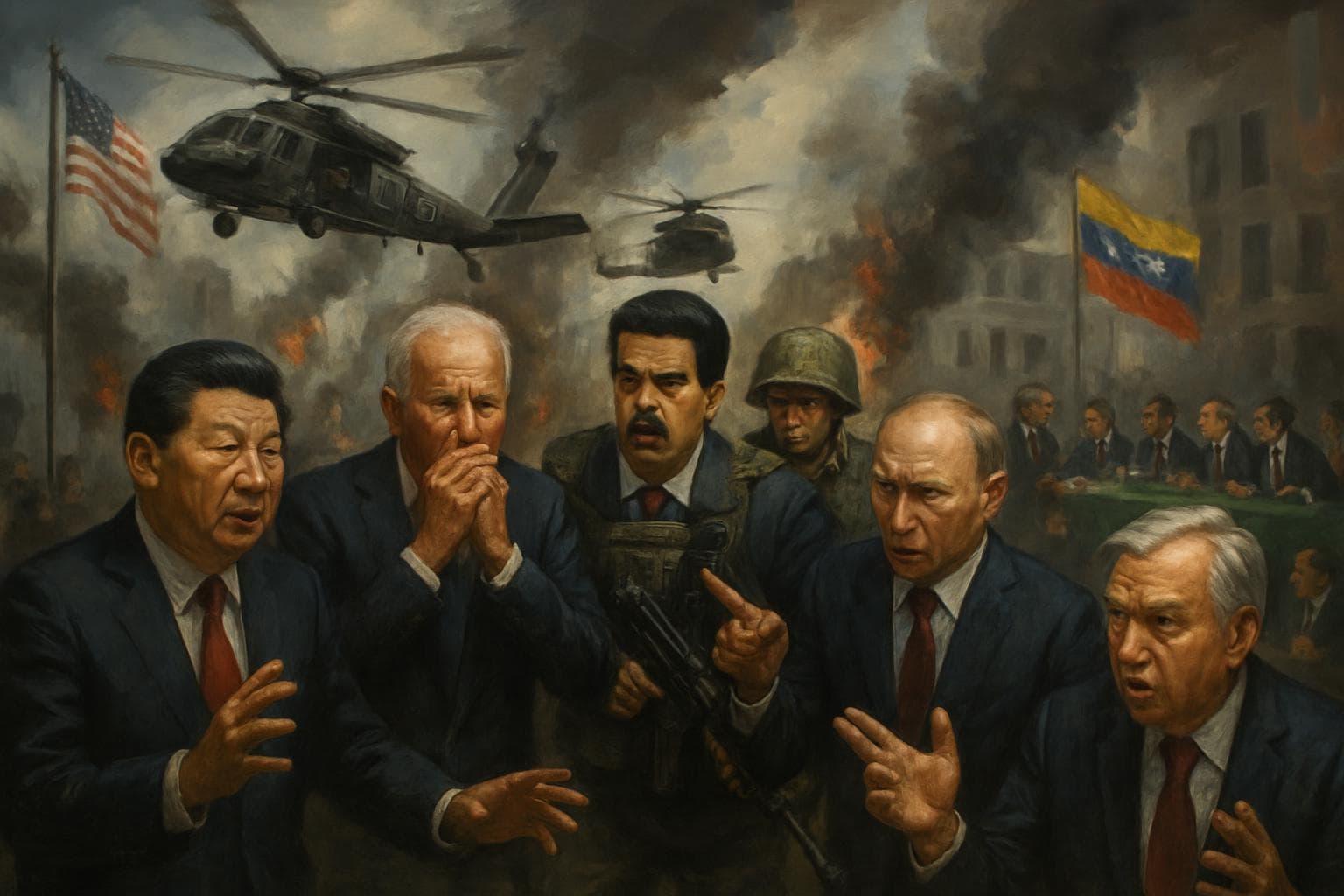
The recent US military intervention in Venezuela, which led to the capture of President Nicolás Maduro, has ignited a storm of international and domestic political debate. The operation, executed without prior congressional approval, has been labeled by Democratic leaders as an illegal act that could have severe repercussions for US foreign relations and domestic politics.
Democratic Leaders Condemn Unilateral Action
Democratic leaders have expressed outrage over the military raid, criticizing the Trump administration for bypassing Congress and potentially breaching international law. "They literally lied to our face," stated Senator Chris Murphy, referring to a briefing by Secretary of State Marco Rubio that downplayed the operation as a mere counter-narcotics mission. Under the US Constitution, only Congress has the authority to declare war, and the 1973 War Powers Resolution mandates presidential consultation with Congress for military engagements. However, this protocol was not followed, leaving top congressional leaders uninformed.
UK Political Repercussions
In the UK, Labour leader Sir Keir Starmer is under pressure from within his party regarding his stance on the US intervention and his Brexit strategy. While Starmer has refrained from labeling the US action as illegal, he has emphasized the need to establish facts before making a judgment. Meanwhile, his push for a "softer Brexit" has been interpreted by some as a move to align more closely with the EU, sparking further internal party tensions.
International Law and US-Venezuela Relations
The operation has also strained US relations with international bodies, including the United Nations, which accused the US of violating its founding charter. The Trump administration has attempted to justify the intervention as a counter-narcotics operation, but critics, including House Democratic leader Hakeem Jeffries, argue it was a military action involving significant US military resources.
WHAT THIS MIGHT MEAN
The fallout from the US intervention in Venezuela could have lasting implications for international relations and domestic politics. If the operation is deemed illegal, it could lead to increased scrutiny of the Trump administration's foreign policy decisions and further strain US relations with global allies. Domestically, the lack of congressional approval may fuel debates over executive power and the need for legislative oversight in military actions. In the UK, Sir Keir Starmer's handling of the situation could impact his leadership and the Labour Party's stance on Brexit, potentially influencing future UK-EU relations.
Related Articles
Intensified US-Israel Strikes on Iran Spark Global Outcry
Senate Blocks Resolution to Limit Trump's Military Actions in Iran
Spain's Sánchez Stands Firm Against Trump's Trade Threat Over Iran Stance
Iran Postpones Khamenei Funeral Amid Escalating US-Israeli Strikes
Canada Calls for De-escalation Amid US-Israel Strikes on Iran
Cuba Faces Widespread Blackout Amid Deepening Fuel Crisis
US Military Intervention in Venezuela Sparks Global and Domestic Controversy
In This Article
 Ethan Brooks| Published
 HIGHLIGHTS
- The US military intervention in Venezuela, resulting in the capture of President Nicolás Maduro, has sparked international controversy and domestic political debate.
- Democratic leaders have condemned the operation as illegal, citing the lack of congressional approval and potential breaches of international law.
- The Trump administration claims the action was a counter-narcotics operation, though critics argue it was an act of war.
- UK Labour leader Sir Keir Starmer faces internal party pressure over his response to the US action and his Brexit strategy.
- The operation has strained US relations with international bodies, including the United Nations, which accused the US of violating its charter.
The recent US military intervention in Venezuela, which led to the capture of President Nicolás Maduro, has ignited a storm of international and domestic political debate. The operation, executed without prior congressional approval, has been labeled by Democratic leaders as an illegal act that could have severe repercussions for US foreign relations and domestic politics.
Democratic Leaders Condemn Unilateral Action
Democratic leaders have expressed outrage over the military raid, criticizing the Trump administration for bypassing Congress and potentially breaching international law. "They literally lied to our face," stated Senator Chris Murphy, referring to a briefing by Secretary of State Marco Rubio that downplayed the operation as a mere counter-narcotics mission. Under the US Constitution, only Congress has the authority to declare war, and the 1973 War Powers Resolution mandates presidential consultation with Congress for military engagements. However, this protocol was not followed, leaving top congressional leaders uninformed.
UK Political Repercussions
In the UK, Labour leader Sir Keir Starmer is under pressure from within his party regarding his stance on the US intervention and his Brexit strategy. While Starmer has refrained from labeling the US action as illegal, he has emphasized the need to establish facts before making a judgment. Meanwhile, his push for a "softer Brexit" has been interpreted by some as a move to align more closely with the EU, sparking further internal party tensions.
International Law and US-Venezuela Relations
The operation has also strained US relations with international bodies, including the United Nations, which accused the US of violating its founding charter. The Trump administration has attempted to justify the intervention as a counter-narcotics operation, but critics, including House Democratic leader Hakeem Jeffries, argue it was a military action involving significant US military resources.
WHAT THIS MIGHT MEAN
The fallout from the US intervention in Venezuela could have lasting implications for international relations and domestic politics. If the operation is deemed illegal, it could lead to increased scrutiny of the Trump administration's foreign policy decisions and further strain US relations with global allies. Domestically, the lack of congressional approval may fuel debates over executive power and the need for legislative oversight in military actions. In the UK, Sir Keir Starmer's handling of the situation could impact his leadership and the Labour Party's stance on Brexit, potentially influencing future UK-EU relations.
Related Articles
Intensified US-Israel Strikes on Iran Spark Global Outcry
Senate Blocks Resolution to Limit Trump's Military Actions in Iran
Spain's Sánchez Stands Firm Against Trump's Trade Threat Over Iran Stance
Iran Postpones Khamenei Funeral Amid Escalating US-Israeli Strikes
Canada Calls for De-escalation Amid US-Israel Strikes on Iran
Cuba Faces Widespread Blackout Amid Deepening Fuel Crisis