
US Intensifies Crackdown on Venezuela's Sanctions Evasion with Third Oil Tanker Pursuit
In This Article
HIGHLIGHTS
- The US Coast Guard is actively pursuing a third oil tanker linked to Venezuela, following the seizure of two vessels this month.
- The targeted vessel is part of a "shadow fleet" used to evade sanctions, flying a false flag and under a judicial seizure order.
- The Trump administration has intensified its blockade on sanctioned oil tankers, accusing Venezuela of using oil revenues for illegal activities.
- Venezuela has condemned the US actions as theft and plans to file a complaint with the United Nations Security Council.
- The increased US military presence in the Caribbean has led to heightened tensions, with potential impacts on global oil prices.
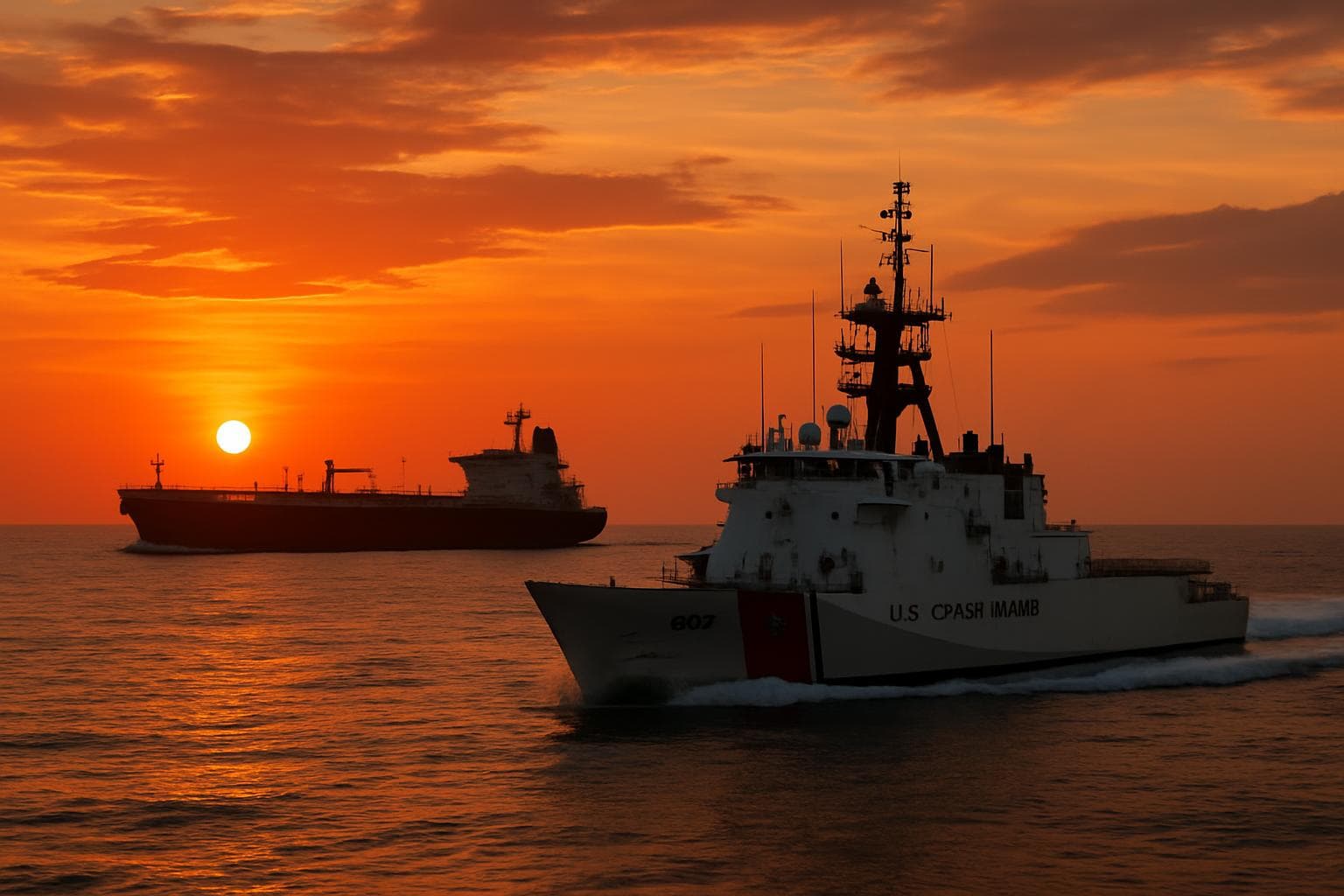
The United States Coast Guard is in active pursuit of a third oil tanker in international waters near Venezuela, marking a significant escalation in efforts to enforce sanctions against the South American nation. This follows the recent seizure of two other vessels, as the US ramps up pressure on Venezuela's vital oil sector.
Escalating Tensions in the Caribbean
The vessel in question is part of a "shadow fleet" that allegedly aids Venezuela in evading international sanctions. According to US officials, the ship is flying a false flag and is under a judicial seizure order. The pursuit comes amid a broader campaign by the Trump administration to block sanctioned oil tankers from entering or leaving Venezuela, a country with the world's largest proven oil reserves.
Venezuela's Response and International Implications
Venezuela has denounced the US actions as theft and kidnapping, asserting that these measures are attempts to steal its resources. The Venezuelan government has announced plans to lodge a complaint with the United Nations Security Council, seeking support from other multilateral agencies. The situation has drawn international attention, with more than 30 of the 80 ships in Venezuelan waters currently under US sanctions, according to TankerTrackers.com.
Military Presence and Economic Impact
The US has bolstered its military presence in the Caribbean, conducting strikes on alleged Venezuelan drug-smuggling boats, resulting in significant casualties. These actions have been criticized by Venezuela and have raised concerns about potential military confrontations. The geopolitical tensions are likely to influence global oil prices, with traders anticipating fluctuations as markets react to these developments.
WHAT THIS MIGHT MEAN
The ongoing pursuit of oil tankers linked to Venezuela underscores the US's commitment to enforcing sanctions, but it also risks further escalating tensions in the region. If the US continues its aggressive stance, it could lead to increased diplomatic friction with countries sympathetic to Venezuela, potentially complicating international relations. Additionally, the heightened military presence and enforcement actions may provoke retaliatory measures from Venezuela or its allies, increasing the risk of military confrontations. Economically, the situation could lead to volatility in global oil markets, impacting prices and potentially affecting economies worldwide. As the situation unfolds, the international community will be closely watching for any shifts in policy or strategy from both the US and Venezuela.
Related Articles
US Military Strikes on Alleged Drug Boats Raise Legal Concerns

Geneva Peace Talks: Russia and Ukraine Seek Resolution Amid Ongoing Conflict

Clintons to Testify as Epstein Files Spark Allegations of Cover-Up
Trump Intensifies Pressure on Iran with Aircraft Carrier Deployment Amid Nuclear Deal Talks

Don Lemon Pleads Not Guilty in Minnesota Church Protest Case
Judge Blocks Demotion of Senator Mark Kelly Over 'Illegal Orders' Video
US Intensifies Crackdown on Venezuela's Sanctions Evasion with Third Oil Tanker Pursuit
In This Article
 Ethan Brooks| Published
 HIGHLIGHTS
- The US Coast Guard is actively pursuing a third oil tanker linked to Venezuela, following the seizure of two vessels this month.
- The targeted vessel is part of a "shadow fleet" used to evade sanctions, flying a false flag and under a judicial seizure order.
- The Trump administration has intensified its blockade on sanctioned oil tankers, accusing Venezuela of using oil revenues for illegal activities.
- Venezuela has condemned the US actions as theft and plans to file a complaint with the United Nations Security Council.
- The increased US military presence in the Caribbean has led to heightened tensions, with potential impacts on global oil prices.
The United States Coast Guard is in active pursuit of a third oil tanker in international waters near Venezuela, marking a significant escalation in efforts to enforce sanctions against the South American nation. This follows the recent seizure of two other vessels, as the US ramps up pressure on Venezuela's vital oil sector.
Escalating Tensions in the Caribbean
The vessel in question is part of a "shadow fleet" that allegedly aids Venezuela in evading international sanctions. According to US officials, the ship is flying a false flag and is under a judicial seizure order. The pursuit comes amid a broader campaign by the Trump administration to block sanctioned oil tankers from entering or leaving Venezuela, a country with the world's largest proven oil reserves.
Venezuela's Response and International Implications
Venezuela has denounced the US actions as theft and kidnapping, asserting that these measures are attempts to steal its resources. The Venezuelan government has announced plans to lodge a complaint with the United Nations Security Council, seeking support from other multilateral agencies. The situation has drawn international attention, with more than 30 of the 80 ships in Venezuelan waters currently under US sanctions, according to TankerTrackers.com.
Military Presence and Economic Impact
The US has bolstered its military presence in the Caribbean, conducting strikes on alleged Venezuelan drug-smuggling boats, resulting in significant casualties. These actions have been criticized by Venezuela and have raised concerns about potential military confrontations. The geopolitical tensions are likely to influence global oil prices, with traders anticipating fluctuations as markets react to these developments.
WHAT THIS MIGHT MEAN
The ongoing pursuit of oil tankers linked to Venezuela underscores the US's commitment to enforcing sanctions, but it also risks further escalating tensions in the region. If the US continues its aggressive stance, it could lead to increased diplomatic friction with countries sympathetic to Venezuela, potentially complicating international relations. Additionally, the heightened military presence and enforcement actions may provoke retaliatory measures from Venezuela or its allies, increasing the risk of military confrontations. Economically, the situation could lead to volatility in global oil markets, impacting prices and potentially affecting economies worldwide. As the situation unfolds, the international community will be closely watching for any shifts in policy or strategy from both the US and Venezuela.
Related Articles
US Military Strikes on Alleged Drug Boats Raise Legal Concerns
Geneva Peace Talks: Russia and Ukraine Seek Resolution Amid Ongoing Conflict
Clintons to Testify as Epstein Files Spark Allegations of Cover-Up
Trump Intensifies Pressure on Iran with Aircraft Carrier Deployment Amid Nuclear Deal Talks
Don Lemon Pleads Not Guilty in Minnesota Church Protest Case
Judge Blocks Demotion of Senator Mark Kelly Over 'Illegal Orders' Video