
US Sanctions on ICC Officials Spark Global Outcry
In This Article
HIGHLIGHTS
- The US has imposed sanctions on four ICC officials, accusing them of prosecuting US and Israeli nationals without consent.
- The sanctions target ICC judges Kimberly Prost and Nicolas Guillou, and prosecutors Nazhat Shameem Khan and Mame Mandiaye Niang.
- The ICC and UN have condemned the sanctions as a "flagrant attack" on judicial independence and international justice.
- Israel's Prime Minister Benjamin Netanyahu has welcomed the US sanctions, calling them a defense against "smear campaigns."
- France expressed dismay over the sanctions, highlighting a contradiction to the principle of an independent judiciary.
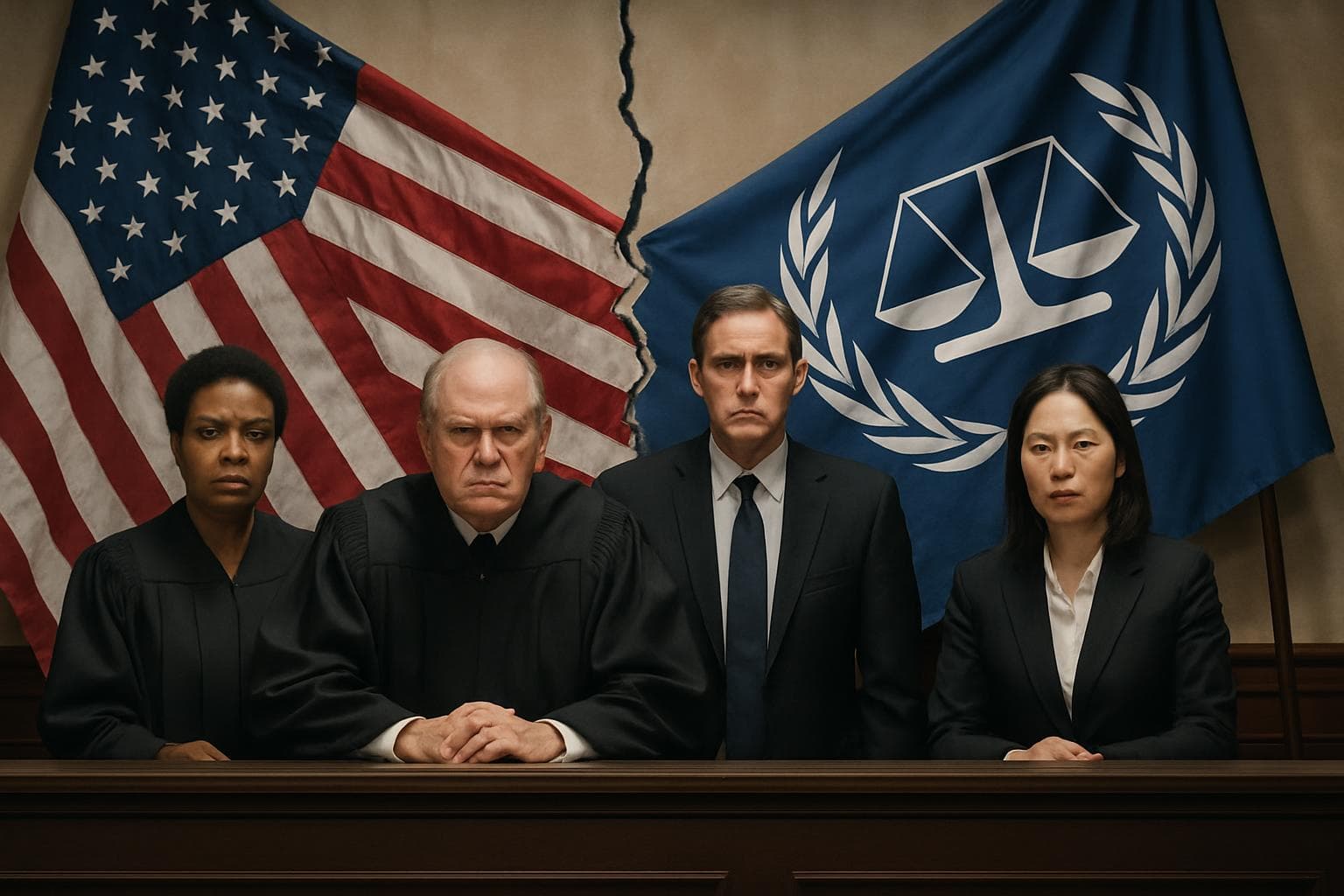
The United States has intensified its campaign against the International Criminal Court (ICC) by imposing sanctions on four of its officials, a move that has drawn widespread condemnation from international bodies. The sanctions, announced by US Secretary of State Marco Rubio, target two judges and two prosecutors of the ICC, accusing them of pursuing cases against US and Israeli citizens without the nations' consent.
Sanctions and Their Targets
The individuals affected by the sanctions include judges Kimberly Prost of Canada and Nicolas Guillou of France, as well as prosecutors Nazhat Shameem Khan of Fiji and Mame Mandiaye Niang of Senegal. The US State Department claims these officials were instrumental in authorizing investigations and issuing arrest warrants against Israeli Prime Minister Benjamin Netanyahu and former defense minister Yoav Gallant for alleged war crimes in Gaza. Additionally, Prost was sanctioned for her involvement in an ICC investigation into US personnel in Afghanistan.
International Reactions
The ICC has strongly criticized the US actions, labeling them as a "flagrant attack" on its independence and an affront to the international legal order. The United Nations echoed this sentiment, with spokesperson Stéphane Dujarric affirming the ICC's role as a cornerstone of international criminal justice. France, whose judge Nicolas Guillou was among those sanctioned, expressed dismay, emphasizing the importance of an independent judiciary.
Support from Israel
In contrast, Israeli Prime Minister Benjamin Netanyahu has welcomed the US sanctions, describing them as a necessary response to what he termed a "mendacious smear campaign" against Israel. The US sanctions align with Israel's stance against the ICC's investigations into its military actions in Gaza.
WHAT THIS MIGHT MEAN
The imposition of sanctions on ICC officials by the US could have significant implications for international relations and the future of global justice. The move may strain US relations with countries that support the ICC, potentially leading to diplomatic tensions. Furthermore, the sanctions could undermine the ICC's ability to function effectively, as they impose severe restrictions on the targeted officials' assets and movements.
Experts suggest that this development might embolden other nations to challenge the ICC's authority, potentially weakening its role in prosecuting war crimes and crimes against humanity. As the situation unfolds, the international community will be closely monitoring the US's actions and their impact on the global legal landscape.
Related Articles
Intensified US-Israel Strikes on Iran Spark Global Outcry
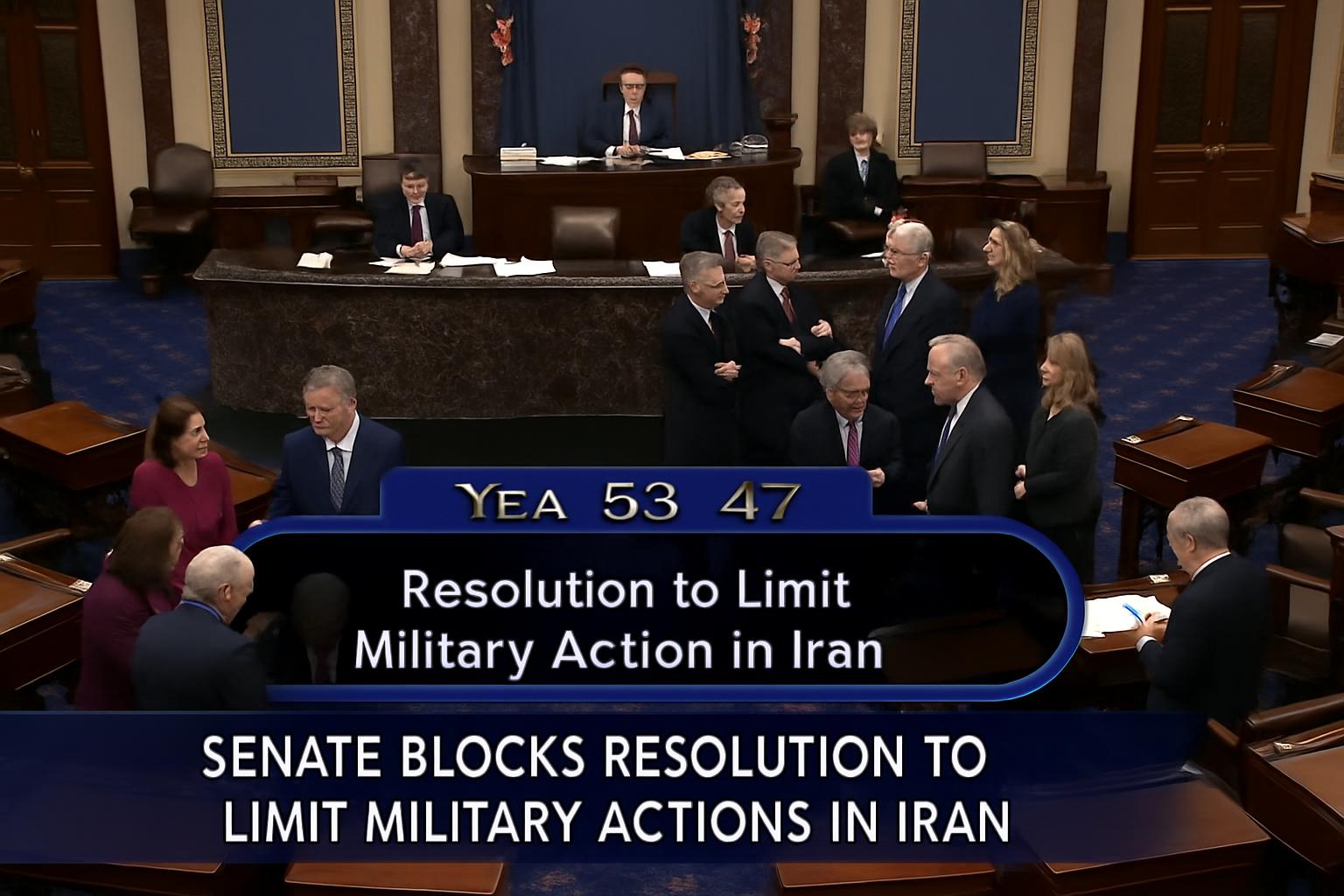
Senate Blocks Resolution to Limit Trump's Military Actions in Iran
Iran Postpones Khamenei Funeral Amid Escalating US-Israeli Strikes
Canada Calls for De-escalation Amid US-Israel Strikes on Iran

US and Israel Intensify Military Campaign as Iran's Capabilities Dwindle
US-Iran Tensions Escalate Amid Renewed Nuclear Talks and Protests
US Sanctions on ICC Officials Spark Global Outcry
In This Article
 Ethan Brooks| Published
 HIGHLIGHTS
- The US has imposed sanctions on four ICC officials, accusing them of prosecuting US and Israeli nationals without consent.
- The sanctions target ICC judges Kimberly Prost and Nicolas Guillou, and prosecutors Nazhat Shameem Khan and Mame Mandiaye Niang.
- The ICC and UN have condemned the sanctions as a "flagrant attack" on judicial independence and international justice.
- Israel's Prime Minister Benjamin Netanyahu has welcomed the US sanctions, calling them a defense against "smear campaigns."
- France expressed dismay over the sanctions, highlighting a contradiction to the principle of an independent judiciary.
The United States has intensified its campaign against the International Criminal Court (ICC) by imposing sanctions on four of its officials, a move that has drawn widespread condemnation from international bodies. The sanctions, announced by US Secretary of State Marco Rubio, target two judges and two prosecutors of the ICC, accusing them of pursuing cases against US and Israeli citizens without the nations' consent.
Sanctions and Their Targets
The individuals affected by the sanctions include judges Kimberly Prost of Canada and Nicolas Guillou of France, as well as prosecutors Nazhat Shameem Khan of Fiji and Mame Mandiaye Niang of Senegal. The US State Department claims these officials were instrumental in authorizing investigations and issuing arrest warrants against Israeli Prime Minister Benjamin Netanyahu and former defense minister Yoav Gallant for alleged war crimes in Gaza. Additionally, Prost was sanctioned for her involvement in an ICC investigation into US personnel in Afghanistan.
International Reactions
The ICC has strongly criticized the US actions, labeling them as a "flagrant attack" on its independence and an affront to the international legal order. The United Nations echoed this sentiment, with spokesperson Stéphane Dujarric affirming the ICC's role as a cornerstone of international criminal justice. France, whose judge Nicolas Guillou was among those sanctioned, expressed dismay, emphasizing the importance of an independent judiciary.
Support from Israel
In contrast, Israeli Prime Minister Benjamin Netanyahu has welcomed the US sanctions, describing them as a necessary response to what he termed a "mendacious smear campaign" against Israel. The US sanctions align with Israel's stance against the ICC's investigations into its military actions in Gaza.
WHAT THIS MIGHT MEAN
The imposition of sanctions on ICC officials by the US could have significant implications for international relations and the future of global justice. The move may strain US relations with countries that support the ICC, potentially leading to diplomatic tensions. Furthermore, the sanctions could undermine the ICC's ability to function effectively, as they impose severe restrictions on the targeted officials' assets and movements.
Experts suggest that this development might embolden other nations to challenge the ICC's authority, potentially weakening its role in prosecuting war crimes and crimes against humanity. As the situation unfolds, the international community will be closely monitoring the US's actions and their impact on the global legal landscape.
Related Articles
Intensified US-Israel Strikes on Iran Spark Global Outcry
Senate Blocks Resolution to Limit Trump's Military Actions in Iran
Iran Postpones Khamenei Funeral Amid Escalating US-Israeli Strikes
Canada Calls for De-escalation Amid US-Israel Strikes on Iran
US and Israel Intensify Military Campaign as Iran's Capabilities Dwindle
US-Iran Tensions Escalate Amid Renewed Nuclear Talks and Protests