
US Sanctions UN Expert Francesca Albanese Amid Gaza Conflict Criticism
In This Article
HIGHLIGHTS
- The US has sanctioned Francesca Albanese, a UN expert critical of Israel's actions in Gaza, citing her engagement with the International Criminal Court.
- Secretary of State Marco Rubio accused Albanese of antisemitism and supporting terrorism, which she and her supporters deny.
- Albanese, who has called Israel's actions in Gaza "genocide," has faced backlash from pro-Israel groups and US officials.
- The sanctions prevent Albanese from traveling to the US and block any assets she holds there.
- Amnesty International and other rights organizations have condemned the sanctions, urging global support for Albanese.
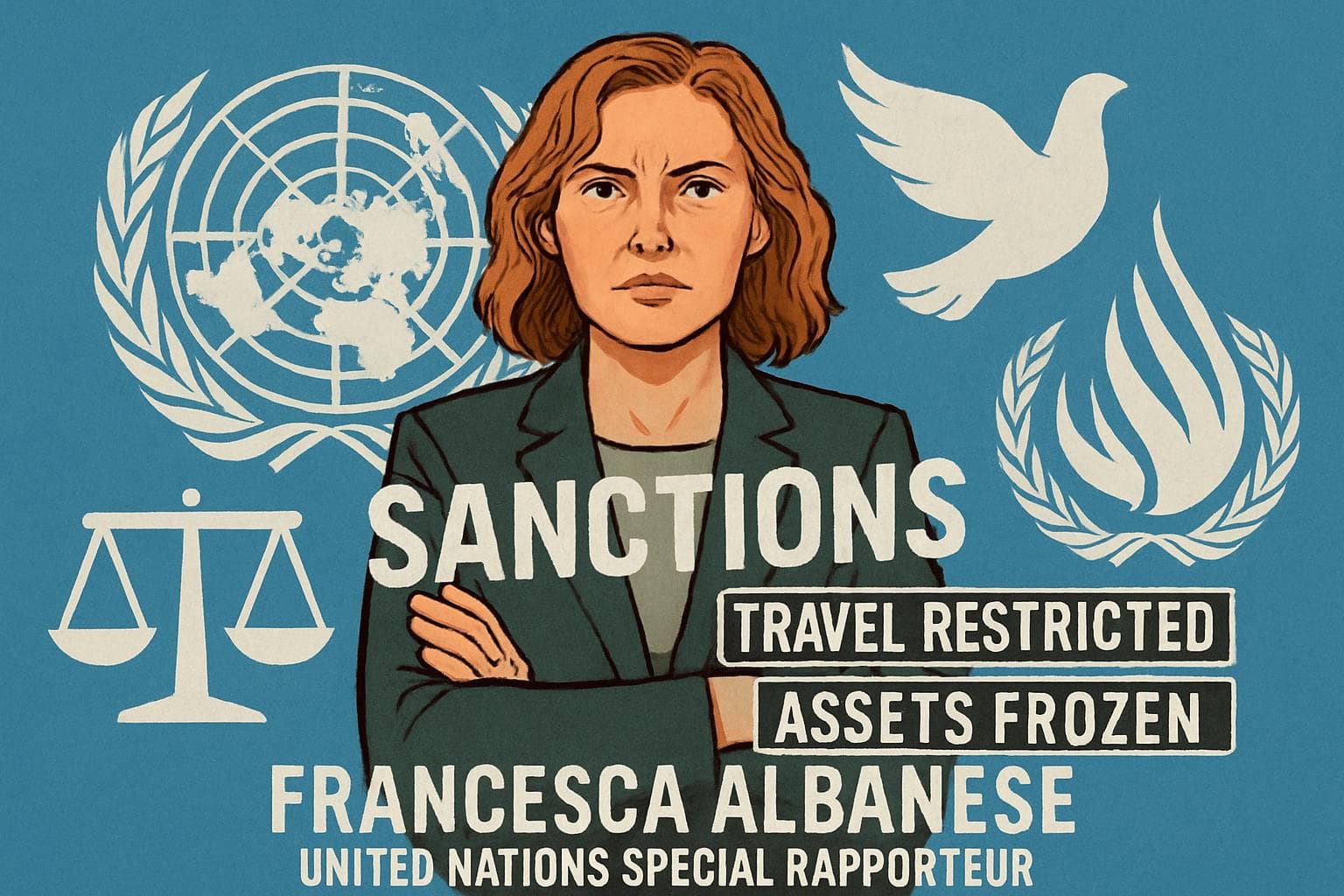
The Trump administration has imposed sanctions on Francesca Albanese, a United Nations special rapporteur known for her vocal criticism of Israel's military actions in Gaza. This move marks the latest in a series of actions by the US to counter critics of Israel's ongoing conflict in the region.
Sanctions and Accusations
Announced by Secretary of State Marco Rubio, the sanctions against Albanese are linked to her support for the International Criminal Court (ICC), which has been investigating alleged war crimes by Israeli officials. Rubio accused Albanese of engaging with the ICC to prosecute American and Israeli nationals, labeling her actions as unfit for her UN role. The sanctions will restrict Albanese's travel to the US and freeze any assets she may have in the country.
Albanese's Response and Support
In response, Albanese, an Italian national, reiterated her commitment to justice, describing the sanctions as "mafia style intimidation techniques" in a statement to Al Jazeera. Her stance has garnered support from various human rights organizations, including Amnesty International, which criticized the US's actions as undermining international law and accountability.
Broader Context and Reactions
Albanese has been a prominent advocate for Palestinian rights, describing Israel's military operations in Gaza as "genocide." Her position has been supported by genocide scholars and rights groups, though it has drawn sharp criticism from pro-Israel entities. The US mission to the UN has called for her removal, citing a "pattern of virulent antisemitism and anti-Israel bias."
The sanctions against Albanese are part of a broader US campaign to suppress criticism of Israel's handling of the Gaza conflict, which has been ongoing for nearly two years. This includes recent actions against American university faculty and students involved in pro-Palestinian activities.
WHAT THIS MIGHT MEAN
The sanctions against Francesca Albanese could further strain US relations with international human rights bodies and complicate diplomatic efforts in the Middle East. If the ICC continues its investigations into alleged war crimes by Israeli officials, tensions between the US and the court may escalate. Additionally, the move may galvanize support for Albanese among global human rights advocates, potentially leading to increased scrutiny of US and Israeli policies in the region. As the situation unfolds, the international community will be watching closely to see how these dynamics impact the broader Israel-Palestine conflict.
Related Articles
Intensified US-Israel Strikes on Iran Spark Global Outcry
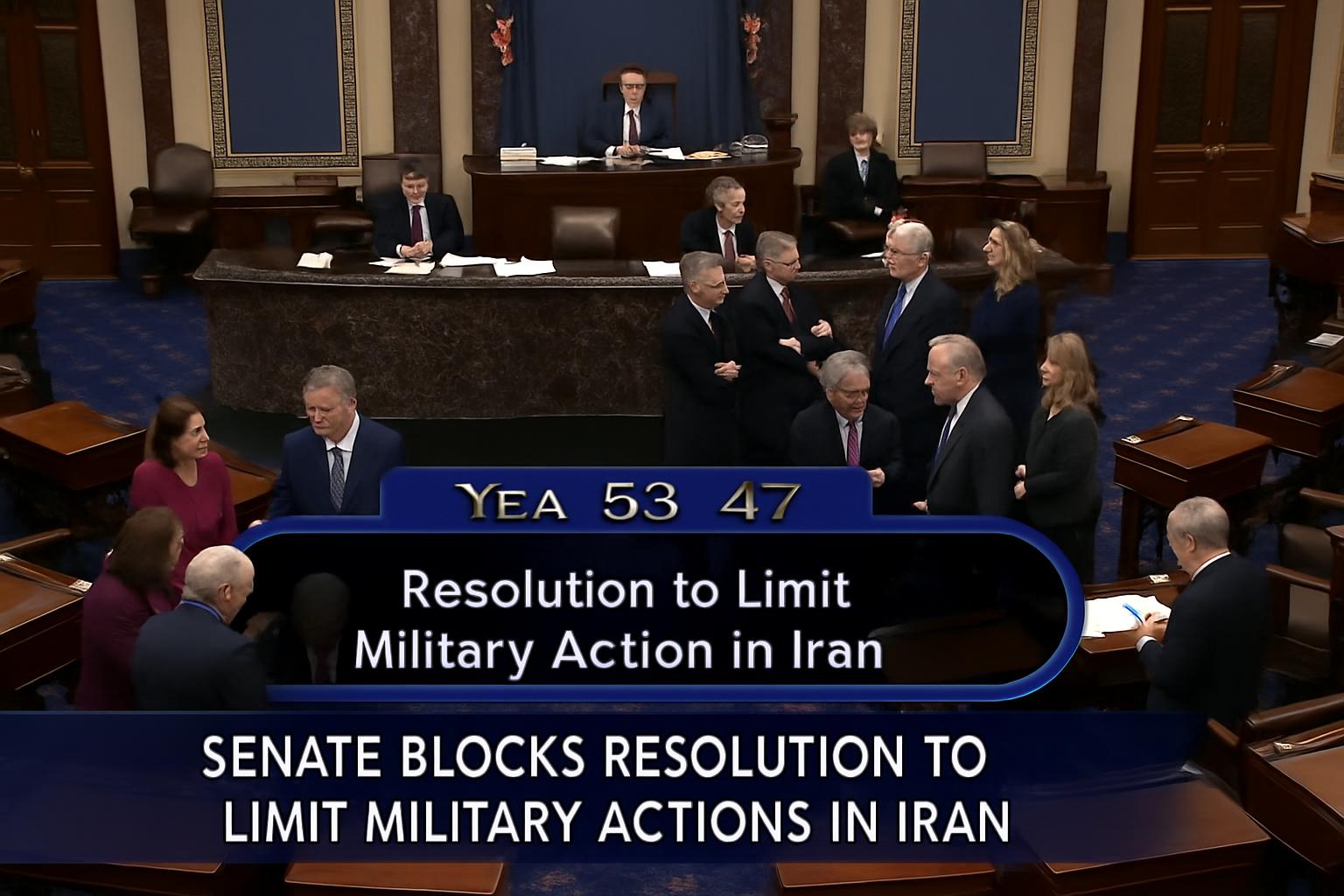
Senate Blocks Resolution to Limit Trump's Military Actions in Iran
Iran Postpones Khamenei Funeral Amid Escalating US-Israeli Strikes
Canada Calls for De-escalation Amid US-Israel Strikes on Iran

US and Israel Intensify Military Campaign as Iran's Capabilities Dwindle
US-Iran Tensions Escalate Amid Renewed Nuclear Talks and Protests
US Sanctions UN Expert Francesca Albanese Amid Gaza Conflict Criticism
In This Article
 Ethan Brooks| Published
 HIGHLIGHTS
- The US has sanctioned Francesca Albanese, a UN expert critical of Israel's actions in Gaza, citing her engagement with the International Criminal Court.
- Secretary of State Marco Rubio accused Albanese of antisemitism and supporting terrorism, which she and her supporters deny.
- Albanese, who has called Israel's actions in Gaza "genocide," has faced backlash from pro-Israel groups and US officials.
- The sanctions prevent Albanese from traveling to the US and block any assets she holds there.
- Amnesty International and other rights organizations have condemned the sanctions, urging global support for Albanese.
The Trump administration has imposed sanctions on Francesca Albanese, a United Nations special rapporteur known for her vocal criticism of Israel's military actions in Gaza. This move marks the latest in a series of actions by the US to counter critics of Israel's ongoing conflict in the region.
Sanctions and Accusations
Announced by Secretary of State Marco Rubio, the sanctions against Albanese are linked to her support for the International Criminal Court (ICC), which has been investigating alleged war crimes by Israeli officials. Rubio accused Albanese of engaging with the ICC to prosecute American and Israeli nationals, labeling her actions as unfit for her UN role. The sanctions will restrict Albanese's travel to the US and freeze any assets she may have in the country.
Albanese's Response and Support
In response, Albanese, an Italian national, reiterated her commitment to justice, describing the sanctions as "mafia style intimidation techniques" in a statement to Al Jazeera. Her stance has garnered support from various human rights organizations, including Amnesty International, which criticized the US's actions as undermining international law and accountability.
Broader Context and Reactions
Albanese has been a prominent advocate for Palestinian rights, describing Israel's military operations in Gaza as "genocide." Her position has been supported by genocide scholars and rights groups, though it has drawn sharp criticism from pro-Israel entities. The US mission to the UN has called for her removal, citing a "pattern of virulent antisemitism and anti-Israel bias."
The sanctions against Albanese are part of a broader US campaign to suppress criticism of Israel's handling of the Gaza conflict, which has been ongoing for nearly two years. This includes recent actions against American university faculty and students involved in pro-Palestinian activities.
WHAT THIS MIGHT MEAN
The sanctions against Francesca Albanese could further strain US relations with international human rights bodies and complicate diplomatic efforts in the Middle East. If the ICC continues its investigations into alleged war crimes by Israeli officials, tensions between the US and the court may escalate. Additionally, the move may galvanize support for Albanese among global human rights advocates, potentially leading to increased scrutiny of US and Israeli policies in the region. As the situation unfolds, the international community will be watching closely to see how these dynamics impact the broader Israel-Palestine conflict.
Related Articles
Intensified US-Israel Strikes on Iran Spark Global Outcry
Senate Blocks Resolution to Limit Trump's Military Actions in Iran
Iran Postpones Khamenei Funeral Amid Escalating US-Israeli Strikes
Canada Calls for De-escalation Amid US-Israel Strikes on Iran
US and Israel Intensify Military Campaign as Iran's Capabilities Dwindle
US-Iran Tensions Escalate Amid Renewed Nuclear Talks and Protests