
US Intensifies Crackdown on Venezuelan Oil with Fifth Tanker Seizure

In This Article
HIGHLIGHTS
- The US has seized a fifth oil tanker, Olina, in the Caribbean as part of efforts to enforce Venezuelan oil sanctions.
- The Olina was reportedly operating under a false flag and is part of a "ghost fleet" transporting sanctioned oil.
- US Southern Command stated the operation was a coordinated effort involving Marines and the Department of Homeland Security.
- The US claims the seized oil will be sold at market rates, with proceeds managed to benefit the Venezuelan people.
- The seizure follows the controversial capture of Venezuelan President Nicolás Maduro, which has significant geopolitical implications.
In a bold move to enforce sanctions on Venezuelan oil, US forces have seized a fifth oil tanker, the Olina, in the Caribbean Sea. This operation is part of a broader strategy by the Trump administration to curb the distribution of Venezuelan oil globally. The Olina, which was reportedly operating under a false flag of Timor-Leste, is part of a so-called "ghost fleet" of over 1,000 vessels transporting sanctioned oil.
Coordinated Military Operation
The pre-dawn operation was executed by US Marines and Navy sailors, coordinated by the US Southern Command. The Department of Homeland Security played a crucial role, with Secretary Kristi Noem describing the vessel as another "ghost fleet" tanker attempting to evade US forces. Video footage shared on social media showed US troops landing on the ship's deck, underscoring the high-stakes nature of the operation.
Legal and Maritime Context
The Olina's seizure is legally supported under international maritime law, which allows authorities to board stateless vessels. The tanker had been sanctioned by the US for previously moving Russian oil under its former name, Minerva M. The vessel's location tracker was last active 52 days ago near Curacao, according to maritime risk company Vanguard Tech.
Geopolitical Ramifications
This seizure comes on the heels of the controversial capture of Venezuelan President Nicolás Maduro, a move that has sparked significant geopolitical debate. The US asserts that proceeds from the seized oil, valued at approximately $2.8 billion, will be sold at market rates, with the funds managed to benefit the Venezuelan populace.
WHAT THIS MIGHT MEAN
The recent seizure of the Olina and the capture of Nicolás Maduro could escalate tensions between the US and Venezuela, potentially drawing international scrutiny. The US's aggressive enforcement of oil sanctions may lead to diplomatic challenges, especially with countries involved in the "ghost fleet" operations. Experts suggest that the US's actions could either pressure the Venezuelan government into compliance or provoke further resistance, complicating the geopolitical landscape. As the situation unfolds, the international community will be closely watching the US's next moves and their implications for global oil markets and diplomatic relations.
Related Articles

DHS Spokesperson Tricia McLaughlin to Depart Amidst Immigration Policy Controversy

US and Israel Intensify Military Campaign as Iran's Capabilities Dwindle

Intensified US-Israel Strikes on Iran Spark Global Outcry
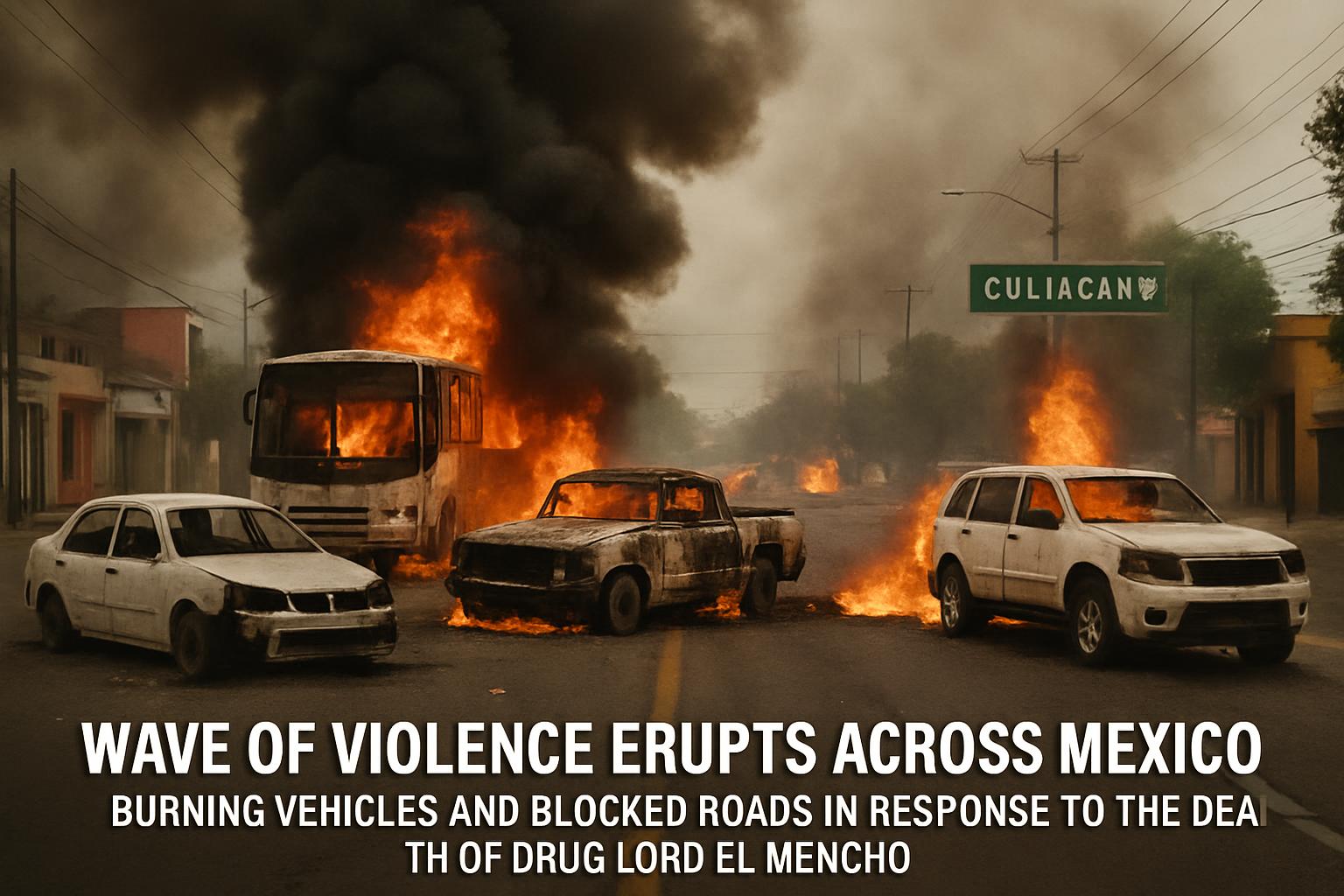
Violence Erupts Across Mexico Following Death of Drug Lord El Mencho

Trump's Board of Peace Pledges $7 Billion for Gaza Amidst International Skepticism

Geneva Peace Talks Between Russia and Ukraine End Without Breakthrough
US Intensifies Crackdown on Venezuelan Oil with Fifth Tanker Seizure
In This Article
 Ethan Brooks| Published
 HIGHLIGHTS
- The US has seized a fifth oil tanker, Olina, in the Caribbean as part of efforts to enforce Venezuelan oil sanctions.
- The Olina was reportedly operating under a false flag and is part of a "ghost fleet" transporting sanctioned oil.
- US Southern Command stated the operation was a coordinated effort involving Marines and the Department of Homeland Security.
- The US claims the seized oil will be sold at market rates, with proceeds managed to benefit the Venezuelan people.
- The seizure follows the controversial capture of Venezuelan President Nicolás Maduro, which has significant geopolitical implications.
In a bold move to enforce sanctions on Venezuelan oil, US forces have seized a fifth oil tanker, the Olina, in the Caribbean Sea. This operation is part of a broader strategy by the Trump administration to curb the distribution of Venezuelan oil globally. The Olina, which was reportedly operating under a false flag of Timor-Leste, is part of a so-called "ghost fleet" of over 1,000 vessels transporting sanctioned oil.
Coordinated Military Operation
The pre-dawn operation was executed by US Marines and Navy sailors, coordinated by the US Southern Command. The Department of Homeland Security played a crucial role, with Secretary Kristi Noem describing the vessel as another "ghost fleet" tanker attempting to evade US forces. Video footage shared on social media showed US troops landing on the ship's deck, underscoring the high-stakes nature of the operation.
Legal and Maritime Context
The Olina's seizure is legally supported under international maritime law, which allows authorities to board stateless vessels. The tanker had been sanctioned by the US for previously moving Russian oil under its former name, Minerva M. The vessel's location tracker was last active 52 days ago near Curacao, according to maritime risk company Vanguard Tech.
Geopolitical Ramifications
This seizure comes on the heels of the controversial capture of Venezuelan President Nicolás Maduro, a move that has sparked significant geopolitical debate. The US asserts that proceeds from the seized oil, valued at approximately $2.8 billion, will be sold at market rates, with the funds managed to benefit the Venezuelan populace.
WHAT THIS MIGHT MEAN
The recent seizure of the Olina and the capture of Nicolás Maduro could escalate tensions between the US and Venezuela, potentially drawing international scrutiny. The US's aggressive enforcement of oil sanctions may lead to diplomatic challenges, especially with countries involved in the "ghost fleet" operations. Experts suggest that the US's actions could either pressure the Venezuelan government into compliance or provoke further resistance, complicating the geopolitical landscape. As the situation unfolds, the international community will be closely watching the US's next moves and their implications for global oil markets and diplomatic relations.
Related Articles
DHS Spokesperson Tricia McLaughlin to Depart Amidst Immigration Policy Controversy
US and Israel Intensify Military Campaign as Iran's Capabilities Dwindle
Intensified US-Israel Strikes on Iran Spark Global Outcry
Violence Erupts Across Mexico Following Death of Drug Lord El Mencho
Trump's Board of Peace Pledges $7 Billion for Gaza Amidst International Skepticism
Geneva Peace Talks Between Russia and Ukraine End Without Breakthrough