
US Seizes Second Oil Tanker Amid Rising Tensions with Venezuela
In This Article
HIGHLIGHTS
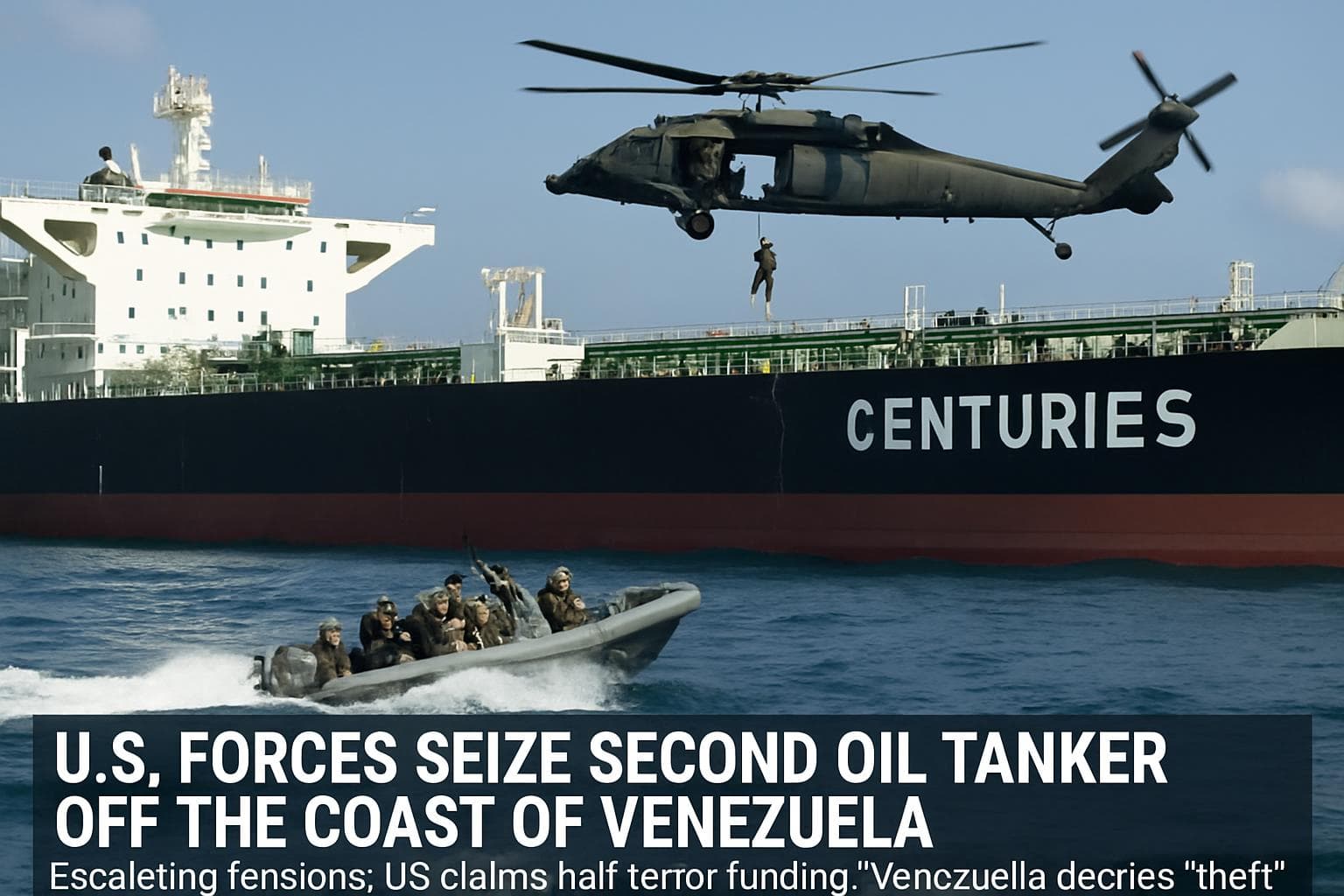
- The US has seized a second oil tanker, the Centuries, off Venezuela's coast, escalating tensions between the two nations.
- The US claims the seizures are part of efforts to curb the illicit movement of sanctioned oil funding narco-terrorism.
- Venezuela condemns the actions as theft and plans to file a complaint with the UN Security Council.
- The Centuries, a Panamanian-flagged vessel, was intercepted in international waters and is not on the US sanctions list.
- President Trump has not ruled out military action against Venezuela, further straining Venezuela-US relations.
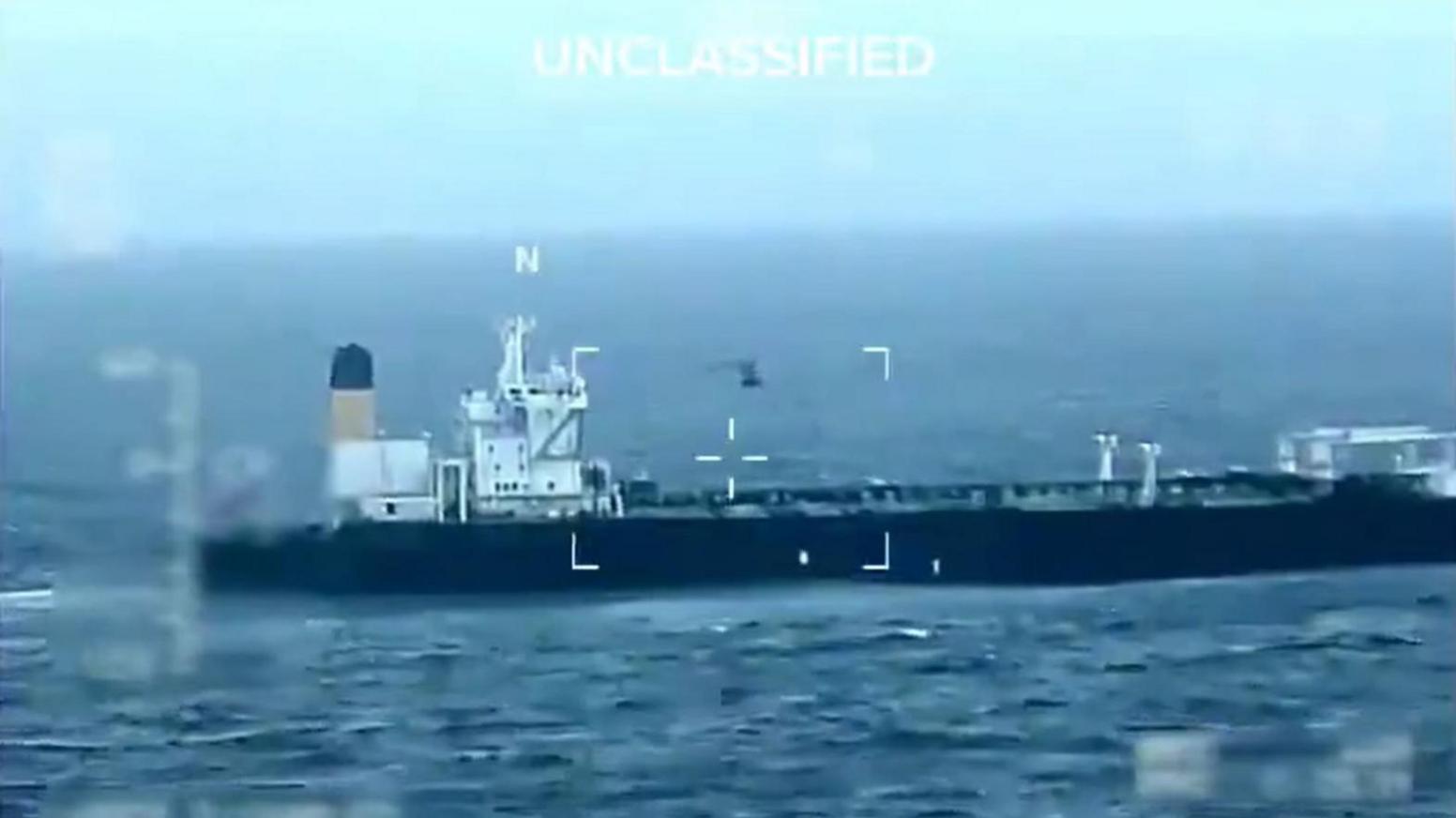
In a bold move that has further strained relations between the United States and Venezuela, US forces have seized a second oil tanker off the Venezuelan coast. The vessel, named Centuries, was intercepted in international waters east of Barbados, according to the US Department of Homeland Security. This action follows the earlier seizure of another tanker on December 10, as part of the Trump administration's intensified blockade against Venezuelan oil exports.
US Justifies Seizure as Anti-Terrorism Measure
Homeland Security Secretary Kristi Noem stated that the operation was conducted by the US Coast Guard with support from the Department of Defense. In a statement on social media platform X, Noem emphasized the US's commitment to halting the illicit movement of sanctioned oil, which is allegedly used to fund narco-terrorism in the region. "We will find you, and we will stop you," she declared, underscoring the administration's hardline stance.
Venezuela's Strong Rebuttal
The Venezuelan government has vehemently condemned the US actions, labeling them as "theft and kidnapping." In a statement, Venezuela announced its intention to lodge a formal complaint with the UN Security Council and other international bodies. The government accused the US of attempting to steal its resources, a charge it has made repeatedly in the past.
Escalating Military Presence
The seizure of the Centuries, a Panamanian-flagged ship not listed among US-sanctioned vessels, marks an escalation in the enforcement of the US blockade. The Trump administration has suggested that any vessel carrying Venezuelan oil could be targeted. Meanwhile, President Nicolás Maduro has urged Venezuela's navy to escort oil tankers, defying the US's significant military presence in the region.
Potential for Conflict
President Trump has not ruled out the possibility of military action against Venezuela. In a recent interview, he stated that going to war with Maduro's regime remains an option. This rhetoric, combined with the US's recent military strikes on alleged Venezuelan drug-smuggling boats, has heightened tensions and drawn scrutiny from Congress.
WHAT THIS MIGHT MEAN
The recent seizures of oil tankers by the US could lead to heightened diplomatic tensions and potential legal battles at international forums such as the UN Security Council. Venezuela's planned complaint may rally support from other nations critical of US foreign policy, potentially isolating the US diplomatically. Furthermore, the possibility of military conflict looms, especially if Venezuela continues to defy the US blockade. Experts suggest that a diplomatic resolution, possibly involving negotiations over sanctions and oil exports, could avert further escalation. However, with both nations entrenched in their positions, the path to de-escalation remains uncertain.
Images from the Web
Related Articles
Iran Postpones Khamenei Funeral Amid Escalating US-Israeli Strikes
US-Iran Tensions Escalate Amid Renewed Nuclear Talks and Protests
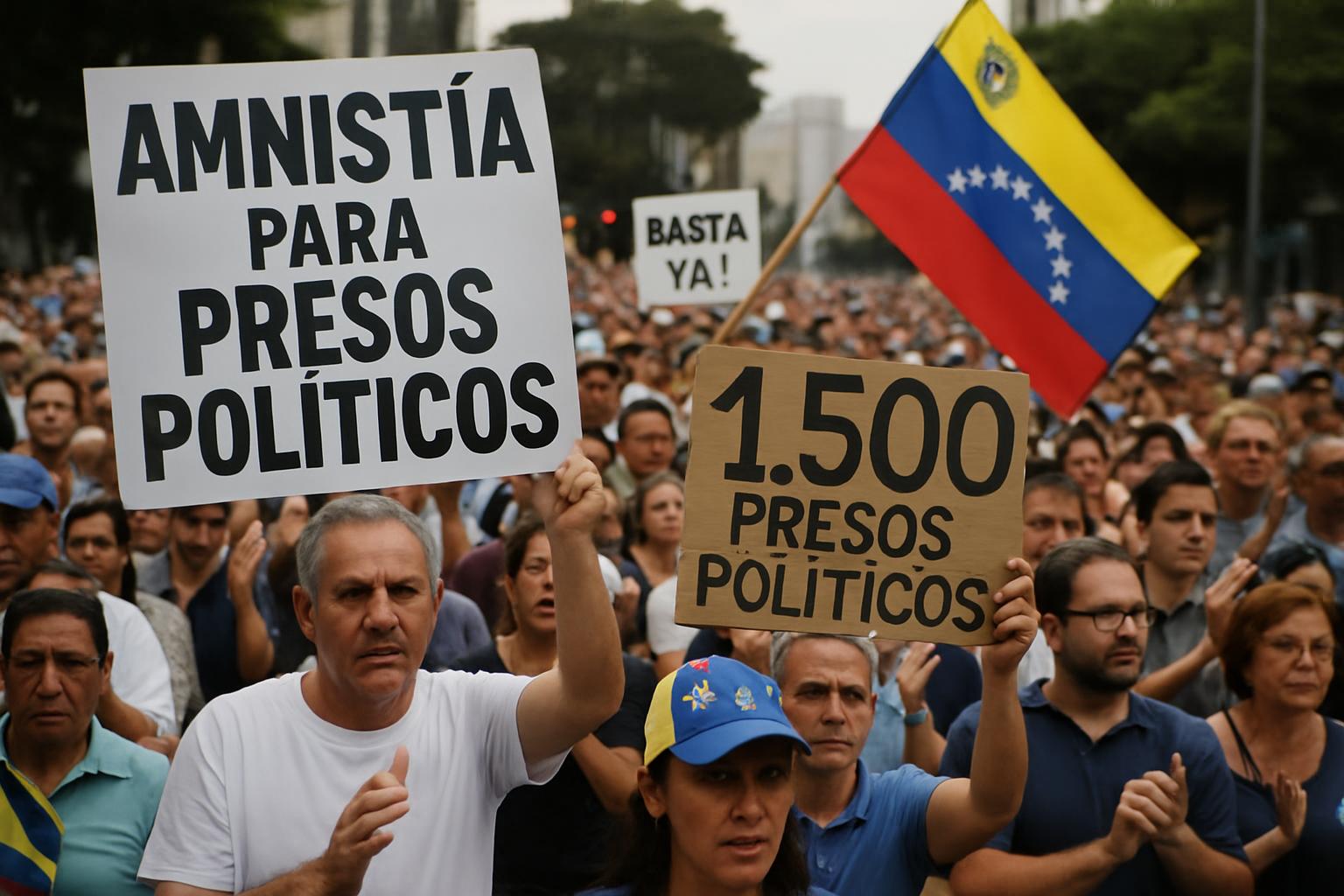
Venezuelan Political Prisoners Seek Amnesty Amidst Hopes for Democratic Transition

Cuba Faces Widespread Blackout Amid Deepening Fuel Crisis
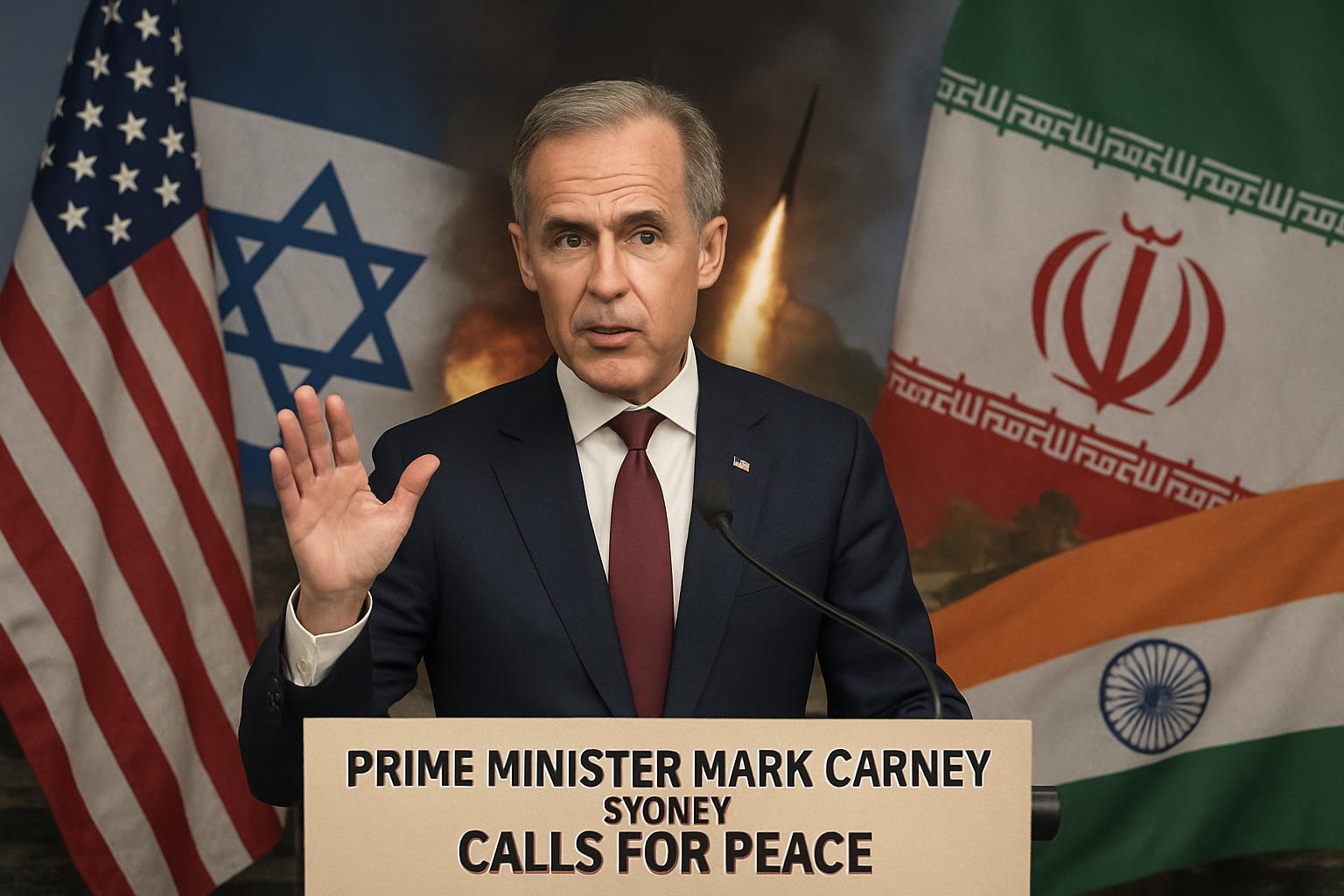
Canada Calls for De-escalation Amid US-Israel Strikes on Iran
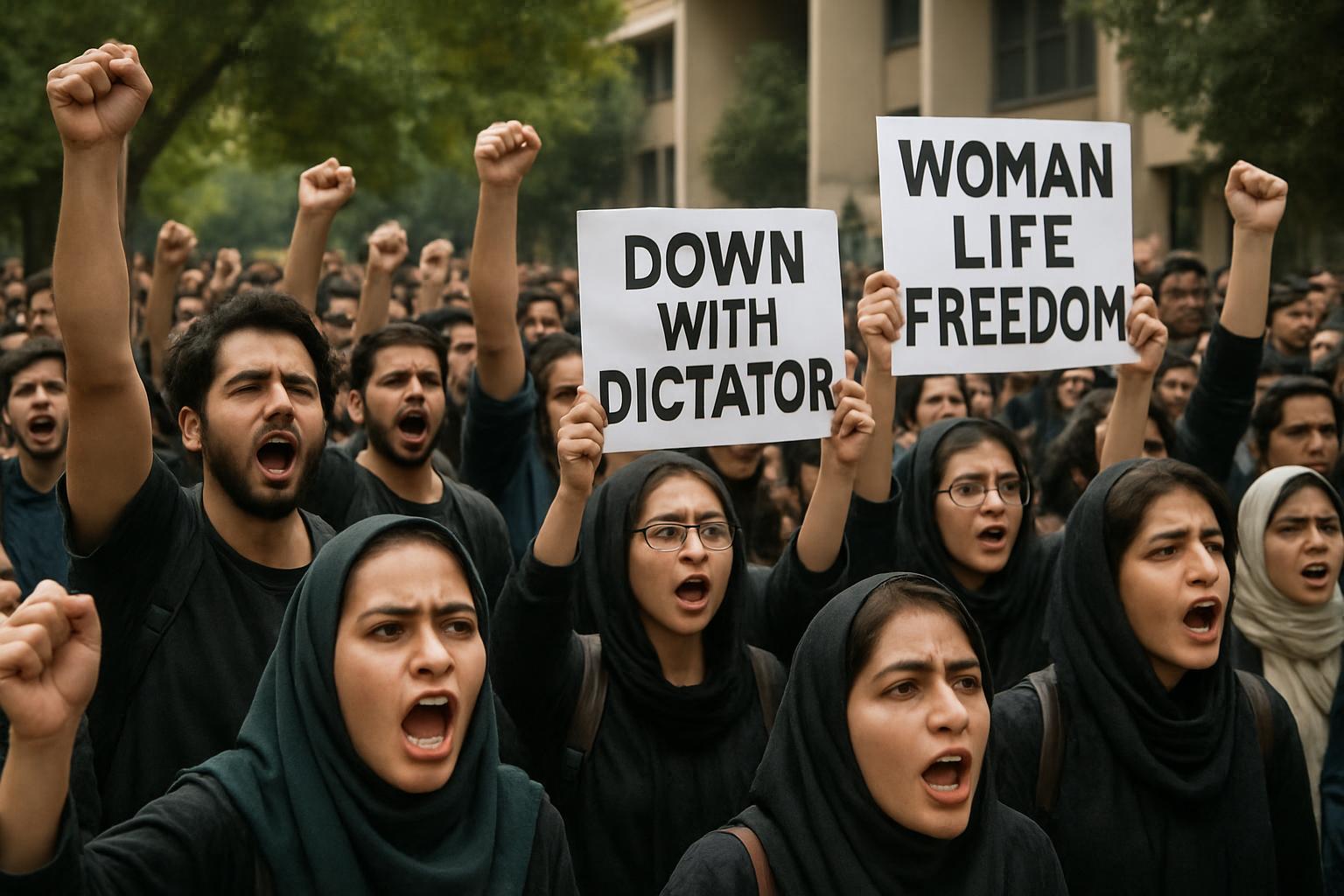
Iranian Students Lead Major Protests Amid Rising US-Iran Tensions
US Seizes Second Oil Tanker Amid Rising Tensions with Venezuela
In This Article
 Ethan Brooks| Published
 HIGHLIGHTS
- The US has seized a second oil tanker, the Centuries, off Venezuela's coast, escalating tensions between the two nations.
- The US claims the seizures are part of efforts to curb the illicit movement of sanctioned oil funding narco-terrorism.
- Venezuela condemns the actions as theft and plans to file a complaint with the UN Security Council.
- The Centuries, a Panamanian-flagged vessel, was intercepted in international waters and is not on the US sanctions list.
- President Trump has not ruled out military action against Venezuela, further straining Venezuela-US relations.
In a bold move that has further strained relations between the United States and Venezuela, US forces have seized a second oil tanker off the Venezuelan coast. The vessel, named Centuries, was intercepted in international waters east of Barbados, according to the US Department of Homeland Security. This action follows the earlier seizure of another tanker on December 10, as part of the Trump administration's intensified blockade against Venezuelan oil exports.
US Justifies Seizure as Anti-Terrorism Measure
Homeland Security Secretary Kristi Noem stated that the operation was conducted by the US Coast Guard with support from the Department of Defense. In a statement on social media platform X, Noem emphasized the US's commitment to halting the illicit movement of sanctioned oil, which is allegedly used to fund narco-terrorism in the region. "We will find you, and we will stop you," she declared, underscoring the administration's hardline stance.
Venezuela's Strong Rebuttal
The Venezuelan government has vehemently condemned the US actions, labeling them as "theft and kidnapping." In a statement, Venezuela announced its intention to lodge a formal complaint with the UN Security Council and other international bodies. The government accused the US of attempting to steal its resources, a charge it has made repeatedly in the past.
Escalating Military Presence
The seizure of the Centuries, a Panamanian-flagged ship not listed among US-sanctioned vessels, marks an escalation in the enforcement of the US blockade. The Trump administration has suggested that any vessel carrying Venezuelan oil could be targeted. Meanwhile, President Nicolás Maduro has urged Venezuela's navy to escort oil tankers, defying the US's significant military presence in the region.
Potential for Conflict
President Trump has not ruled out the possibility of military action against Venezuela. In a recent interview, he stated that going to war with Maduro's regime remains an option. This rhetoric, combined with the US's recent military strikes on alleged Venezuelan drug-smuggling boats, has heightened tensions and drawn scrutiny from Congress.
WHAT THIS MIGHT MEAN
The recent seizures of oil tankers by the US could lead to heightened diplomatic tensions and potential legal battles at international forums such as the UN Security Council. Venezuela's planned complaint may rally support from other nations critical of US foreign policy, potentially isolating the US diplomatically. Furthermore, the possibility of military conflict looms, especially if Venezuela continues to defy the US blockade. Experts suggest that a diplomatic resolution, possibly involving negotiations over sanctions and oil exports, could avert further escalation. However, with both nations entrenched in their positions, the path to de-escalation remains uncertain.
Images from the Web
Related Articles
Iran Postpones Khamenei Funeral Amid Escalating US-Israeli Strikes
US-Iran Tensions Escalate Amid Renewed Nuclear Talks and Protests
Venezuelan Political Prisoners Seek Amnesty Amidst Hopes for Democratic Transition
Cuba Faces Widespread Blackout Amid Deepening Fuel Crisis
Canada Calls for De-escalation Amid US-Israel Strikes on Iran
Iranian Students Lead Major Protests Amid Rising US-Iran Tensions