
US Seizure of Venezuelan Oil Tanker Sparks Concerns Over Escalating Tensions
In This Article
HIGHLIGHTS
- The US seized a Venezuelan oil tanker, escalating tensions and sparking bipartisan concern over potential conflict.
- President Trump claims the seizure is part of efforts to curb drug trafficking, though critics argue it aims for regime change.
- Venezuela holds the world's largest oil reserves, but production has plummeted due to sanctions and infrastructure issues.
- US lawmakers express unease over the military's increased presence in the Caribbean, fearing it could lead to war.
- The Trump administration's actions have been criticized for inconsistent messaging and unclear objectives regarding Venezuela.
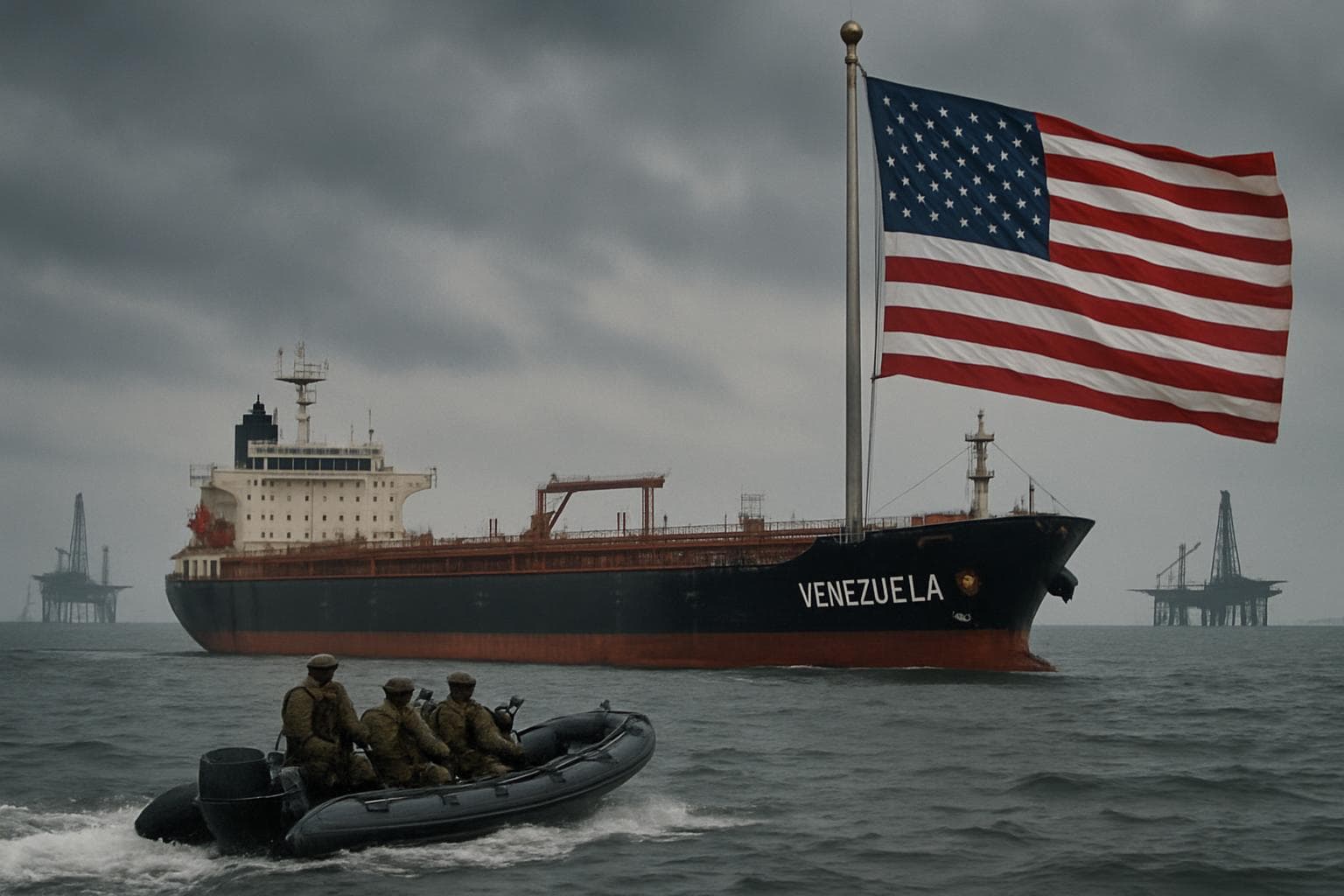
The recent seizure of a Venezuelan oil tanker by the United States has intensified debates over the Trump administration's intentions in the region, with critics accusing the White House of potentially provoking a conflict with Venezuela. The tanker, allegedly transporting oil in violation of US sanctions, was seized off the Venezuelan coast, marking the largest such operation to date.
US Sanctions and Military Actions
The Trump administration has justified its actions by citing efforts to combat drug trafficking, accusing Venezuelan President Nicolás Maduro of facilitating narcotics shipments to the US. However, the seizure has drawn criticism from both Democratic and Republican lawmakers, who question the true motives behind the military's increased presence in the Caribbean. Senator Chris Van Hollen described the administration's narrative as misleading, suggesting the real aim is regime change in Venezuela.
Venezuela's Oil Reserves and Production Challenges
Venezuela is home to the world's largest proven oil reserves, estimated at 303 billion barrels. Despite this, the country's oil production has drastically declined, now accounting for less than 1% of global consumption. Sanctions, initially imposed in 2015 under President Obama for alleged human rights violations, have further isolated Venezuela from necessary investments and resources. Callum McPherson of Investec highlights the country's infrastructure challenges as a significant barrier to reviving its oil industry.
Political Reactions and Concerns
The tanker seizure has sparked bipartisan unease in Washington, with some lawmakers warning of the potential for conflict. Senator Rand Paul criticized the action as an "initiation of war," while Senator Chris Coons expressed concern over the administration's lack of clear strategy. The Trump administration's mixed messaging has left many uncertain about its true objectives, with Senate Minority Leader Chuck Schumer noting the difficulty in discerning the president's intentions.
WHAT THIS MIGHT MEAN
The seizure of the Venezuelan oil tanker could have significant implications for US-Venezuela relations. If the Trump administration continues its aggressive stance, it risks further destabilizing the region and potentially leading to military conflict. Experts suggest that a diplomatic approach, focusing on dialogue and negotiation, may be more effective in addressing the underlying issues. Additionally, the ongoing economic and humanitarian crisis in Venezuela could worsen if tensions escalate, impacting regional stability and international relations.
Images from the Web
Related Articles
Spain's Sánchez Stands Firm Against Trump's Trade Threat Over Iran Stance
Iran Postpones Khamenei Funeral Amid Escalating US-Israeli Strikes
US-Iran Tensions Escalate Amid Renewed Nuclear Talks and Protests
Venezuelan Political Prisoners Seek Amnesty Amidst Hopes for Democratic Transition
Trump Criticizes Supreme Court After Tariff Ruling, Imposes New Global Tariff

Tech Giants Pledge to Cover AI Data Center Energy Costs Amid Rising Electricity Concerns
US Seizure of Venezuelan Oil Tanker Sparks Concerns Over Escalating Tensions
In This Article
 Ethan Brooks| Published
 HIGHLIGHTS
- The US seized a Venezuelan oil tanker, escalating tensions and sparking bipartisan concern over potential conflict.
- President Trump claims the seizure is part of efforts to curb drug trafficking, though critics argue it aims for regime change.
- Venezuela holds the world's largest oil reserves, but production has plummeted due to sanctions and infrastructure issues.
- US lawmakers express unease over the military's increased presence in the Caribbean, fearing it could lead to war.
- The Trump administration's actions have been criticized for inconsistent messaging and unclear objectives regarding Venezuela.
The recent seizure of a Venezuelan oil tanker by the United States has intensified debates over the Trump administration's intentions in the region, with critics accusing the White House of potentially provoking a conflict with Venezuela. The tanker, allegedly transporting oil in violation of US sanctions, was seized off the Venezuelan coast, marking the largest such operation to date.
US Sanctions and Military Actions
The Trump administration has justified its actions by citing efforts to combat drug trafficking, accusing Venezuelan President Nicolás Maduro of facilitating narcotics shipments to the US. However, the seizure has drawn criticism from both Democratic and Republican lawmakers, who question the true motives behind the military's increased presence in the Caribbean. Senator Chris Van Hollen described the administration's narrative as misleading, suggesting the real aim is regime change in Venezuela.
Venezuela's Oil Reserves and Production Challenges
Venezuela is home to the world's largest proven oil reserves, estimated at 303 billion barrels. Despite this, the country's oil production has drastically declined, now accounting for less than 1% of global consumption. Sanctions, initially imposed in 2015 under President Obama for alleged human rights violations, have further isolated Venezuela from necessary investments and resources. Callum McPherson of Investec highlights the country's infrastructure challenges as a significant barrier to reviving its oil industry.
Political Reactions and Concerns
The tanker seizure has sparked bipartisan unease in Washington, with some lawmakers warning of the potential for conflict. Senator Rand Paul criticized the action as an "initiation of war," while Senator Chris Coons expressed concern over the administration's lack of clear strategy. The Trump administration's mixed messaging has left many uncertain about its true objectives, with Senate Minority Leader Chuck Schumer noting the difficulty in discerning the president's intentions.
WHAT THIS MIGHT MEAN
The seizure of the Venezuelan oil tanker could have significant implications for US-Venezuela relations. If the Trump administration continues its aggressive stance, it risks further destabilizing the region and potentially leading to military conflict. Experts suggest that a diplomatic approach, focusing on dialogue and negotiation, may be more effective in addressing the underlying issues. Additionally, the ongoing economic and humanitarian crisis in Venezuela could worsen if tensions escalate, impacting regional stability and international relations.
Images from the Web
Related Articles
Spain's Sánchez Stands Firm Against Trump's Trade Threat Over Iran Stance
Iran Postpones Khamenei Funeral Amid Escalating US-Israeli Strikes
US-Iran Tensions Escalate Amid Renewed Nuclear Talks and Protests
Venezuelan Political Prisoners Seek Amnesty Amidst Hopes for Democratic Transition
Trump Criticizes Supreme Court After Tariff Ruling, Imposes New Global Tariff
Tech Giants Pledge to Cover AI Data Center Energy Costs Amid Rising Electricity Concerns