
US Senate Moves to Preserve HIV/AIDS Funding Amid Broader Spending Cuts
In This Article
HIGHLIGHTS
- The US Senate plans to exempt the Pepfar program from $400 million in proposed spending cuts, preserving its funding amid broader budget reductions.
- The rescissions package aims to slash $9 billion, targeting foreign aid and public broadcasting, with a deadline for approval by Friday.
- Senate Republicans, led by John Thune, are pushing for the bill's passage, emphasizing the need to control government spending.
- The bill's passage requires another vote in the House and has sparked debate over its impact on global aid and public media.
- The White House supports the Senate amendment, indicating President Trump would sign the bill if it reaches his desk.
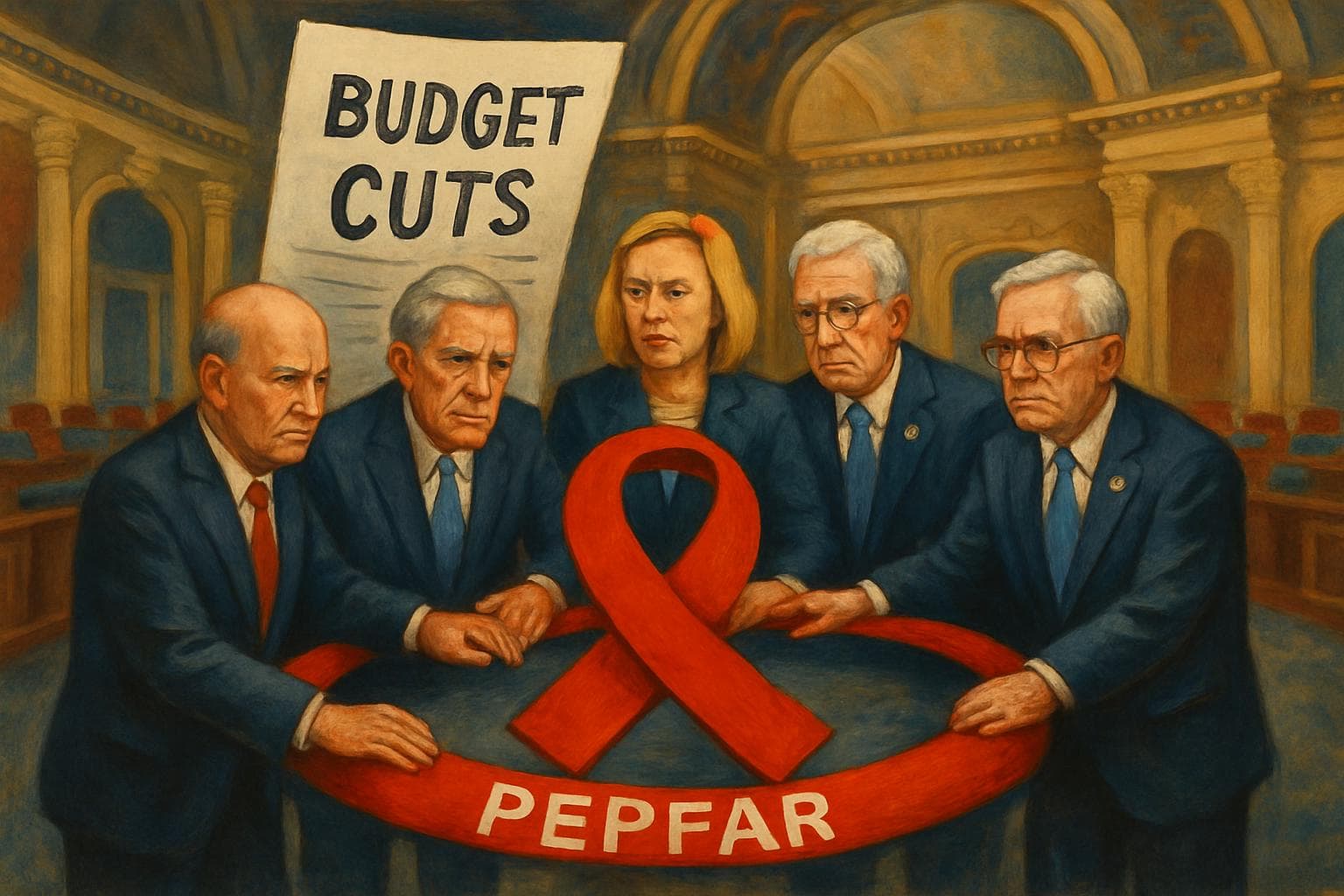
In a significant development, the US Senate has decided to protect the President's Emergency Plan for AIDS Relief (Pepfar) from proposed budget cuts, amid a larger effort to reduce government spending. The decision comes as part of a rescissions package aimed at slashing $9 billion from previously approved funds, primarily targeting foreign aid and public broadcasting.
Pepfar Funding Secured
The Senate's move to exempt the $400 million cut from the Pepfar program, which has been instrumental in saving millions of lives since its inception under President George W. Bush, marks a critical turning point. The program, particularly vital in Africa, faced potential funding reductions that could have severely impacted HIV/AIDS clinics and access to life-saving treatments.
Senator Susan Collins of Maine expressed her satisfaction with the decision, stating, "I am very pleased that the cuts to Pepfar will be removed." The amendment to preserve Pepfar funding has garnered bipartisan support, reflecting the program's global significance.
Broader Budget Cuts and Legislative Process
The rescissions package, championed by Senate Majority Leader John Thune, seeks to address what Republicans describe as "waste, fraud, and abuse" in government spending. The package includes significant reductions in foreign aid and funding for the Corporation for Public Broadcasting, which supports NPR and PBS.
The bill's passage requires a final vote in the Senate, followed by another vote in the House of Representatives. The White House, led by President Donald Trump, has expressed support for the Senate's amendment, indicating readiness to sign the bill into law if it reaches his desk by the Friday deadline.
Debate and Implications
The proposed cuts have sparked debate among lawmakers, with concerns about the impact on impoverished communities worldwide and the future of public media. Senate Minority Leader Chuck Schumer warned that the bill could pave the way for deeper cuts in essential services like healthcare and food assistance.
Despite these concerns, the majority of Senate Republicans support the bill, viewing it as a necessary step to address the nation's $36 trillion debt. The White House has actively engaged with senators to address their concerns and secure the bill's passage.
WHAT THIS MIGHT MEAN
As the rescissions package moves through the legislative process, its implications could be far-reaching. If passed, the bill could set a precedent for future spending cuts, potentially reshaping government services and foreign aid priorities. Experts warn that reduced funding for public broadcasting and international aid could have long-term impacts on media diversity and global health initiatives.
Politically, the bill's passage could strengthen the Trump administration's position on fiscal conservatism, appealing to its base. However, it may also deepen partisan divides, as Democrats and some moderate Republicans express concerns over the potential consequences of such significant budget reductions.
Looking ahead, the outcome of this legislative effort will likely influence future debates on government spending and the prioritization of domestic versus international commitments.
Related Articles
Senate Blocks Resolution to Limit Trump's Military Actions in Iran
Congress Subpoenas Attorney General Bondi in Epstein Investigation

Tech Giants Pledge to Cover AI Data Center Energy Costs Amid Rising Electricity Concerns

Spain's Sánchez Stands Firm Against Trump's Trade Threat Over Iran Stance
Trump's New Tariff Strategy Sparks Global Trade Uncertainty

Cuba Faces Widespread Blackout Amid Deepening Fuel Crisis
US Senate Moves to Preserve HIV/AIDS Funding Amid Broader Spending Cuts
In This Article
 Alex Carter| Published
 HIGHLIGHTS
- The US Senate plans to exempt the Pepfar program from $400 million in proposed spending cuts, preserving its funding amid broader budget reductions.
- The rescissions package aims to slash $9 billion, targeting foreign aid and public broadcasting, with a deadline for approval by Friday.
- Senate Republicans, led by John Thune, are pushing for the bill's passage, emphasizing the need to control government spending.
- The bill's passage requires another vote in the House and has sparked debate over its impact on global aid and public media.
- The White House supports the Senate amendment, indicating President Trump would sign the bill if it reaches his desk.
In a significant development, the US Senate has decided to protect the President's Emergency Plan for AIDS Relief (Pepfar) from proposed budget cuts, amid a larger effort to reduce government spending. The decision comes as part of a rescissions package aimed at slashing $9 billion from previously approved funds, primarily targeting foreign aid and public broadcasting.
Pepfar Funding Secured
The Senate's move to exempt the $400 million cut from the Pepfar program, which has been instrumental in saving millions of lives since its inception under President George W. Bush, marks a critical turning point. The program, particularly vital in Africa, faced potential funding reductions that could have severely impacted HIV/AIDS clinics and access to life-saving treatments.
Senator Susan Collins of Maine expressed her satisfaction with the decision, stating, "I am very pleased that the cuts to Pepfar will be removed." The amendment to preserve Pepfar funding has garnered bipartisan support, reflecting the program's global significance.
Broader Budget Cuts and Legislative Process
The rescissions package, championed by Senate Majority Leader John Thune, seeks to address what Republicans describe as "waste, fraud, and abuse" in government spending. The package includes significant reductions in foreign aid and funding for the Corporation for Public Broadcasting, which supports NPR and PBS.
The bill's passage requires a final vote in the Senate, followed by another vote in the House of Representatives. The White House, led by President Donald Trump, has expressed support for the Senate's amendment, indicating readiness to sign the bill into law if it reaches his desk by the Friday deadline.
Debate and Implications
The proposed cuts have sparked debate among lawmakers, with concerns about the impact on impoverished communities worldwide and the future of public media. Senate Minority Leader Chuck Schumer warned that the bill could pave the way for deeper cuts in essential services like healthcare and food assistance.
Despite these concerns, the majority of Senate Republicans support the bill, viewing it as a necessary step to address the nation's $36 trillion debt. The White House has actively engaged with senators to address their concerns and secure the bill's passage.
WHAT THIS MIGHT MEAN
As the rescissions package moves through the legislative process, its implications could be far-reaching. If passed, the bill could set a precedent for future spending cuts, potentially reshaping government services and foreign aid priorities. Experts warn that reduced funding for public broadcasting and international aid could have long-term impacts on media diversity and global health initiatives.
Politically, the bill's passage could strengthen the Trump administration's position on fiscal conservatism, appealing to its base. However, it may also deepen partisan divides, as Democrats and some moderate Republicans express concerns over the potential consequences of such significant budget reductions.
Looking ahead, the outcome of this legislative effort will likely influence future debates on government spending and the prioritization of domestic versus international commitments.
Related Articles
Senate Blocks Resolution to Limit Trump's Military Actions in Iran
Congress Subpoenas Attorney General Bondi in Epstein Investigation
Tech Giants Pledge to Cover AI Data Center Energy Costs Amid Rising Electricity Concerns
Spain's Sánchez Stands Firm Against Trump's Trade Threat Over Iran Stance
Trump's New Tariff Strategy Sparks Global Trade Uncertainty
Cuba Faces Widespread Blackout Amid Deepening Fuel Crisis