
US Backs Delcy Rodríguez as Venezuela's Acting President Amid Political Turmoil
In This Article
HIGHLIGHTS
- Delcy Rodríguez, a former ally of Nicolás Maduro, has been installed as Venezuela's acting president with US backing.
- The Trump administration prioritizes stability over democracy, opting to maintain key figures from Maduro's regime.
- Diosdado Cabello, Venezuela's hardline interior minister, has been warned by the US that he could be next to fall if he opposes Rodríguez.
- The US aims to secure access to Venezuelan oil while avoiding chaos and promoting reconciliation among opposition forces.
- Opposition leader María Corina Machado rejects Rodríguez's authority and anticipates new elections.
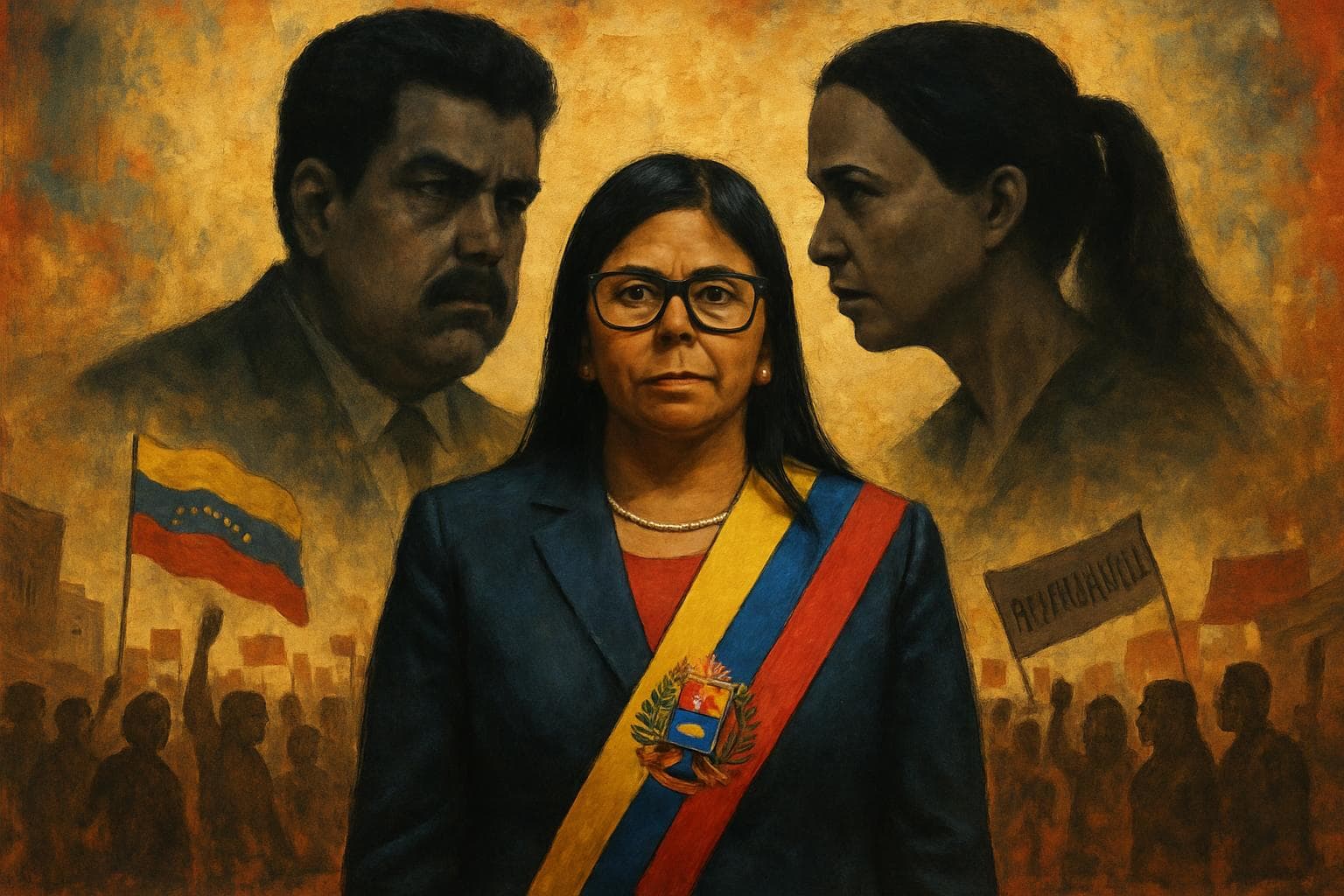
In a surprising turn of events, Delcy Rodríguez has been appointed as Venezuela's acting president following the ousting of Nicolás Maduro. The Trump administration's decision to support Rodríguez, a former ally of Maduro, has sparked widespread debate over the prioritization of stability over democratic processes in the crisis-stricken nation.
US Prioritizes Stability Over Democracy
The choice to back Rodríguez, a known "Chavista" revolutionary, over opposition leader María Corina Machado, who claims to have won the 2024 presidential elections, has raised eyebrows. Charles Shapiro, a former US ambassador to Venezuela, explained, "They've gone for stability over democracy." The decision reflects concerns about potential infighting among opposition figures and the risk of alienating the 30% of Venezuelans who supported Maduro.
Warnings to Diosdado Cabello
Diosdado Cabello, Venezuela's hardline interior minister, has been put on notice by the US. Reports suggest that Cabello, seen as a key figure in Maduro's regime, could face a similar fate if he opposes Rodríguez. The US aims to maintain stability while ensuring access to Venezuela's oil resources. Secretary of State Marco Rubio outlined a three-step strategy: stabilizing the country, securing fair market access, and promoting reconciliation among opposition forces.
Opposition Leader Machado's Response
María Corina Machado, the Venezuelan opposition leader, has rejected Rodríguez's authority and vowed to return to Venezuela. She expects new elections to be called soon, asserting, "In free and fair elections, we will win more than 90% of the votes." Meanwhile, the US continues to enforce a blockade against vessels transporting Venezuelan oil, aiming to curb illicit activities.
WHAT THIS MIGHT MEAN
The US's decision to back Delcy Rodríguez could lead to a period of relative stability in Venezuela, but it also risks alienating opposition supporters who view the move as undermining democratic principles. If Diosdado Cabello chooses to defy the US-backed administration, it could result in further political upheaval. The international community will closely watch how the situation unfolds, particularly regarding Venezuela's oil exports and the potential for new elections. As the US seeks to balance stability with democratic ideals, the long-term implications for US-Venezuela relations remain uncertain.
Related Articles
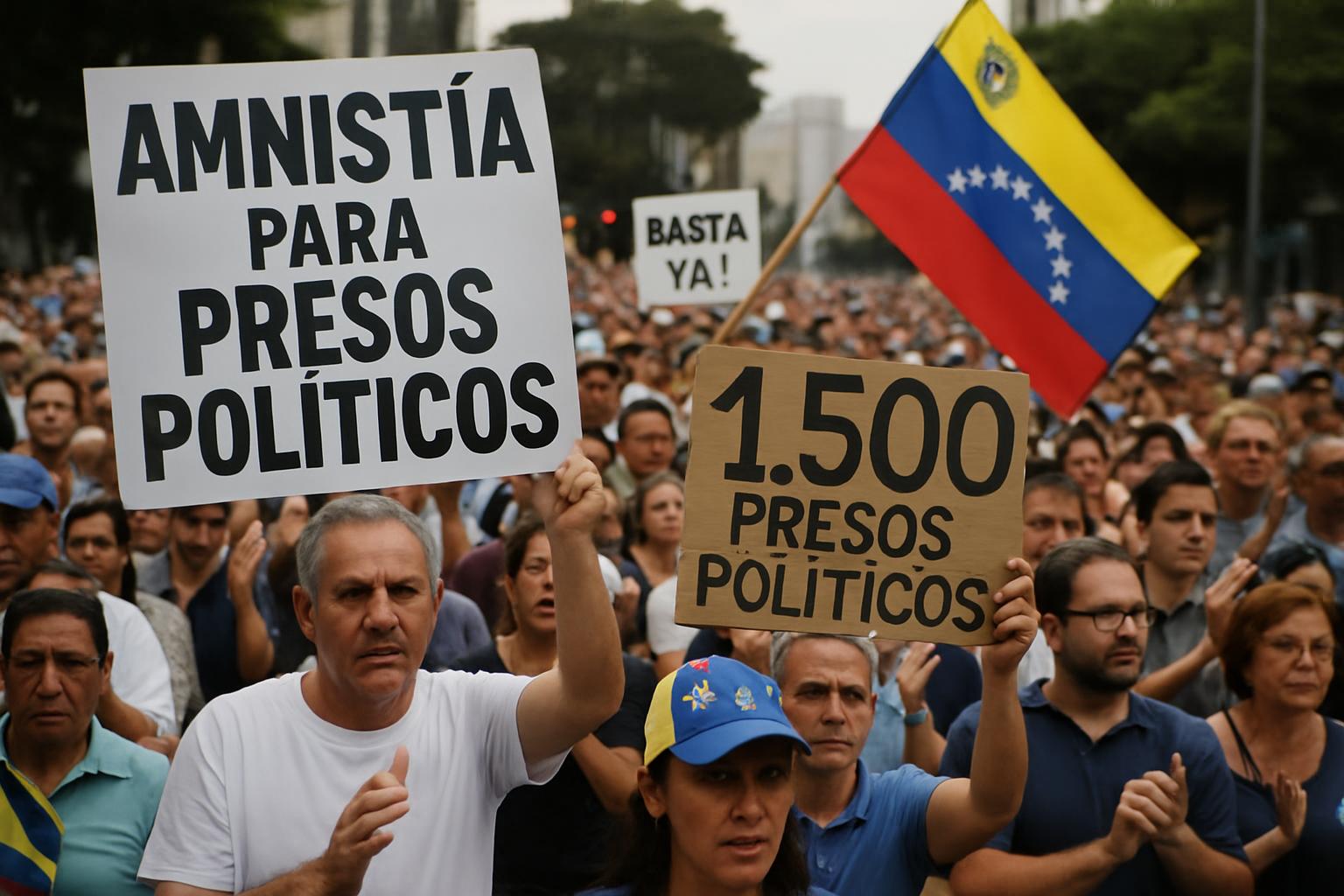
Venezuelan Political Prisoners Seek Amnesty Amidst Hopes for Democratic Transition
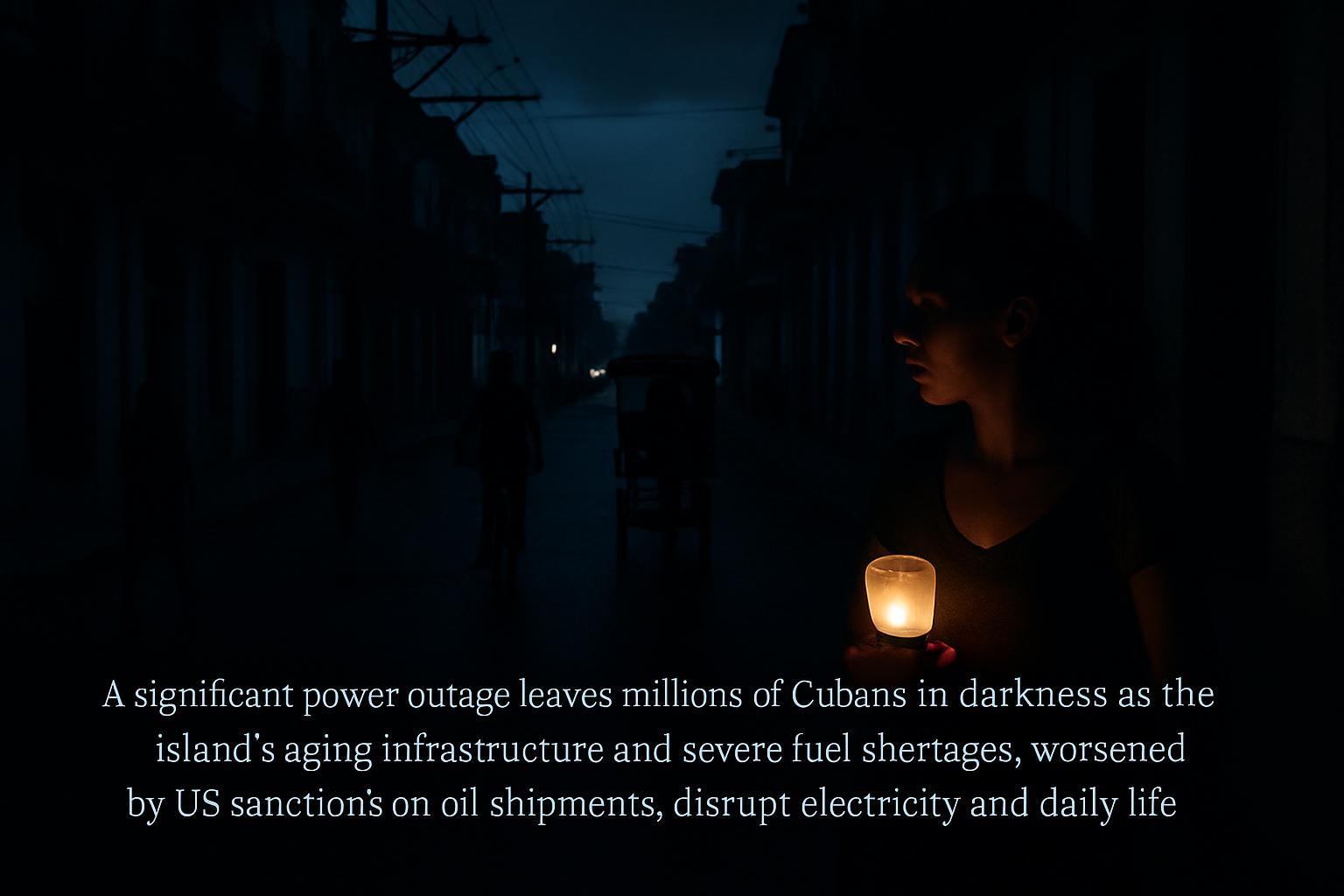
Cuba Faces Widespread Blackout Amid Deepening Fuel Crisis

Tech Giants Pledge to Cover AI Data Center Energy Costs Amid Rising Electricity Concerns
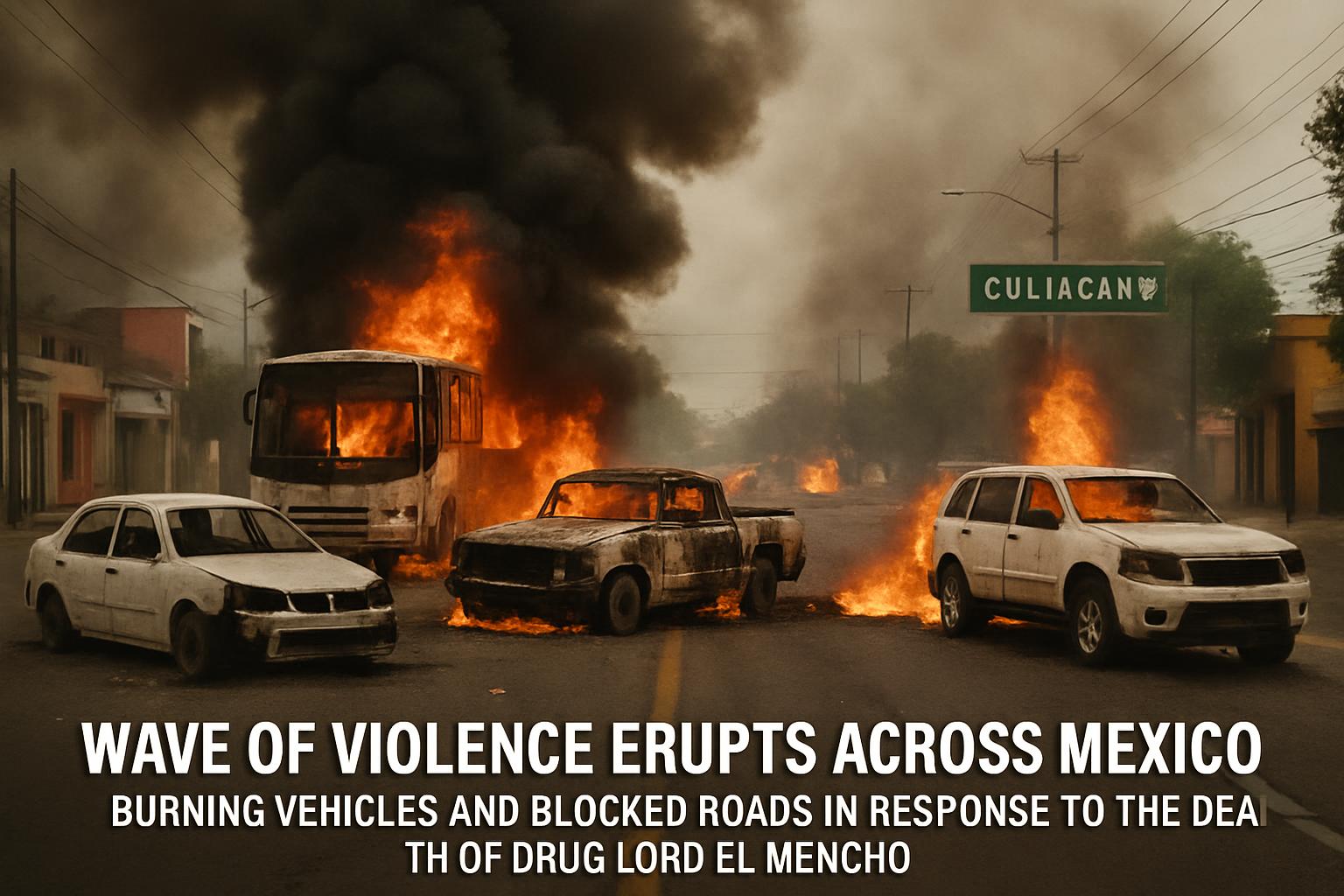
Violence Erupts Across Mexico Following Death of Drug Lord El Mencho
Canada and Australia Forge Strategic Partnership Amid Global Uncertainty

Middle East Conflict Drives UK Energy Prices to New Highs
US Backs Delcy Rodríguez as Venezuela's Acting President Amid Political Turmoil
In This Article
HIGHLIGHTS
- Delcy Rodríguez, a former ally of Nicolás Maduro, has been installed as Venezuela's acting president with US backing.
- The Trump administration prioritizes stability over democracy, opting to maintain key figures from Maduro's regime.
- Diosdado Cabello, Venezuela's hardline interior minister, has been warned by the US that he could be next to fall if he opposes Rodríguez.
- The US aims to secure access to Venezuelan oil while avoiding chaos and promoting reconciliation among opposition forces.
- Opposition leader María Corina Machado rejects Rodríguez's authority and anticipates new elections.
In a surprising turn of events, Delcy Rodríguez has been appointed as Venezuela's acting president following the ousting of Nicolás Maduro. The Trump administration's decision to support Rodríguez, a former ally of Maduro, has sparked widespread debate over the prioritization of stability over democratic processes in the crisis-stricken nation.
US Prioritizes Stability Over Democracy
The choice to back Rodríguez, a known "Chavista" revolutionary, over opposition leader María Corina Machado, who claims to have won the 2024 presidential elections, has raised eyebrows. Charles Shapiro, a former US ambassador to Venezuela, explained, "They've gone for stability over democracy." The decision reflects concerns about potential infighting among opposition figures and the risk of alienating the 30% of Venezuelans who supported Maduro.
Warnings to Diosdado Cabello
Diosdado Cabello, Venezuela's hardline interior minister, has been put on notice by the US. Reports suggest that Cabello, seen as a key figure in Maduro's regime, could face a similar fate if he opposes Rodríguez. The US aims to maintain stability while ensuring access to Venezuela's oil resources. Secretary of State Marco Rubio outlined a three-step strategy: stabilizing the country, securing fair market access, and promoting reconciliation among opposition forces.
Opposition Leader Machado's Response
María Corina Machado, the Venezuelan opposition leader, has rejected Rodríguez's authority and vowed to return to Venezuela. She expects new elections to be called soon, asserting, "In free and fair elections, we will win more than 90% of the votes." Meanwhile, the US continues to enforce a blockade against vessels transporting Venezuelan oil, aiming to curb illicit activities.
WHAT THIS MIGHT MEAN
The US's decision to back Delcy Rodríguez could lead to a period of relative stability in Venezuela, but it also risks alienating opposition supporters who view the move as undermining democratic principles. If Diosdado Cabello chooses to defy the US-backed administration, it could result in further political upheaval. The international community will closely watch how the situation unfolds, particularly regarding Venezuela's oil exports and the potential for new elections. As the US seeks to balance stability with democratic ideals, the long-term implications for US-Venezuela relations remain uncertain.
Related Articles
Venezuelan Political Prisoners Seek Amnesty Amidst Hopes for Democratic Transition
Cuba Faces Widespread Blackout Amid Deepening Fuel Crisis
Tech Giants Pledge to Cover AI Data Center Energy Costs Amid Rising Electricity Concerns
Violence Erupts Across Mexico Following Death of Drug Lord El Mencho
Canada and Australia Forge Strategic Partnership Amid Global Uncertainty
Middle East Conflict Drives UK Energy Prices to New Highs