
US Operation Targets Venezuelan Leader Amid Calls for Diplomatic Talks
In This Article
HIGHLIGHTS
- The US conducted a covert operation, "Operation Absolute Resolve," targeting Venezuelan President Nicolás Maduro, which was not disclosed to Congress.
- The mission, executed by elite US troops, involved meticulous planning and was launched after a delay due to weather conditions.
- Nicolás Maduro has called for "serious talks" with the Trump administration, urging an end to what he describes as "illegal warmongering."
- The operation has drawn international criticism, with Brazil's President Lula da Silva warning of dangerous precedents.
- Maduro refutes US claims of his involvement in drug trafficking, suggesting the US aims to control Venezuelan resources.
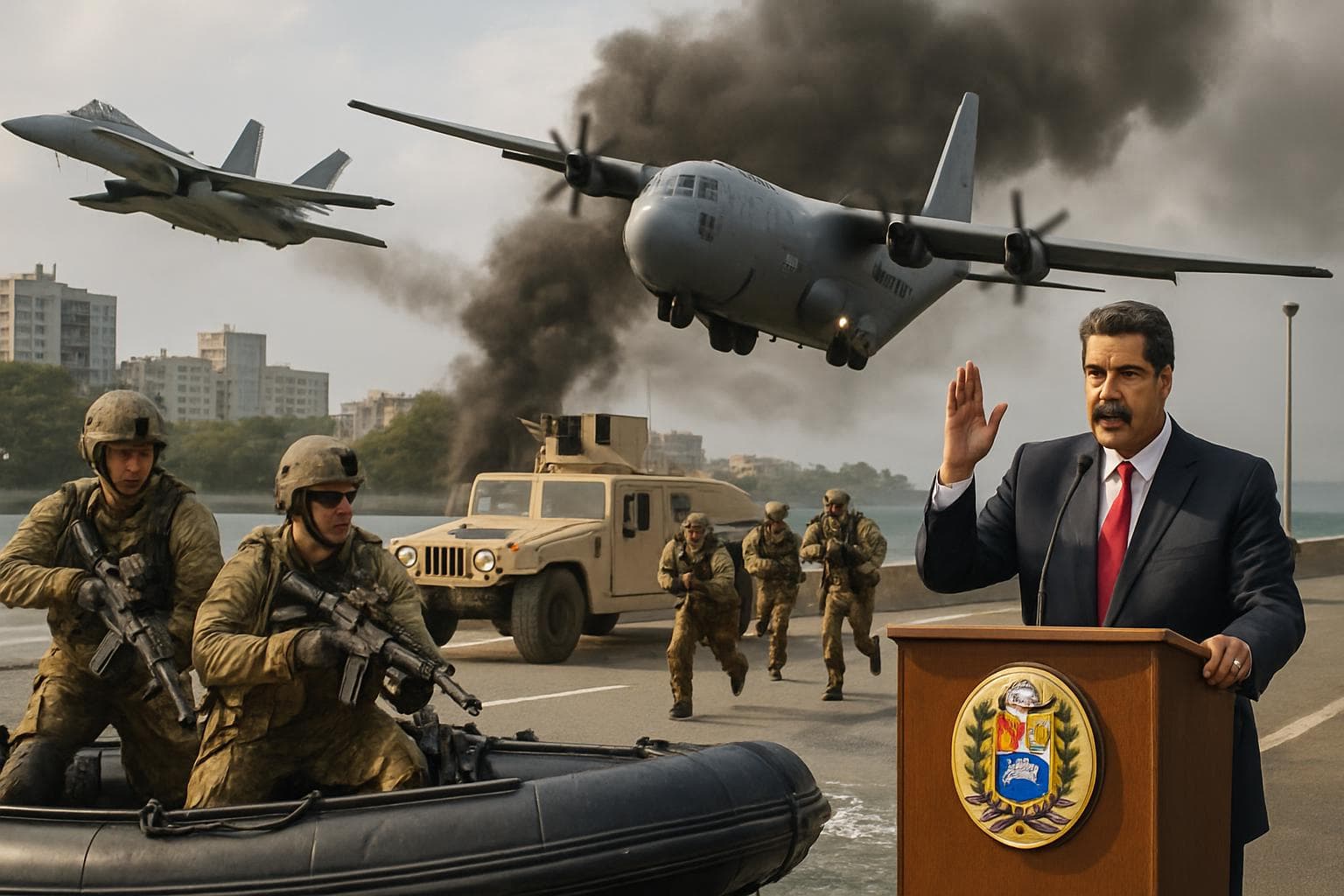
In a bold and secretive move, the United States launched "Operation Absolute Resolve," a military intervention targeting Venezuelan President Nicolás Maduro. The operation, which was not disclosed to Congress, unfolded over two hours and twenty minutes, involving air, land, and sea maneuvers. The mission's execution followed months of meticulous planning, including the construction of a full-size replica of Maduro's safe house for practice.
Operation Details and Execution
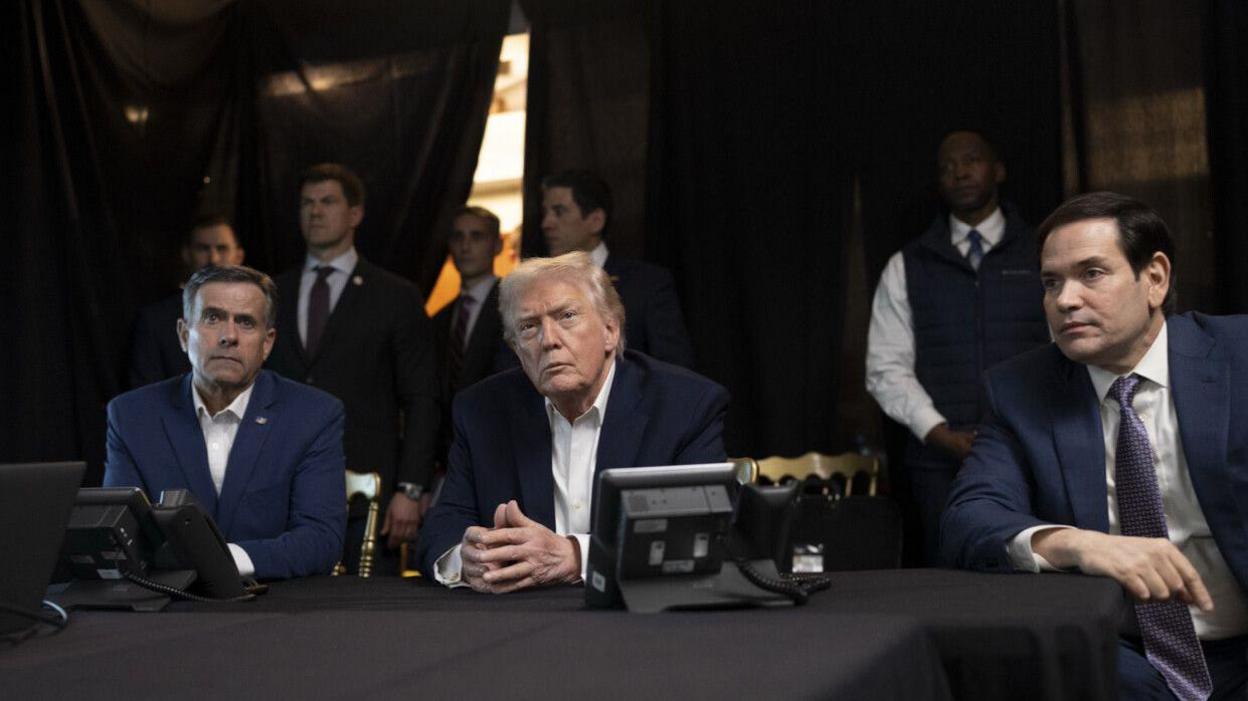
The operation was greenlit by President Donald Trump late on a Friday night, after a brief delay due to unfavorable weather conditions. The mission, described by Trump as "an incredible thing to see," was monitored live from his Mar-a-Lago club in Florida, alongside CIA Director John Ratcliffe and Secretary of State Marco Rubio. The scale and precision of the operation have been likened to Cold War-era interventions, drawing immediate condemnation from international leaders.
International Reactions and Criticism
The operation has sparked significant backlash, with Brazilian President Lula da Silva condemning the action as setting a "dangerous precedent" for international relations. The intervention has raised concerns about the implications of such unilateral actions in Latin America, a region with a complex history of US involvement.
Maduro's Response and Call for Dialogue
In response, Nicolás Maduro has publicly called for "serious talks" with the Trump administration, urging an end to what he terms "illegal warmongering." During a televised interview, Maduro dismissed US allegations of his involvement in drug trafficking, suggesting instead that the US is motivated by a desire to control Venezuela's rich resources, including oil and rare-earth metals.
WHAT THIS MIGHT MEAN
The unfolding situation between the US and Venezuela could have significant implications for international relations and regional stability. If diplomatic talks are initiated, they may pave the way for easing tensions and addressing underlying issues. However, continued military interventions could exacerbate hostilities and lead to broader geopolitical conflicts. Experts suggest that a balanced approach, involving dialogue and cooperation, may be essential to resolving the crisis and ensuring peace in the region.
Images from the Web
Related Articles
Senate Blocks Resolution to Limit Trump's Military Actions in Iran
Cuba Faces Widespread Blackout Amid Deepening Fuel Crisis
Spain's Sánchez Stands Firm Against Trump's Trade Threat Over Iran Stance
Iran Postpones Khamenei Funeral Amid Escalating US-Israeli Strikes

Tech Giants Pledge to Cover AI Data Center Energy Costs Amid Rising Electricity Concerns
Congress Subpoenas Attorney General Bondi in Epstein Investigation
US Operation Targets Venezuelan Leader Amid Calls for Diplomatic Talks
In This Article
 Ethan Brooks| Published
 HIGHLIGHTS
- The US conducted a covert operation, "Operation Absolute Resolve," targeting Venezuelan President Nicolás Maduro, which was not disclosed to Congress.
- The mission, executed by elite US troops, involved meticulous planning and was launched after a delay due to weather conditions.
- Nicolás Maduro has called for "serious talks" with the Trump administration, urging an end to what he describes as "illegal warmongering."
- The operation has drawn international criticism, with Brazil's President Lula da Silva warning of dangerous precedents.
- Maduro refutes US claims of his involvement in drug trafficking, suggesting the US aims to control Venezuelan resources.
In a bold and secretive move, the United States launched "Operation Absolute Resolve," a military intervention targeting Venezuelan President Nicolás Maduro. The operation, which was not disclosed to Congress, unfolded over two hours and twenty minutes, involving air, land, and sea maneuvers. The mission's execution followed months of meticulous planning, including the construction of a full-size replica of Maduro's safe house for practice.
Operation Details and Execution
The operation was greenlit by President Donald Trump late on a Friday night, after a brief delay due to unfavorable weather conditions. The mission, described by Trump as "an incredible thing to see," was monitored live from his Mar-a-Lago club in Florida, alongside CIA Director John Ratcliffe and Secretary of State Marco Rubio. The scale and precision of the operation have been likened to Cold War-era interventions, drawing immediate condemnation from international leaders.
International Reactions and Criticism
The operation has sparked significant backlash, with Brazilian President Lula da Silva condemning the action as setting a "dangerous precedent" for international relations. The intervention has raised concerns about the implications of such unilateral actions in Latin America, a region with a complex history of US involvement.
Maduro's Response and Call for Dialogue
In response, Nicolás Maduro has publicly called for "serious talks" with the Trump administration, urging an end to what he terms "illegal warmongering." During a televised interview, Maduro dismissed US allegations of his involvement in drug trafficking, suggesting instead that the US is motivated by a desire to control Venezuela's rich resources, including oil and rare-earth metals.
WHAT THIS MIGHT MEAN
The unfolding situation between the US and Venezuela could have significant implications for international relations and regional stability. If diplomatic talks are initiated, they may pave the way for easing tensions and addressing underlying issues. However, continued military interventions could exacerbate hostilities and lead to broader geopolitical conflicts. Experts suggest that a balanced approach, involving dialogue and cooperation, may be essential to resolving the crisis and ensuring peace in the region.
Images from the Web
Related Articles
Senate Blocks Resolution to Limit Trump's Military Actions in Iran
Cuba Faces Widespread Blackout Amid Deepening Fuel Crisis
Spain's Sánchez Stands Firm Against Trump's Trade Threat Over Iran Stance
Iran Postpones Khamenei Funeral Amid Escalating US-Israeli Strikes
Tech Giants Pledge to Cover AI Data Center Energy Costs Amid Rising Electricity Concerns
Congress Subpoenas Attorney General Bondi in Epstein Investigation