
Venezuela Bans Major Airlines Amid Escalating Tensions with the US
In This Article
HIGHLIGHTS
- Venezuela banned six major airlines after they missed a deadline to resume flights, citing US "state terrorism."
- The US has deployed a significant military presence near Venezuela, claiming it targets drug trafficking.
- The FAA warned airlines of heightened military activity over Venezuela, prompting flight suspensions.
- Portugal criticized Venezuela's airline ban as "disproportionate," seeking to restore flight operations.
- Both Nicolás Maduro and Donald Trump have shown interest in potential direct talks amid rising tensions.
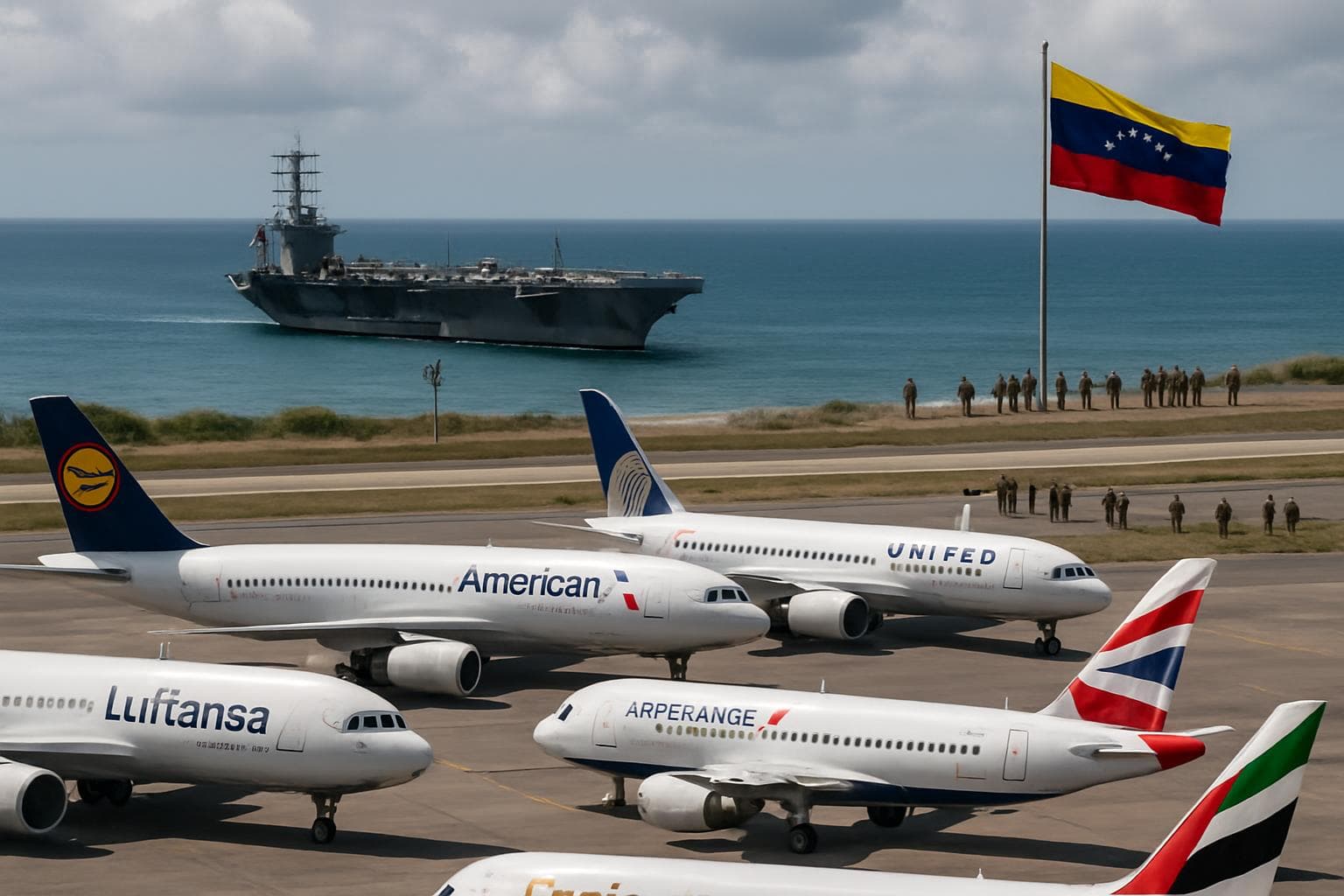
Venezuela has taken a bold step by banning six major international airlines from operating in the country, escalating tensions with the United States. This move comes after the airlines failed to meet a 48-hour deadline to resume flights to Caracas, following a warning from the US Federal Aviation Administration (FAA) about heightened military activity in the region.
Airlines Grounded Amid Accusations
The Venezuelan civil aviation authority announced the suspension of operational permits for Iberia, TAP Portugal, Gol, Latam, Avianca, and Turkish Airlines. The government accused these carriers of participating in "state terrorism" promoted by the US, as they unilaterally suspended commercial operations. This decision has affected thousands of passengers, while smaller airlines continue to fly to Venezuela.
US Military Presence and FAA Warning
The US has deployed a substantial military force, including 15,000 troops and the USS Gerald Ford aircraft carrier, near Venezuelan waters. Officially, this deployment aims to combat drug trafficking, but Venezuelan President Nicolás Maduro views it as an attempt to overthrow his government. The FAA's warning to airlines about a "potentially hazardous situation" over Venezuela led to the suspension of flights by the now-banned airlines.
International Reactions and Diplomatic Efforts
Portugal's foreign affairs minister, Paulo Rangel, criticized Venezuela's decision as "totally disproportionate" and expressed a desire to restore flight operations. Despite the ban, some airlines, like Avianca, have expressed intentions to resume flights once safety conditions improve. Meanwhile, Copa Airlines and its low-cost unit Wingo continue to operate in Venezuela.
Potential for Dialogue Amid Rising Tensions
Amid these developments, both President Maduro and US President Donald Trump have indicated a willingness to engage in direct talks. Trump mentioned the possibility of discussions, stating, "we can do things the easy way, that's fine, and if we have to do it the hard way that's fine, too." Maduro, in a video, appeared to downplay tensions by showcasing Christmas decorations in Caracas.
WHAT THIS MIGHT MEAN
The ban on major airlines and the US military buildup near Venezuela could further strain diplomatic relations between the two countries. If tensions continue to rise, it may lead to increased international pressure on both governments to seek a peaceful resolution. The potential for direct talks between Maduro and Trump could open avenues for negotiation, but the outcome remains uncertain. Experts suggest that any resolution will require addressing the underlying political and economic issues affecting Venezuela, as well as the broader geopolitical dynamics in the region.
Related Articles
Cuba Faces Widespread Blackout Amid Deepening Fuel Crisis
US and Israel Intensify Military Campaign as Iran's Capabilities Dwindle

Intensified US-Israel Strikes on Iran Spark Global Outcry
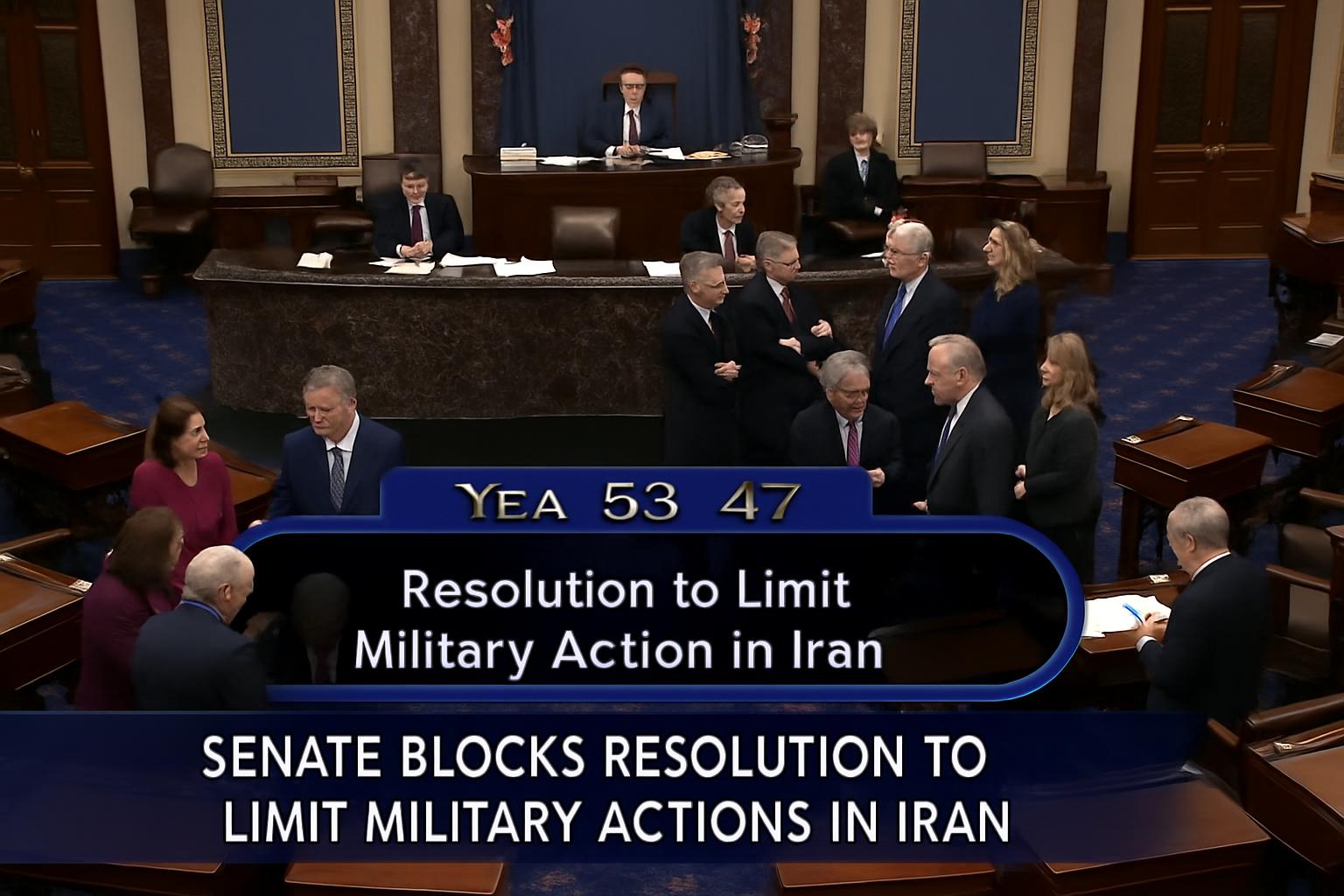
Senate Blocks Resolution to Limit Trump's Military Actions in Iran

UK-Iran Tensions: Starmer Defends Cautious Approach Amid Trump Criticism
Spain's Sánchez Stands Firm Against Trump's Trade Threat Over Iran Stance
Venezuela Bans Major Airlines Amid Escalating Tensions with the US
In This Article
 Ethan Brooks| Published
 HIGHLIGHTS
- Venezuela banned six major airlines after they missed a deadline to resume flights, citing US "state terrorism."
- The US has deployed a significant military presence near Venezuela, claiming it targets drug trafficking.
- The FAA warned airlines of heightened military activity over Venezuela, prompting flight suspensions.
- Portugal criticized Venezuela's airline ban as "disproportionate," seeking to restore flight operations.
- Both Nicolás Maduro and Donald Trump have shown interest in potential direct talks amid rising tensions.
Venezuela has taken a bold step by banning six major international airlines from operating in the country, escalating tensions with the United States. This move comes after the airlines failed to meet a 48-hour deadline to resume flights to Caracas, following a warning from the US Federal Aviation Administration (FAA) about heightened military activity in the region.
Airlines Grounded Amid Accusations
The Venezuelan civil aviation authority announced the suspension of operational permits for Iberia, TAP Portugal, Gol, Latam, Avianca, and Turkish Airlines. The government accused these carriers of participating in "state terrorism" promoted by the US, as they unilaterally suspended commercial operations. This decision has affected thousands of passengers, while smaller airlines continue to fly to Venezuela.
US Military Presence and FAA Warning
The US has deployed a substantial military force, including 15,000 troops and the USS Gerald Ford aircraft carrier, near Venezuelan waters. Officially, this deployment aims to combat drug trafficking, but Venezuelan President Nicolás Maduro views it as an attempt to overthrow his government. The FAA's warning to airlines about a "potentially hazardous situation" over Venezuela led to the suspension of flights by the now-banned airlines.
International Reactions and Diplomatic Efforts
Portugal's foreign affairs minister, Paulo Rangel, criticized Venezuela's decision as "totally disproportionate" and expressed a desire to restore flight operations. Despite the ban, some airlines, like Avianca, have expressed intentions to resume flights once safety conditions improve. Meanwhile, Copa Airlines and its low-cost unit Wingo continue to operate in Venezuela.
Potential for Dialogue Amid Rising Tensions
Amid these developments, both President Maduro and US President Donald Trump have indicated a willingness to engage in direct talks. Trump mentioned the possibility of discussions, stating, "we can do things the easy way, that's fine, and if we have to do it the hard way that's fine, too." Maduro, in a video, appeared to downplay tensions by showcasing Christmas decorations in Caracas.
WHAT THIS MIGHT MEAN
The ban on major airlines and the US military buildup near Venezuela could further strain diplomatic relations between the two countries. If tensions continue to rise, it may lead to increased international pressure on both governments to seek a peaceful resolution. The potential for direct talks between Maduro and Trump could open avenues for negotiation, but the outcome remains uncertain. Experts suggest that any resolution will require addressing the underlying political and economic issues affecting Venezuela, as well as the broader geopolitical dynamics in the region.
Related Articles
Cuba Faces Widespread Blackout Amid Deepening Fuel Crisis
US and Israel Intensify Military Campaign as Iran's Capabilities Dwindle
Intensified US-Israel Strikes on Iran Spark Global Outcry
Senate Blocks Resolution to Limit Trump's Military Actions in Iran
UK-Iran Tensions: Starmer Defends Cautious Approach Amid Trump Criticism
Spain's Sánchez Stands Firm Against Trump's Trade Threat Over Iran Stance