
Venezuela Condemns Trump's Airspace Closure Threat Amid Rising Tensions
In This Article
HIGHLIGHTS
- Venezuela condemned Trump's airspace closure threat as a "colonialist threat" and a violation of international law.
- The US military has increased its presence near Venezuela, conducting 21 strikes on alleged drug boats, killing over 80 people.
- Trump's comments have led to the suspension of deportation flights to Venezuela and heightened tensions with Congress.
- The US accuses Venezuelan President Nicolás Maduro of drug trafficking, while Maduro claims the US aims to oust him.
- The FAA warned airlines of increased military activity around Venezuela, prompting several to suspend flights.
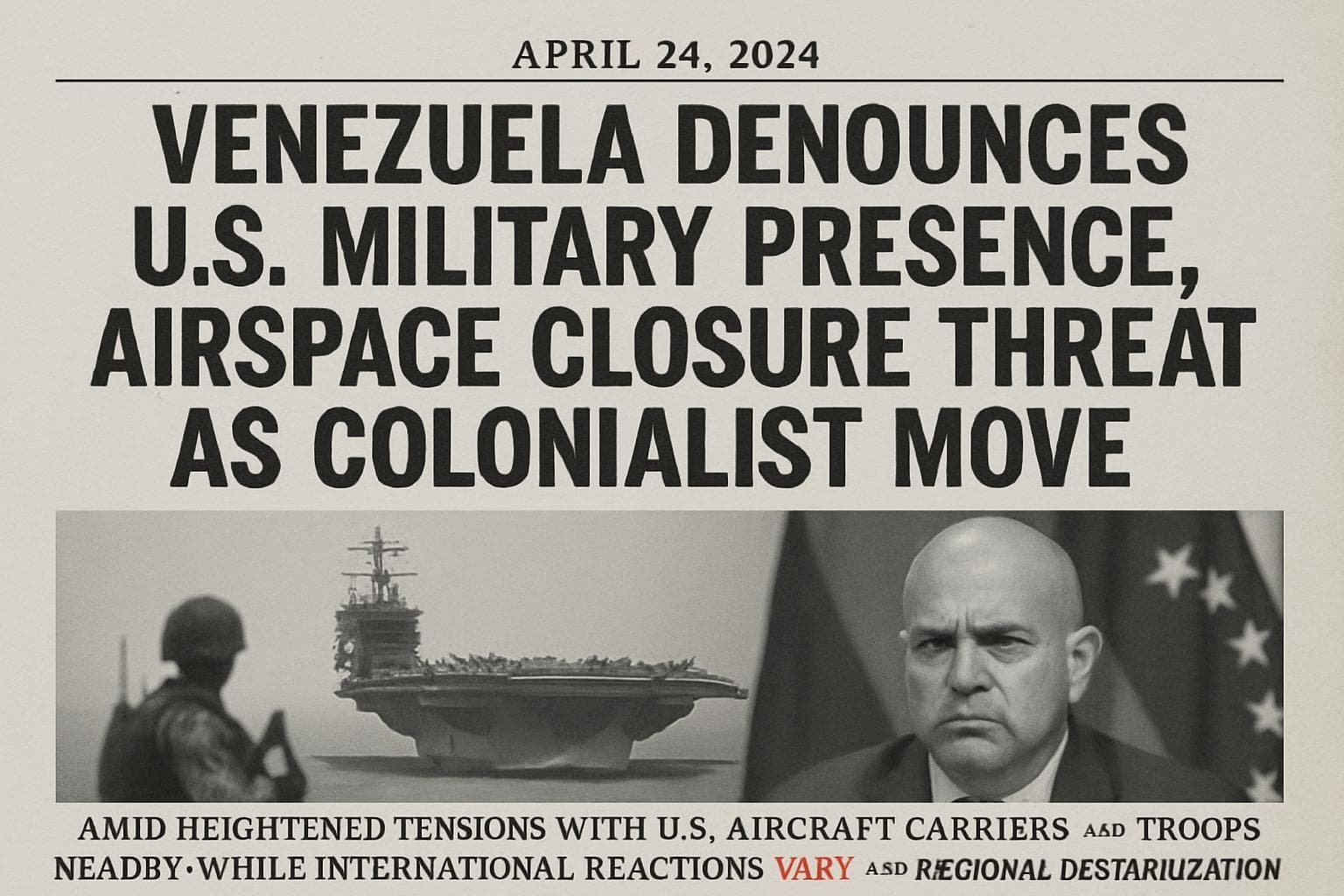
Venezuela has strongly denounced US President Donald Trump's recent declaration to close the airspace surrounding the country, labeling it a "colonialist threat" and a breach of international law. The Venezuelan government has urged the global community to reject what it describes as an unjustified act of aggression against its sovereignty.
US Military Presence and Operations
The United States has significantly bolstered its military presence near Venezuela, deploying the USS Gerald Ford aircraft carrier and approximately 15,000 troops. This move, the largest in the region since the 1989 Panama invasion, is officially aimed at combating drug trafficking. Since September, US forces have conducted 21 strikes on boats suspected of drug smuggling, resulting in over 80 fatalities. However, Venezuela's President Nicolás Maduro contends that these actions are part of a broader US strategy to depose him.
Political Reactions and Legal Concerns
Trump's announcement has sparked controversy within the US, with both Democratic and Republican lawmakers criticizing the lack of congressional approval. Senate Democrat Chuck Schumer emphasized that only Congress has the constitutional authority to declare war. Meanwhile, Republican Representative Marjorie Taylor Greene echoed this sentiment, highlighting the potential for escalating conflict.
Impact on Aviation and Deportation Flights
Following Trump's statement, the US Federal Aviation Administration (FAA) issued warnings about heightened military activity, leading several major airlines to suspend flights to Venezuela. In response, Caracas revoked the operating rights of these airlines. Additionally, Venezuela has suspended all deportation flights, a contentious issue amid the Trump administration's mass deportation efforts.
International and Regional Implications
The US has accused Maduro of leading the Cartel de los Soles, a group designated as a foreign terrorist organization. While some regional leaders, like Colombia's President Gustavo Petro, criticize the US approach as violent domination, others have shown support for Trump's stance. The situation remains tense, with Venezuela conducting military exercises along its coastlines in a show of defiance.
WHAT THIS MIGHT MEAN
The escalating tensions between the US and Venezuela could have significant geopolitical implications. If the US continues its military buildup, it risks further destabilizing the region and potentially provoking a military conflict. The international community may need to intervene diplomatically to prevent escalation. Additionally, the suspension of deportation flights and airline operations could strain US-Venezuela relations further, impacting trade and regional cooperation. As the situation develops, the role of international law and multilateral organizations will be crucial in mediating and resolving the conflict.
Related Articles
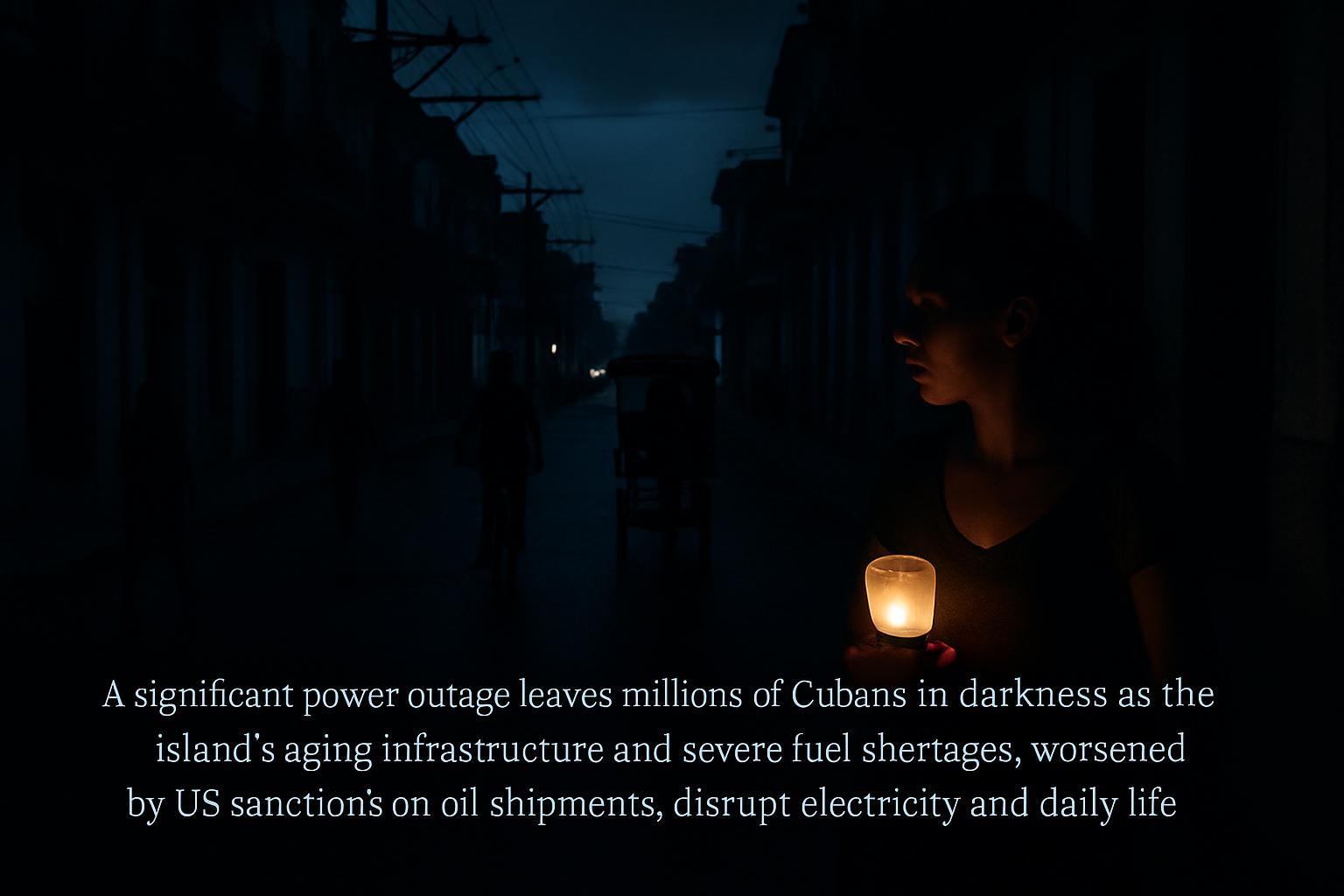
Cuba Faces Widespread Blackout Amid Deepening Fuel Crisis
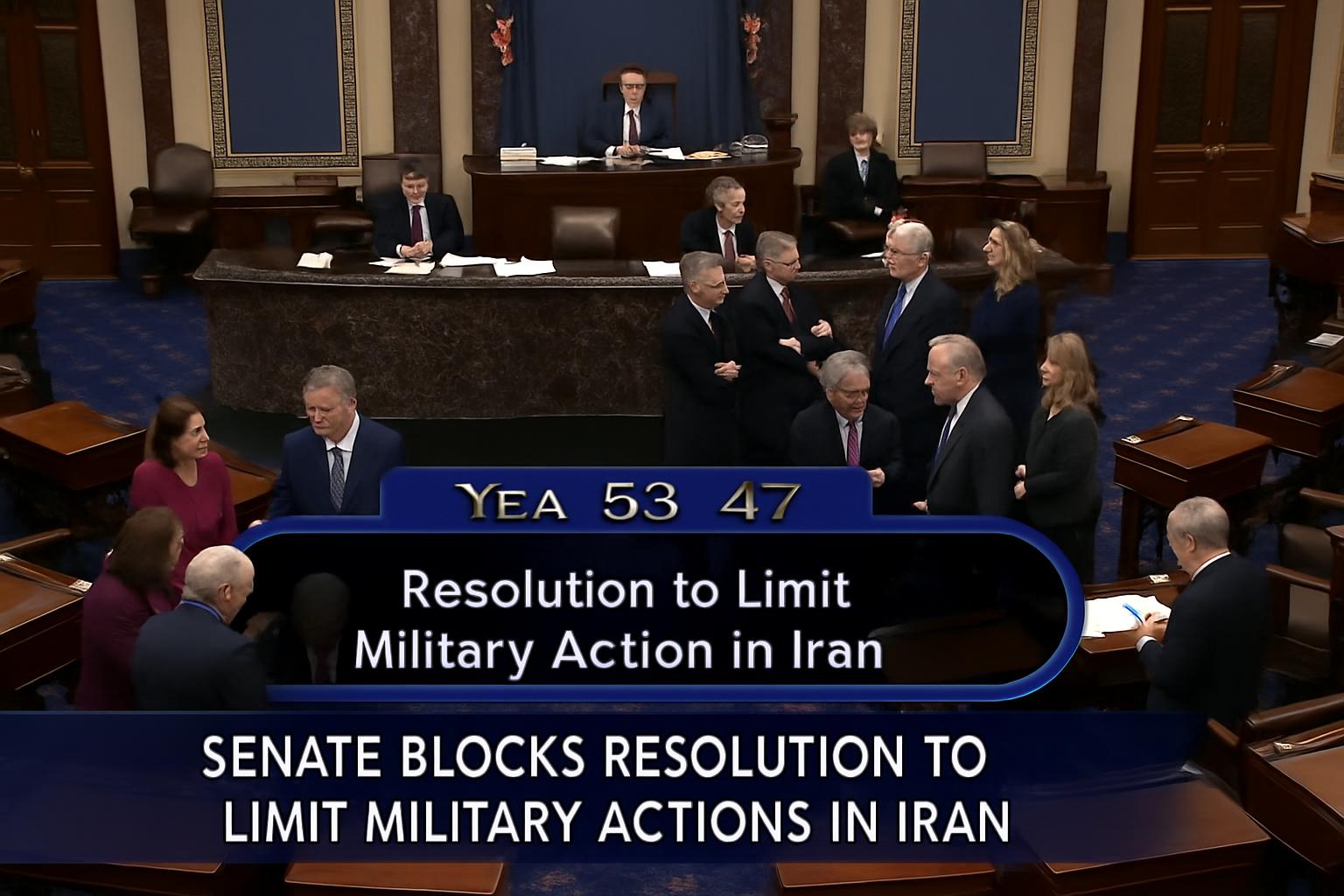
Senate Blocks Resolution to Limit Trump's Military Actions in Iran
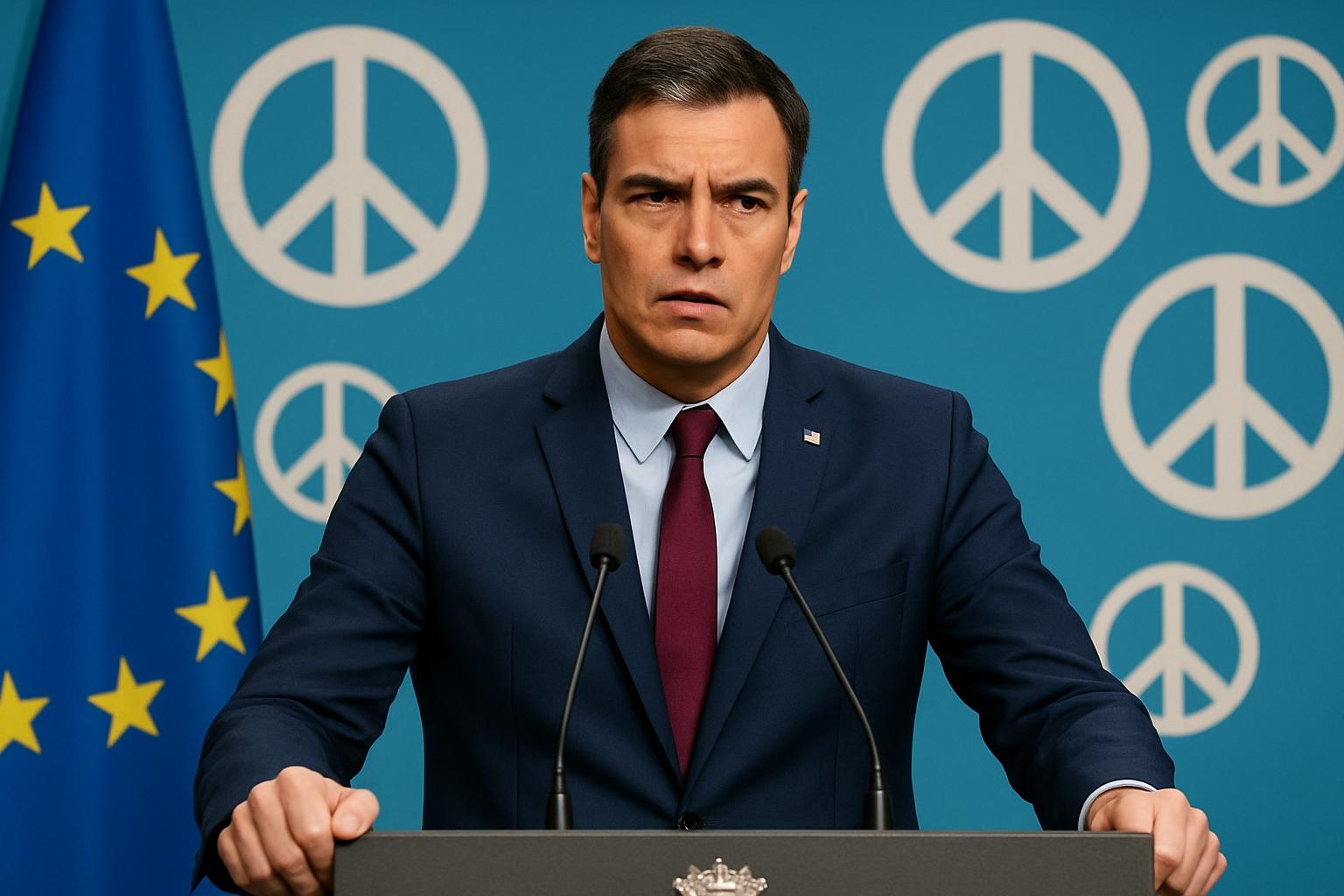
Spain's Sánchez Stands Firm Against Trump's Trade Threat Over Iran Stance
Iran Postpones Khamenei Funeral Amid Escalating US-Israeli Strikes
Trump's New Tariff Strategy Sparks Global Trade Uncertainty
Congress Subpoenas Attorney General Bondi in Epstein Investigation
Venezuela Condemns Trump's Airspace Closure Threat Amid Rising Tensions
In This Article
 Ethan Brooks| Published
 HIGHLIGHTS
- Venezuela condemned Trump's airspace closure threat as a "colonialist threat" and a violation of international law.
- The US military has increased its presence near Venezuela, conducting 21 strikes on alleged drug boats, killing over 80 people.
- Trump's comments have led to the suspension of deportation flights to Venezuela and heightened tensions with Congress.
- The US accuses Venezuelan President Nicolás Maduro of drug trafficking, while Maduro claims the US aims to oust him.
- The FAA warned airlines of increased military activity around Venezuela, prompting several to suspend flights.
Venezuela has strongly denounced US President Donald Trump's recent declaration to close the airspace surrounding the country, labeling it a "colonialist threat" and a breach of international law. The Venezuelan government has urged the global community to reject what it describes as an unjustified act of aggression against its sovereignty.
US Military Presence and Operations
The United States has significantly bolstered its military presence near Venezuela, deploying the USS Gerald Ford aircraft carrier and approximately 15,000 troops. This move, the largest in the region since the 1989 Panama invasion, is officially aimed at combating drug trafficking. Since September, US forces have conducted 21 strikes on boats suspected of drug smuggling, resulting in over 80 fatalities. However, Venezuela's President Nicolás Maduro contends that these actions are part of a broader US strategy to depose him.
Political Reactions and Legal Concerns
Trump's announcement has sparked controversy within the US, with both Democratic and Republican lawmakers criticizing the lack of congressional approval. Senate Democrat Chuck Schumer emphasized that only Congress has the constitutional authority to declare war. Meanwhile, Republican Representative Marjorie Taylor Greene echoed this sentiment, highlighting the potential for escalating conflict.
Impact on Aviation and Deportation Flights
Following Trump's statement, the US Federal Aviation Administration (FAA) issued warnings about heightened military activity, leading several major airlines to suspend flights to Venezuela. In response, Caracas revoked the operating rights of these airlines. Additionally, Venezuela has suspended all deportation flights, a contentious issue amid the Trump administration's mass deportation efforts.
International and Regional Implications
The US has accused Maduro of leading the Cartel de los Soles, a group designated as a foreign terrorist organization. While some regional leaders, like Colombia's President Gustavo Petro, criticize the US approach as violent domination, others have shown support for Trump's stance. The situation remains tense, with Venezuela conducting military exercises along its coastlines in a show of defiance.
WHAT THIS MIGHT MEAN
The escalating tensions between the US and Venezuela could have significant geopolitical implications. If the US continues its military buildup, it risks further destabilizing the region and potentially provoking a military conflict. The international community may need to intervene diplomatically to prevent escalation. Additionally, the suspension of deportation flights and airline operations could strain US-Venezuela relations further, impacting trade and regional cooperation. As the situation develops, the role of international law and multilateral organizations will be crucial in mediating and resolving the conflict.
Related Articles
Cuba Faces Widespread Blackout Amid Deepening Fuel Crisis
Senate Blocks Resolution to Limit Trump's Military Actions in Iran
Spain's Sánchez Stands Firm Against Trump's Trade Threat Over Iran Stance
Iran Postpones Khamenei Funeral Amid Escalating US-Israeli Strikes
Trump's New Tariff Strategy Sparks Global Trade Uncertainty
Congress Subpoenas Attorney General Bondi in Epstein Investigation