
Venezuela's Release of Political Prisoners Marks Potential Shift in Diplomatic Relations
In This Article
HIGHLIGHTS
- Venezuela has begun releasing American and Spanish detainees, signaling a potential shift in US-Venezuela relations.
- Interim President Delcy Rodríguez claims the releases mark a "new political moment," despite criticism from NGOs about the slow pace.
- The UN and human rights groups express concern over Venezuela's continued use of arbitrary detention.
- US President Trump praised the releases, linking them to halted military actions against Venezuela.
- Despite the releases, reports indicate ongoing repression and administrative chaos in Venezuela.
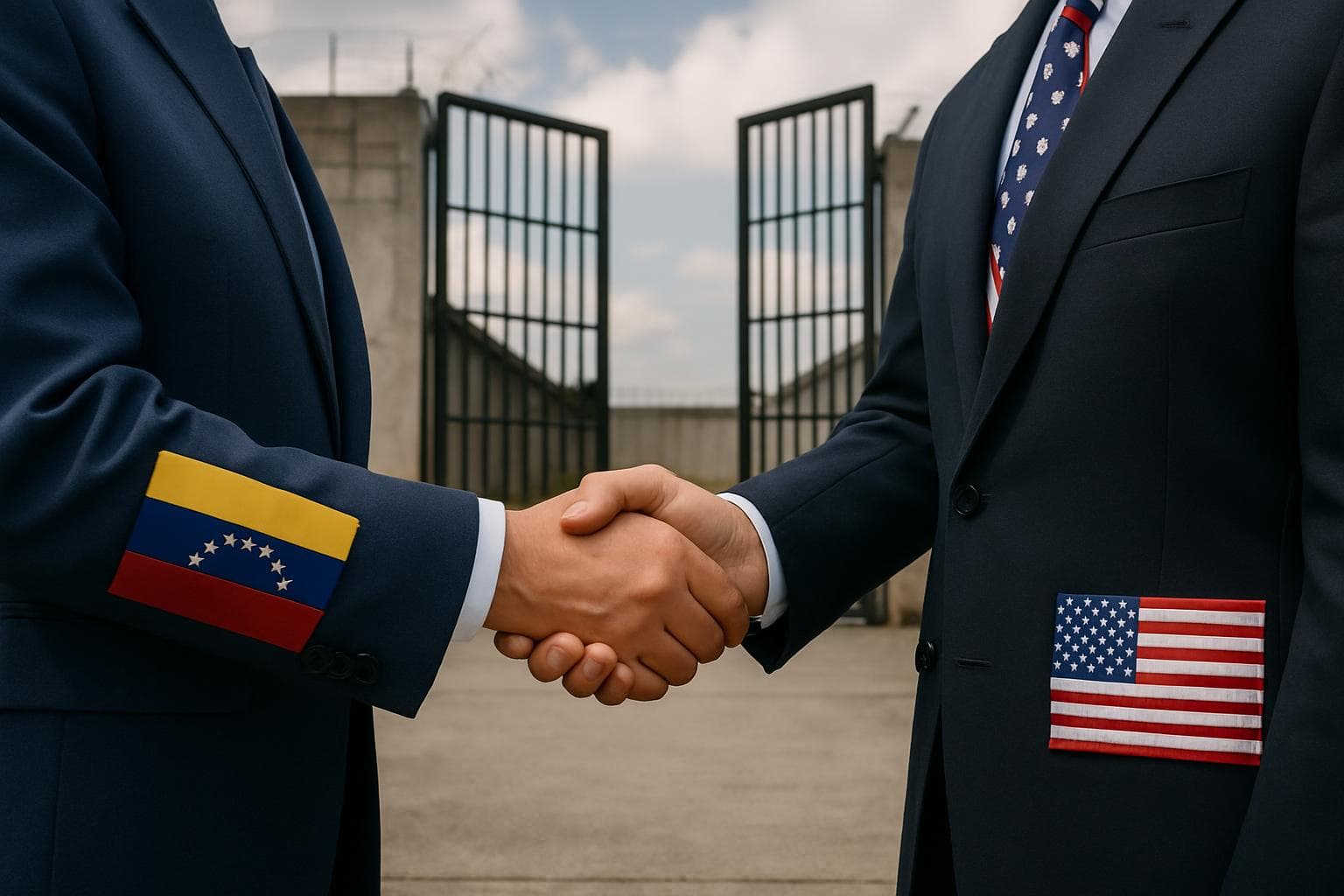
Venezuela has initiated the release of several American and Spanish detainees, a move that could signal a shift in the country's diplomatic relations with the United States. This development comes in the wake of the US military's capture of former President Nicolás Maduro on January 3, an event that has reshaped the political landscape in Venezuela.
A New Political Era?
Interim President Delcy Rodríguez announced the release of detainees as a gesture of goodwill, describing it as a step towards a "new political moment" in Venezuela. Rodríguez emphasized that the country is opening up to political diversity, although she warned that dissent must respect human rights. Her comments were made alongside her brother, Jorge Rodríguez, and Interior Minister Diosdado Cabello, who are key figures in the current administration.
International Reactions and Criticism
The move has been met with mixed reactions. US President Donald Trump welcomed the releases, attributing them to his administration's diplomatic efforts and suggesting they influenced his decision to cancel further military actions against Venezuela. However, human rights organizations and the UN have criticized the slow pace of releases and the continued use of arbitrary detention as a tool of repression. The UN has reiterated concerns about the systematic detention practices in Venezuela, which reportedly still hold over 800 political prisoners.
Ongoing Repression and Challenges
Despite the releases, reports from within Venezuela indicate that repression continues. Local media have documented instances of arbitrary detentions, such as the arrest of teenagers celebrating Maduro's capture. These actions highlight the ongoing challenges faced by citizens under the current regime. Former Venezuelan senior prosecutor Zair Mundaray noted the administrative chaos and lack of clear command following the power reshuffle, which complicates the situation further.
WHAT THIS MIGHT MEAN
The release of political prisoners in Venezuela could pave the way for improved relations with the United States and other international actors. However, the ongoing repression and administrative disarray suggest that significant challenges remain. If the Venezuelan government continues to release detainees and address human rights concerns, it may gain favor with the international community. Conversely, failure to enact meaningful reforms could lead to further isolation and criticism. As the situation evolves, the international community will closely monitor Venezuela's actions and their implications for regional stability and human rights.
Related Articles
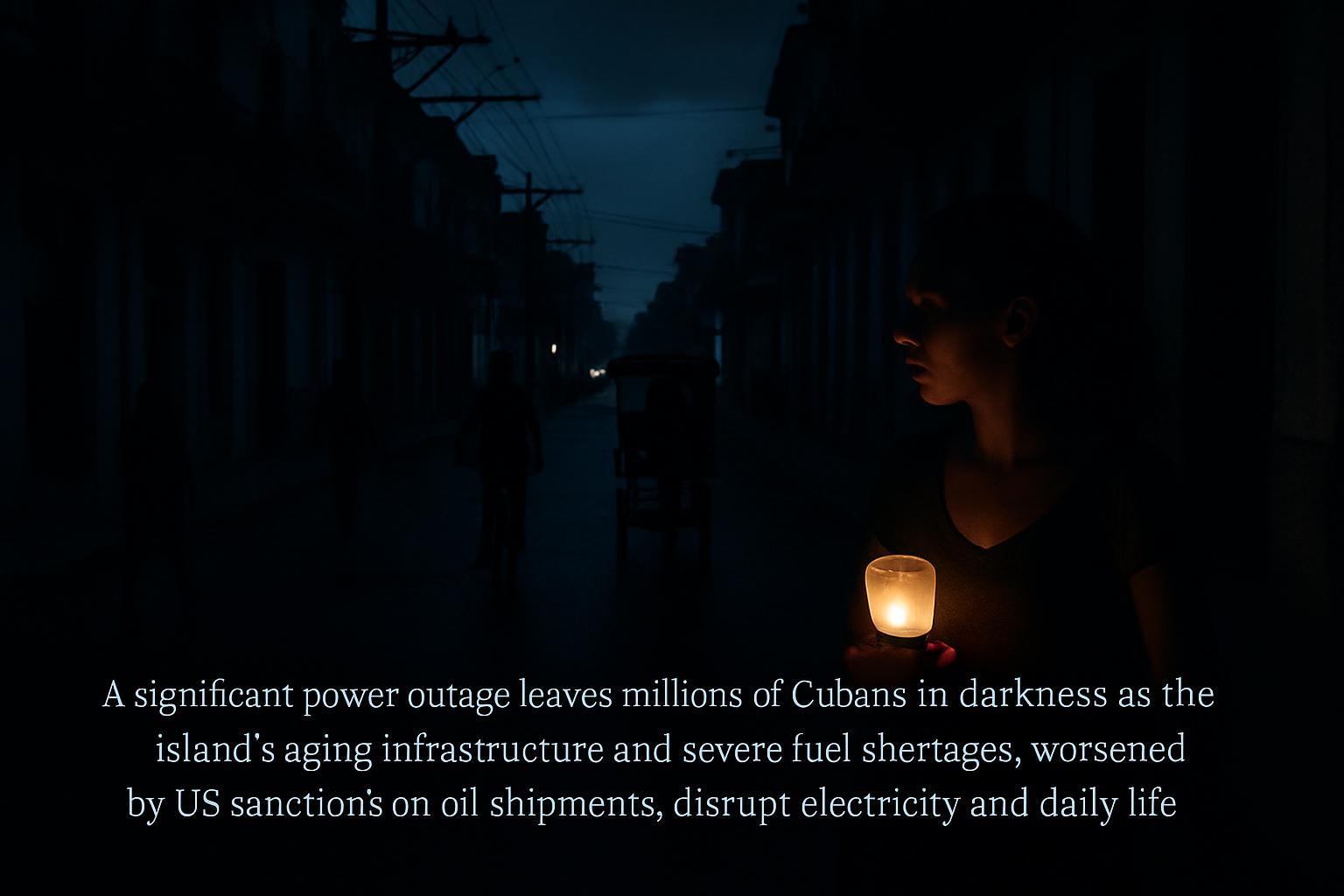
Cuba Faces Widespread Blackout Amid Deepening Fuel Crisis
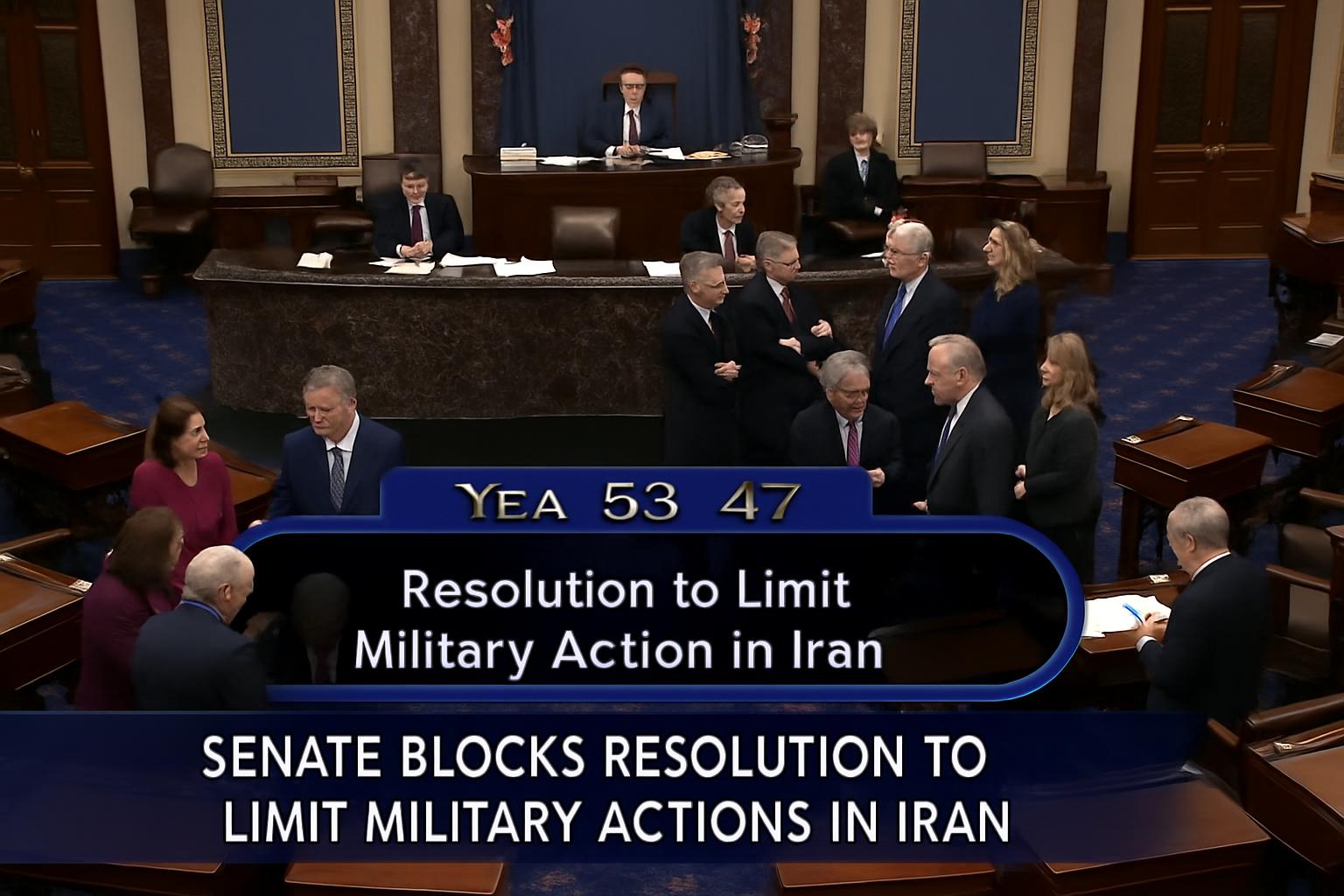
Senate Blocks Resolution to Limit Trump's Military Actions in Iran
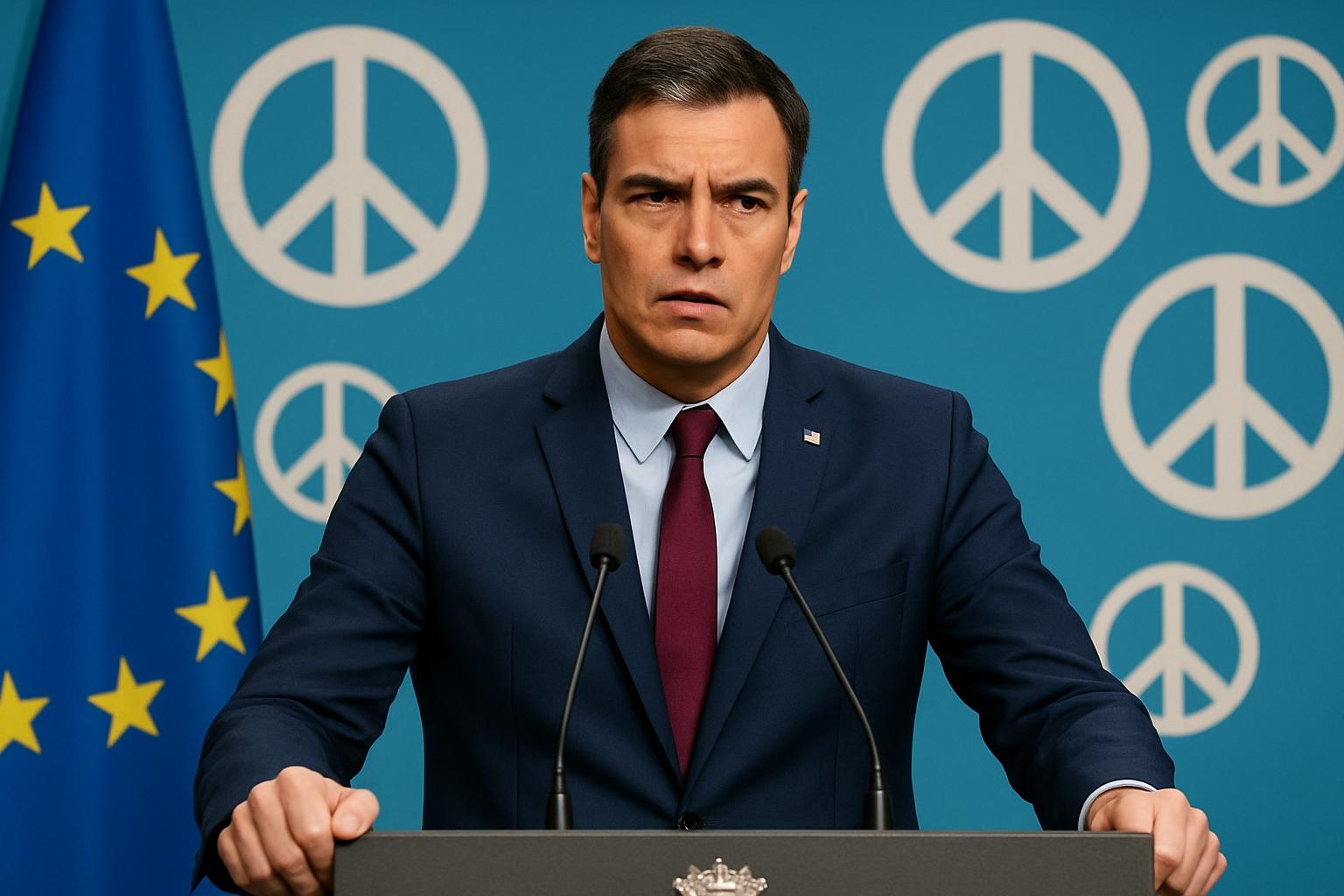
Spain's Sánchez Stands Firm Against Trump's Trade Threat Over Iran Stance
Iran Postpones Khamenei Funeral Amid Escalating US-Israeli Strikes
Congress Subpoenas Attorney General Bondi in Epstein Investigation

UK Faces Dilemmas Amid Iran Conflict and China Spying Allegations
Venezuela's Release of Political Prisoners Marks Potential Shift in Diplomatic Relations
In This Article
 Ethan Brooks| Published
 HIGHLIGHTS
- Venezuela has begun releasing American and Spanish detainees, signaling a potential shift in US-Venezuela relations.
- Interim President Delcy Rodríguez claims the releases mark a "new political moment," despite criticism from NGOs about the slow pace.
- The UN and human rights groups express concern over Venezuela's continued use of arbitrary detention.
- US President Trump praised the releases, linking them to halted military actions against Venezuela.
- Despite the releases, reports indicate ongoing repression and administrative chaos in Venezuela.
Venezuela has initiated the release of several American and Spanish detainees, a move that could signal a shift in the country's diplomatic relations with the United States. This development comes in the wake of the US military's capture of former President Nicolás Maduro on January 3, an event that has reshaped the political landscape in Venezuela.
A New Political Era?
Interim President Delcy Rodríguez announced the release of detainees as a gesture of goodwill, describing it as a step towards a "new political moment" in Venezuela. Rodríguez emphasized that the country is opening up to political diversity, although she warned that dissent must respect human rights. Her comments were made alongside her brother, Jorge Rodríguez, and Interior Minister Diosdado Cabello, who are key figures in the current administration.
International Reactions and Criticism
The move has been met with mixed reactions. US President Donald Trump welcomed the releases, attributing them to his administration's diplomatic efforts and suggesting they influenced his decision to cancel further military actions against Venezuela. However, human rights organizations and the UN have criticized the slow pace of releases and the continued use of arbitrary detention as a tool of repression. The UN has reiterated concerns about the systematic detention practices in Venezuela, which reportedly still hold over 800 political prisoners.
Ongoing Repression and Challenges
Despite the releases, reports from within Venezuela indicate that repression continues. Local media have documented instances of arbitrary detentions, such as the arrest of teenagers celebrating Maduro's capture. These actions highlight the ongoing challenges faced by citizens under the current regime. Former Venezuelan senior prosecutor Zair Mundaray noted the administrative chaos and lack of clear command following the power reshuffle, which complicates the situation further.
WHAT THIS MIGHT MEAN
The release of political prisoners in Venezuela could pave the way for improved relations with the United States and other international actors. However, the ongoing repression and administrative disarray suggest that significant challenges remain. If the Venezuelan government continues to release detainees and address human rights concerns, it may gain favor with the international community. Conversely, failure to enact meaningful reforms could lead to further isolation and criticism. As the situation evolves, the international community will closely monitor Venezuela's actions and their implications for regional stability and human rights.
Related Articles
Cuba Faces Widespread Blackout Amid Deepening Fuel Crisis
Senate Blocks Resolution to Limit Trump's Military Actions in Iran
Spain's Sánchez Stands Firm Against Trump's Trade Threat Over Iran Stance
Iran Postpones Khamenei Funeral Amid Escalating US-Israeli Strikes
Congress Subpoenas Attorney General Bondi in Epstein Investigation
UK Faces Dilemmas Amid Iran Conflict and China Spying Allegations