
Venezuela Open to US Talks Amid Rising Tensions Over Alleged CIA Strike
In This Article
HIGHLIGHTS
- Venezuelan President Nicolás Maduro expressed willingness to engage in talks with the US on drug trafficking and oil.
- Maduro did not confirm reports of a CIA-led drone strike on a Venezuelan docking facility, despite US claims.
- The US has intensified its military operations against alleged drug smuggling vessels, with over 30 strikes reported.
- President Trump has accused Maduro of leading a drug cartel and has increased pressure through military and economic measures.
- Venezuela, rich in oil reserves, remains a focal point in US foreign policy, with ongoing tensions over migration and sanctions.
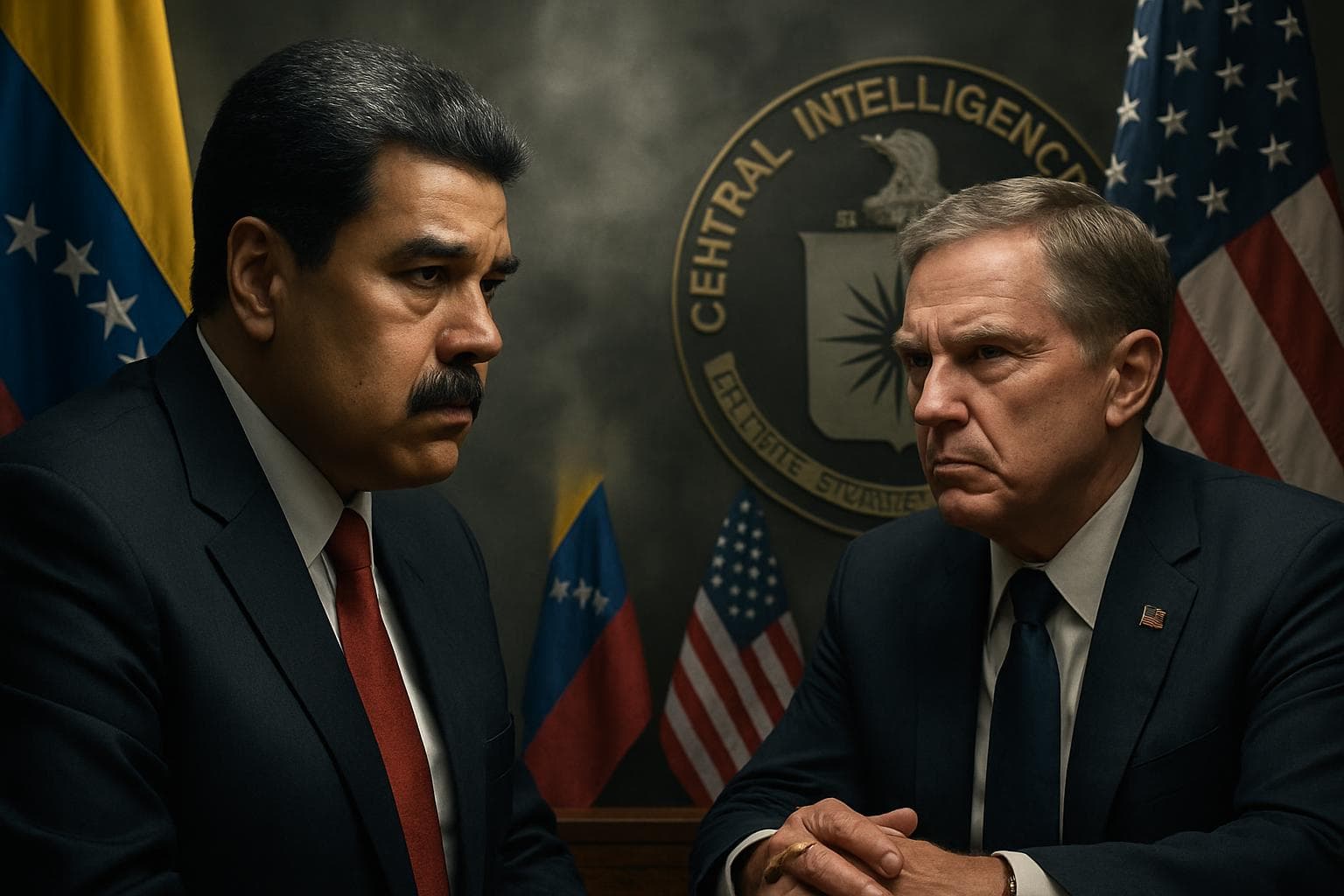
Venezuelan President Nicolás Maduro has indicated his openness to dialogue with the United States regarding drug trafficking and oil, amidst escalating tensions between the two nations. In a recent interview, Maduro stated his readiness for discussions "wherever and whenever" the US desires, highlighting a potential diplomatic opening amidst a backdrop of military and economic pressures.
US Military Operations and Alleged CIA Strike
The Trump administration has intensified its military campaign against drug trafficking, with over 30 strikes on vessels suspected of smuggling narcotics through the Caribbean and eastern Pacific. The latest operation involved a reported CIA drone strike on a Venezuelan docking area, alleged to be used by drug cartels. This strike, if confirmed, would mark the first known US operation on Venezuelan soil. However, Maduro refrained from confirming the attack, suggesting it could be a topic for future discussions.
Diplomatic and Economic Tensions
The US has accused Maduro of heading a drug cartel, a claim he vehemently denies. The Trump administration has also doubled the reward for information leading to Maduro's capture and threatened to designate his government as a Foreign Terrorist Organization. Despite these tensions, Maduro has expressed willingness to allow US investment in Venezuela's vast oil reserves, indicating a potential area for negotiation.
Humanitarian and Migration Concerns
Venezuela's ongoing economic crisis has led to a mass exodus, with nearly eight million citizens fleeing the country since 2013. The US has accused Maduro of forcing inmates to migrate, a claim he dismisses as part of a broader strategy to undermine his government. The humanitarian crisis remains a critical issue, with both nations facing pressure to address the plight of Venezuelan migrants.
WHAT THIS MIGHT MEAN
The potential for US-Venezuela talks on drug trafficking and oil could signal a shift in the diplomatic landscape, offering a chance to ease tensions. However, the alleged CIA strike complicates matters, potentially escalating military confrontations. If confirmed, this operation could lead to increased scrutiny of US actions in the region and further strain bilateral relations.
Experts suggest that any dialogue must address the broader humanitarian crisis and economic sanctions impacting Venezuelan citizens. The outcome of these talks could significantly influence regional stability and the future of US foreign policy in Latin America. As both nations navigate these complex issues, the international community will be watching closely for signs of progress or further conflict.
Related Articles
Iran Postpones Khamenei Funeral Amid Escalating US-Israeli Strikes
US-Iran Tensions Escalate Amid Renewed Nuclear Talks and Protests
Venezuelan Political Prisoners Seek Amnesty Amidst Hopes for Democratic Transition
Rising Tensions: Trump's Dual Approach to Iran's Nuclear Challenge
Cuba Faces Widespread Blackout Amid Deepening Fuel Crisis
Canada Calls for De-escalation Amid US-Israel Strikes on Iran
Venezuela Open to US Talks Amid Rising Tensions Over Alleged CIA Strike
In This Article
 Ethan Brooks| Published
 HIGHLIGHTS
- Venezuelan President Nicolás Maduro expressed willingness to engage in talks with the US on drug trafficking and oil.
- Maduro did not confirm reports of a CIA-led drone strike on a Venezuelan docking facility, despite US claims.
- The US has intensified its military operations against alleged drug smuggling vessels, with over 30 strikes reported.
- President Trump has accused Maduro of leading a drug cartel and has increased pressure through military and economic measures.
- Venezuela, rich in oil reserves, remains a focal point in US foreign policy, with ongoing tensions over migration and sanctions.
Venezuelan President Nicolás Maduro has indicated his openness to dialogue with the United States regarding drug trafficking and oil, amidst escalating tensions between the two nations. In a recent interview, Maduro stated his readiness for discussions "wherever and whenever" the US desires, highlighting a potential diplomatic opening amidst a backdrop of military and economic pressures.
US Military Operations and Alleged CIA Strike
The Trump administration has intensified its military campaign against drug trafficking, with over 30 strikes on vessels suspected of smuggling narcotics through the Caribbean and eastern Pacific. The latest operation involved a reported CIA drone strike on a Venezuelan docking area, alleged to be used by drug cartels. This strike, if confirmed, would mark the first known US operation on Venezuelan soil. However, Maduro refrained from confirming the attack, suggesting it could be a topic for future discussions.
Diplomatic and Economic Tensions
The US has accused Maduro of heading a drug cartel, a claim he vehemently denies. The Trump administration has also doubled the reward for information leading to Maduro's capture and threatened to designate his government as a Foreign Terrorist Organization. Despite these tensions, Maduro has expressed willingness to allow US investment in Venezuela's vast oil reserves, indicating a potential area for negotiation.
Humanitarian and Migration Concerns
Venezuela's ongoing economic crisis has led to a mass exodus, with nearly eight million citizens fleeing the country since 2013. The US has accused Maduro of forcing inmates to migrate, a claim he dismisses as part of a broader strategy to undermine his government. The humanitarian crisis remains a critical issue, with both nations facing pressure to address the plight of Venezuelan migrants.
WHAT THIS MIGHT MEAN
The potential for US-Venezuela talks on drug trafficking and oil could signal a shift in the diplomatic landscape, offering a chance to ease tensions. However, the alleged CIA strike complicates matters, potentially escalating military confrontations. If confirmed, this operation could lead to increased scrutiny of US actions in the region and further strain bilateral relations.
Experts suggest that any dialogue must address the broader humanitarian crisis and economic sanctions impacting Venezuelan citizens. The outcome of these talks could significantly influence regional stability and the future of US foreign policy in Latin America. As both nations navigate these complex issues, the international community will be watching closely for signs of progress or further conflict.
Related Articles
Iran Postpones Khamenei Funeral Amid Escalating US-Israeli Strikes
US-Iran Tensions Escalate Amid Renewed Nuclear Talks and Protests
Venezuelan Political Prisoners Seek Amnesty Amidst Hopes for Democratic Transition
Rising Tensions: Trump's Dual Approach to Iran's Nuclear Challenge
Cuba Faces Widespread Blackout Amid Deepening Fuel Crisis
Canada Calls for De-escalation Amid US-Israel Strikes on Iran