
Venezuela's Political Shift: Tudares Released Amidst Maduro's Capture and Rodríguez's Interim Leadership
In This Article
HIGHLIGHTS
- Rafael Tudares, son-in-law of Venezuelan opposition candidate Edmundo González, was released after 380 days in detention.
- Nicolás Maduro was captured by the US military, leading to Delcy Rodríguez becoming Venezuela's acting president.
- The Trump administration backed Rodríguez, who agreed to transfer Venezuelan oil to the US.
- Despite the release of some political prisoners, NGOs report that 777 remain detained in Venezuela.
- Secret negotiations between Delcy Rodríguez and the US preceded Maduro's capture, ensuring cooperation post-capture.
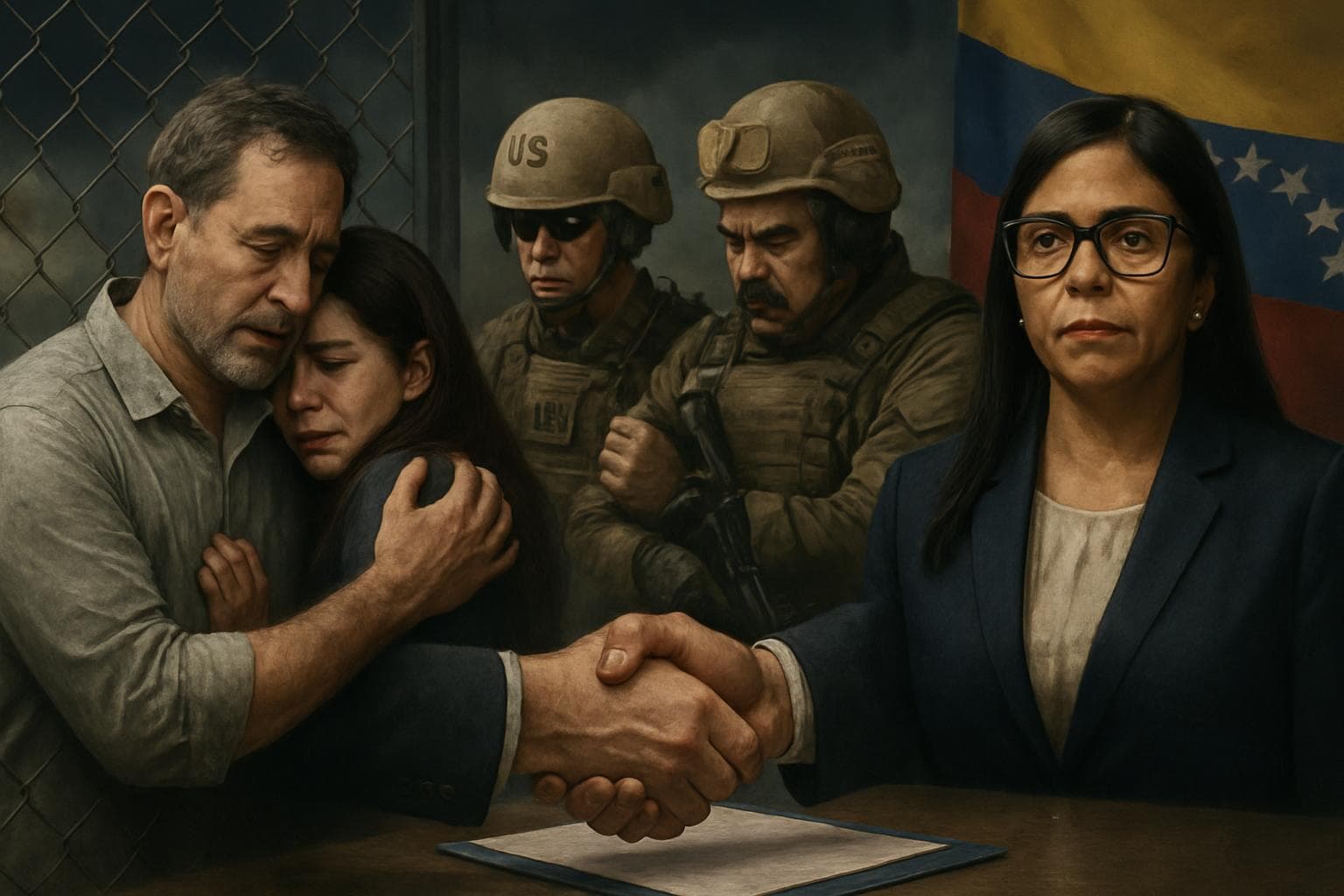
In a significant development for Venezuela's political landscape, Rafael Tudares, the son-in-law of opposition candidate Edmundo González, has been released from prison after 380 days of detention. His release comes in the wake of a dramatic US military operation that captured Venezuelan leader Nicolás Maduro, leading to Delcy Rodríguez's appointment as acting president.
Political Prisoners and International Pressure
Tudares's release is part of a broader, albeit slow, effort to free political prisoners in Venezuela. While the Trump administration has pushed for these releases, NGOs like Foro Penal report that 777 political detainees remain imprisoned. The organization has verified the release of only 151 individuals since the US operation, highlighting the ongoing human rights concerns in the country.
Maduro's Capture and Rodríguez's Rise
Nicolás Maduro's capture by US forces marked a turning point, with Delcy Rodríguez stepping in as interim leader. Her government has received backing from the Trump administration, which praised her decision to transfer up to 50 million barrels of Venezuelan oil to the US. This move has been seen as a gesture of cooperation, following secret negotiations between Rodríguez and US officials prior to Maduro's capture.
Behind-the-Scenes Negotiations
Sources reveal that Rodríguez and her brother Jorge had assured US and Qatari officials of their willingness to cooperate once Maduro was out of power. These discussions, which began in the fall, were crucial in shaping the post-capture political landscape. Despite initial skepticism, US officials, including Marco Rubio, came to view Rodríguez's promises as a stabilizing force for Venezuela.
WHAT THIS MIGHT MEAN
The capture of Nicolás Maduro and the subsequent political shifts in Venezuela could lead to significant changes in the country's governance and international relations. Delcy Rodríguez's interim leadership, backed by the US, may pave the way for more diplomatic engagements and economic agreements, particularly concerning Venezuela's vast oil reserves. However, the slow pace of political prisoner releases and the legal limbo many face could continue to draw international criticism. As Venezuela navigates this transitional period, the opposition's role and the potential for democratic reforms remain critical areas to watch.
Related Articles
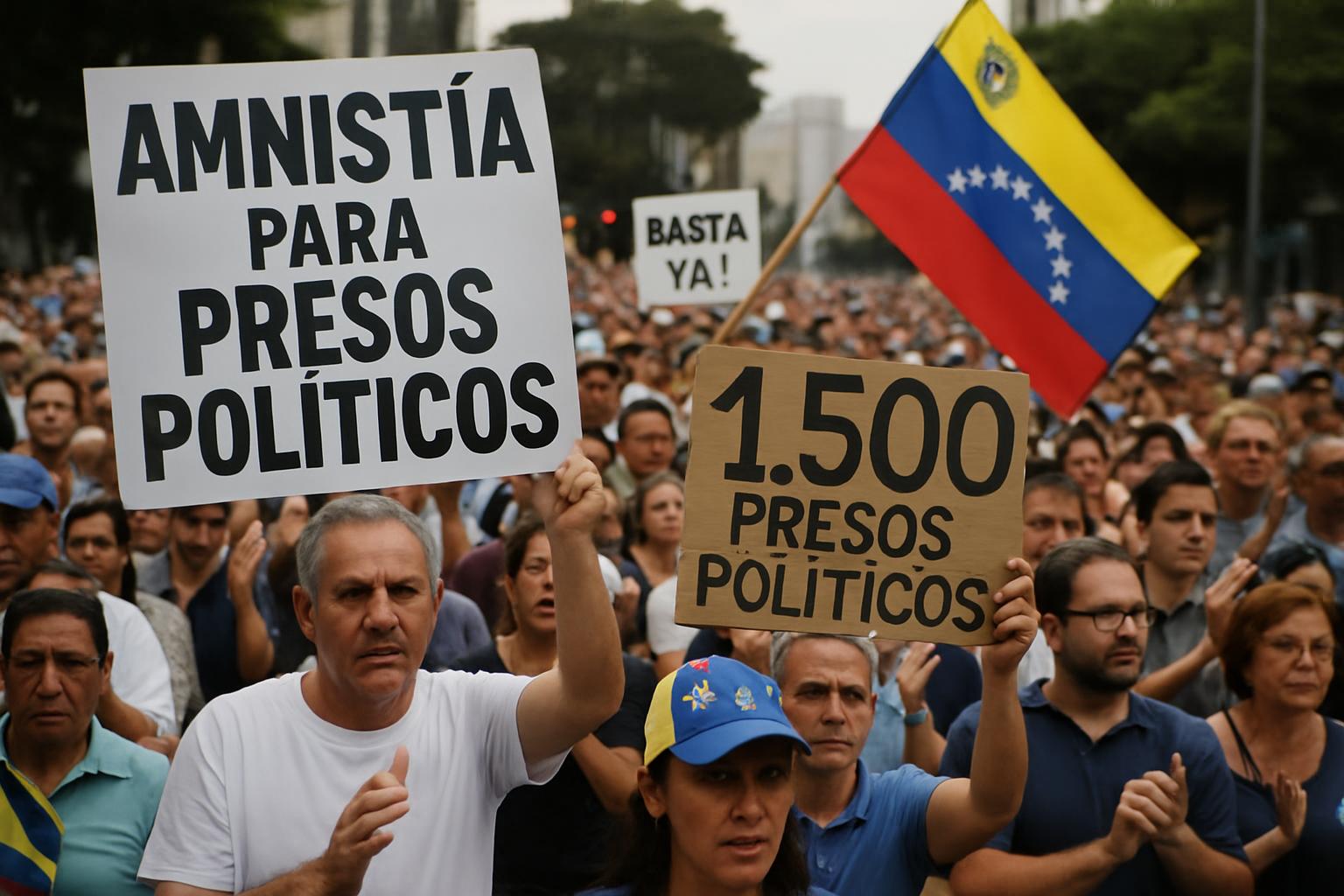
Venezuelan Political Prisoners Seek Amnesty Amidst Hopes for Democratic Transition
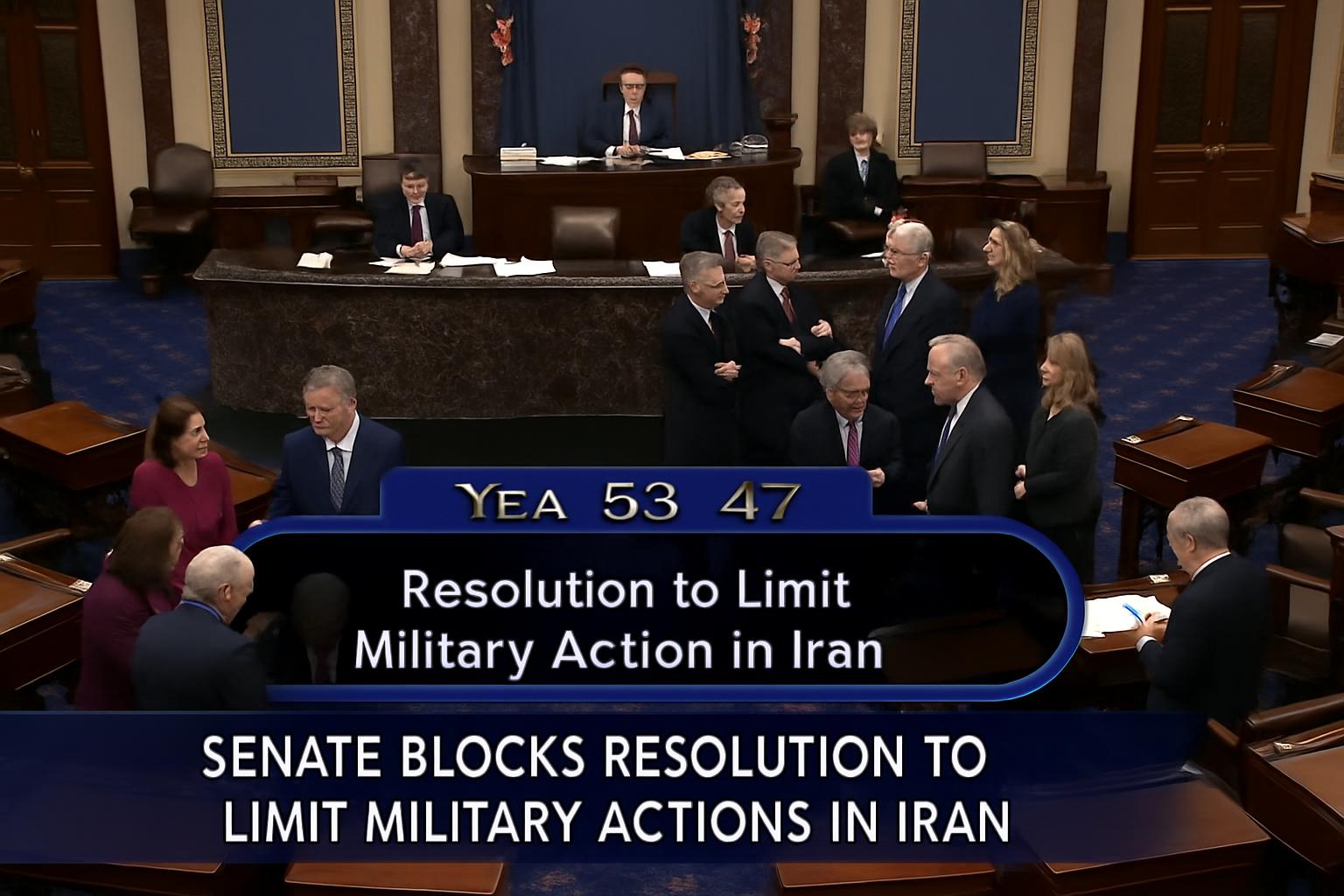
Senate Blocks Resolution to Limit Trump's Military Actions in Iran
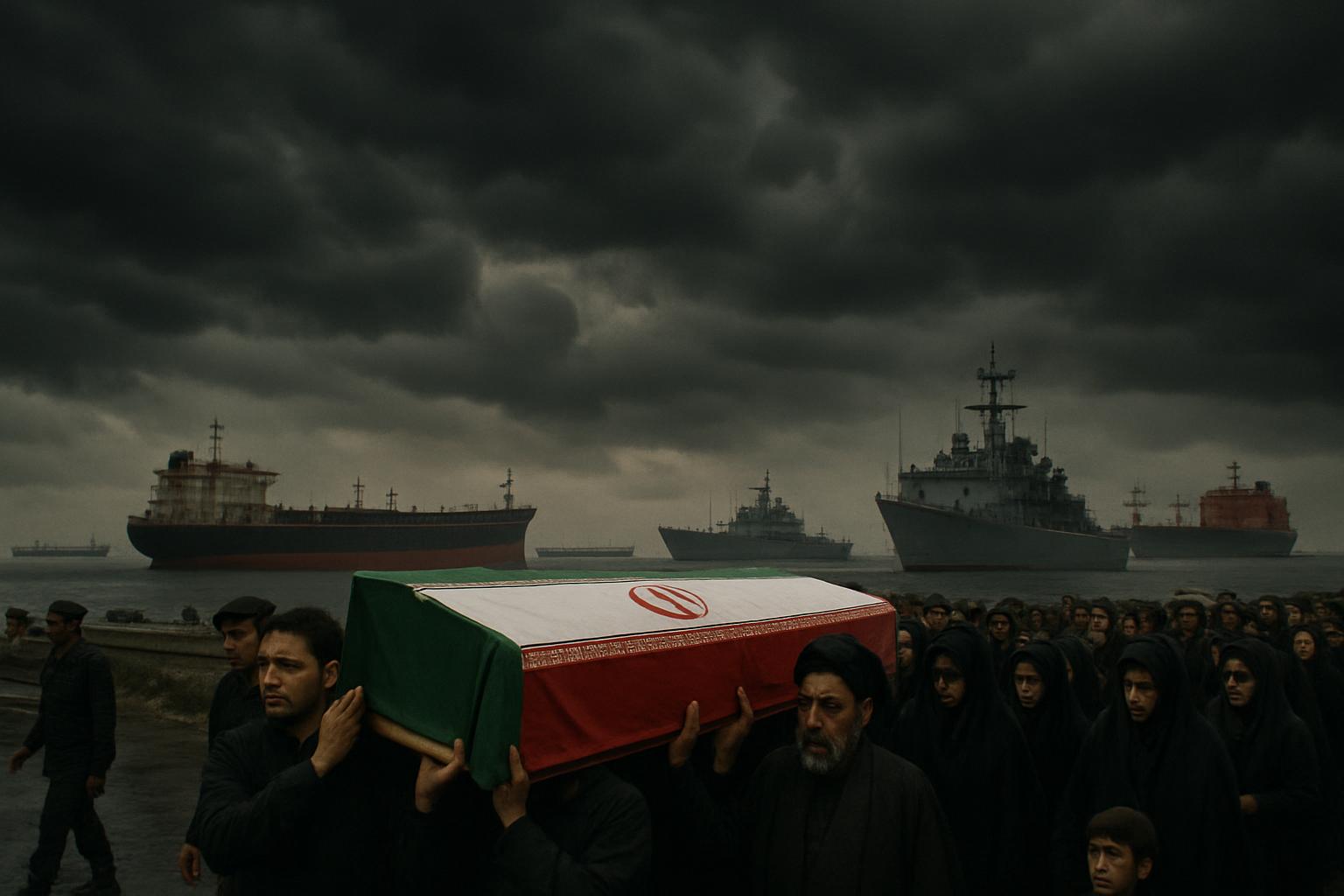
Iran Postpones Khamenei Funeral Amid Escalating US-Israeli Strikes

US-Iran Tensions Escalate Amid Renewed Nuclear Talks and Protests
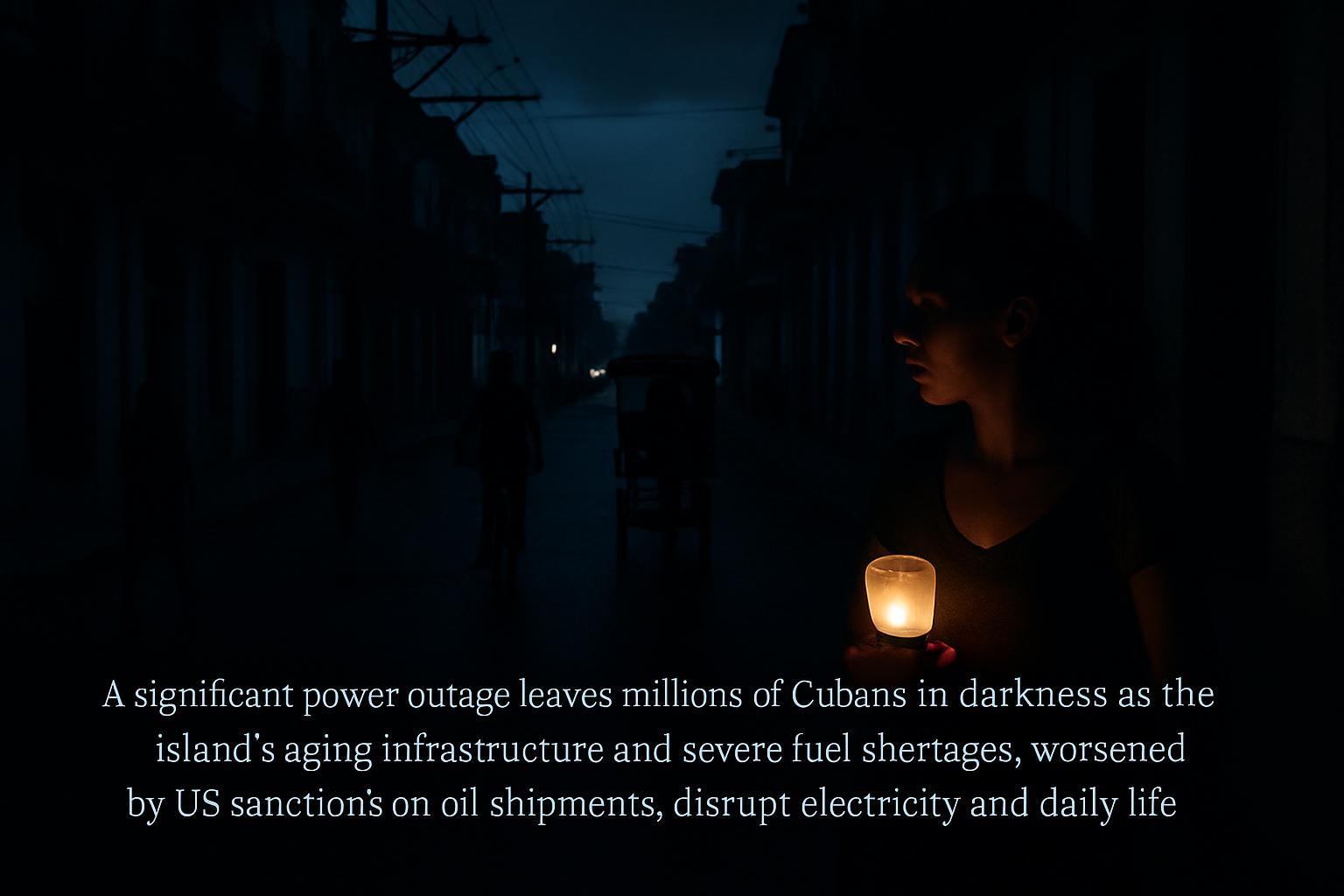
Cuba Faces Widespread Blackout Amid Deepening Fuel Crisis
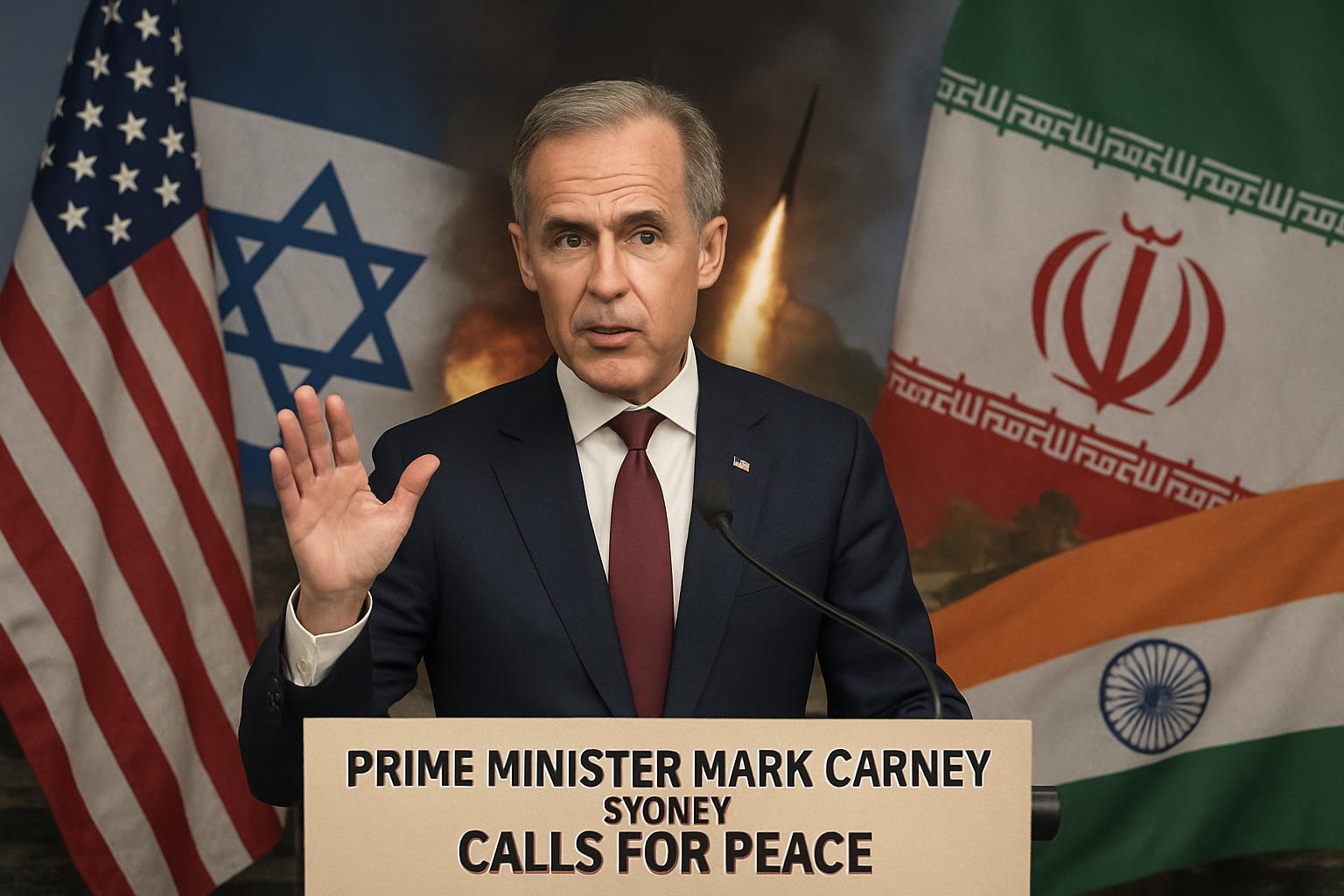
Canada Calls for De-escalation Amid US-Israel Strikes on Iran
Venezuela's Political Shift: Tudares Released Amidst Maduro's Capture and Rodríguez's Interim Leadership
In This Article
 Ethan Brooks| Published
 HIGHLIGHTS
- Rafael Tudares, son-in-law of Venezuelan opposition candidate Edmundo González, was released after 380 days in detention.
- Nicolás Maduro was captured by the US military, leading to Delcy Rodríguez becoming Venezuela's acting president.
- The Trump administration backed Rodríguez, who agreed to transfer Venezuelan oil to the US.
- Despite the release of some political prisoners, NGOs report that 777 remain detained in Venezuela.
- Secret negotiations between Delcy Rodríguez and the US preceded Maduro's capture, ensuring cooperation post-capture.
In a significant development for Venezuela's political landscape, Rafael Tudares, the son-in-law of opposition candidate Edmundo González, has been released from prison after 380 days of detention. His release comes in the wake of a dramatic US military operation that captured Venezuelan leader Nicolás Maduro, leading to Delcy Rodríguez's appointment as acting president.
Political Prisoners and International Pressure
Tudares's release is part of a broader, albeit slow, effort to free political prisoners in Venezuela. While the Trump administration has pushed for these releases, NGOs like Foro Penal report that 777 political detainees remain imprisoned. The organization has verified the release of only 151 individuals since the US operation, highlighting the ongoing human rights concerns in the country.
Maduro's Capture and Rodríguez's Rise
Nicolás Maduro's capture by US forces marked a turning point, with Delcy Rodríguez stepping in as interim leader. Her government has received backing from the Trump administration, which praised her decision to transfer up to 50 million barrels of Venezuelan oil to the US. This move has been seen as a gesture of cooperation, following secret negotiations between Rodríguez and US officials prior to Maduro's capture.
Behind-the-Scenes Negotiations
Sources reveal that Rodríguez and her brother Jorge had assured US and Qatari officials of their willingness to cooperate once Maduro was out of power. These discussions, which began in the fall, were crucial in shaping the post-capture political landscape. Despite initial skepticism, US officials, including Marco Rubio, came to view Rodríguez's promises as a stabilizing force for Venezuela.
WHAT THIS MIGHT MEAN
The capture of Nicolás Maduro and the subsequent political shifts in Venezuela could lead to significant changes in the country's governance and international relations. Delcy Rodríguez's interim leadership, backed by the US, may pave the way for more diplomatic engagements and economic agreements, particularly concerning Venezuela's vast oil reserves. However, the slow pace of political prisoner releases and the legal limbo many face could continue to draw international criticism. As Venezuela navigates this transitional period, the opposition's role and the potential for democratic reforms remain critical areas to watch.
Related Articles
Venezuelan Political Prisoners Seek Amnesty Amidst Hopes for Democratic Transition
Senate Blocks Resolution to Limit Trump's Military Actions in Iran
Iran Postpones Khamenei Funeral Amid Escalating US-Israeli Strikes
US-Iran Tensions Escalate Amid Renewed Nuclear Talks and Protests
Cuba Faces Widespread Blackout Amid Deepening Fuel Crisis
Canada Calls for De-escalation Amid US-Israel Strikes on Iran