
Wimbledon Expansion Clears Legal Hurdle Amid Local Opposition

In This Article
HIGHLIGHTS
- The High Court has dismissed a legal challenge against the expansion of the Wimbledon tennis site, allowing the project to proceed.
- The expansion includes 39 new tennis courts and an 8,000-seat stadium on the former Wimbledon Park Golf Club grounds.
- Save Wimbledon Park (SWP) argued the development was unlawful due to the site's protected status but may seek further legal action.
- The Greater London Authority and All England Club defended the decision, emphasizing the project's public benefits.
- The expansion has sparked local opposition due to concerns over green space loss and potential disruption.
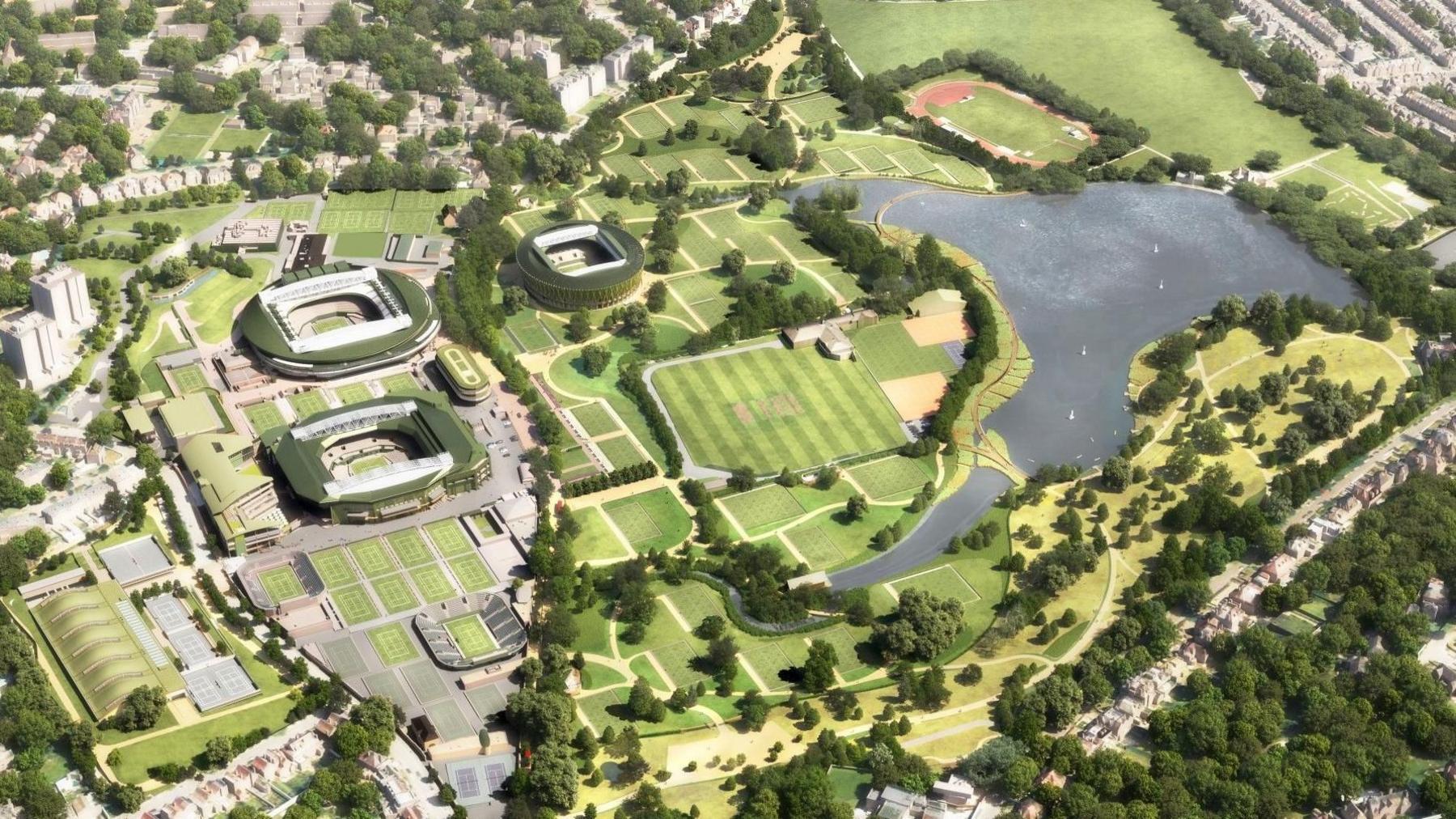
Plans to significantly expand the Wimbledon tennis site have been given the green light following a High Court ruling that dismissed a legal challenge from local campaigners. The decision allows the All England Club to proceed with its ambitious project to nearly triple the size of the iconic venue, adding 39 new tennis courts and an 8,000-seat stadium on the grounds of the former Wimbledon Park Golf Club.
Legal Challenge Dismissed
The campaign group Save Wimbledon Park (SWP) had sought to overturn the planning permission granted by the Greater London Authority (GLA), arguing that the development was unlawful due to the site's protected status. However, Mr Justice Saini ruled that the decision was a "planning judgment rationally exercised," dismissing the challenge. The GLA and the All England Club defended the project, highlighting its potential benefits, including the creation of 27 acres of new parkland accessible to the public.
Community Concerns and Legal Context
Despite the court's decision, SWP has indicated it may pursue further legal action, claiming that the GLA made a "significant legal error" regarding the park's special status. Christopher Coombe, a director of SWP, expressed concerns about setting a precedent for developing protected green spaces. Local residents have voiced opposition, citing the loss of green space and potential disruption over the next decade as key issues.
Project Details and Future Plans
The expansion project, which straddles the boroughs of Merton and Wandsworth, aims to provide a permanent home for the Wimbledon qualifying competition. Deborah Jevans, chairwoman of the All England Club, welcomed the ruling, emphasizing the project's benefits for the community. The club acquired the freehold for the golf course in 1993 and the leasehold in 2021, with plans to develop the site while maintaining public access.
WHAT THIS MIGHT MEAN
The High Court's ruling marks a significant step forward for the Wimbledon expansion, but the project's future remains uncertain as SWP considers further legal challenges. If the group proceeds, the case could set important precedents for the development of protected green spaces in London and beyond. Meanwhile, the All England Club must navigate local opposition and work to address community concerns about environmental impact and disruption. As the project progresses, it will be crucial for stakeholders to engage in constructive dialogue to find a resolution that balances development with the preservation of London's cherished green spaces.
Images from the Web
Related Articles

Supreme Court Ruling Expands Compensation for Children Injured at Birth

Allegations of Unlawful Reporting Methods in Stephen Lawrence Case Denied by Ex-Daily Mail Reporter

High Court Upholds Met Police's Freemasons Disclosure Policy

High Court Ruling Delays Trial of Pro-Palestine Activists

High Court Upholds Guidance on Single-Sex Spaces Amidst Transgender Rights Debate

High Court Rules Palestine Action Ban Unlawful, Government to Appeal
Wimbledon Expansion Clears Legal Hurdle Amid Local Opposition
In This Article
 Marcus Blake| Published
 HIGHLIGHTS
- The High Court has dismissed a legal challenge against the expansion of the Wimbledon tennis site, allowing the project to proceed.
- The expansion includes 39 new tennis courts and an 8,000-seat stadium on the former Wimbledon Park Golf Club grounds.
- Save Wimbledon Park (SWP) argued the development was unlawful due to the site's protected status but may seek further legal action.
- The Greater London Authority and All England Club defended the decision, emphasizing the project's public benefits.
- The expansion has sparked local opposition due to concerns over green space loss and potential disruption.
Plans to significantly expand the Wimbledon tennis site have been given the green light following a High Court ruling that dismissed a legal challenge from local campaigners. The decision allows the All England Club to proceed with its ambitious project to nearly triple the size of the iconic venue, adding 39 new tennis courts and an 8,000-seat stadium on the grounds of the former Wimbledon Park Golf Club.
Legal Challenge Dismissed
The campaign group Save Wimbledon Park (SWP) had sought to overturn the planning permission granted by the Greater London Authority (GLA), arguing that the development was unlawful due to the site's protected status. However, Mr Justice Saini ruled that the decision was a "planning judgment rationally exercised," dismissing the challenge. The GLA and the All England Club defended the project, highlighting its potential benefits, including the creation of 27 acres of new parkland accessible to the public.
Community Concerns and Legal Context
Despite the court's decision, SWP has indicated it may pursue further legal action, claiming that the GLA made a "significant legal error" regarding the park's special status. Christopher Coombe, a director of SWP, expressed concerns about setting a precedent for developing protected green spaces. Local residents have voiced opposition, citing the loss of green space and potential disruption over the next decade as key issues.
Project Details and Future Plans
The expansion project, which straddles the boroughs of Merton and Wandsworth, aims to provide a permanent home for the Wimbledon qualifying competition. Deborah Jevans, chairwoman of the All England Club, welcomed the ruling, emphasizing the project's benefits for the community. The club acquired the freehold for the golf course in 1993 and the leasehold in 2021, with plans to develop the site while maintaining public access.
WHAT THIS MIGHT MEAN
The High Court's ruling marks a significant step forward for the Wimbledon expansion, but the project's future remains uncertain as SWP considers further legal challenges. If the group proceeds, the case could set important precedents for the development of protected green spaces in London and beyond. Meanwhile, the All England Club must navigate local opposition and work to address community concerns about environmental impact and disruption. As the project progresses, it will be crucial for stakeholders to engage in constructive dialogue to find a resolution that balances development with the preservation of London's cherished green spaces.
Images from the Web
Related Articles
Supreme Court Ruling Expands Compensation for Children Injured at Birth
Allegations of Unlawful Reporting Methods in Stephen Lawrence Case Denied by Ex-Daily Mail Reporter
High Court Upholds Met Police's Freemasons Disclosure Policy
High Court Ruling Delays Trial of Pro-Palestine Activists
High Court Upholds Guidance on Single-Sex Spaces Amidst Transgender Rights Debate
High Court Rules Palestine Action Ban Unlawful, Government to Appeal